


Introduction
Schleswig-Holstein is Germany’s northernmost state, lined by Denmark toward the north and the North and Baltic Oceans toward the west and east, individually. Known for its enchanting waterfront scenes, moving slopes, and interesting towns, it offers a remarkable mix of German and Scandinavian culture. Kiel, the state’s capital, is a significant oceanic center and has the yearly Kiel Week, one of the world’s biggest cruising occasions. Lubeck, an UNESCO World Legacy city, is popular for its middle age engineering and marzipan. The district’s regular magnificence makes it ideal for open air exercises like climbing, cycling, and cruising. Schleswig-Holstein’s authentic importance is additionally apparent in its palaces, as Glucksburg, and its Viking legacy, especially in the town of Haithabu. The state’s solid rural practices and fish dishes, particularly crisp herring and crab, are fundamental to its neighborhood food.
Coastal Beauty and Islands
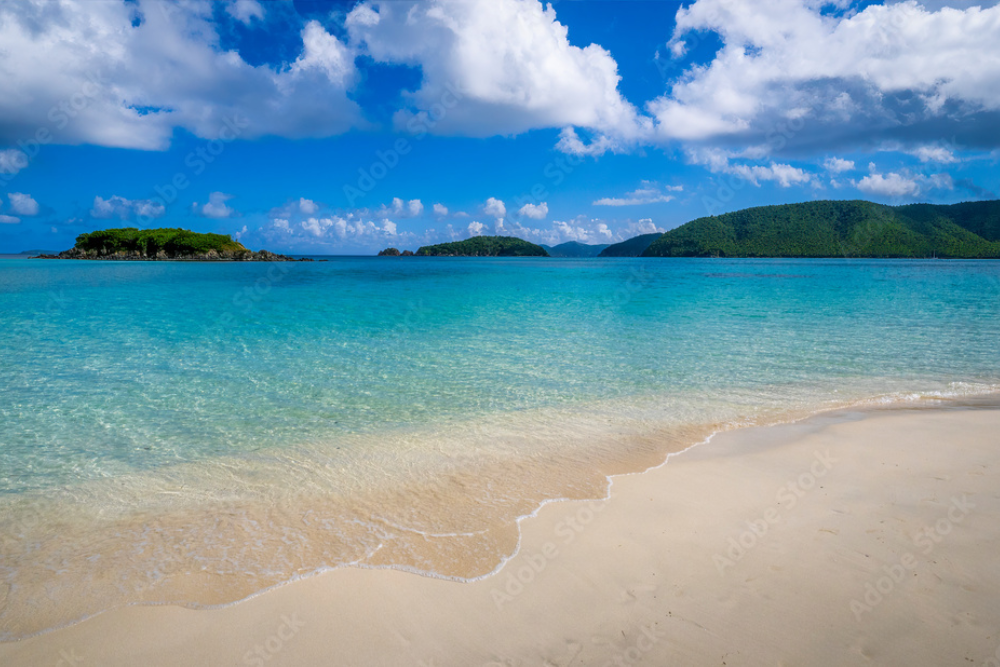
- Schleswig-Holstein is known for its shocking shores along both the North Ocean and the Baltic Ocean. The North Ocean coast is renowned for the Wadden Ocean Public Park (Nationalpark Wattenmeer), an UNESCO World Legacy site known for its salt marshes and rich biodiversity. Guests can encounter directed mudflat climbs or investigate the natural life, particularly the transient birds that run to the area.
- The islands off the coast, like Sylt and Fohr in the North Ocean, and Fehmarn in the Baltic Ocean, are famous for their sandy sea shores, resorts, and open doors for water sports, cycling, and nature strolls. Sylt, specifically, is known for its extravagance the travel industry and dazzling hill scenes.
Historic Towns and Cities Kiel
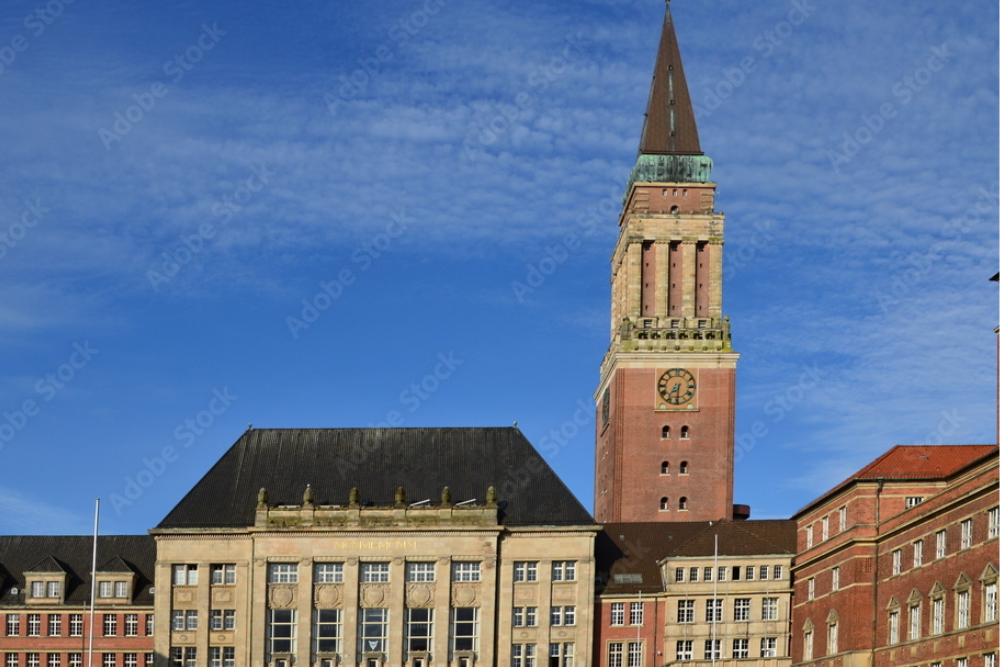
- The capital of Schleswig-Holstein, Kiel is an oceanic city with a long nautical history. It’s known for the Kiel Week (Kieler Woche), one of the world’s biggest cruising occasions, which draws great many members and observers consistently. Guests can investigate the Kiel Channel, one of the world’s most active fake streams, and the city’s energetic harbor region.
Lubeck
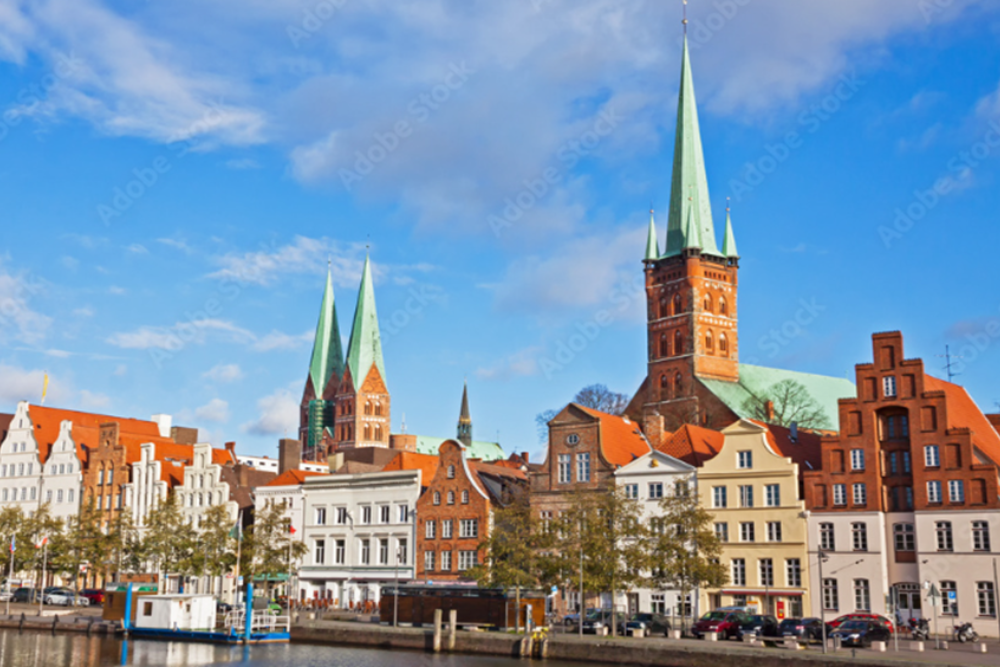
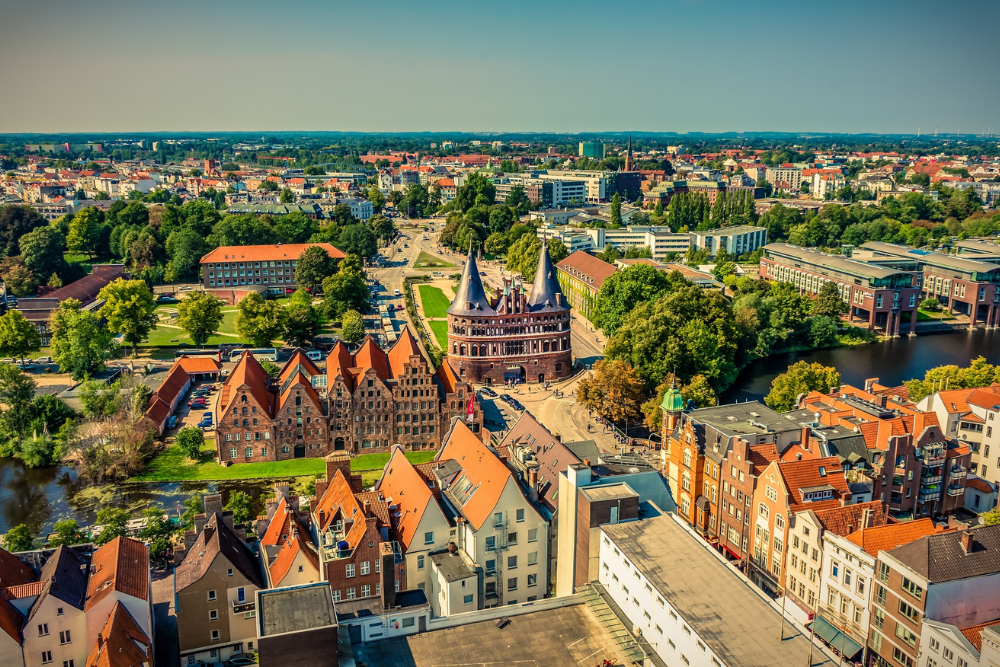
- An UNESCO World Legacy city, Lubeck is renowned for its very much safeguarded middle age design and its job as the “Sovereign of the Hanseatic Association.” Features incorporate the Holstentor (a striking city door), the Marienkirche (St. Mary’s Congregation), and the old town, which is loaded up with delightful Gothic, Renaissance, and Elaborate structures. Lubeck is likewise eminent for its marzipan, a nearby strength.
Flensburg
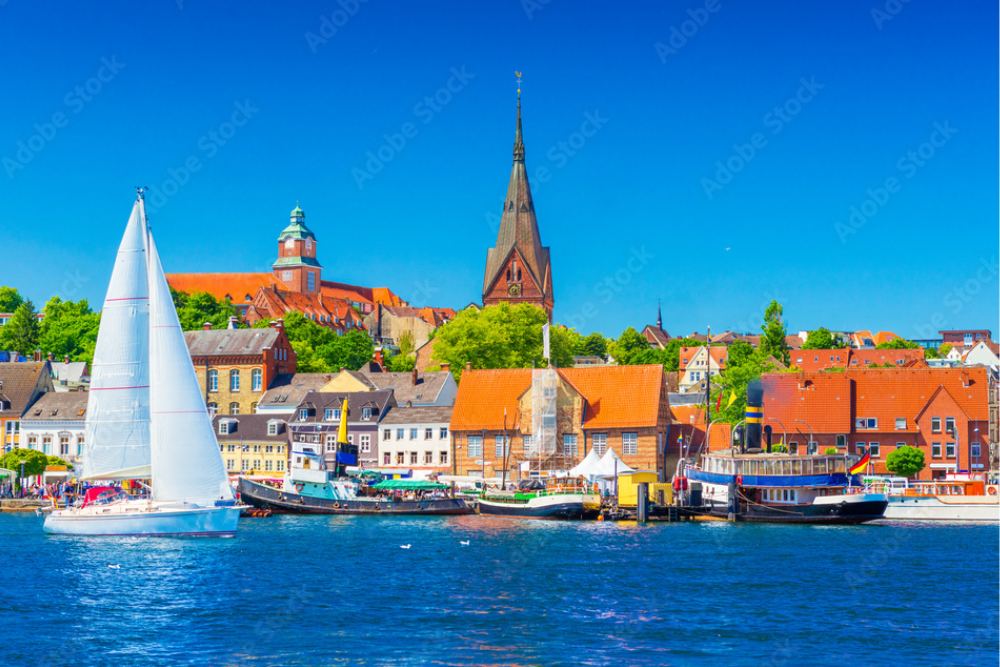
- Situated close to the Danish boundary, Flensburg reflects both German and Danish impacts. Its beautiful harbor, interesting old town, and sea exhibition halls make it an enchanting location. The town is additionally known for its rum exchange and enthusiastic shopping roads.
Schleswig and Viking History
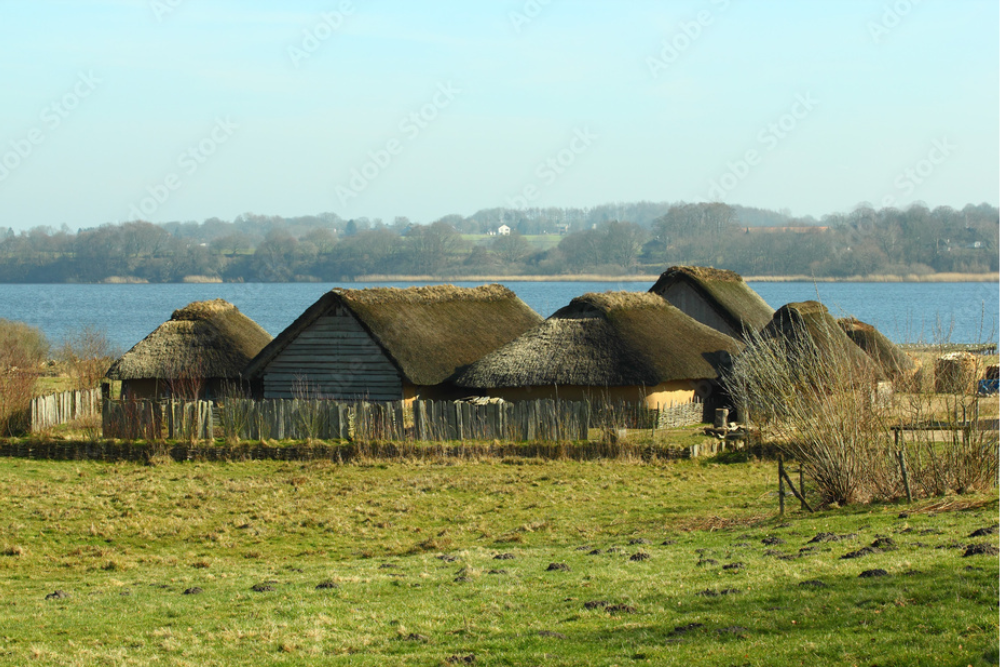
- The town of Schleswig, arranged along the Schlei fjord, is home to Schloss Gottorf, a brilliant ducal royal residence that presently houses significant workmanship and history historical centers. Close to Schleswig lies Hedeby (Haithabu), an old Viking settlement and UNESCO World Legacy site. The Hedeby Viking Gallery offers interesting bits of knowledge into the Viking Age, with reproduced houses, antiquities, and displays itemizing the region’s Viking past.
Castles and Palaces
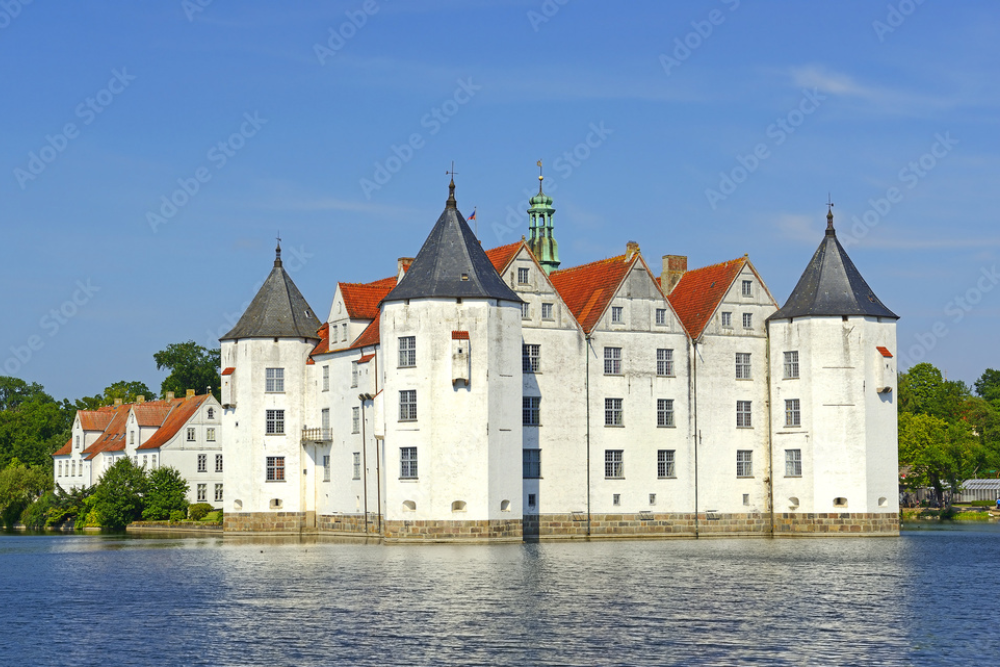
- The locale is specked with palaces and royal residences, a considerable lot of which have been changed into historical centers or lodgings. Glucksburg Palace is one of the main Renaissance palaces in northern Europe and an image of the entwined narratives of Denmark and Germany. It’s situated on a beautiful lake and is available to people in general.
Kiel Canal
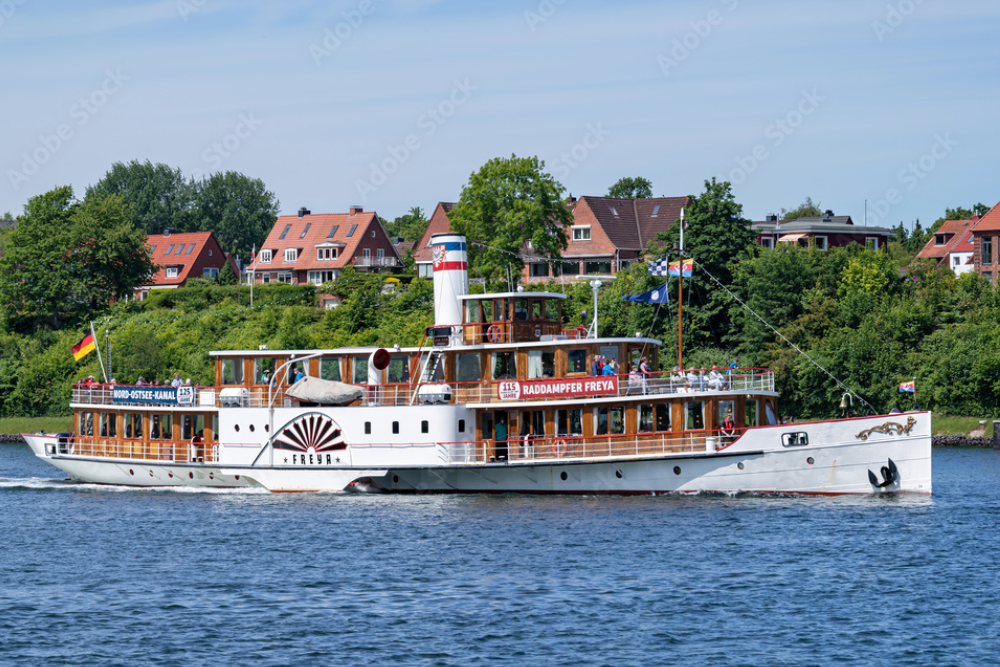
- One of the most active counterfeit streams on the planet, the Kiel Waterway interfaces the North Ocean with the Baltic Ocean and offers a remarkable encounter for those inspired by sea history. It’s a designing wonder, and guests can take boat visits or watch the huge boats go through
Dos and Don’ts in Schleswig-Holstein
When visiting Schleswig-Holstein, there are a few cultural norms and local customs to keep in mind. Here’s a list of dos and don’ts to ensure you have a smooth and respectful experience:
Dos:
- Do explore the coastal regions: Schleswig-Holstein is known for its stunning coastal areas along both the North Sea and the Baltic Sea. Take time to visit the islands like Sylt or Fehmarn, and enjoy activities such as sailing or hiking along the Wadden Sea.
- Do visit Lubeck’s old town: As a UNESCO World Heritage Site, Lubeck’s old town is a must-see for its medieval architecture and historical significance. Try the famous Lubeck marzipan!
- Do respect the local wildlife and nature: The state is home to many nature reserves, especially around the Wadden Sea. Stick to marked trails and follow the rules in protected areas to preserve the environment.
Don’ts:
- Don’t underestimate the weather: The coastal weather can be unpredictable, with strong winds and rain, even in summer. Always carry layers and rain gear when exploring the region.
- Don’t litter on beaches or in nature: Schleswig-Holstein prides itself on its clean coastlines and natural areas. Be sure to dispose of trash properly, especially when visiting the beaches or parks.
- Don’t swim without checking local guidelines: If you’re planning on swimming in the North or Baltic Sea, be aware of local signs indicating water conditions, particularly around the Wadden Sea.
Best Time to Reach in Schleswig-Holstein
The best chance to visit Schleswig-Holstein relies upon your inclinations, as the area offers various encounters consistently. Here is an occasional breakdown:
1. Summer (June to August) – Best for Beach front Exercises
- Summer is the most well known chance to visit Schleswig-Holstein, particularly for beachgoers and open air aficionados. The weather conditions is gentle, with temperatures going from 15°C to 25°C (59°F to 77°F). This is the best time for cruising, swimming, climbing, and investigating the Wadden Ocean.
- Kiel Week (Kieler Woche), one of the world’s biggest cruising celebrations, happens in late June.
- Various live events and nearby fairs additionally happen throughout the mid year.
- Ocean side get-aways on the islands (Sylt, Fohr, Fehmarn), investigating Lubeck’s Old Town, and climbing the waterfront trails.
2. Spring (April to May) – Best for Nature and Touring
- Spring offers sprouting scenes, particularly around the nature holds, and less vacationers than in summer. The temperatures are cooler, going from 8°C to 16°C (46°F to 61°F), however the landscape is lavish and green, making it ideal for outside investigation.
- Osterfeuer (Easter Flames), a customary festival with huge fires around Easter.
- Appreciating nature saves, cycling, birdwatching, and visiting more modest towns like Schleswig and Glucksburg Palace.
3. Pre-winter (September to October) – Best for Quiet Excursions
- The groups reduce after the late spring, and the locale takes on gorgeous pre-winter tones. Temperatures range from 10°C to 18°C (50°F to 64°F), making it agreeable for touring. Seaside regions stay engaging for tranquil strolls, and neighborhood markets offer reap themed merchandise.
- Collect celebrations and wine samplings happen in numerous towns.
- Calm ocean side strolls, investigating Lubeck and Flensburg without the late spring swarms, and appreciating comfortable bistros.
4. Winter (November to Spring) – Best for Christmas Markets and Culture
- Winter in Schleswig-Holstein is cold, with temperatures going from – 2°C to 5°C (28°F to 41°F). In any case, the locale’s beguiling Christmas markets, particularly in Lubeck, merit visiting. The calmer season likewise takes into consideration a more close social experience.
- Christmas Markets in Lubeck, Kiel, and different towns.
- Biikebrennen, a customary fire celebration in mid-February, commends the finish of winter.
- Visiting galleries, appreciating nearby winter cooking, and investigating social destinations like Lubeck’s notable Old Town.