


Introduction:
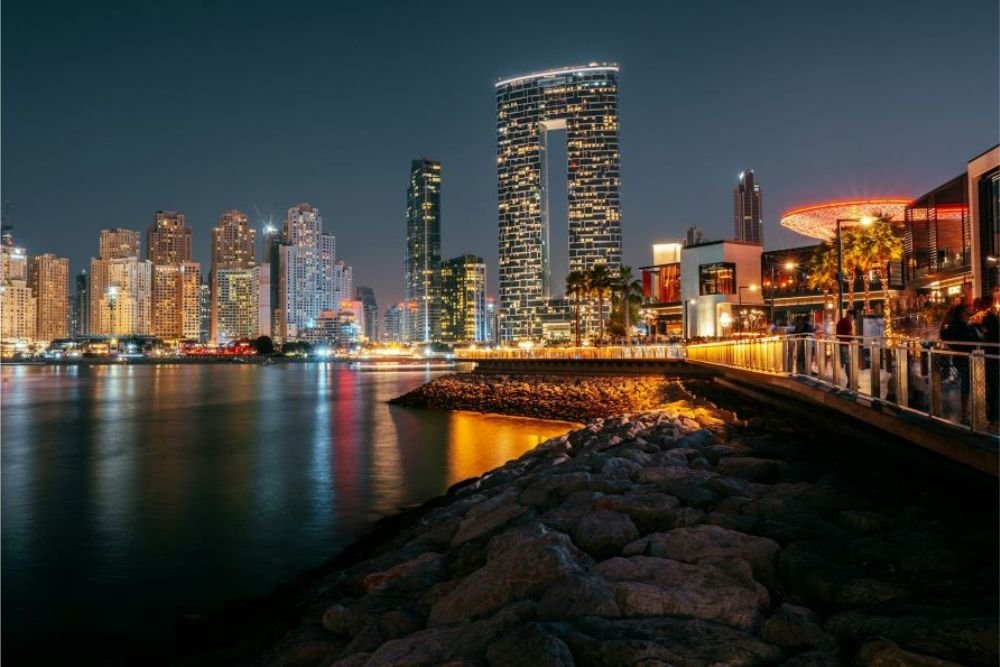
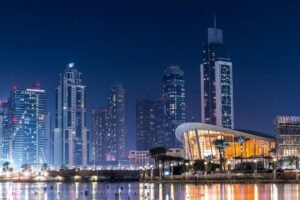
Dubai mirrors a mirage of contrasting duality that is not only unique but also quite intriguing. The vast hyper-arid desert wilderness is counterbalanced by an ultra-sophisticated metropolis that is also one of the prominent tourist spots in the world. However, Dubai has not shirked an inch from its environmental commitments and obligations in any way.
The city-state is credited with creating the largest protected nature reserve, the Dubai Desert Conservation Reserve (DDCR) in the UAE. Spanning 225 square kilometres of fenced-off arid desert, DDCR takes up almost five per cent of Dubai’s total land.
The DDCR, created in 2003, is an endeavour to protect and conserve the natural resources of Dubai’s inland desert and revitalize the unique flora and fauna of the area to its natural state. This is the biggest piece of land that Dubai has dedicated to any single project so far and is aimed at protecting its incredible wildlife and resilient vegetation within the concerned area and its ecosystem.
The initiative (DDCR), a flagship project of the Emirate’s conservation endeavours, has witnessed an investment of AED 28 million (USD 7.6 million). The funding has not only helped sustain the endangered desert flora and fauna and the overall ecosystem to a great extent but also created mass awareness about this on a global level.
A Sanctuary in the Sands: The Dubai Desert Conservation Reserve:
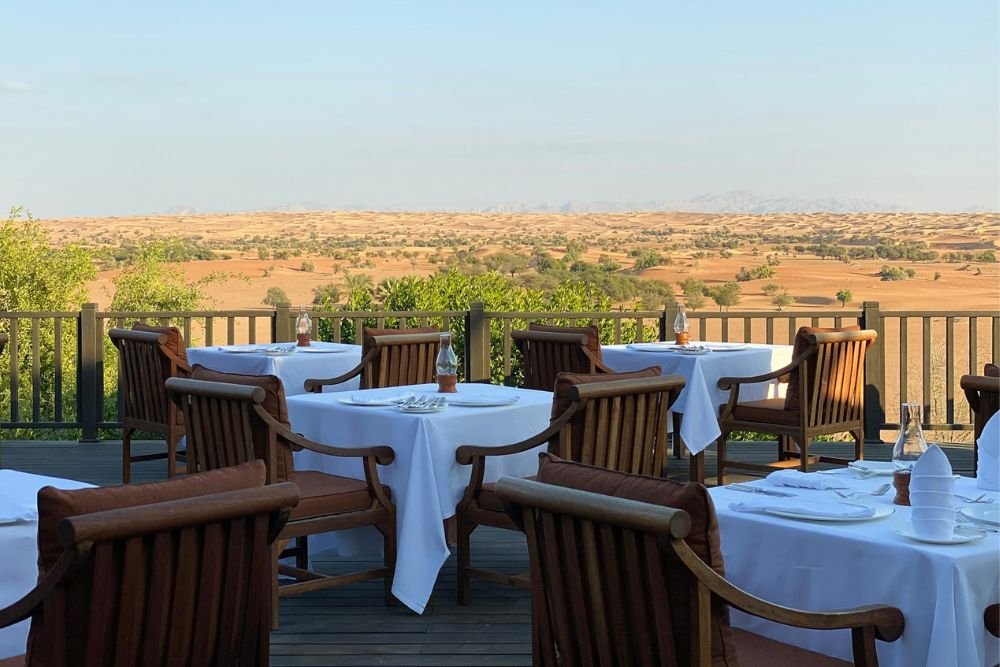
The DDCR, since its inception, has become home to numerous plant species, birds’ mammals, and reptiles. The specifics in this context are:
- 50 Plant Species
- 120 Birds
- 43 Mammals and Reptiles
The Dubai Desert Conservation Reserve, in recognition of its laudable work in nature conservation and wildlife protection, is now a member of the International Union for the Conservation of Nature (IUCN).
Things to do while being at DDCR:
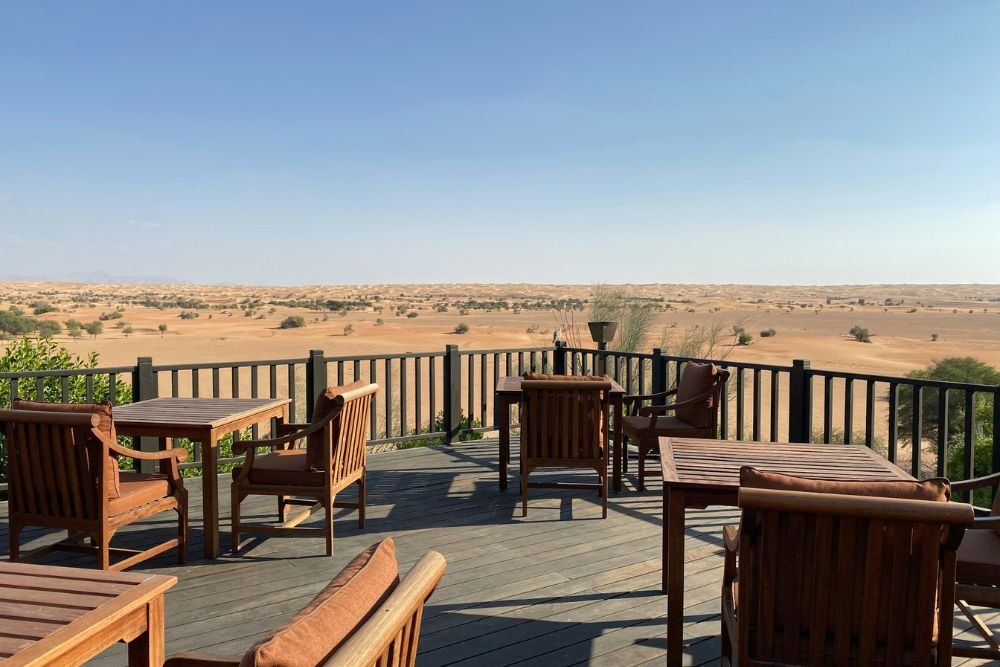
- Enjoy the immersive visitor centre
- Cultural Hall showcasing the chronology of DDCR milestones since 1999
- A captivating film documenting the history of DDCR
- Habitat Hall highlighting the flora and fauna
- A nocturnal hall that provides an immersive display of DDCR’s nightlife
Visitors can also explore and experience the region’s culture, atmosphere, history, and priceless Bedouin way of life through Al Maha Desert Resort and also through tour operators like Arabian Adventures and Platinum Heritage.
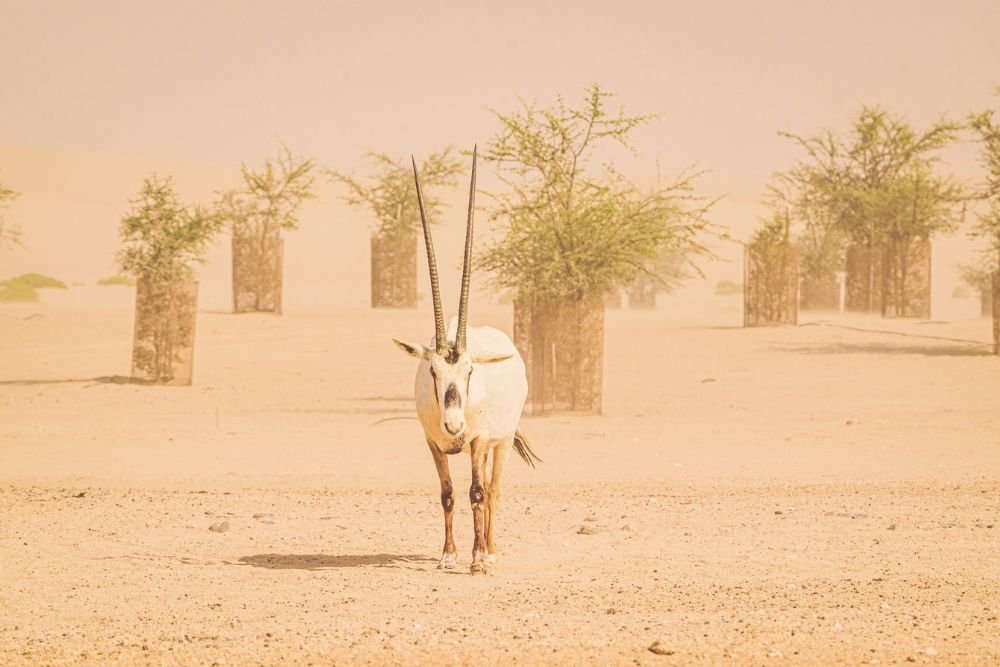
Among the species listed under “most endangered” or “vulnerable,” Arabian Oryx figures prominently. Once found all over the plains or desert of the Arabian Peninsula, now specific measures are being taken to understand the habitat and well-being of this endangered species. The monitoring activities undertaken for the Arabian Oryx include:
- Use of GPS collars to collect data on their home range and habitat selection.
- Gather data on this species’ activity patterns about factors such as habitat, temperature, sex, and life phase.
- Gain an understanding of the dependence of the Oryx herd on the provided feed.
- Study the grazing habitats of the Arabian Oryx to establish grazing preferences about plant species and growth form.
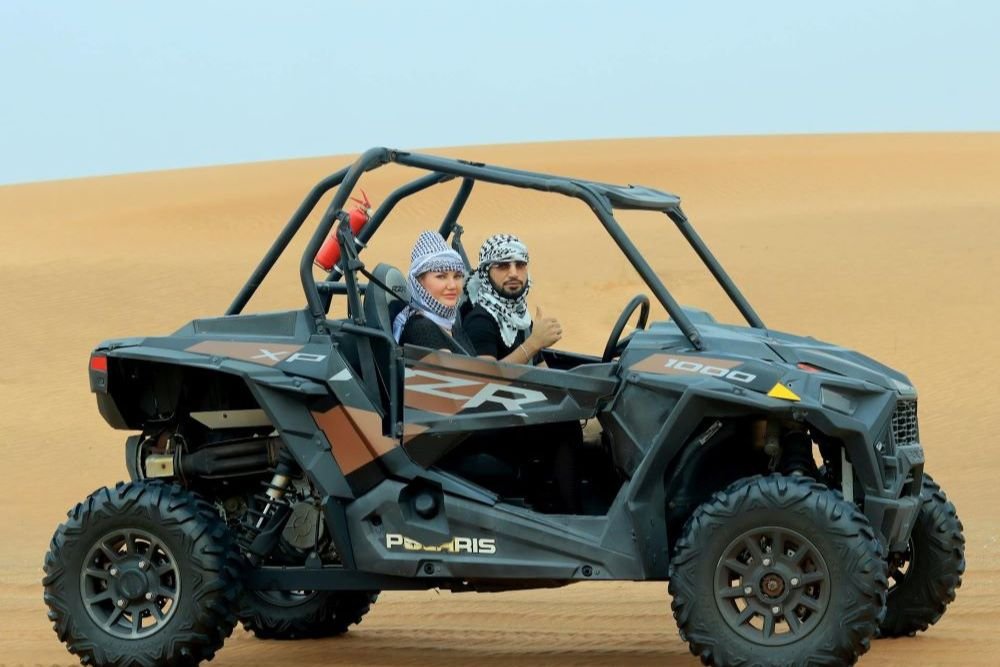
DDCR, while promoting and encouraging the specific activities under eco-tourism, takes great care so that tourism activities do not impact negatively on the environment or the concerned flora and fauna in any manner. The guides and tour operators are chosen with care so that visitors can explore DDCR sustainably and responsibly. Activities are:
- Treks
- Barbecues
- Safaris
- Falconry
- Horse and camel riding
- Camping
- Sandboarding
- Dining
- A retreat at the luxurious Al Maha-A Luxury Collection Desert Resort and Spa
From Sand Dunes to Luxury Eco-Lodges: How Ecotourism Enhances Conservation:
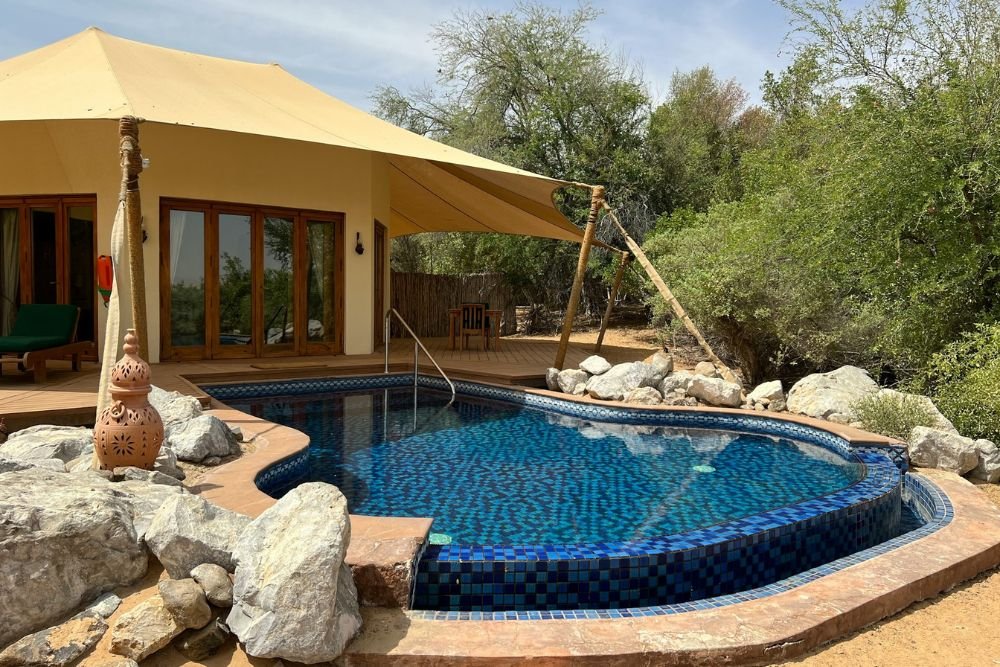
Eco-tourism activity in Dubai and DDCR helps tremendously in maintaining the delicate balance that differentiates the two opposite facades of sustainable conservation practices. By focusing on sustainable practices while minimizing the adverse environmental impact, eco-tourism furthers the cause of conservation exponentially.
Some of the ways through which eco-tourism positively impacts conservation practices in Dubai and DDCR are:
- By harnessing responsible tourism practices.
- Limiting waste generation, conserving water resources, and minimizing noise pollution.
- Preservation of desert ecosystem by awareness and shared responsibility.
- Community-based initiatives and active participation.
- Economic proceeds are funnelled back to the local community as true inclusion and sustainable practice.
Eco-tourism activities at the Al Maha Desert Resort:
Dubai’s Al Maha Desert Resort takes an offbeat route to entertain the visitors and desert daredevils. Designed to evoke the rich nostalgia of bohemian Bedouin lifestyles, Al Maha has all the arrows of hospitality in its quiver that can quench the wanderlust of even the die-hard desert daredevils. The exclusive experience consists of:
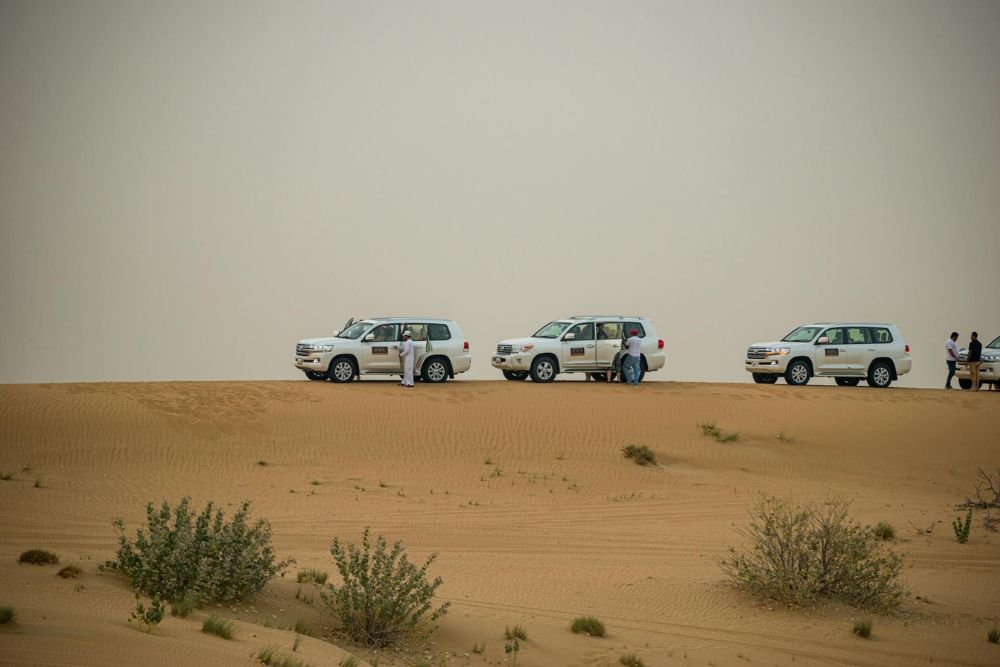
- Dining in the dunes.
- Dining under the star-spangled desert night sky.
- Chance to catch a glimpse of the elusive Arabian oryx or desert gazelle.
- Traditional Arabic cuisine to international dishes.
- Spa retreats and poolside lounging.
- Falconry displays.
- Dune bashing in a four-by-four-wheel drive automobile.
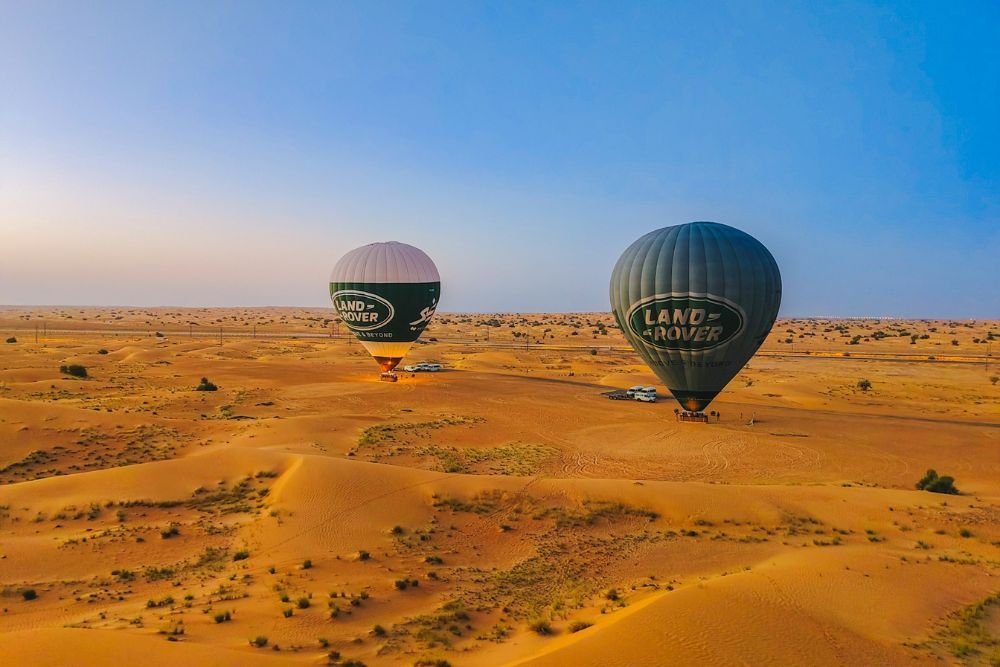
Additionally, resorts like Al Maha often participate in educational initiatives that further the cause of sustainable tourism by dint of:
- Nature walks and raising environmental awareness
- Wildlife Presentations
- Sustainability Workshops
The Green Footprint: Sustainability Practices in Desert Tourism:
Resorts like Al Maha Desert Retreat have struck an elusive and delicate balance between eco-tourism and sustainability constraints. Al Maha often employs a three-pronged strategy that complements each other more often than not. They are:
- Sustainable Practices
- Educational Initiatives
- Community Involvement
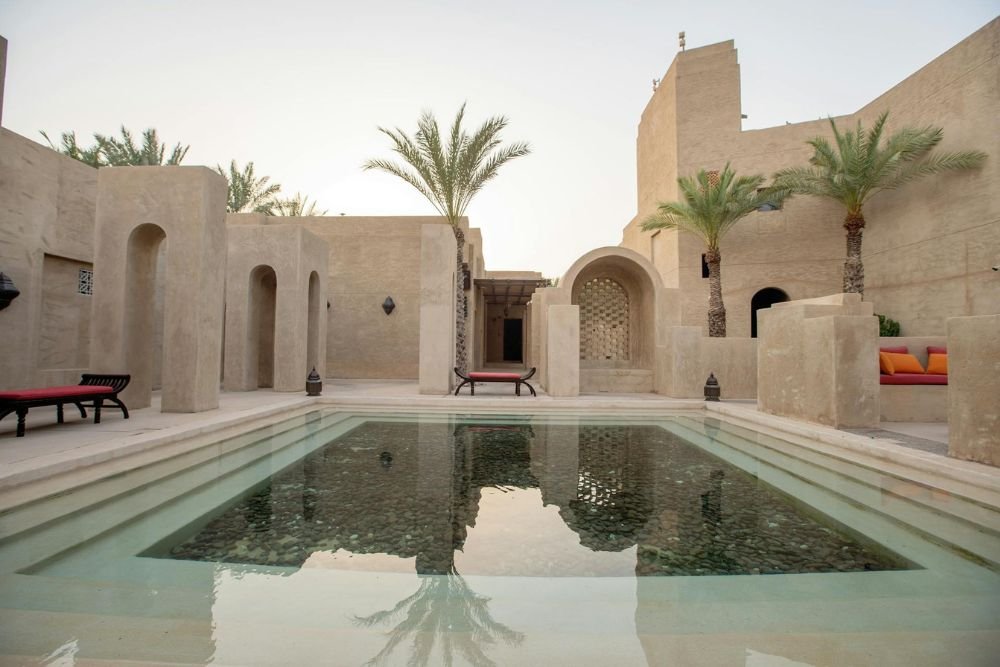
Sustainable Practices: Resorts like Al Maha often implement a bouquet of sustainable practices that minimize their carbon footprint, thus reducing their possible environmental impact. The most prominent measures are energy efficiency, water conservation, waste reduction, and wildlife preservation.
Educational Initiatives: Resorts like Al Maha Desert Retreat often engage in educational initiatives that not only exponentially raise awareness about sustainability but also impact brand visibility among environmentally conscious new-age tourists. These endeavours include but are not limited to, nature walks, wildlife presentations, and sustainability workshops.
Community Involvement: As an initiative to implement true tenets of inclusion and sustainability, resorts like Al Maha often channelize the proceeds back to community purposes and conservation practices. This is achieved further by participating in community projects, economic support, and job creation.
By implementing all these measures and initiatives holistically, Al Maha often supports the fragile desert ecological pyramid in a graded manner.
The Balance of Nature and Economy: Challenges and Future Prospects:

With the increasing proliferation of exotic tourism and tourist-related activities, the thin red line that separates our nature from tourism is constantly threatened by us, unintentionally or not. The future challenges in this domain stem from how best to take care of the interests of the tourists without jeopardizing Mother Nature.
Can tourism ever survive without encroaching upon that all-important line of the Rubicon? This question forms the essence of the global discourse right now. Dubai’s long-term vision of becoming a global leader in eco-tourism without compromising its natural heritage is not only reassuring but also injects a much-needed fresh breath of air into this rarified realm of ultra-sophisticated eco-tourism.
Conclusion: Dubai’s Desert Legacy: A Model for the World:
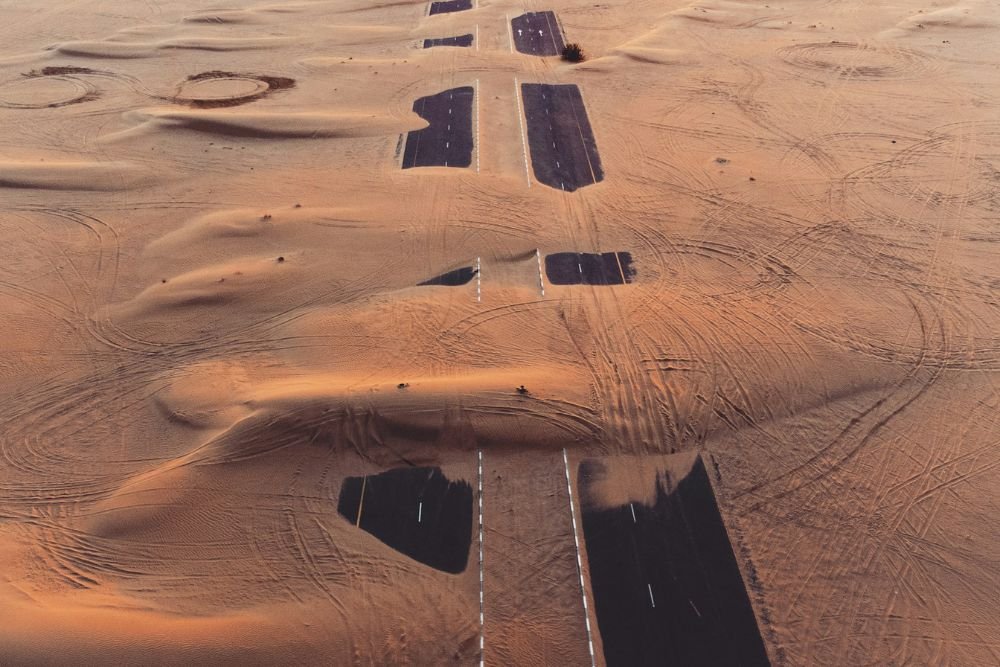
Dubai has been a true trailblazer in eco-tourism, while others are falling behind in this mad rush of rampant tourism. Dubai has balanced the duality of development vis-à-vis nature conservation with much aplomb until now and endeavours to leave not only a rich legacy in this context but also what could be an elusive blueprint to reach the shores of salvation for the rest of humanity.
So, what are you waiting for? Come, enjoy, and be forever a part of this wondrous desert legacy by making thoughtful travel choices. Your decision can play a pivotal role in shaping the course of the future in this Arabian desert wilderness in more ways than one. Bon voyage!!