



Introduction
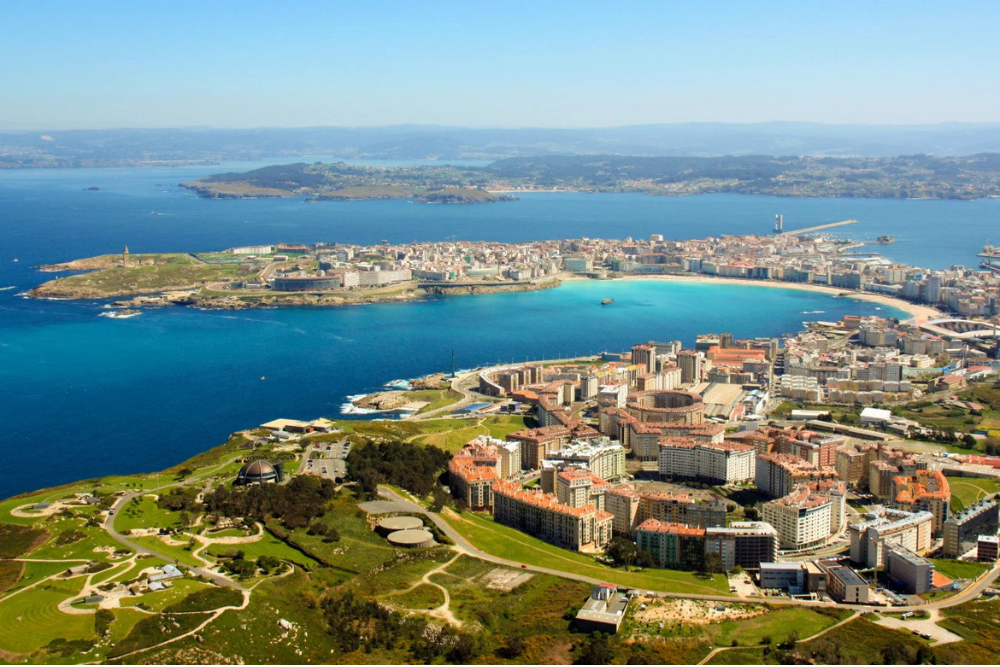
A Coruna is a dynamic beach front city in the northwest of Spain, situated in the Galicia locale. Known for its rich oceanic history, it is home to the Pinnacle of Hercules, the world’s most established working beacon and an UNESCO World Legacy site. A Coruna flaunts wonderful sea shores, like Riazor and Orzan, alongside an enthusiastic port and waterfront promenade. The city mixes current metropolitan existence with notable appeal, offering clamoring markets, galleries, and tapas bars. Its mild environment, joined with social attractions and regular magnificence, makes it a well-known objective in northern Spain.
Tower of Hercules
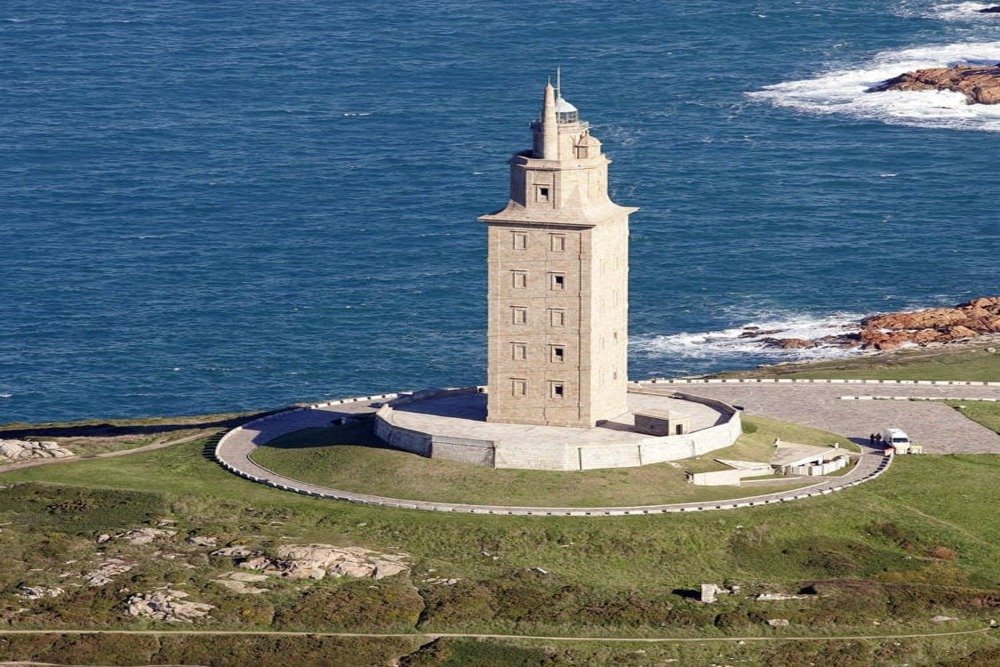
- The notable Roman beacon, and UNESCO World Legacy site, offers stunning perspectives on the Atlantic Sea and the city.
Maria Pita Square (Plaza de Maria Pita)
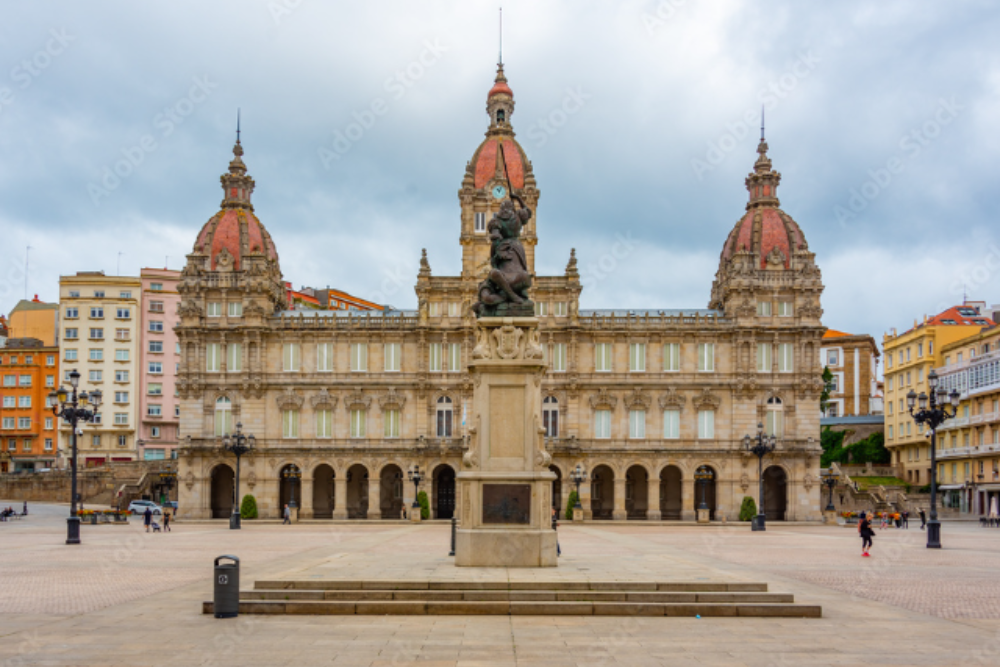
- The focal square named after the nearby courageous woman is encircled by staggering engineering and is an ideal spot to encounter the core of A Coruna.
Old Town (Ciudad Vieja)
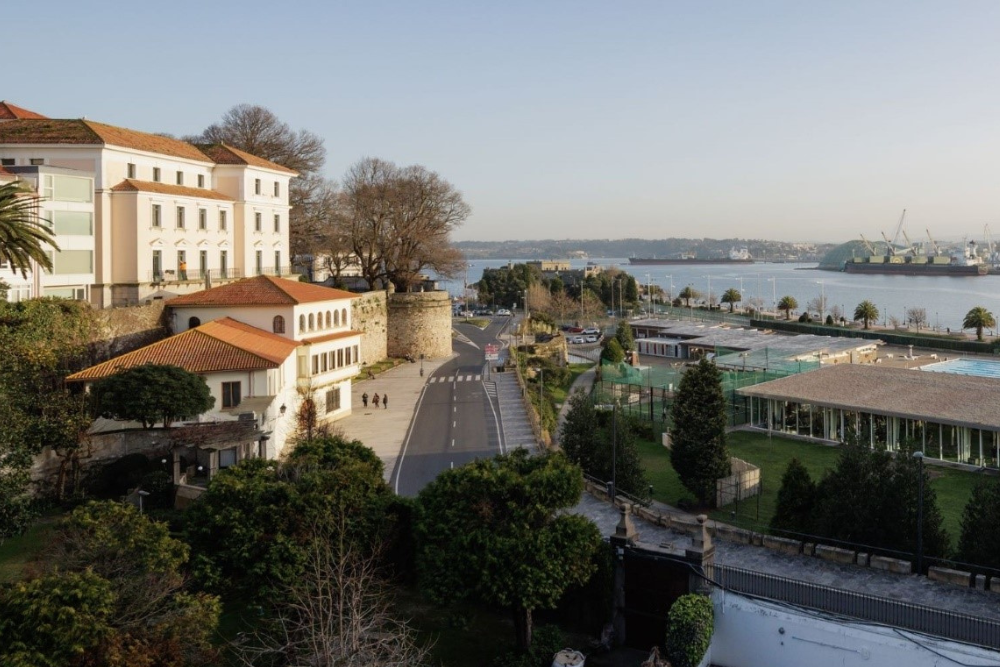
- Meander through this architecturally significant area with its thin roads, old places of worship like Santiago Church, and beguiling old structures.
Paseo Maritimo
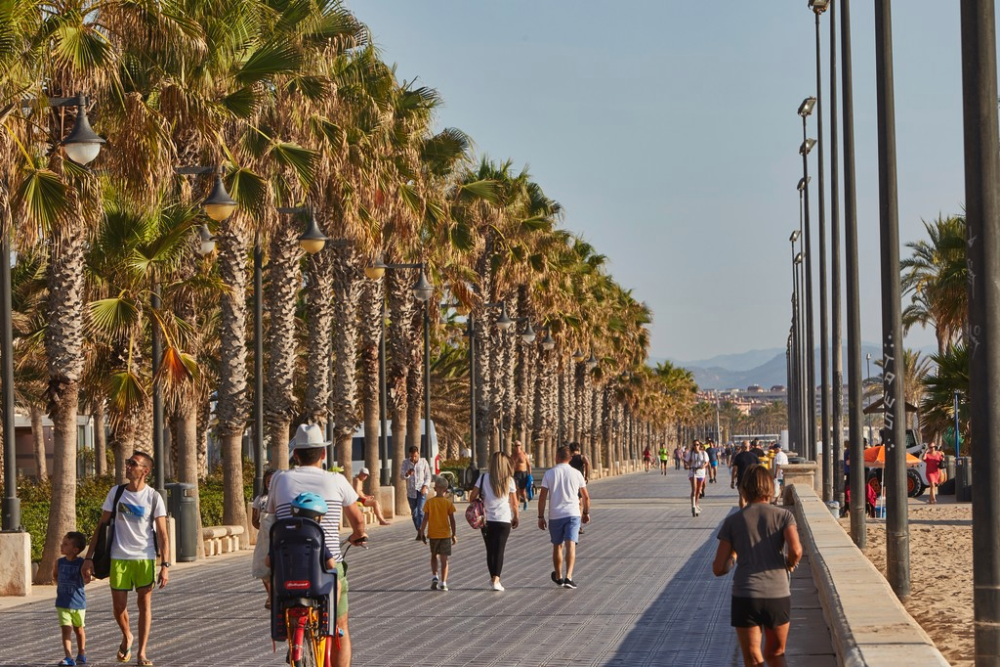
- This long seafront promenade extends for a few kilometers, offering dazzling perspectives on the sea, the Pinnacle of Hercules, and the city’s sea shores.
Riazor and Orzan Beaches
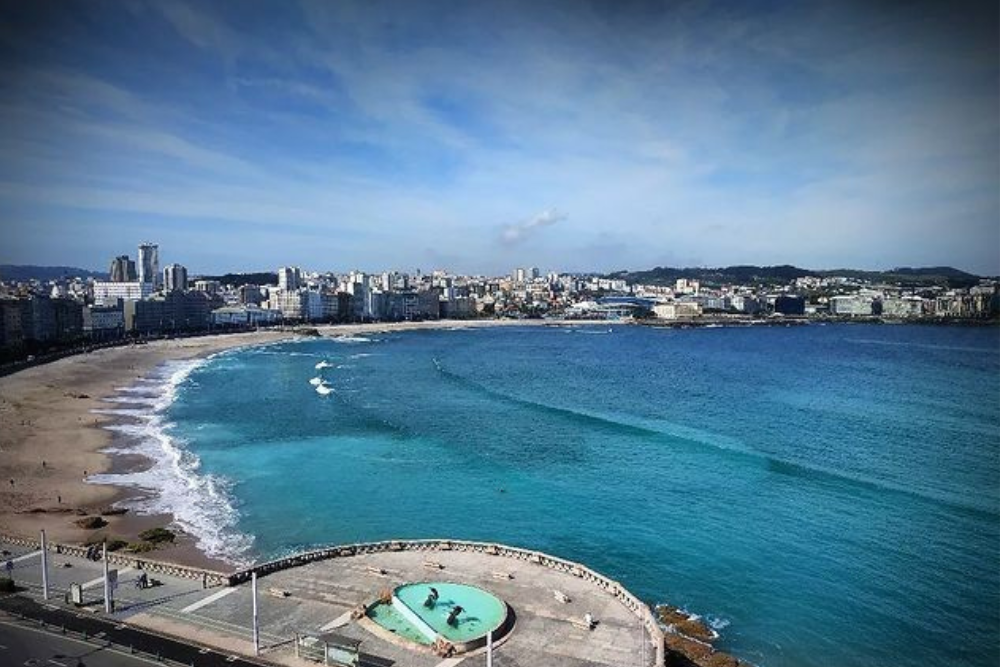
- Two of the city’s most well-known metropolitan sea shores, ideal for swimming, sunbathing, or going for a quiet stroll by the shore.
Aquarium Finisterrae
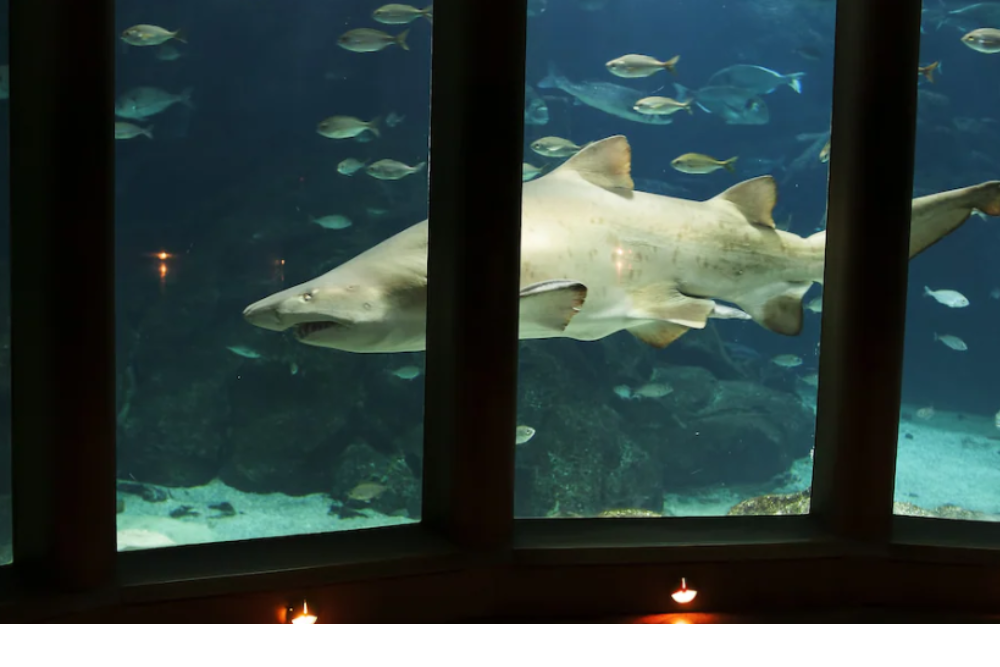
- An interesting aquarium that exhibits marine life from the district and offers a one of a kind setting on the edge of the Atlantic Sea.
Domus Museum
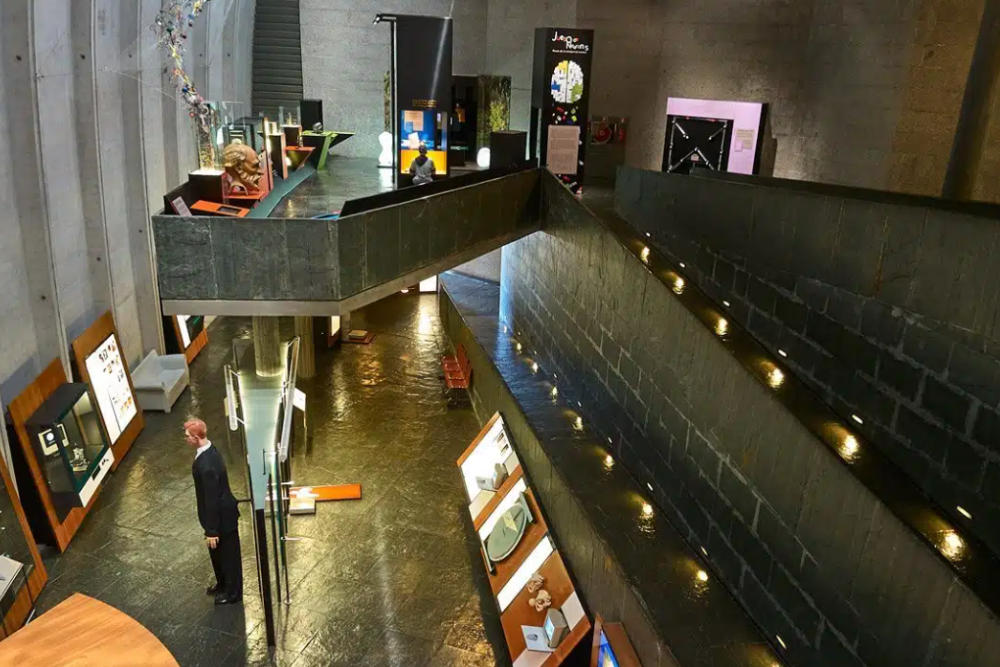
- An intuitive historical center committed to human science and development, offering fun, involved shows reasonable for all ages.
Picasso House Museum
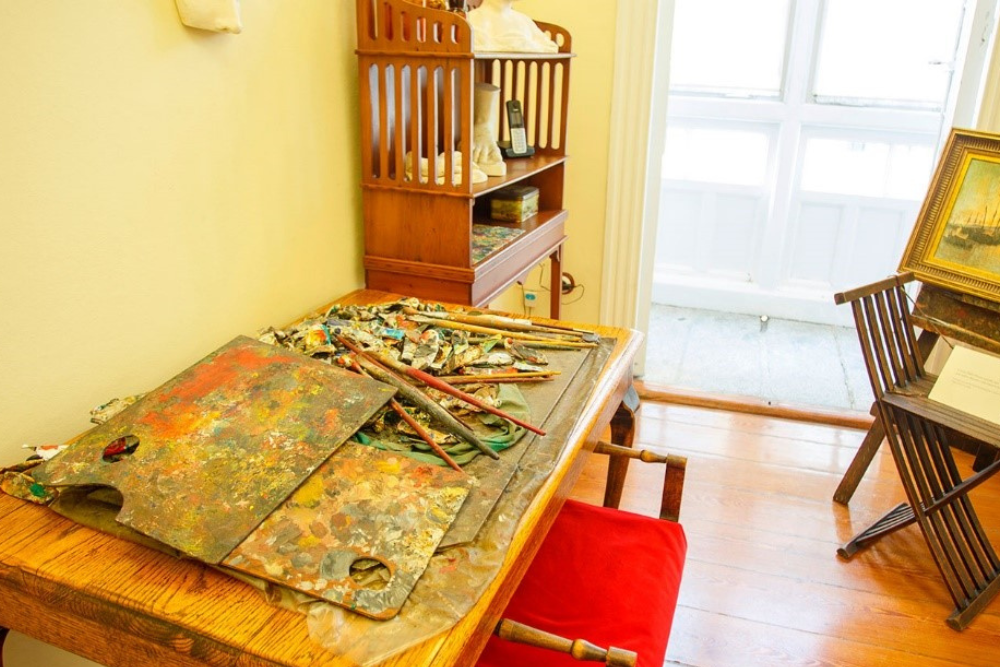
- Visit the house where Pablo Picasso resided as a youngster and investigate his initial impacts.
Castillo de San Anton
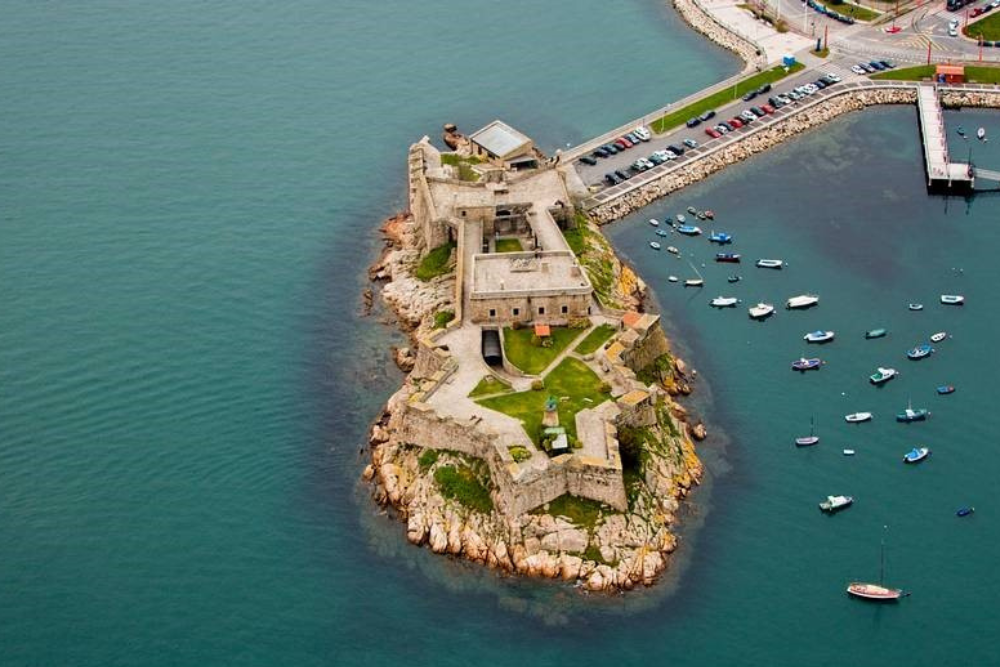
- A previous fortification turned gallery, exhibiting the city’s archeological fortunes and offering all-encompassing perspectives on the harbor.
Mendez Nunez Gardens
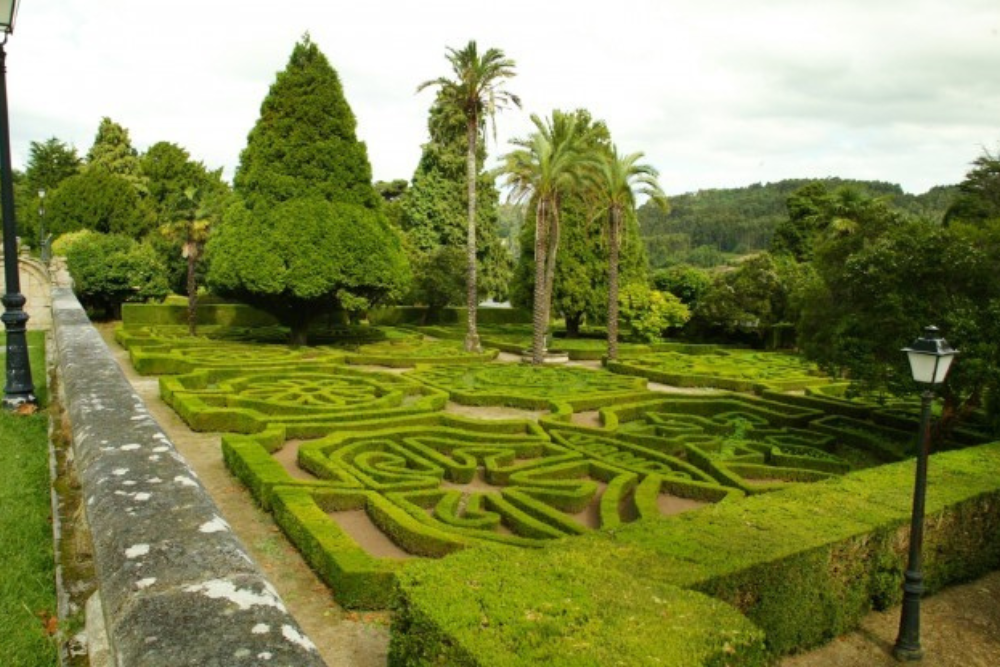
- Loosen up in these delightful, quiet gardens with models, wellsprings, and rich plant life, ideal for a tranquil break inside the city.
Dos and Don’ts in A Coruna
When visiting A Coruna, it’s helpful to know some basic etiquette and local customs. Here’s a list of dos and don’ts to ensure a smooth and enjoyable experience:
Dos:
- Do greet locals properly: While entering shops or eateries, welcome individuals with “Hola” or “Buenos dias” (Good day). Local people value courteousness, and a cordial hello goes far.
- Do try local cuisine: A Coruna is well known for its fish. Attempt dishes like pulpo a la gallega (Galician-style octopus) and percebes (gooseneck barnacles). Try not to miss empanadas, shellfish, and Galician wines.
- Do visit markets: Investigate nearby business sectors like Mercado de San Agustin to see new neighborhood produce, fish, and customary Galician items.
Don’ts:
- Don’t assume everyone speaks English: While numerous local people, particularly more youthful ones, may know English, it’s respectful to inquire, “¿Hablas ingles?” prior to sending off into a discussion in English.
- Don’t rush meals: Feasting in that frame of mind, in Galicia, is a relaxed movement. Anticipate that feasts should be loose and longer than expected. Take as much time as is needed and partake in the experience.
- Don’t wear beachwear in the city: It’s fine on the ocean front, however while strolling in and out of town or visiting eateries, it’s ideal to dress nonchalantly yet properly.
Best time to reach in A Coruna
The best time to visit A Coruna depends on your preferences for weather and activities. Here’s a breakdown of the ideal times to visit:
1. Spring (April to June)
- Gentle climate, less vacationers, and blossoming scenes.
- Spring offers charming temperatures (12-20°C/54-68°F) and less groups, making it an incredible time for touring and open air exercises. The city shows some signs of life with vivid blossoms, and strolling around the memorable regions or along the seafront is charming.
2. Summer (July to September)
- Ocean side exercises, celebrations, and warm climate.
- Summer is the most famous opportunity to visit because of warm temperatures (18-25°C/64-77°F) and energetic occasions. It’s the ideal season for partaking in the sea shores like Riazor and Orzan, water sports, and outside feasting. Nonetheless, it’s additionally the most active time, particularly during nearby celebrations like the San Juan fire celebration in June.
3. Autumn (October to November)
- Wonderful climate, less sightseers, and beautiful perspectives.
- Early pre-winter offers gentle temperatures (12-18°C/54-64°F) and lovely fall tones. It’s a calmer time contrasted with summer, yet pleasant for investigating the city and its normal environmental elements. It’s likewise an incredible time for climbing excursions to local regions like Monte de San Pedro or roadtrips to beach front towns.
4. Winter (December to March)
- Financial plan travel, serene touring.
- Winters are gentle however can be stormy and breezy, with temperatures going from 8-14°C (46-57°F). While ocean side exercises are off the table, it’s an incredible chance to investigate exhibition halls, verifiable milestones, and comfortable nearby eateries. In the event that you favor a calmer, more reasonable outing, winter can be a fantastic chance to visit without the groups.
- The notable Roman beacon, and UNESCO World Legacy site, offers stunning perspectives on the Atlantic Sea and the city.