



Introduction
Scandinavia, a region renowned for its breathtaking landscapes and rich cultural heritage, is also a culinary haven for food enthusiasts. From fresh seafood to artisan cheeses, traditional baked goods to foraged delicacies, Scandinavian markets are treasure troves of flavors and stories. This guide will take you on a gastronomic journey through some of the best food markets in Denmark, Sweden, Norway, and Finland, highlighting what makes them special and what you must try as a foodie.
Denmark: A Culinary Heartbeat in Copenhagen

1. Torvehallerne, Copenhagen
Located in the heart of Denmark’s capital, Torvehallerne is a modern glass-covered market offering a mix of traditional and contemporary Danish cuisine.
What to Try:
- Smørrebrød: These open-faced sandwiches are a quintessential Danish dish. Look for variations with herring, shrimp, or roast beef.
- Danish Pastries: The cinnamon rolls and “Spandauer” pastries are must-haves.
- Local Cheeses and Meats: Sample artisanal cheese like Havarti or Danbo and cured meats.
Why Visit:
The vibrant atmosphere, combined with gourmet street food and fresh produce, makes this market an unmissable stop for food lovers.
Sweden: Where Tradition Meets Innovation
2. Östermalms Saluhall, Stockholm
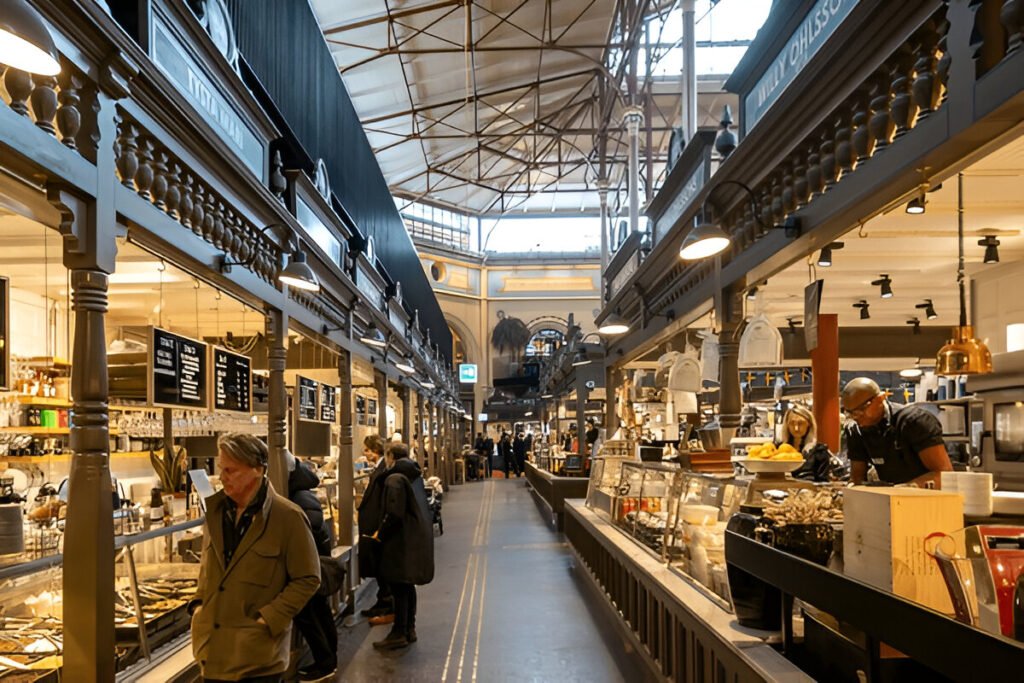
Considered one of the best food markets in the world, Östermalms Saluhall is a historic market hall offering high-quality Swedish delicacies.
What to Try:
- Gravlax: Cured salmon served with dill and mustard sauce.
- Kanelbullar: Swedish cinnamon buns are a sweet delight.
- Swedish Meatballs: Pair them with lingonberry sauce for a truly authentic experience.
Why Visit:
The market’s architecture, coupled with a range of traditional Swedish offerings, immerses visitors in Sweden’s culinary heritage.
3. Malmö Saluhall, Malmö
A modern market with a focus on sustainability and innovation, Malmö Saluhall is perfect for exploring contemporary Swedish cuisine.
What to Try:
- Seafood Platters: Fresh catches like herring, mackerel, and shrimp.
- Plant-Based Dishes: A nod to Sweden’s eco-friendly culture.
Why Visit:
Its emphasis on sustainable and locally sourced food sets it apart.
Norway: Land of the Fjords and Flavors

4. Mathallen, Oslo
Nestled in Oslo, Mathallen is a food market that celebrates both local Norwegian ingredients and international flavors.
What to Try:
- Rakfisk: Fermented fish, a traditional Norwegian delicacy.
- Reindeer Meat: Often served in stews or as cured jerky.
- Brunost (Brown Cheese): A caramelized cheese with a unique sweet-salty flavor.
Why Visit:
Mathallen is a melting pot of Norwegian culinary traditions and modern gastronomy, perfect for adventurous foodies.
5. Bergen Fish Market, Bergen
Situated by the scenic harbor, this open-air market is a haven for seafood lovers.
What to Try:
- Fresh Lobsters and Crabs: Straight from the North Sea.
- Norwegian Salmon: Smoked or grilled.
- Whale Meat: A controversial yet culturally significant dish in Norway.
Why Visit:
The market offers a direct connection to Norway’s maritime heritage, with stunning views to enhance the experience.
Finland: Foraged and Fresh
6. Old Market Hall, Helsinki
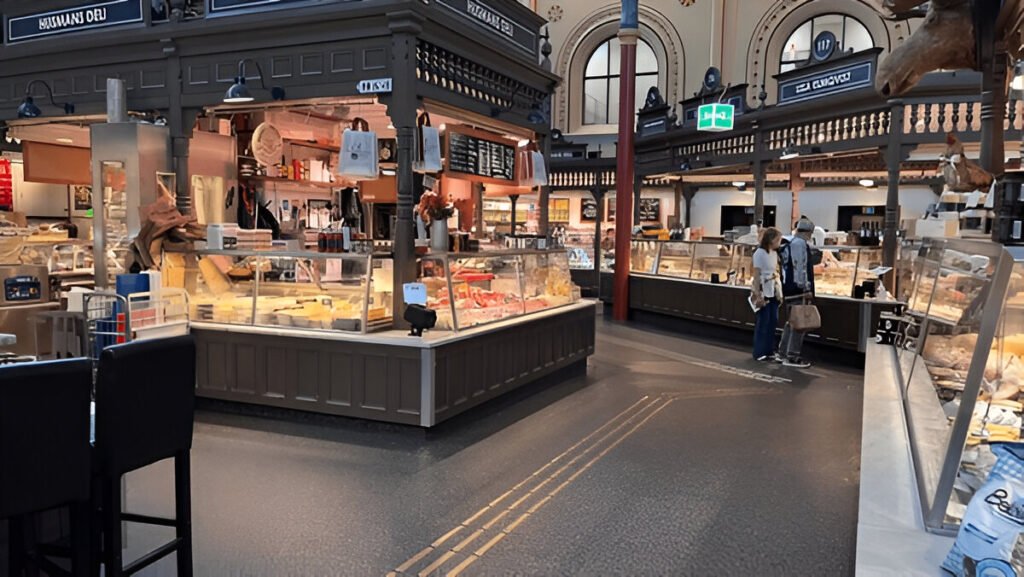
Dating back to the 19th century, this market hall is a historic gem showcasing Finnish culinary traditions.
What to Try:
- Karjalanpiirakka: Rye pies filled with rice pudding or mashed potatoes.
- Salmon Soup: A creamy, hearty dish perfect for cold days.
- Cloudberry Jam: A rare delicacy from Lapland.
Why Visit:
The market is a beautiful blend of old-world charm and Finnish innovation.
7. Hakaniemi Market Hall, Helsinki
Another Helsinki favorite, Hakaniemi Market Hall, is renowned for its fresh produce and traditional Finnish goods.
What to Try:
- Ruisleipä (Rye Bread): A staple of Finnish cuisine.
- Arctic Berries: Lingonberries, blueberries, and cranberries are abundant.
Why Visit:
It’s a more local and authentic experience compared to the Old Market Hall, offering insights into everyday Finnish life.
The Essence of Scandinavian Markets

Scandinavian markets are not just places to buy food; they are cultural hubs where history, tradition, and innovation converge. They reflect the region’s commitment to sustainability, quality, and respect for nature.
Whether you’re sampling freshly baked cinnamon buns in Sweden, savoring Norwegian salmon by the harbor, or exploring the vast array of rye-based delights in Finland, these markets offer a sensory experience like no other.
For foodies, visiting these markets is an opportunity to taste Scandinavia’s soul. So pack your appetite and embark on a culinary adventure through the heart of the Nordic region.
Practical Tips for Foodies
- Timing Matters: Visit early in the morning for the freshest produce and fewer crowds.
- Bring Cash: While many places accept cards, smaller vendors may prefer cash.
- Ask Locals: Don’t hesitate to ask for recommendations; locals know the best stalls and dishes.
- Sample Freely: Many vendors offer samples, so don’t be shy about trying before buying.
- Respect Customs: Be aware of local dining etiquette and customs, such as queuing properly or using eco-friendly cutlery.
Conclusion
Scandinavian markets are a feast for both the stomach and the soul. They offer a glimpse into the Nordic lifestyle, where simplicity, quality, and nature take center stage. For foodies, these markets are an invitation to indulge in authentic flavors and connect with the region’s rich culinary heritage.
So, whether you’re planning your next trip or simply dreaming about it, make sure Scandinavian markets are on your foodie bucket list.