



Introduction
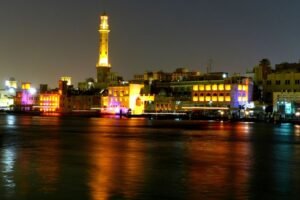
Olympia, settled in the rich Peloponnese district of Greece, is an enthralling location saturated with history and regular excellence. Famous as the origin of the old Olympic Games, this UNESCO World Legacy Site offers a brief look into Greece’s great past through its archeological fortunes, including the Sanctuary of Zeus, the old arena, and the Palaestra. Past its authentic charm, Olympia flaunts tranquil scenes with the Kladeos and Alfeios streams, ideal for comfortable strolls or bold kayaking.
Ancient Olympia Archaeological Site
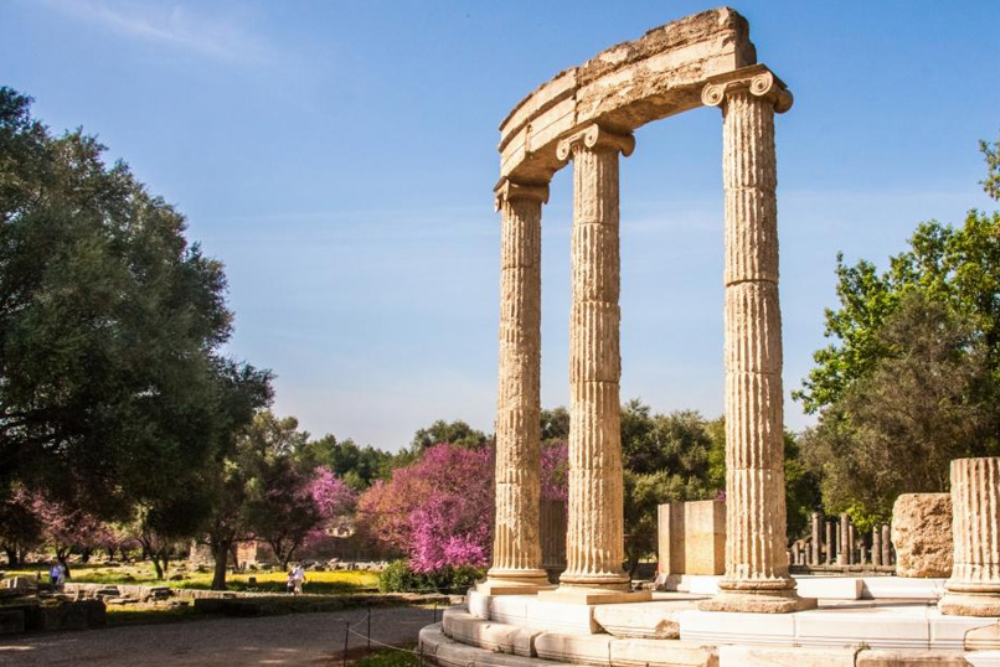
- Explore the ruins of the ancient stadium, where athletes competed in the first Olympic Games in 776 BC. Visit the Temple of Zeus, once home to the Statue of Zeus—one of the Seven Wonders of the Ancient World. Walk through the Temple of Hera, the Gymnasium, and the Palaestra.
Archaeological Museum of Olympia
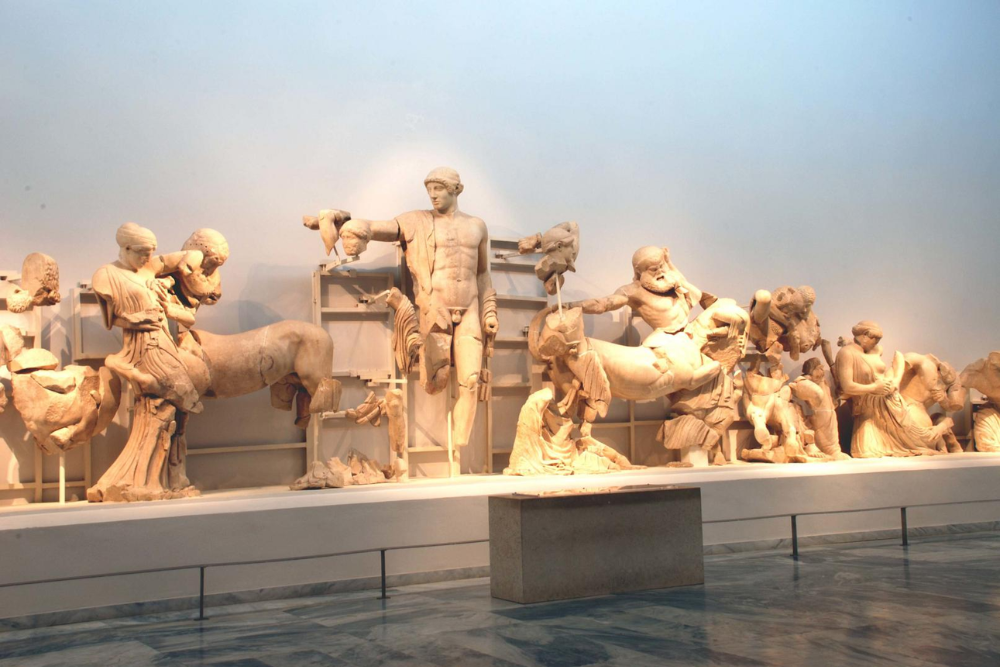
- Marvel at artifacts from the ancient sanctuary, including statues, sculptures, and tools. The standout exhibit is the Hermes of Praxiteles, a stunning marble statue from the 4th century BC.
Museum of the History of the Olympic Games
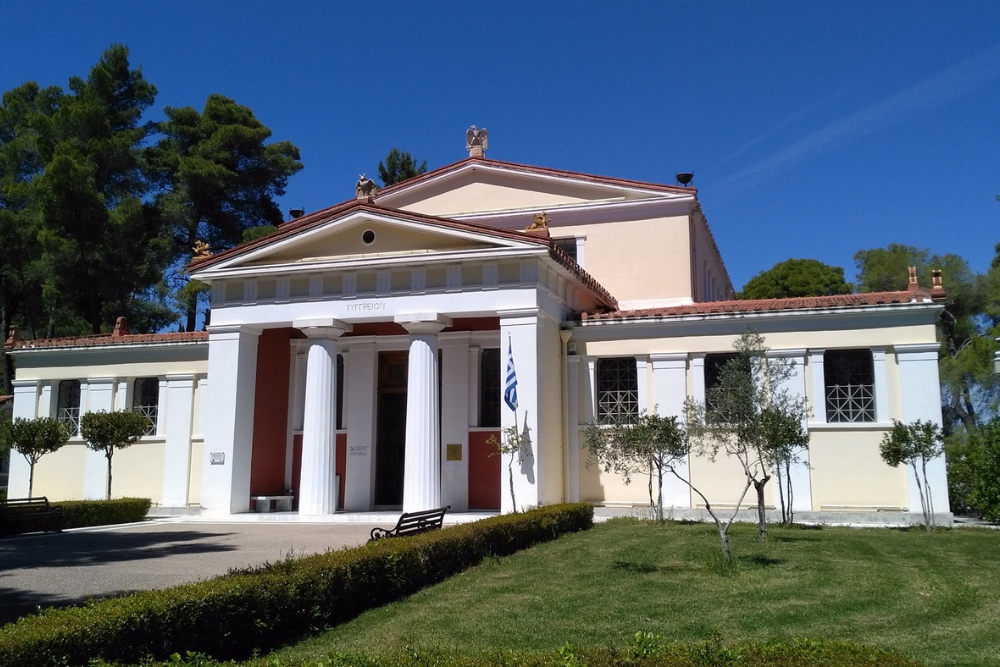
- Learn about the evolution of the games, the athletes, and the significance of sports in ancient Greek culture. It’s an educational and inspiring journey.
- Combine this visit with the Archaeological Museum for a full historical experience.
Adventure in the Alfeios River
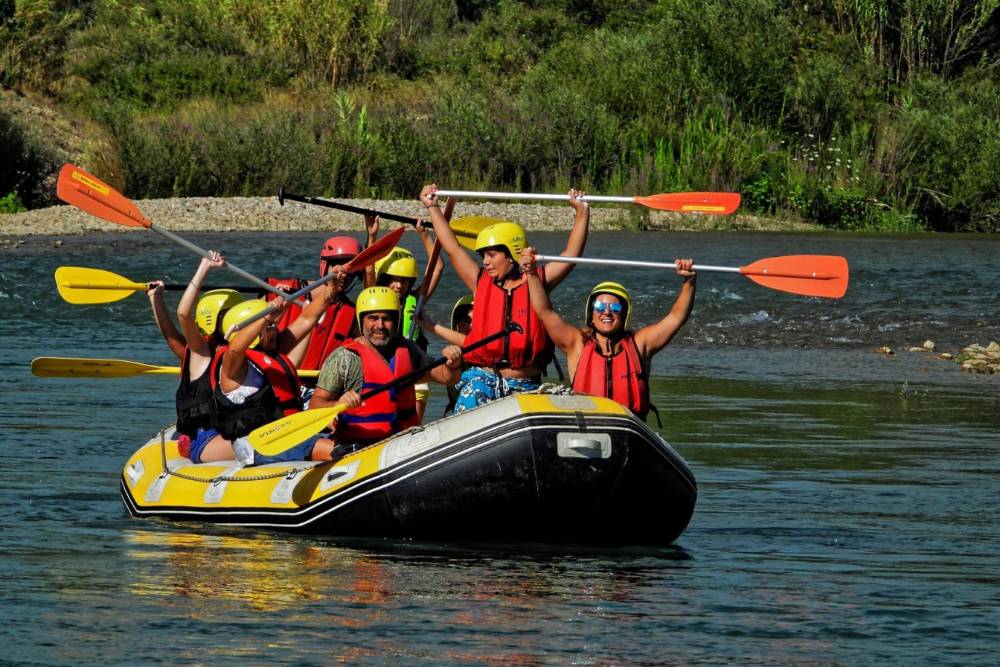
- Embark on kayaking, rafting, or paddleboarding adventures along the Alfeios River. These activities provide a mix of excitement and breathtaking views of the surrounding countryside.
- Join a guided tour to ensure safety and maximize the experience.
Kronios Hill
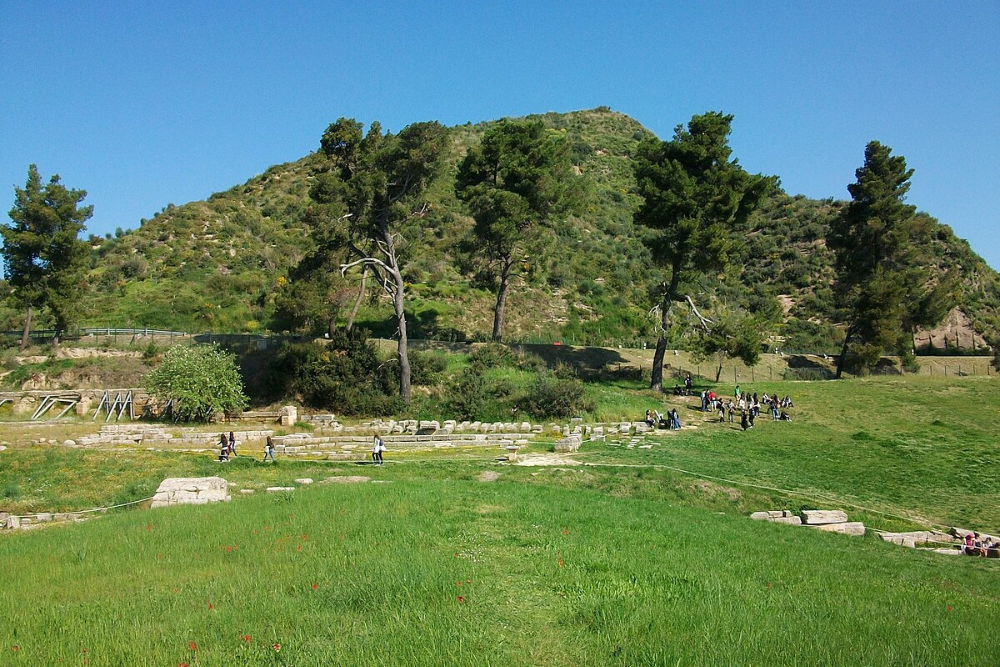
- Hike up this historic hill that overlooks Ancient Olympia. It’s a rewarding experience with views of the ruins, rivers, and lush landscape.
- Wear comfortable shoes and carry water for the hike.
Nemouta Waterfalls
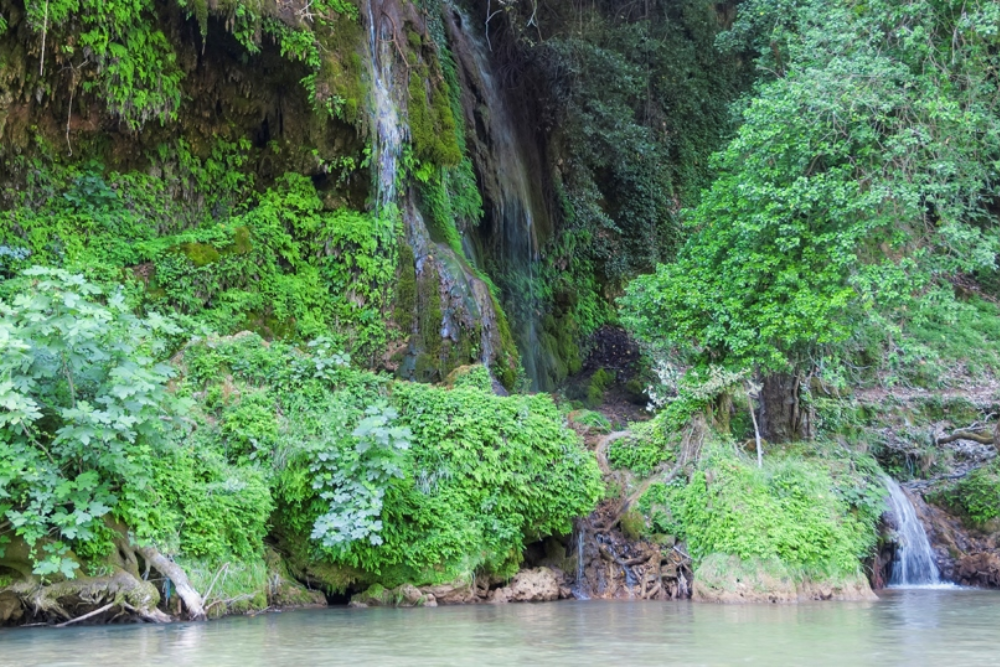
- Explore the lush forest trails leading to these picturesque waterfalls. It’s an ideal spot for hiking, photography, and cooling off in nature.
- Wear sturdy shoes, as the paths can be slippery near the falls.
Dos and Don’ts in Olympia
Dos
- Do Wear Comfortable Shoes: The archaeological site and nearby areas require a lot of walking on uneven terrain, so sturdy footwear is essential.
- Do Visit Early Morning or Late Afternoon: To avoid crowds and the midday heat, plan your visits to the archaeological site and museums during these cooler hours.
- Do Explore Both Museums: The Archaeological Museum and the Museum of the History of the Olympic Games complement each other and provide a comprehensive understanding of Olympia’s significance.
Don’ts
- Don’t Touch or Damage Artifacts: Many artifacts are fragile and irreplaceable; avoid touching or handling them.
- Don’t Wear Inappropriate Clothing: While casual attire is acceptable, modest clothing is recommended for visiting religious or historical sites.
- Don’t Litter: Keep the archaeological site and natural surroundings clean by disposing of trash properly.
Best Time to Visit Olympia
The best time to visit Olympia is during the spring (April to June) and autumn (September to October) when the weather is mild, and the crowds are fewer. Here’s a breakdown of each season to help you plan:
Spring (April to June)
- The countryside blooms with vibrant flowers, and the weather is pleasantly warm, making it ideal for exploring archaeological sites and hiking.
- Perfect for outdoor activities like walking tours, nature hikes, and visiting nearby waterfalls.
Summer (July to August)
- This is the peak tourist season, with long sunny days perfect for enjoying Olympia’s natural beauty and historical sites.
- Expect larger crowds and higher accommodation prices.
Autumn (September to October)
- The weather remains warm, but the summer crowds have diminished. The autumn foliage adds charm to the surrounding landscapes.
- Great for visiting museums and exploring the archaeological site in a relaxed atmosphere.
Winter (November to March)
- If you prefer solitude, this is the off-season with very few tourists. Winter offers a quiet and serene experience.
- Some outdoor activities and small businesses may be limited or closed during this time.