


Introduction
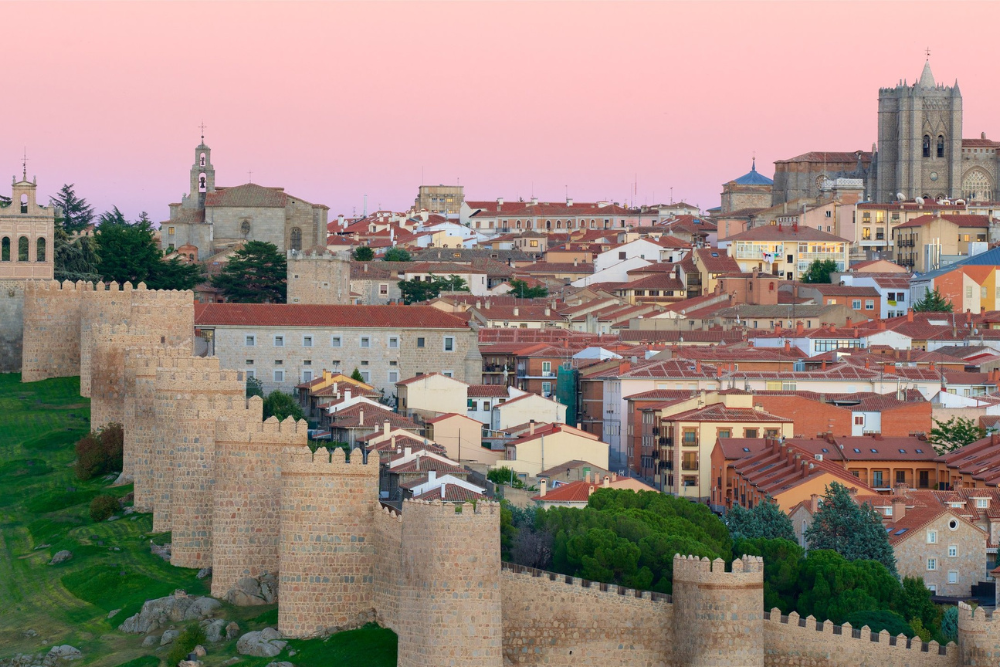
Avila is a notable city in focal Spain, known for surprisingly very much saved middle age walls encompass the old town. Assigned as an UNESCO World Legacy Site, Avila flaunts a noteworthy Romanesque and Gothic design, with its gigantic stone walls including 88 pinnacles and nine doors. The city is likewise renowned for its strict importance, being the origination of Holy person Teresa of Avila, a conspicuous figure in Catholic otherworldliness. Guests to Avila can investigate its beguiling cobblestone roads, visit the dazzling Church building of Avila, and appreciate clearing perspectives on the encompassing fields from the city’s bulwarks.
The Walls of Avila (Murallas de Avila)
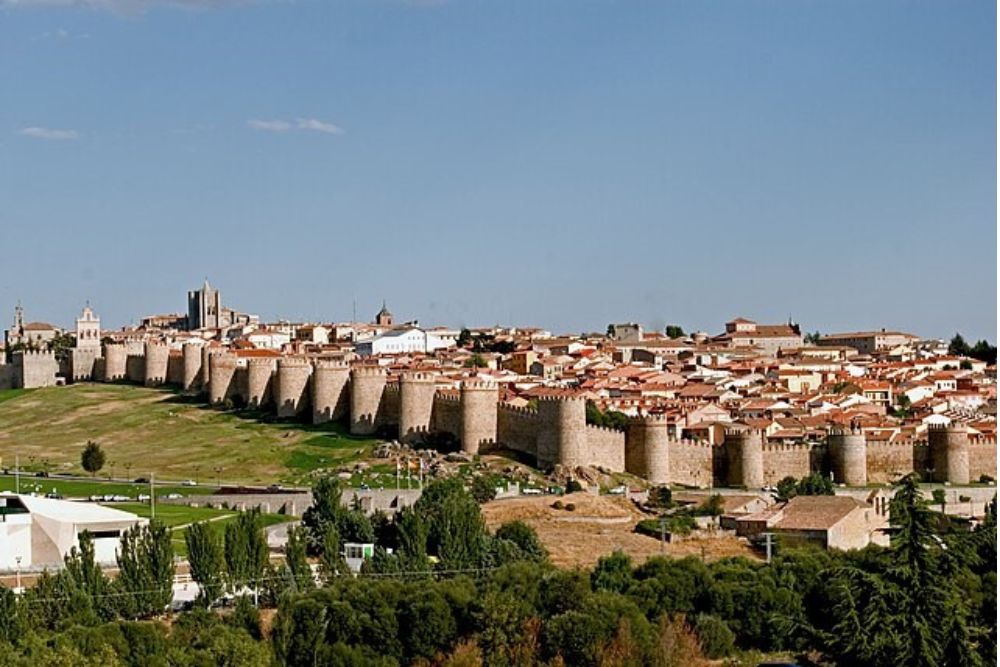
- These are the most popular milestone of the city, an almost flawless middle age stronghold that stretches over 2.5 kilometres. Guests can stroll along the walls and appreciate all-encompassing perspectives on the city and encompassing open country.
Avila Cathedral
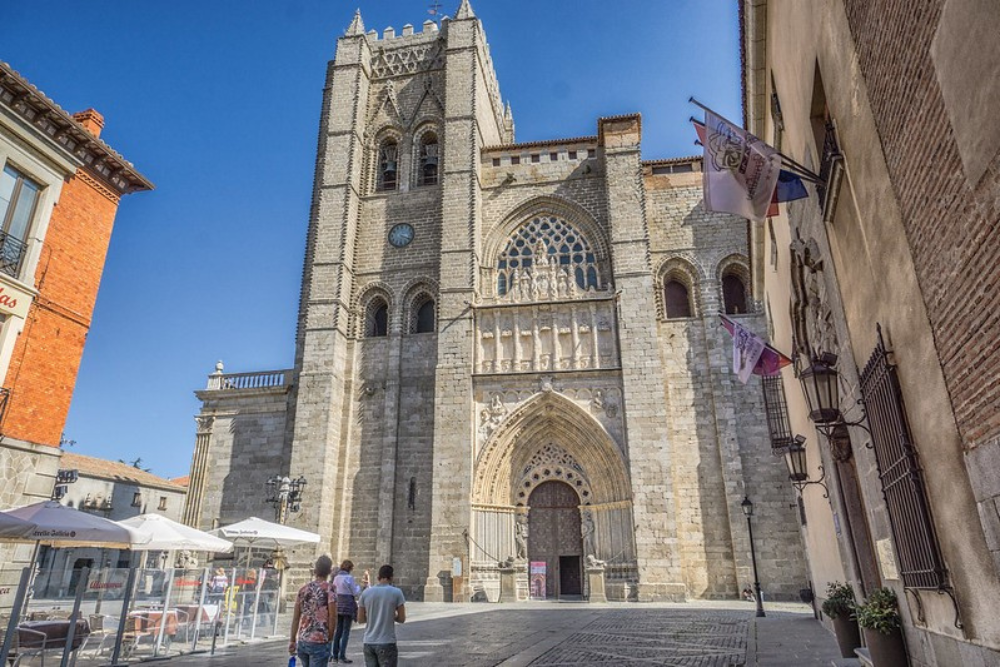
- This dazzling Gothic church building, coordinated into the city’s walls, is quite possibly of the most seasoned Gothic house of prayer in Spain. The church building highlights great pinnacles, noteworthy stained glass, and a captivating inside, mixing Gothic and Romanesque styles.
Convent of Saint Teresa (Convento de Santa Teresa)
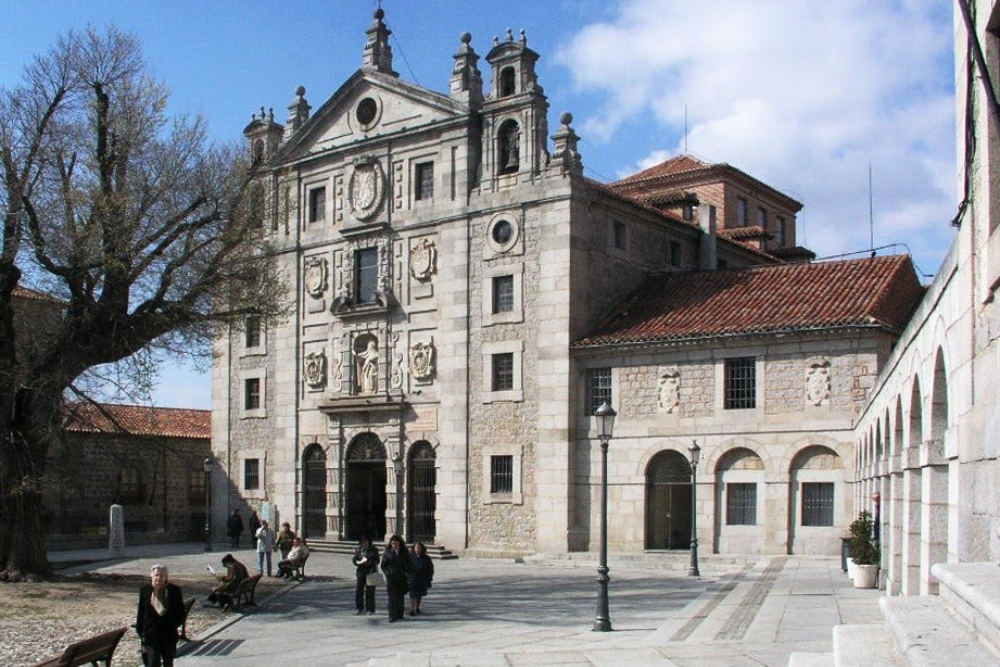
- Committed to Holy person Teresa of Avila, this community is based on the site of her origination. The religious circle is both a position of journey and a historical centre exhibiting the life and tradition of Holy person Teresa.
Basilica of San Vicente
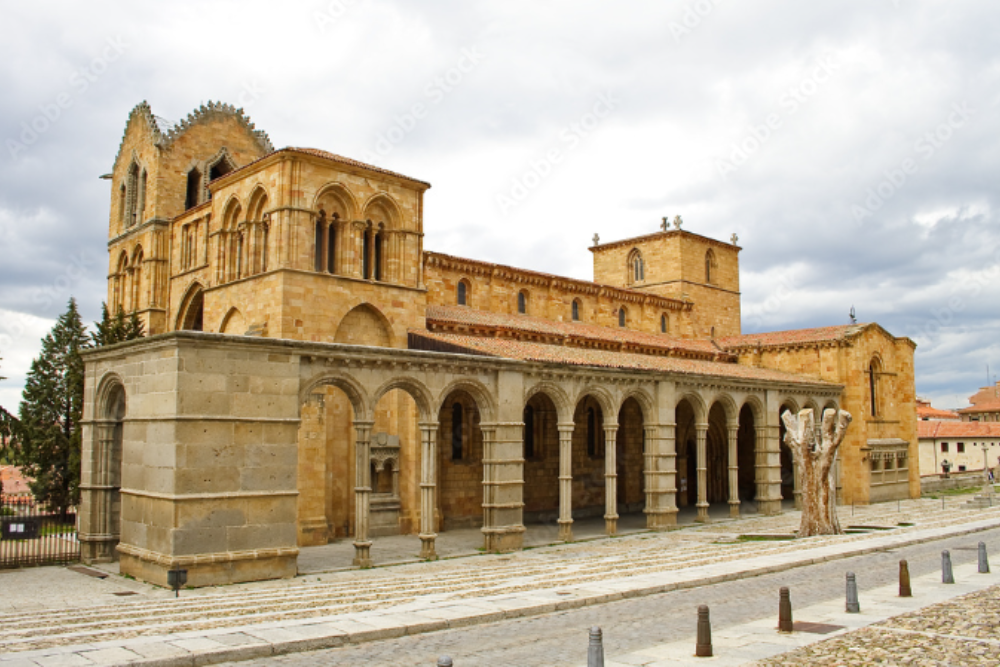
- A Romanesque jewel found right external the city walls, the Basilica of San Vicente is prestigious for its lavishly enriched inside, etched special stepped areas, and a multifaceted shelter. It’s quite possibly of Avila’s most significant strict structure.
Plaza Mayor (Plaza del Mercado Chico)
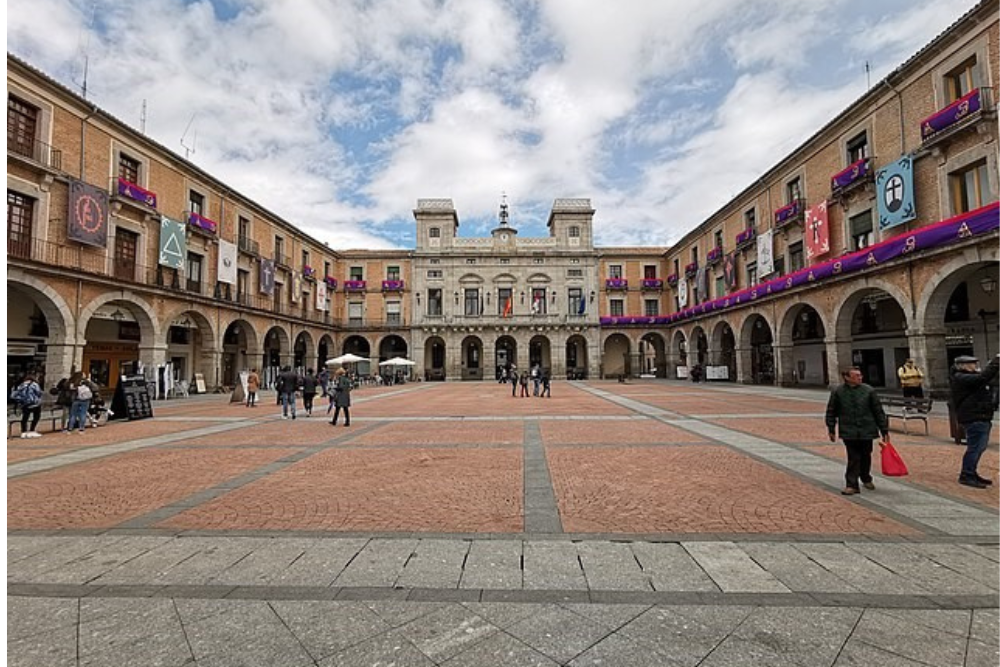
- The focal square of Avila is a vivacious gathering spot encompassed by noteworthy structures. Guests can unwind at one of the numerous bistros and eateries, partaking in the nearby environment.
Los Cuatro Postes
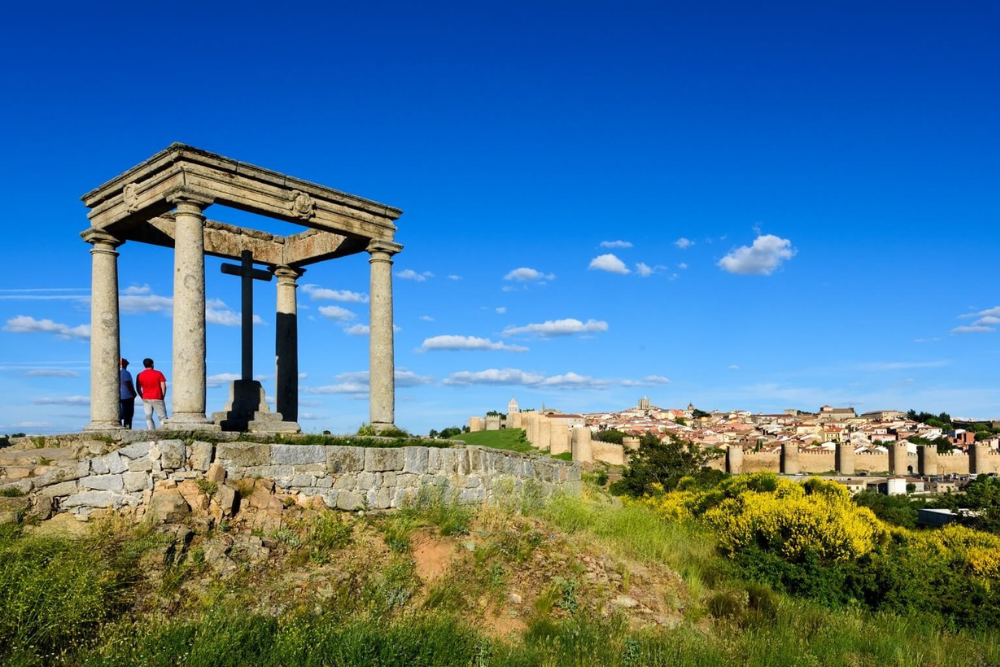
- This perspective, found right external the city walls, offers a terrific all-encompassing perspective on Avila and its middle age walls, particularly at nightfall. It’s a most loved spot for picture takers and tourists.
Palacio de los Davila
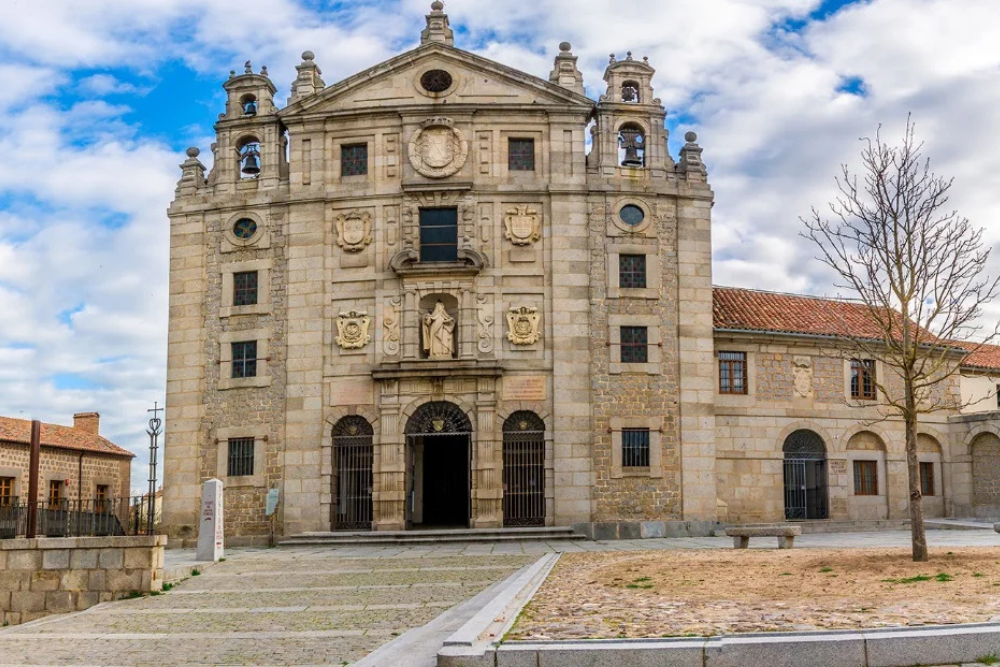
- A very much safeguarded middle age royal residence that epitomizes Avila’s respectable past. The castle grandstands exemplary Castilian engineering and is an unquestionable necessity for those inspired by the locale’s refined history.
Hiking and Trekking
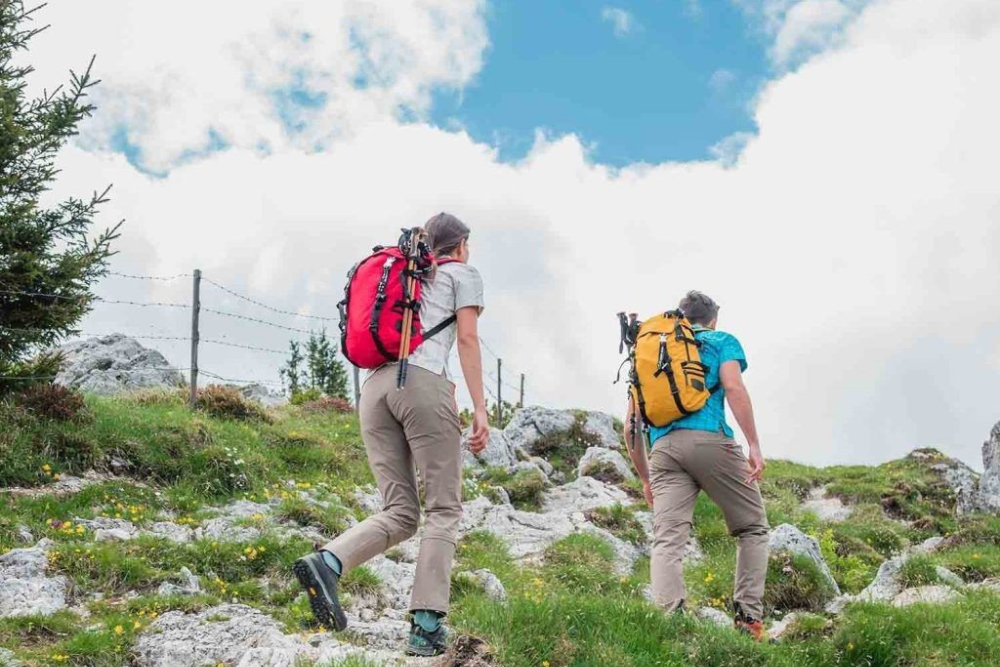
- Sierra de Gredos: Located near Avila, this mountain range is a haven for hikers and nature lovers. The area offers numerous trails, including routes that lead to the peak of Almanzor, the highest point in the Central System of Spain, providing stunning views and a challenging hike.
- Ruta de los Molinos: This is a scenic hiking route near Avila that follows the course of the Adaja River, passing by ancient water mills and offering great views of the natural landscape.
Cycling
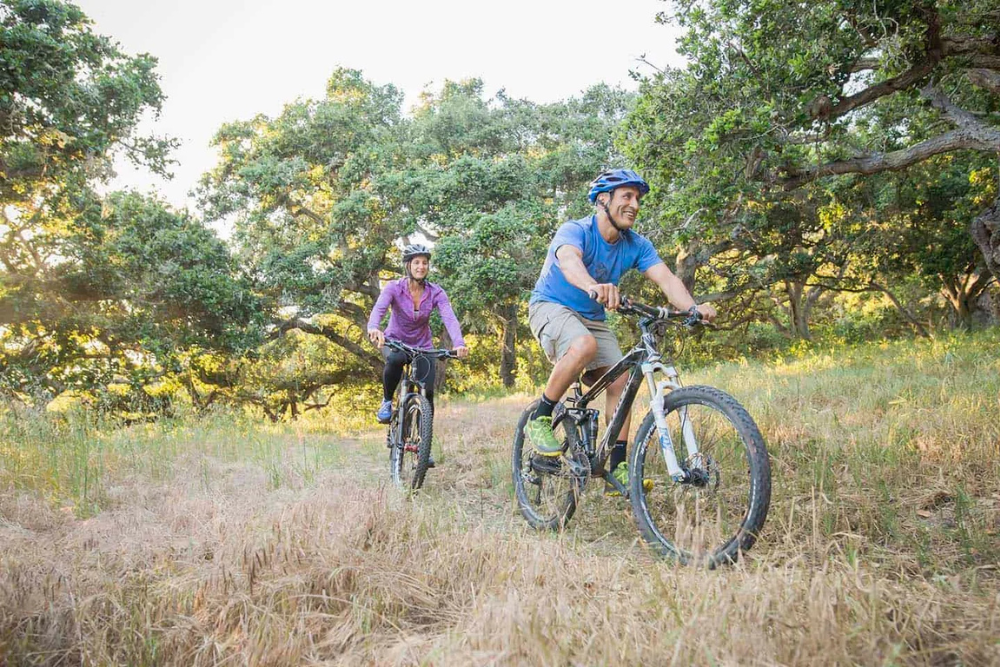
- For cycling enthusiasts, the Sierra de Avila offers rugged terrain and scenic trails. The routes vary in difficulty, from easier paths through rural villages to more challenging off-road trails in the mountains.
Rock Climbing
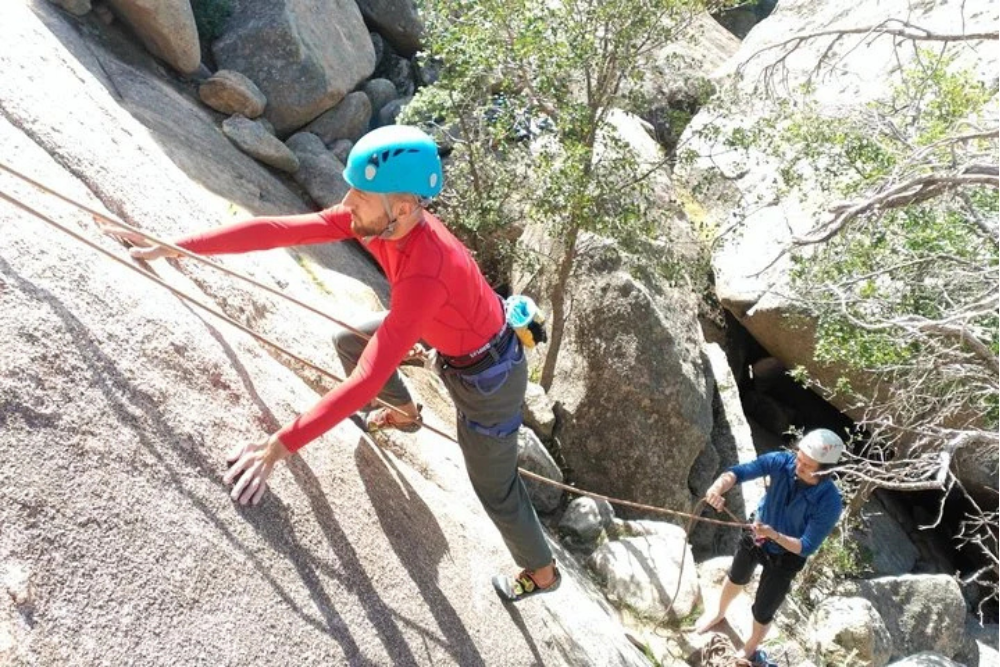
- Climbing in Sierra de Gredos: The granite walls of Sierra de Gredos make it a popular spot for rock climbers. The area provides routes for all levels, from beginner-friendly to advanced climbs, set against a backdrop of beautiful mountain scenery.
Paragliding
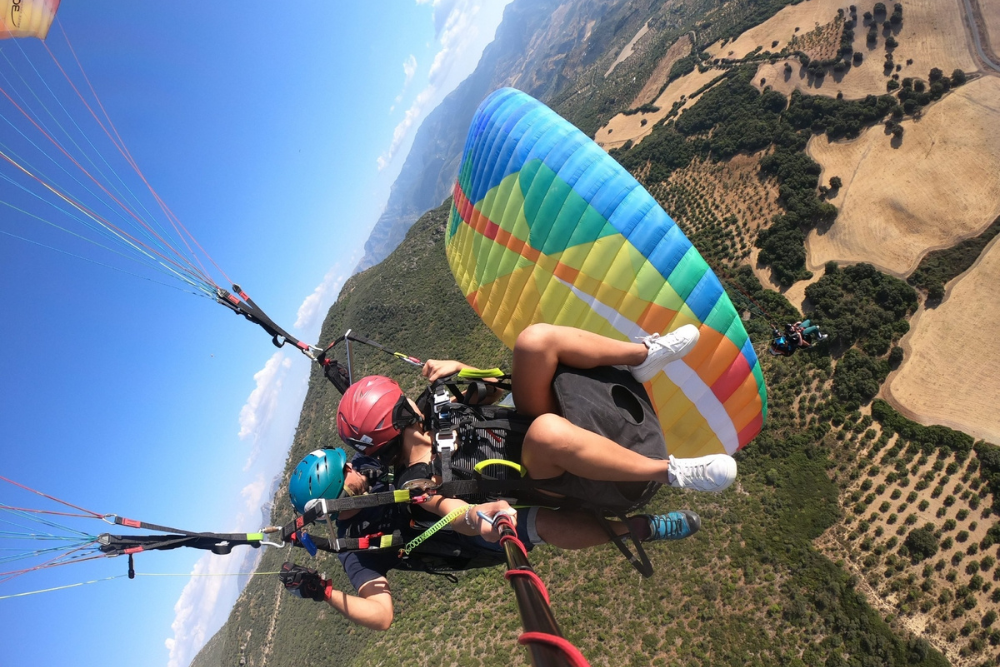
- Paragliding in Piedrahita: Just an hour from Avila, Piedrahita is a top destination for paragliding in Spain. The area’s thermals and winds are perfect for both beginner and experienced paragliders, offering a bird’s-eye view of the mountains and valleys.
Horseback Riding
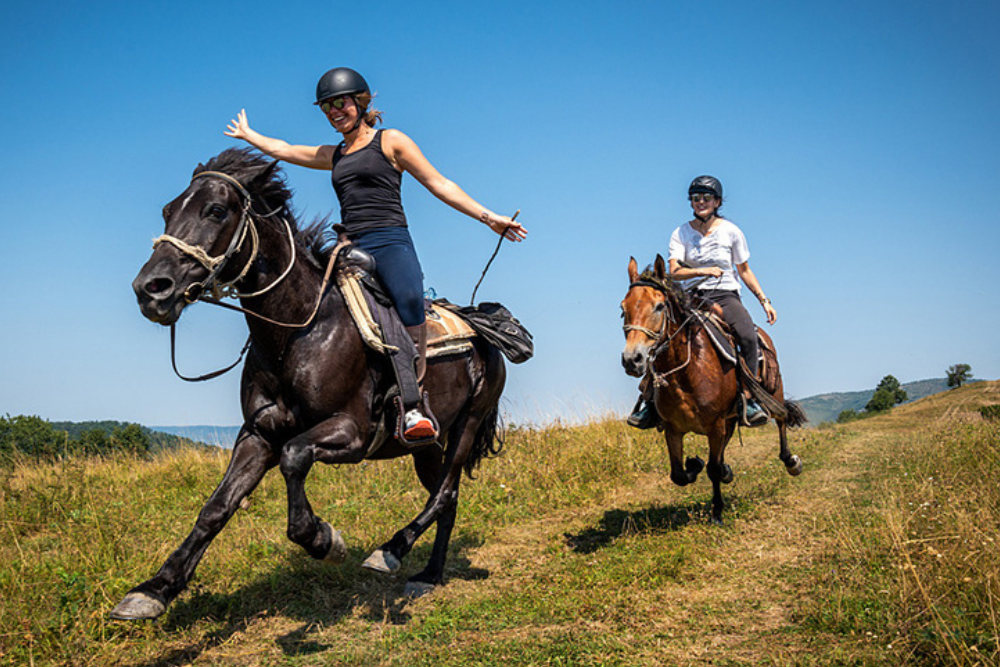
- Rides through Avila’s Countryside: Explore the stunning landscapes surrounding Avila on horseback. Horseback riding tours are available and take you through scenic routes around the city, along ancient paths, and through forests and valleys.
Canoeing and Kayaking
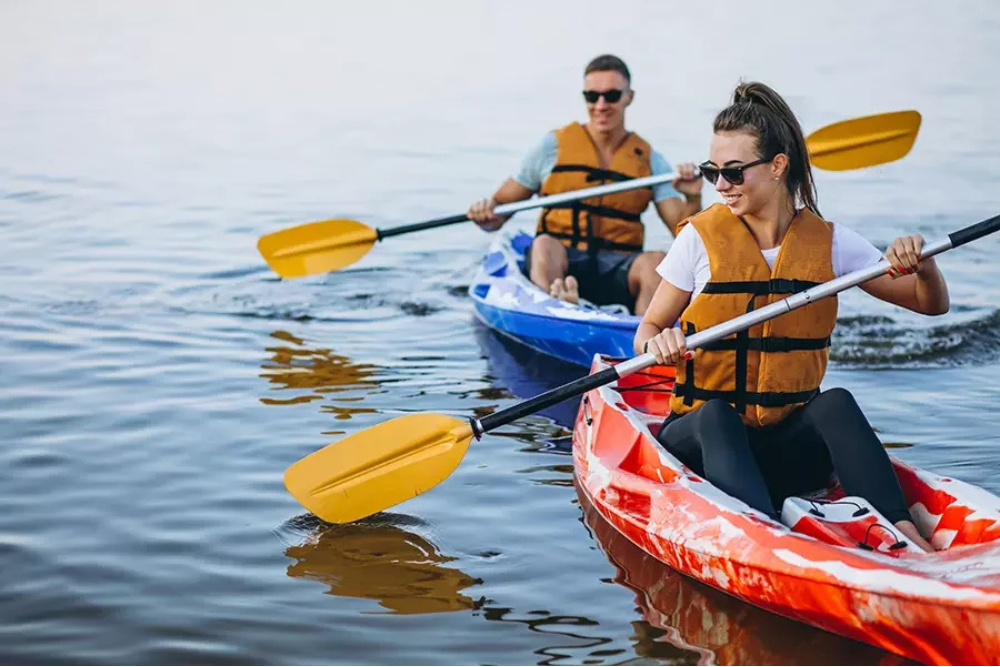
- Adaja River: The Adaja River offers peaceful canoeing and kayaking opportunities, perfect for those who want to enjoy nature while paddling along the river, taking in views of Avila’s medieval walls from a unique perspective.
Dos and Don’ts Avila
While visiting Avila, it’s useful to be aware of the neighbourhood customs, authentic importance, and the conservation of its social legacy. Here are a few rules and regulations to remember:
Dos:
- Do Regard Authentic Destinations: Avila’s middle age walls, church buildings, and communities are essential for its rich history. Approach them with deference, observing rules and remaining inside allowed regions.
- Do Walk the City Walls: One of the features of Avila is strolling along its middle age walls (Murallas de Avila). It offers awesome perspectives on the city and encompassing scenes. Wear agreeable shoes for the trip and the stroll along the walls.
- Do Visit Strict Locales Consciously: Avila is known for its profound strict roots, especially with Holy person Teresa. While visiting the House of prayer, Community of Holy person Teresa, or other strict structures, dress unassumingly and keep a conscious disposition.
Don’ts:
- Don’t Touch or Jump on Verifiable Designs: The middle age walls, landmarks, and temples are sensitive and secured. Jumping on them or contacting delicate regions can cause harm and is totally disallowed.
- Don’t Take Photographs Where Not Allowed: Numerous strict and authentic destinations, particularly inside places of worship and religious communities, may limit photography. Search for signs demonstrating whether photography is permitted, and consistently ask if all else fails.
- Don’t Litter: Avila is an UNESCO World Legacy Site, and its notable place is kept extremely perfect. Discard junk in assigned receptacles and assist with keeping up with the magnificence of the city.
Best time to reach in Avila
The best chance to visit Avila relies upon what sort of involvement you are searching for, however for the most part, the ideal times are in spring (April to June) and pre-winter (September to October). Here is a breakdown of the seasons:
Spring (April to June):
- Spring offers charming climate, with sprouting blossoms and plant life encompassing the city. Temperatures are gentle, making it ideal for strolling along Avila’s archaic walls, investigating the city’s memorable locales, and taking nature climbs in the close by Sierra de Gredos.
- The city has Easter festivals, which are well established in strict practice, offering extraordinary social encounters with parades and strict functions.
Pre-winter (September to October):
- Like spring, pre-winter brings cooler temperatures and vivid fall foliage. This is an extraordinary chance to investigate both the city and the encompassing open country, including the Sierra de Avila.
- October denotes the Holidays de St Nick Teresa, an energetic festival respecting Avila’s supporter holy person, Holy person Teresa of Avila. This celebration incorporates strict occasions, shows, marches, and other social exercises, offering a vivid involvement with neighborhood customs.
Summer (July to August):
- Summer brings the hottest climate, with temperatures in some cases coming to over 30°C (86°F). It’s great for appreciating outside exercises like climbing or paragliding in neighboring regions, however it very well may be very hot in the actual city.
- This is the most active vacationer season, particularly in July and August, so expect bigger groups and higher convenience costs.
Winter (November to Spring):
- Avila is known for its virus winters, with temperatures frequently dipping under freezing. Notwithstanding, the snow-covered walls and scenes can be pleasant. This is a calmer time with less sightseers, making it a tranquil opportunity to investigate the city’s strict locales.
- December is a merry time with Christmas markets and festivities, offering a comfortable occasion environment.