


Introduction
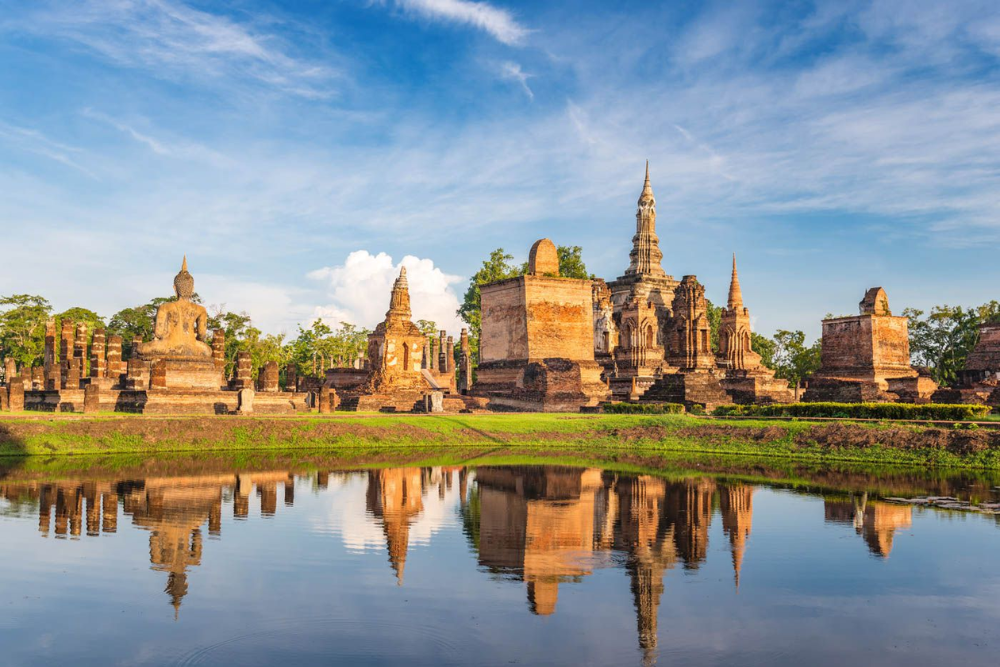
Sukhothai, the main capital of Thailand, is a city wealthy in history and culture, famous for its very much safeguarded ruins from the Sukhothai Realm (1238-1438). An UNESCO World Legacy Site, Sukhothai Verifiable Park highlights staggering sanctuaries and Buddha sculptures that grandstand the one of a kind building style of the period. The most notorious destinations incorporate Wat Mahathat, known for its enormous situated Buddha, and Wat Si Pal, renowned for its huge Phra Achana sculpture. Guests can investigate the recreation area by bike, taking in the tranquil scenes and authentic meaning of the area. Past the sanctuaries, Sukhothai offers dynamic neighborhood markets and normal attractions like the Phra Ruang Natural aquifers, making it an ideal objective for those hoping to drench themselves in Thailand’s social legacy.
Sukhothai Historical Park
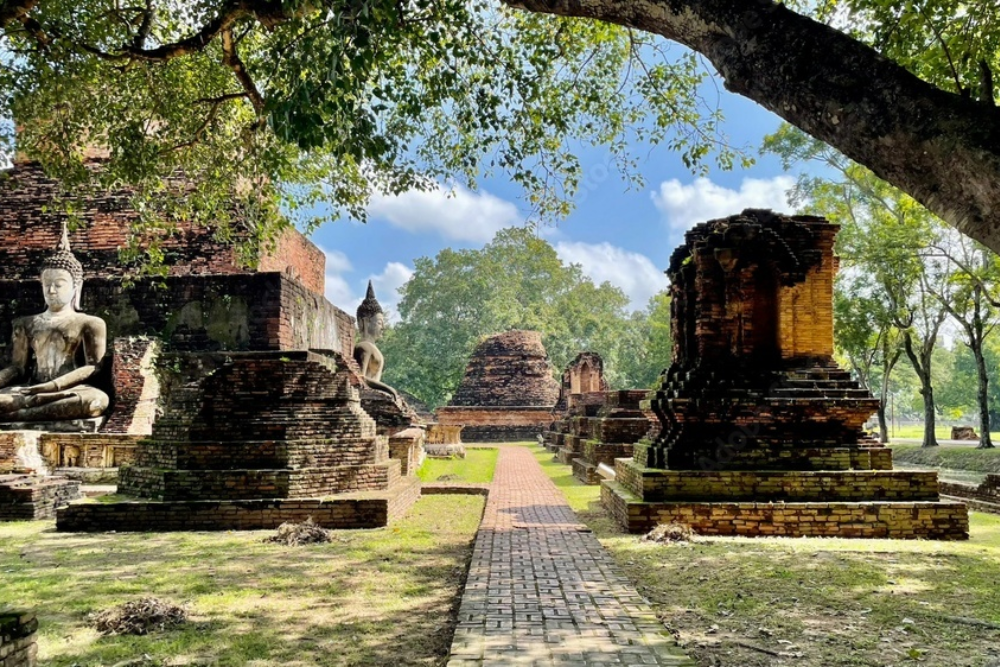
- Begin your exploration at the heart of the city’s ancient ruins. Rent a bicycle to cover more ground and visit the key temples:
Sukhothai National Museum
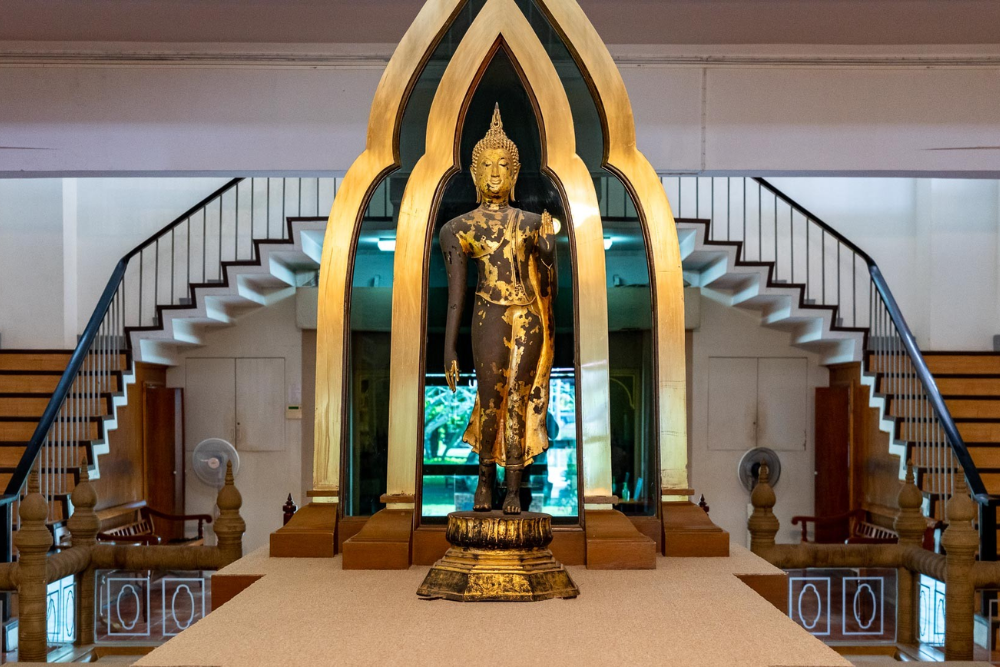
- Located near the historical park, this museum provides a comprehensive overview of Sukhothai’s history and artifacts.
- Ramkhamhaeng National Museum: Focuses on King Ramkhamhaeng and the early Sukhothai period.
Cycling and Walking Tours

- Explore the historical park and surrounding areas at your own pace. Renting a bicycle is a popular way to get around and see the sites.
Wat Mahathat
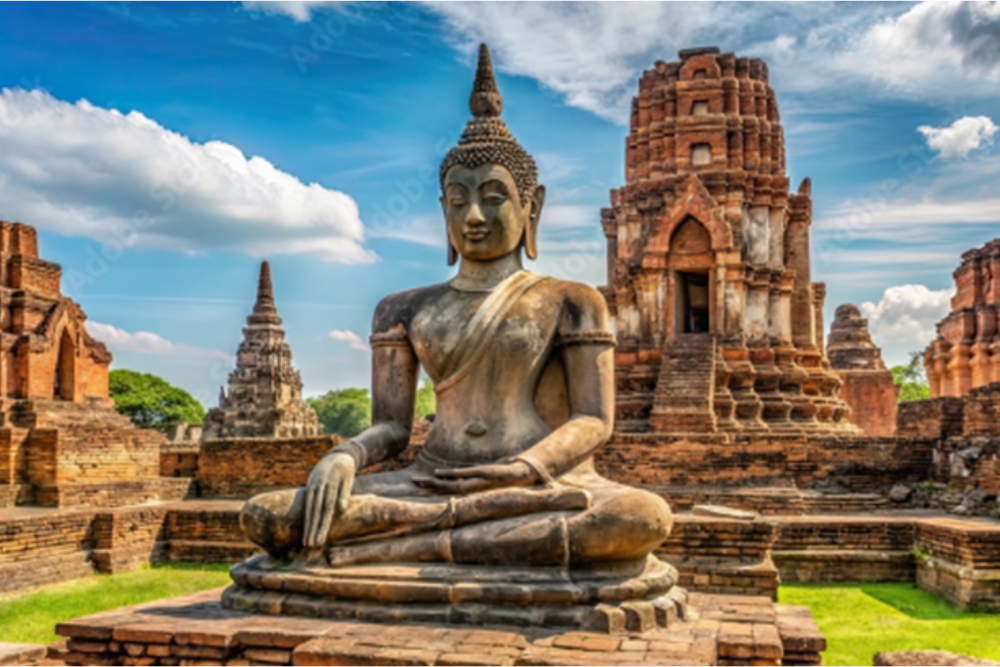
- The most significant temple in Sukhothai, known for its large Buddha image and beautiful lotus-shaped chedi.
Wat Si Chum
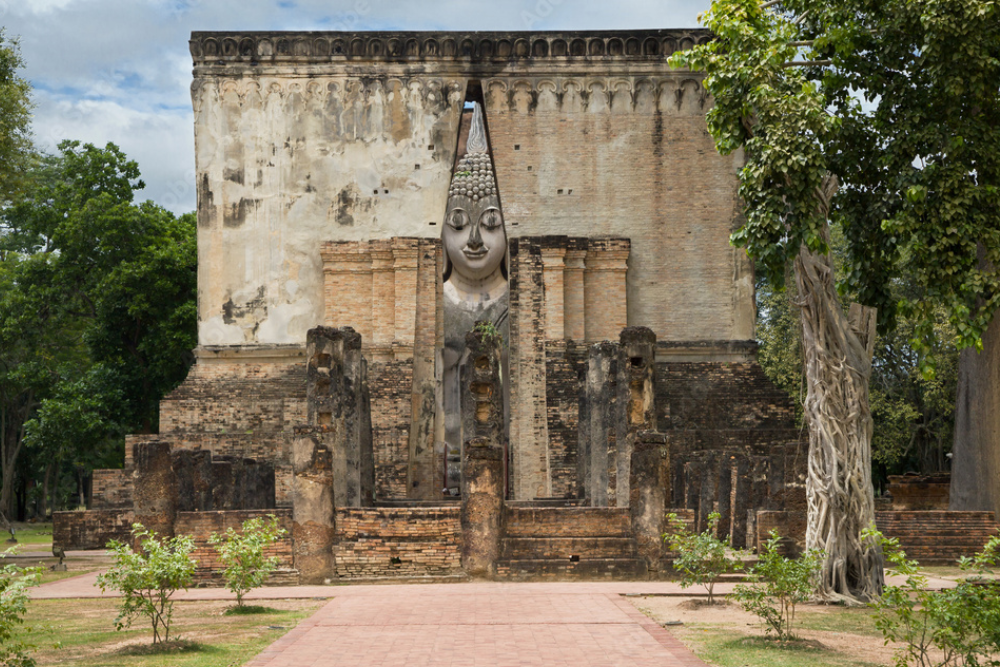
Famous for its giant seated Buddha statue, Phra Achana, this temple is a highlight of the historical park.
Dos and Don’ts in Sukhothai
Here are some dos and don’ts to keep in mind while visiting Sukhothai:
Dos:
- Do Respect Local Customs: Dress modestly when visiting temples. Shoulders and knees should be covered.
- Do Explore Historical Parks: Take your time to visit Sukhothai Historical Park, especially the ruins and the impressive Buddha statues.
- Do Try Local Cuisine: Sample traditional dishes like Sukhothai noodles, which are famous in the region.
Don’ts:
- Don’t Touch Buddha Statues: It’s disrespectful to touch or climb on Buddha images; admire them from a distance.
- Don’t Litter: Keep the environment clean by disposing of waste properly.
- Don’t Take Photos in Prohibited Areas: Pay attention to signs that indicate where photography is not allowed.
Best time to reach in Sukhothai
The best opportunity to visit Sukhothai is from November to February. During these months, the weather conditions is cooler and drier, making it ideal for investigating the verifiable destinations and outside attractions.
- November to February
- Lovely temperatures (around 20-30°C or 68-86°F) and less stickiness. This is additionally the pinnacle traveler season, so anticipate more guests.
- Walk to May
- It gets more blazing, with temperatures climbing above 35°C (95°F). Assuming you visit during this time, plan outside exercises for early morning or late evening.
- June to October
- This is the stormy season, with expanded stickiness and intermittent deluges. While the scene is rich and green, a few attractions may be less open.