


Introduction
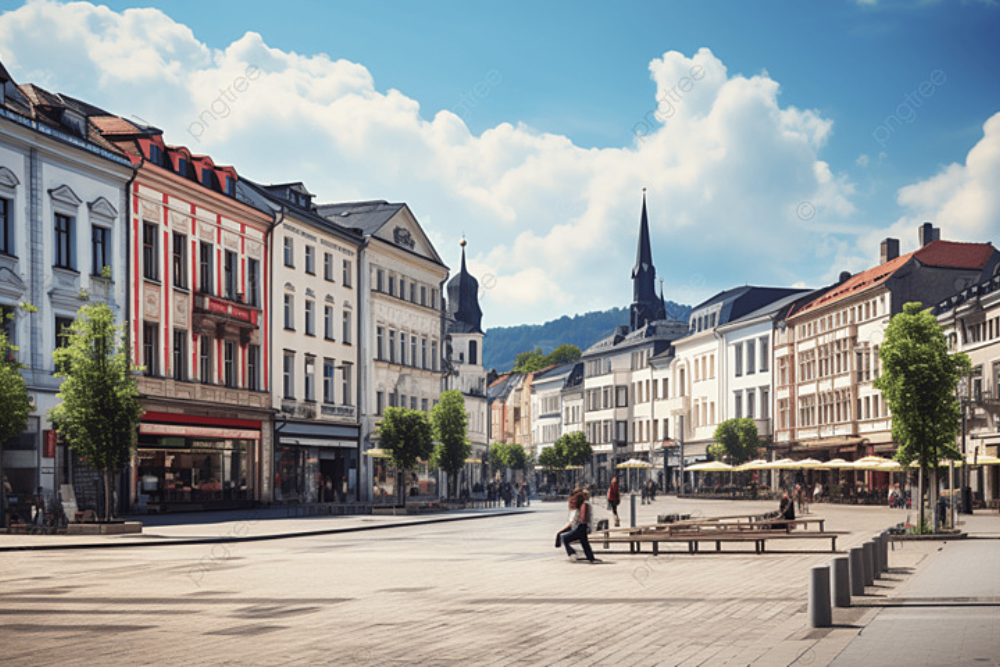
Trier is a noteworthy city in western Germany, close to the line with Luxembourg. Established by the Romans around 16 BC, it is in many cases thought about Germany’s most seasoned city. Trier is famous for its very much protected Roman landmarks, including the Porta Nigra (a huge Roman city entryway), the Supreme Showers, and the Roman Amphitheater. The city likewise flaunts the Trier Church, a staggering mix of Romanesque and Gothic design. Trier’s rich history, joined with its beautiful area on the banks of the Moselle Stream, makes it a famous location for history fans and explorers.
Trier City Walls and Roman Gate (Porta Nigra)
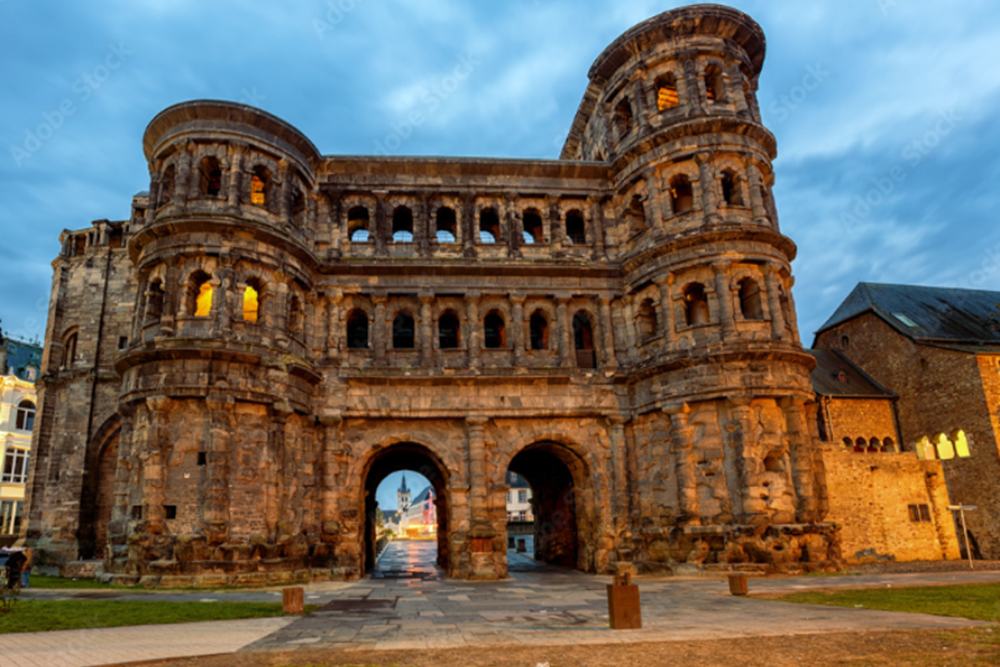
- Investigate the antiquated Roman city walls and climb Porta Nigra, the biggest enduring Roman city door in Germany. The perspectives from the top deal an invigorating encounter.
Hiking in the Moselle Valley
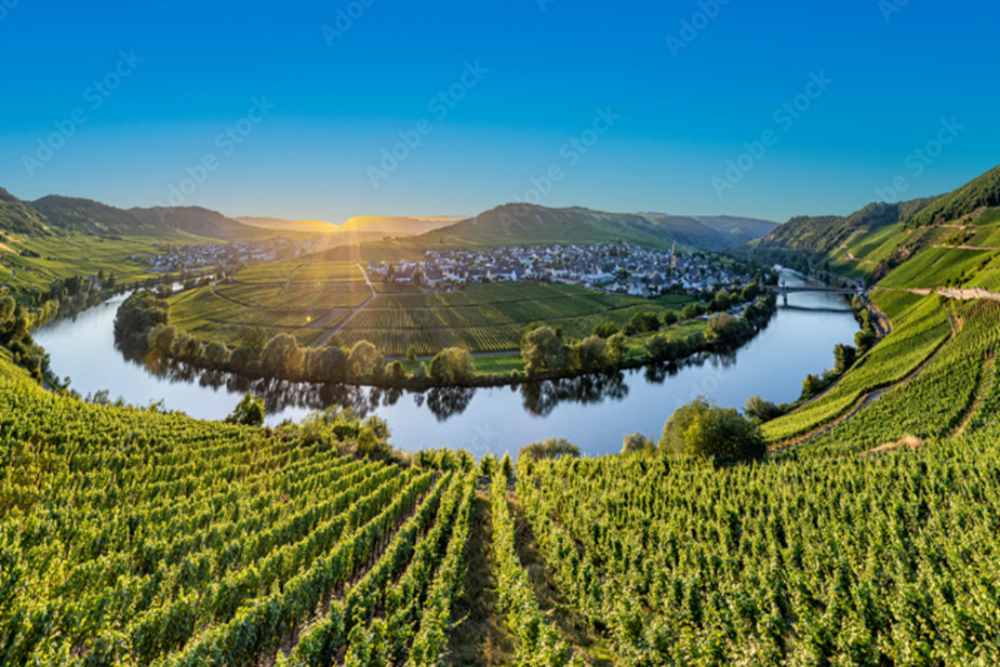
- The picturesque Moselle Valley offers different climbing trails that take you through grape plantations, moving slopes, and archaic towns. The perspectives on the stream and it are stunning to encompass scene.
Biking Along the Moselle River
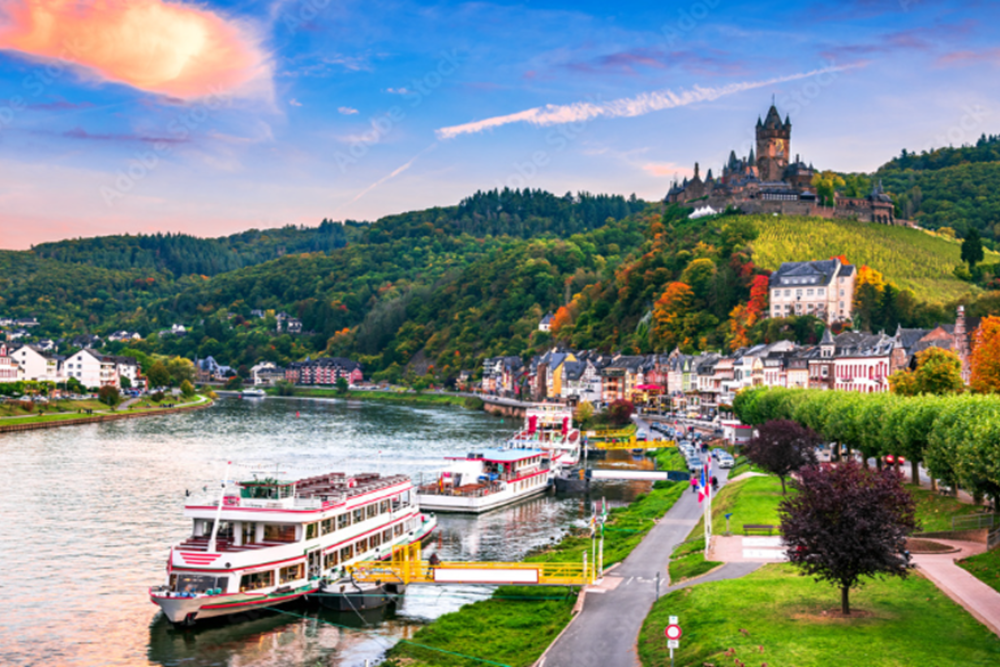
- Lease a bicycle and cycle along the Moselle Waterway. The courses offer a blend of nature and history, going through beautiful towns and grape plantations.
Eifelsteig Hiking Trail
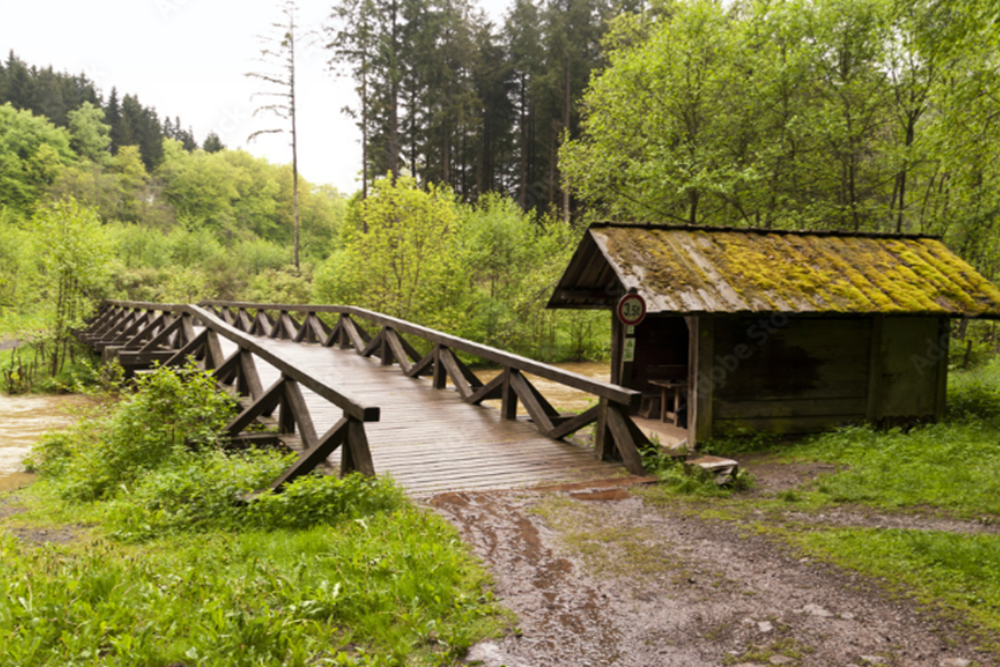
- This significant distance climbing trail goes through the Eifel Mountains and woodlands, giving a moving experience to experienced explorers with dazzling normal view.
Kletterwald Trier (High Rope Course)
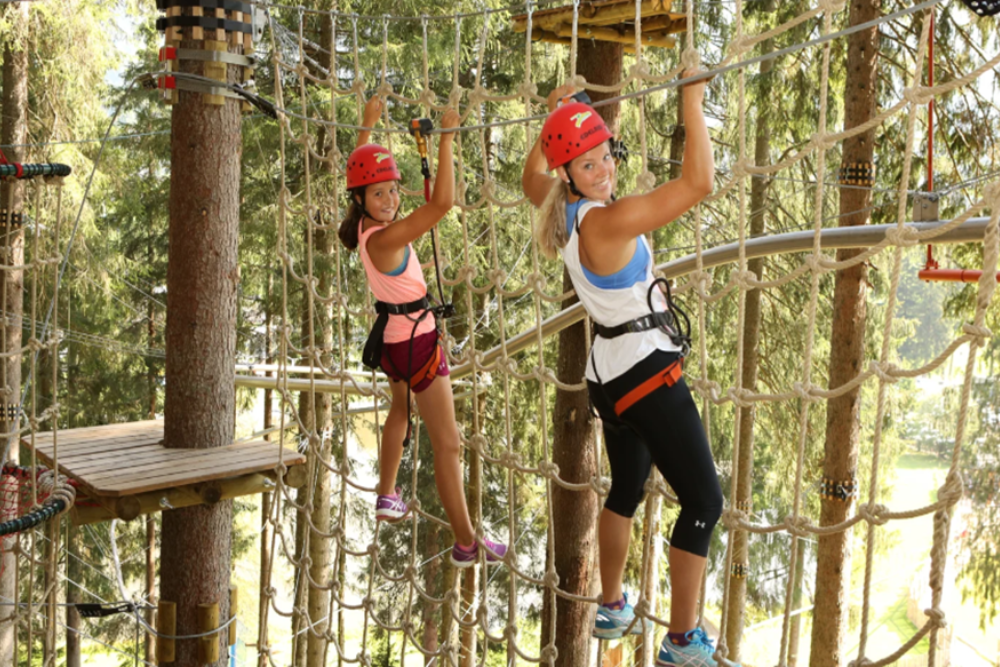
- This exhilarating experience park offers different rope courses, zip lines, and climbing impediments suspended in the trees. It’s ideal for adrenaline searchers.
Canoeing on the Moselle River
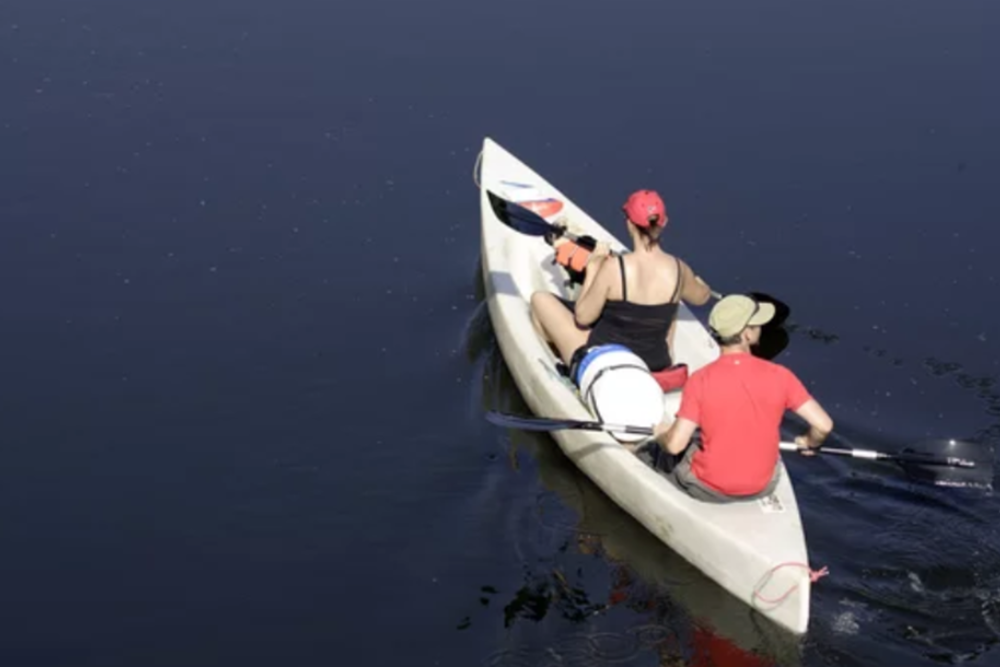
- For water experience sweethearts, paddling on the Moselle Stream is a thrilling method for investigating the locale while partaking in the peacefulness of the water and nature.
Trier Roman Amphitheater
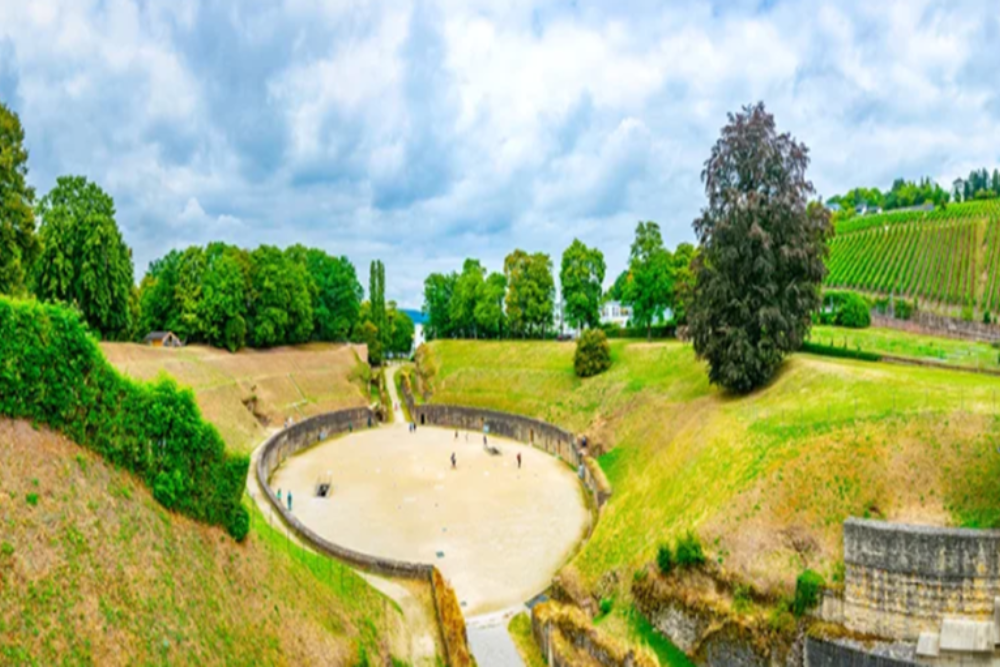
- Investigate the remaining parts of this old Roman amphitheater where warriors once battled. Strolling through the underground passages and envisioning the past is an exhilarating encounter.
Devil’s Canyon (Teufelsschlucht)
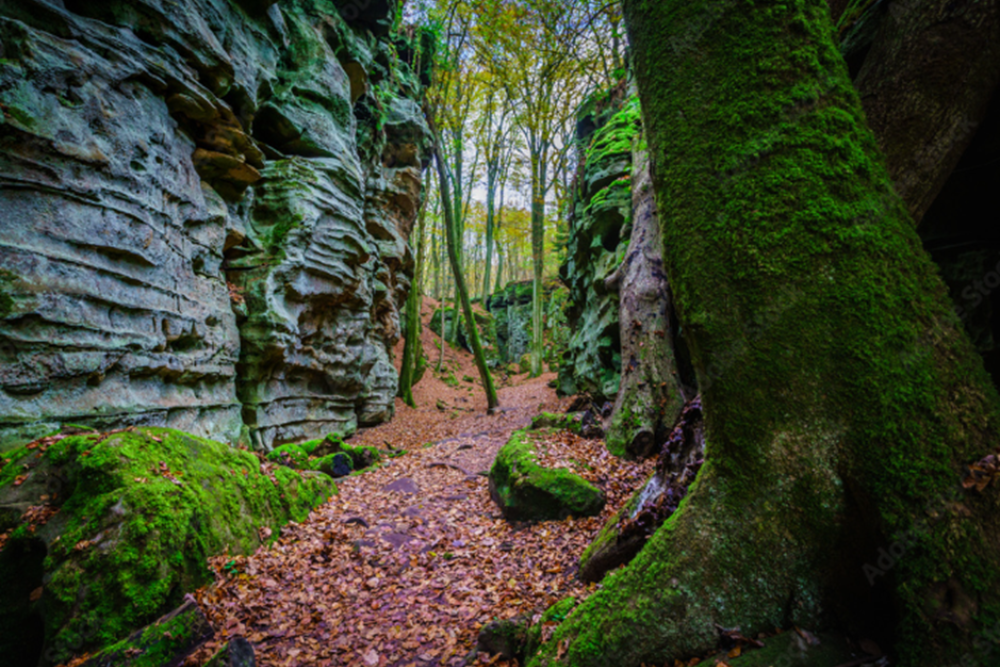
- This tough canyon offers a gutsy climb through thin stone developments, steep bluffs, and lavish woods. The path is testing yet remunerates you with terrific perspectives.
Paragliding in the Moselle Region
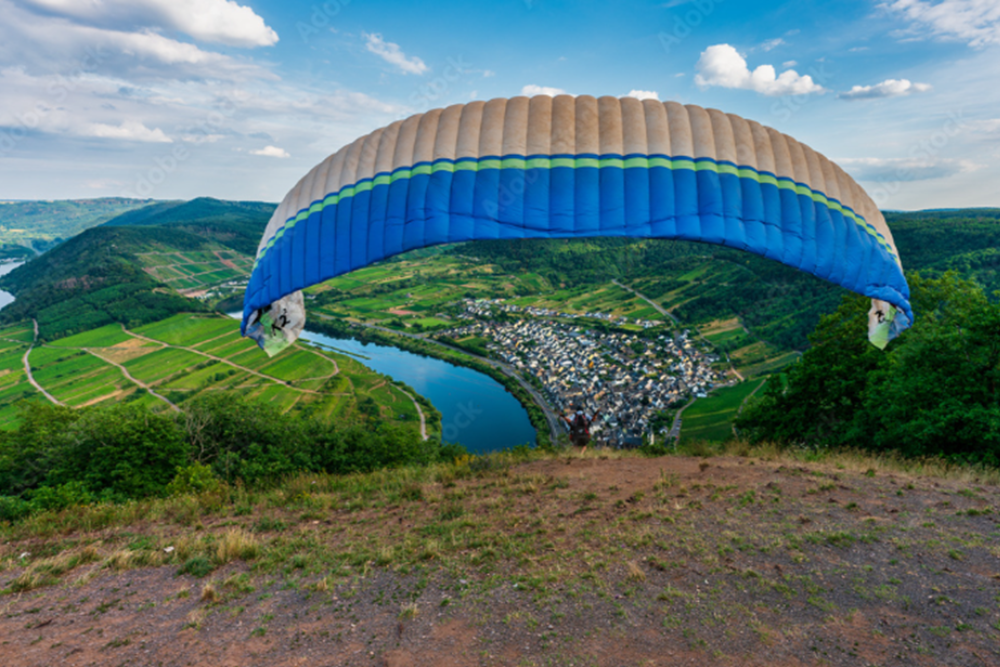
- For a definitive experience, take to the skies with paragliding over the Moselle Valley. The aeronautical perspectives on the grape plantations, waterway, and scenes are remarkable.
Dos and don’ts in Trier
Here are a few critical rules and regulations for visiting Trier to assist you with capitalizing on your outing:
Dos:
- Do investigate the Roman legacy: Visit notorious destinations like Porta Nigra, the Roman Amphitheater, and the Royal Showers. Trier’s Roman history is a significant draw.
- Do visit Trier House of prayer: One of the most established chapels in Germany, it’s an UNESCO World Legacy site and worth investigating for its engineering and verifiable importance.
- Do take a Moselle Waterway voyage: Appreciate grand perspectives on the grape plantations and encompassing wide open along the Moselle Stream.
Don’ts:
- Try not to race through the city: Trier’s attractions merit time to appreciate completely. Plan your visit to give adequate opportunity to investigate every area, particularly the Roman remnants.
- Try not to litter or harm landmarks: Trier is an UNESCO World Legacy site, so treat it with care, and try not to abandon any waste.
- Try not to miss the Karl Marx House: Trier is the origination of Karl Marx. On the off chance that you’re keen on history or reasoning, this exhibition hall offers bits of knowledge into his life and work.
Best Times to Visit Trier:
- Late spring (May to June):
- Gentle temperatures, going from 10°C to 20°C (50°F to 68°F).
- The city’s parks and grape plantations are rich, and it’s an extraordinary time for strolling visits, waterway travels, and getting a charge out of open air bistros.
- Wine celebrations and outside business sectors frequently start in the spring.
- Summer (July to August):
- Warm temperatures, going from 15°C to 25°C (59°F to 77°F).
- Ideal for investigating the Roman remains, taking a Moselle Stream voyage, and going to neighborhood celebrations.
- The Trier Wine Celebration and Altstadtfest (Old Town Celebration) are well known summer occasions.
- It’s additionally top vacationer season, so anticipate bigger groups at famous destinations.
- Late-summer (September to early October):
- Agreeable temperatures, around 10°C to 20°C (50°F to 68°F).
- Less vacationers than summer, yet at the same time charming climate for touring and partaking in the Moselle grape plantations during harvest season.
- Many wine celebrations go on into the late-summer.
Slow time of year Visits:
- Winter (November to February):
- Cold, with temperatures frequently somewhere in the range of 0°C and 8°C (32°F to 46°F).
- Trier’s Christmas Market is well known and adds an enchanted touch to the city in December.
- Numerous open air attractions might be less available or agreeable because of chilly climate.