


Introduction
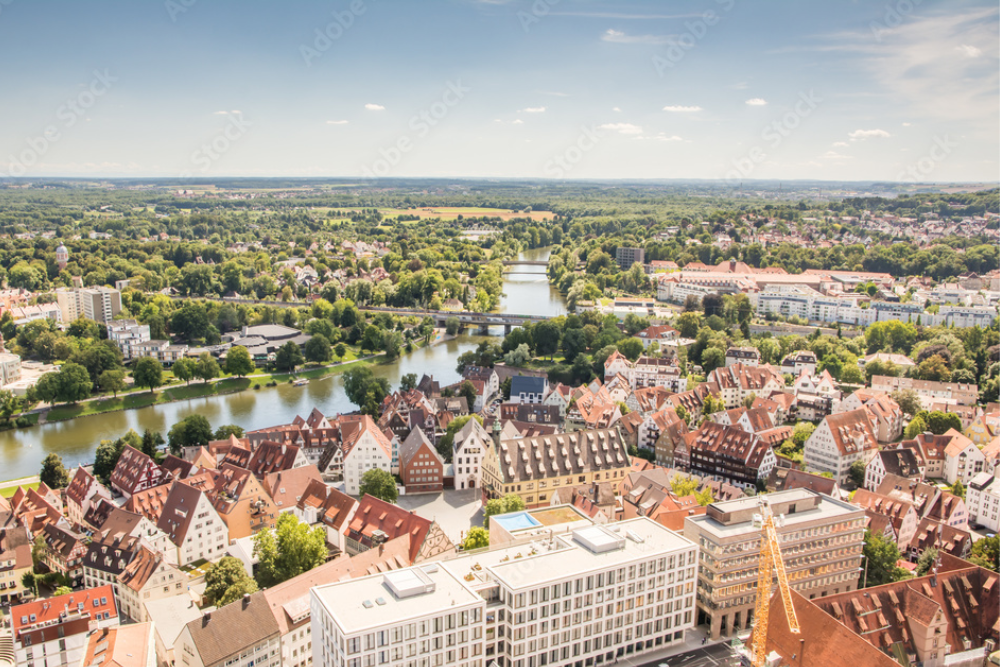
Ulm is a city in Baden-Württemberg, Germany, situated on the Danube River. It is famous for its stunning Gothic architecture, particularly the Ulm Minster, which boasts the tallest church steeple in the world. The city has a rich history dating back to the Middle Ages and was an important center for trade and culture. Ulm is also known as the birthplace of the physicist Albert Einstein. In addition to its historical significance, the city offers vibrant cultural events, a picturesque old town with charming streets and shops, and beautiful natural surroundings, including the nearby Swabian Jura mountains, making it an attractive destination for visitors.
Ulm Minster:
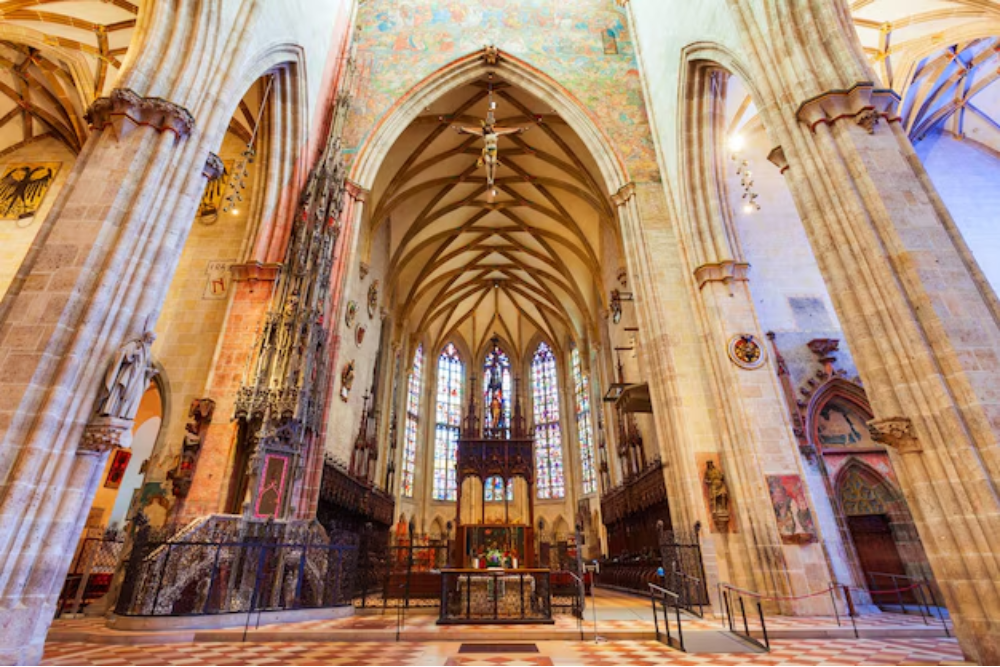
This iconic Gothic cathedral is the tallest in the world, reaching 161.5 meters (530 feet). Visitors can climb the steeple for breathtaking views of the city and the surrounding landscape.
Old Town (Altstadt):
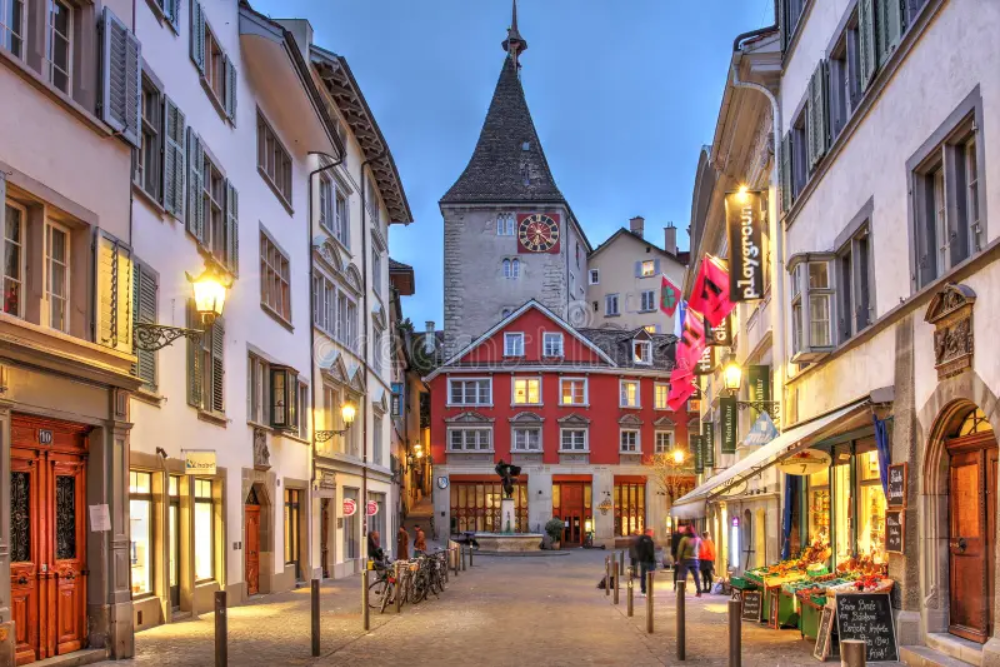
Wander through the picturesque streets of Ulm’s old town, where you’ll find charming half-timbered houses, quaint shops, and cafes. Notable sites include the Town Hall (Rathaus) with its beautiful frescoes.
Fishermen’s Quarter (Fischerviertel):
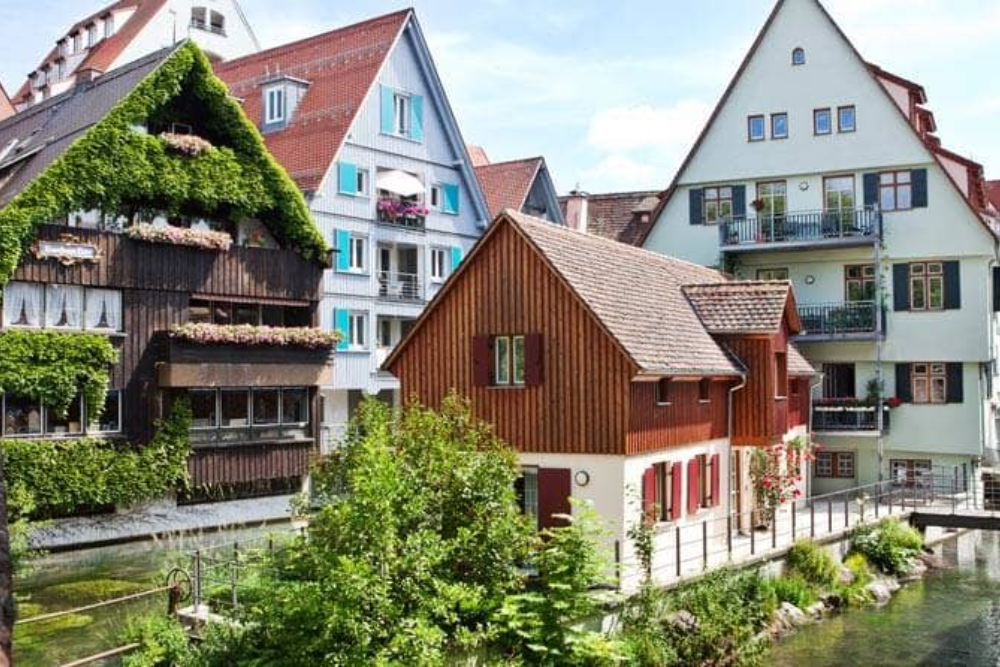
This historic district features narrow canals and traditional houses, providing a lovely setting for a stroll and great photo opportunities.
Ulm Museum:
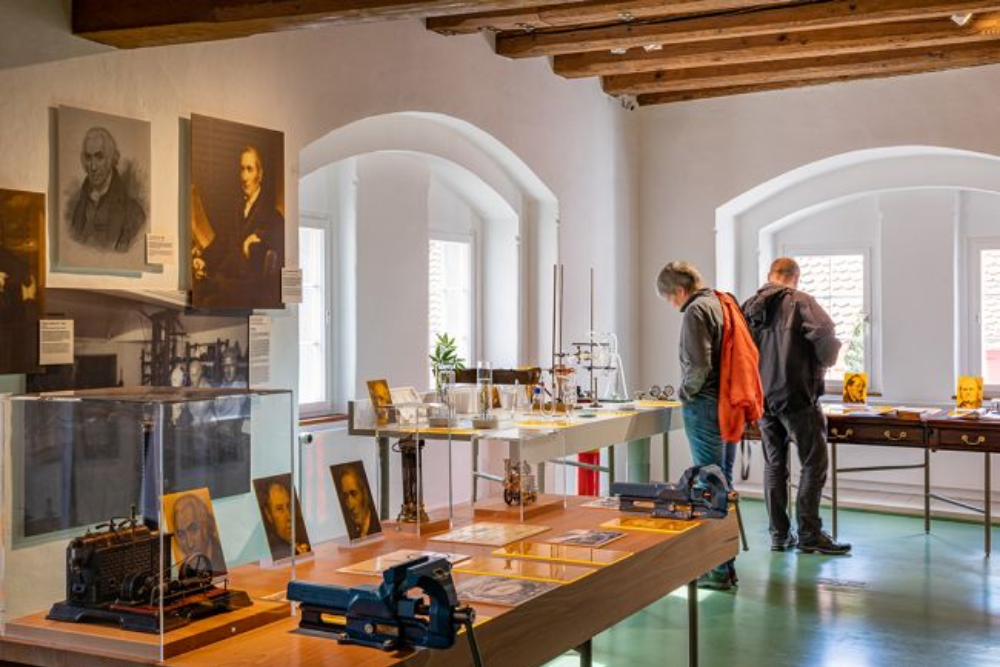
- Explore exhibitions that highlight the city’s history, art, and culture, including pieces from the medieval period and contemporary works.
Danube River:
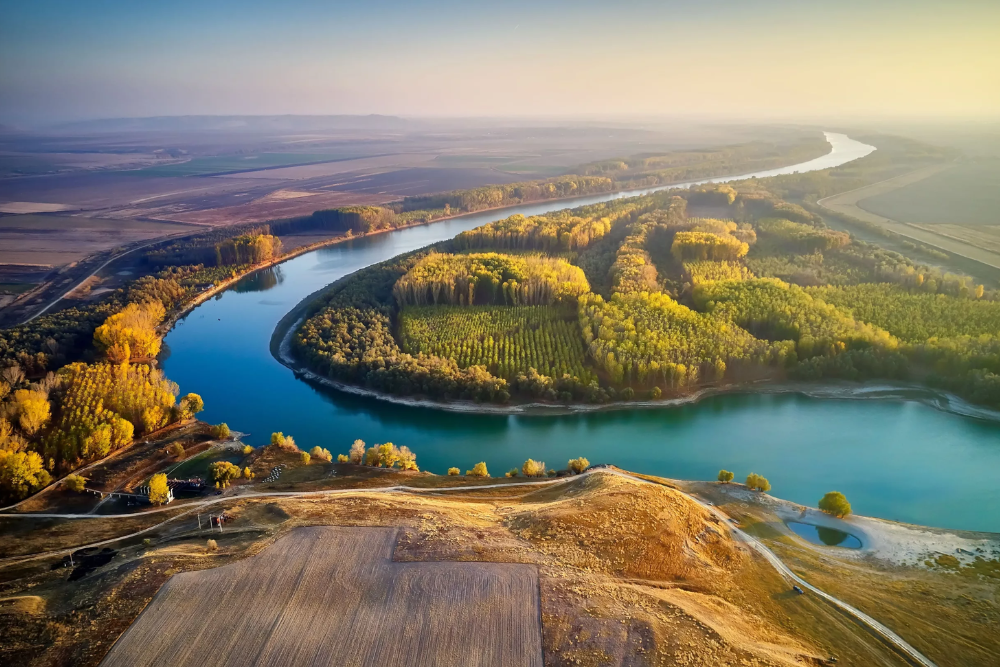
- The river offers opportunities for leisurely walks, cycling, and boat tours. The riverside parks are perfect for relaxation and enjoying the scenery.
Danube Waves Water Park
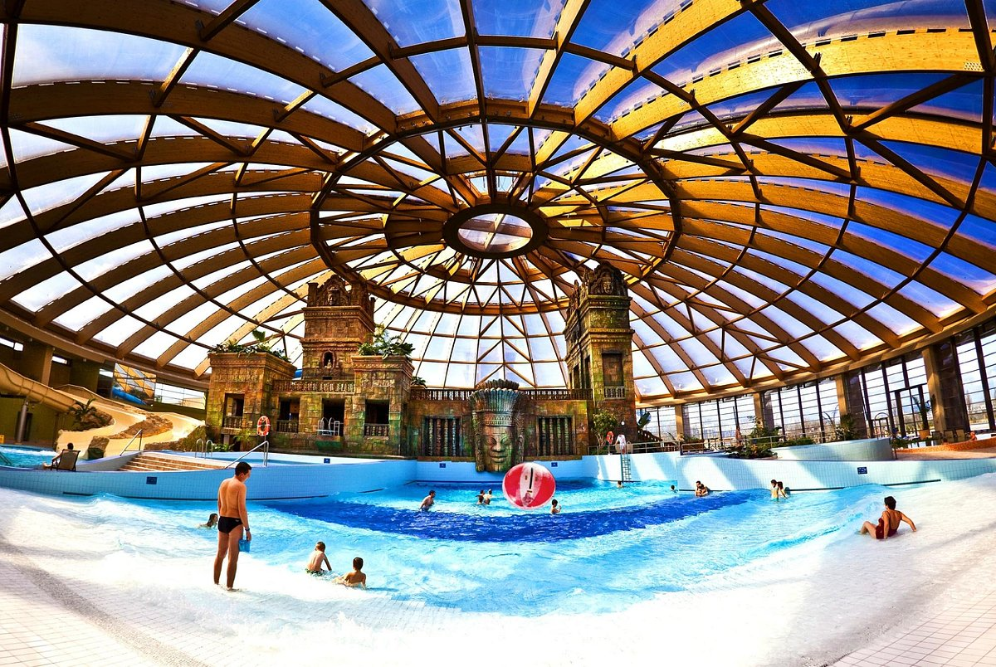
- For a fun day, visit this water park that offers slides, pools, and wellness areas, perfect for families and relaxation.
Swabian Jura:
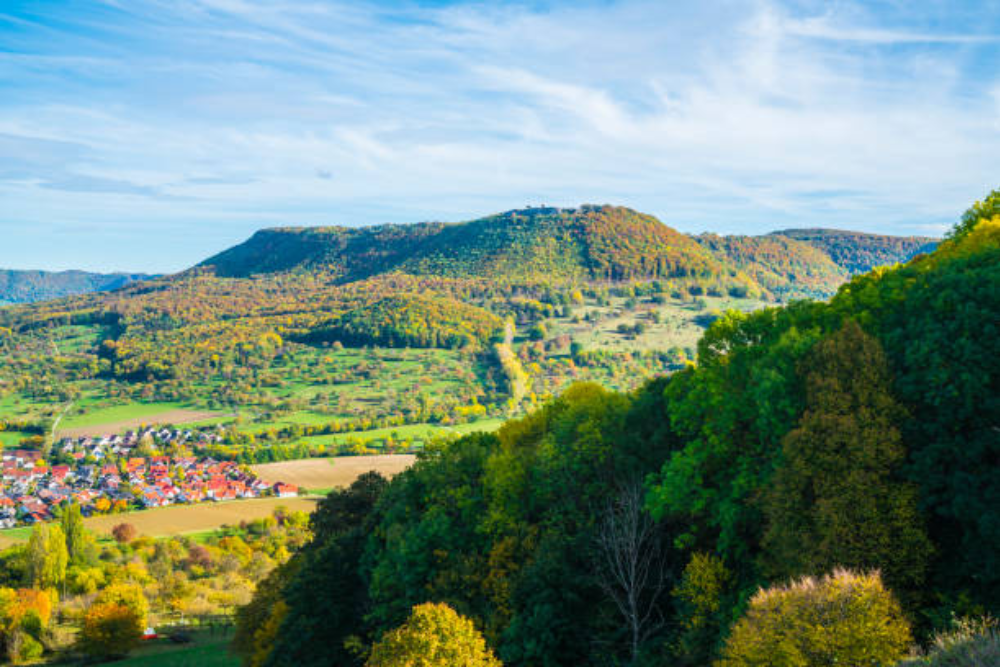
- Just outside the city, this mountainous region is great for hiking and outdoor activities, showcasing stunning landscapes and natural beauty.
Ulm Fair:
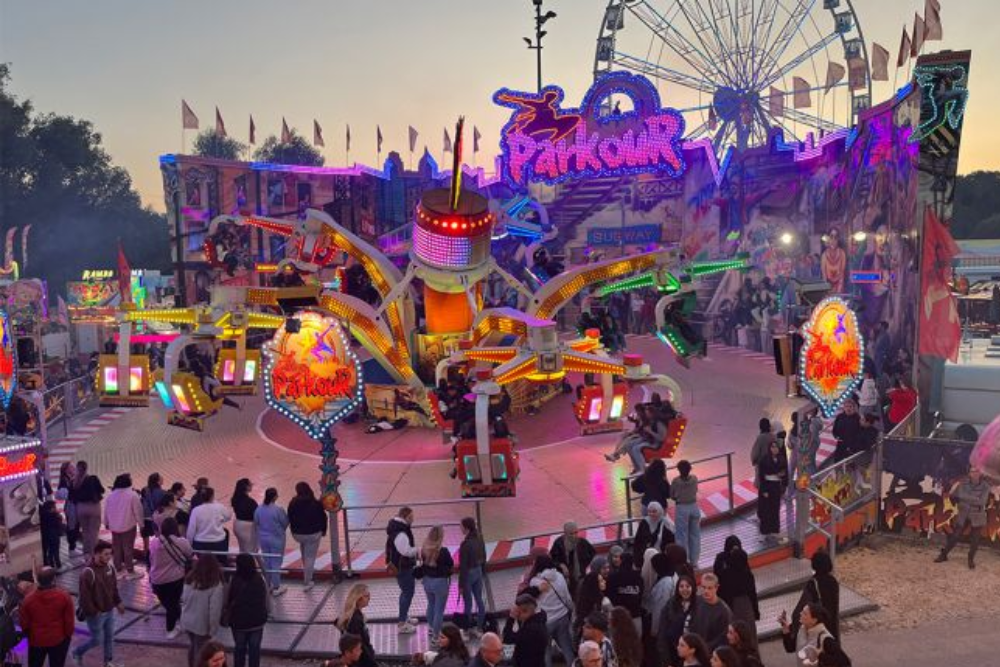
- An annual fair featuring local crafts, food, and entertainment, reflecting the city’s vibrant community spirit.
Christmas Market:
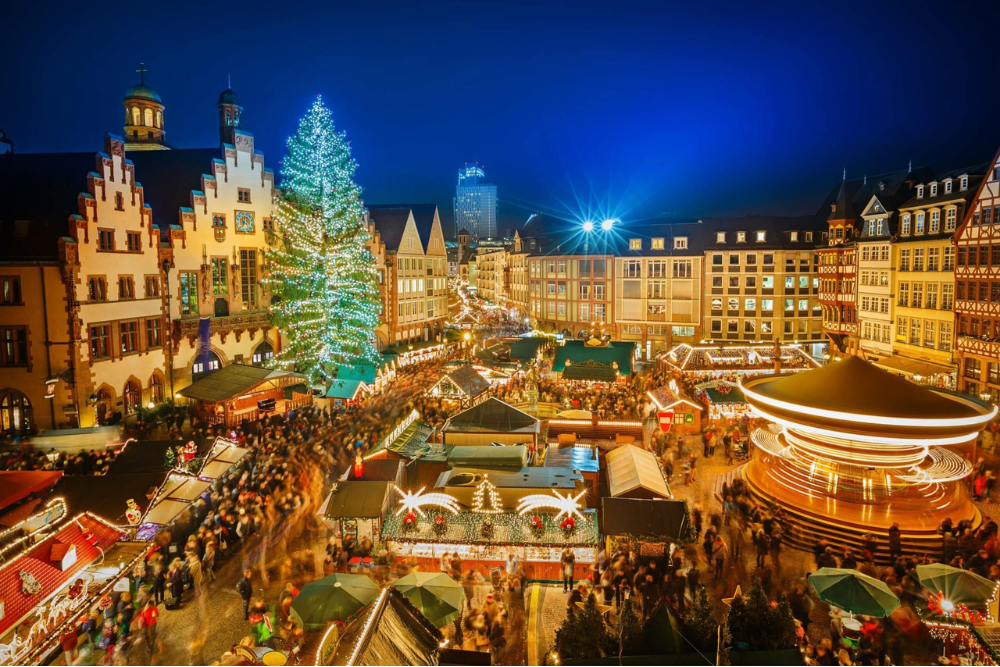
In December, the city comes alive with festive lights and stalls selling crafts and seasonal treats, making it a delightful time to visit.
Dos and Don’ts Ulm
Dos
- Do Visit Ulm Minster: Take the time to explore the cathedral and consider climbing the steeple for stunning views of the city and surrounding area.
- Do Stroll Through the Old Town: Enjoy walking through the historic streets, especially in the Fishermen’s Quarter, where you can admire the architecture and canals.
- Do Try Local Cuisine: Sample traditional Swabian dishes, such as Maultaschen and Spätzle, in local restaurants.
Don’ts
- Don’t Rush Through Attractions: Take your time to appreciate the history and architecture of Ulm; there’s a lot to see and enjoy.
- Don’t Ignore Local Customs: Be respectful of local traditions and social norms, such as greetings and etiquette in public spaces.
- Don’t Litter: Keep the city clean by using trash bins; cleanliness is valued in Germany.
Best time to reach in Ulm
Spring (March to May)
- Pros: Mild temperatures and blooming flowers make this a beautiful time to explore. Fewer tourists compared to summer.
- Events: Local festivals and outdoor activities start to pick up.
Summer (June to August)
- Pros: Warm weather, ideal for enjoying the Danube River and outdoor attractions. Many events and festivals take place.
- Cons: This is peak tourist season, so expect larger crowds and higher accommodation prices.
Fall (September to November)
- Pros: Pleasant temperatures and beautiful autumn foliage. Less crowded than summer, making it great for sightseeing.
- Events: Local markets and cultural events, including harvest festivals.
Winter (December to February)
- Pros: A magical atmosphere during the Christmas season, with a charming Christmas market that attracts visitors.
- Cons: Cold weather, with temperatures often dropping below freezing.