


Introduction
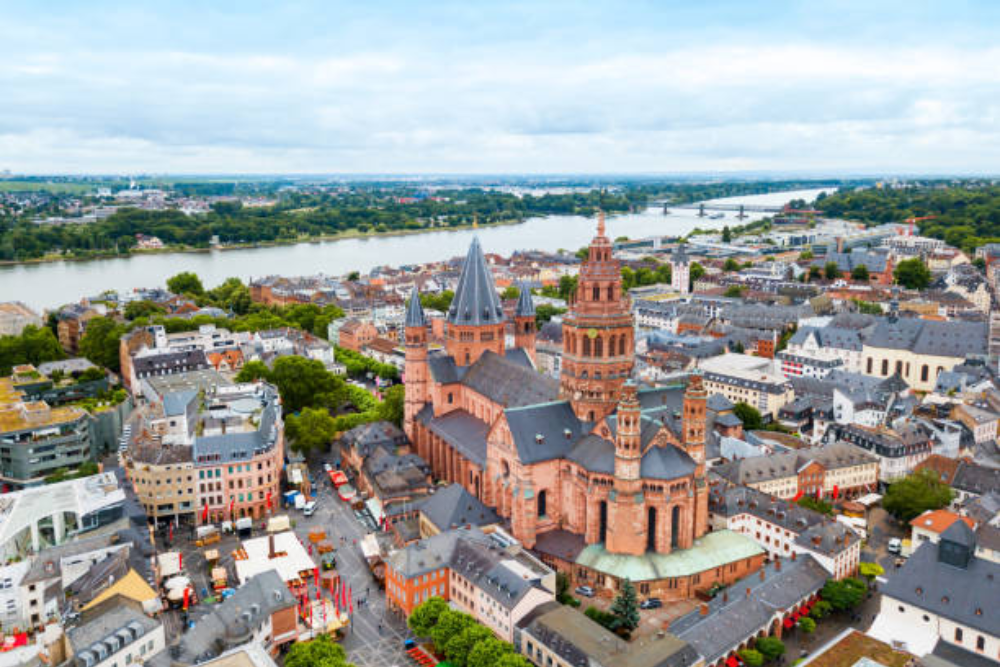
Mainz, the capital of the Rhineland-Palatinate region in Germany, is a city rich in history and culture. Nestled on the banks of the Rhine River, Mainz is known for its well-preserved medieval architecture, including the stunning Mainz Cathedral, a prime example of Romanesque architecture. The city has a vibrant atmosphere, bolstered by its status as a university town and its historical significance as the birthplace of Johannes Gutenberg, the inventor of the printing press. Visitors can explore the Gutenberg Museum, which showcases the history of printing and features original Gutenberg Bibles. Mainz also hosts lively markets, particularly the weekly farmers’ market, and a range of cultural events throughout the year, making it a delightful destination for those seeking both history and modern charm.
Historical Significance
- Mainz flaunts a set of experiences that traces all the way back to Roman times when it was known as Mogontiacum. The remainders of Roman engineering, including a Roman theater and city walls, can in any case be seen today, offering a brief look into the city’s old past.
Gutenberg Museum
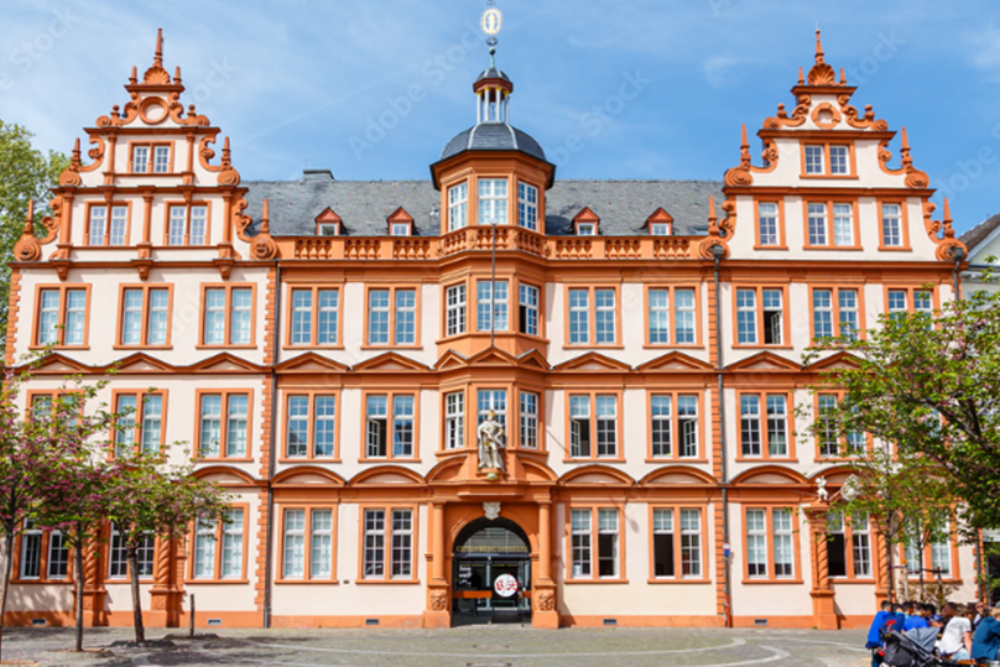
- Mainz is broadly the home of Johannes Gutenberg, the innovator of the print machine. The Gutenberg Gallery commends his inheritance with shows on the historical backdrop of printing, exhibiting unique prints, uncommon books, and intuitive showcases that feature the effect of Gutenberg’s innovation on society.
Mainz Cathedral (Dom St. Martin)
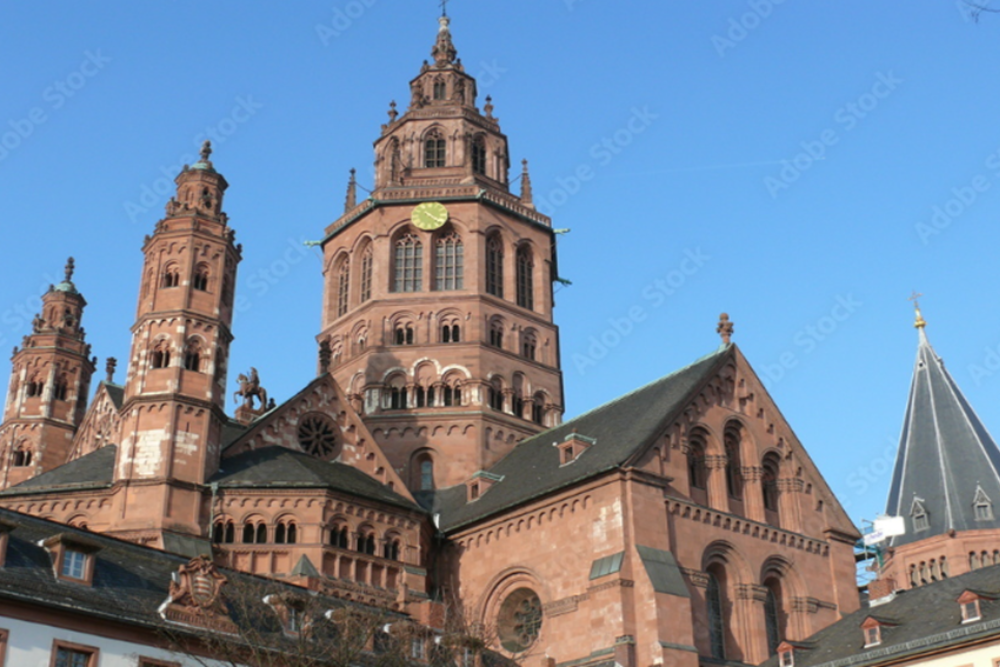
- The Mainz Basilica, a dazzling illustration of Romanesque design, overwhelms the city horizon. Underlying the tenth 100 years, it highlights amazing twin pinnacles, complex models, and wonderful stained glass windows. Guests can investigate the house of prayer’s inside and appreciate all encompassing perspectives from its pinnacles.
Old Town (Altstadt)
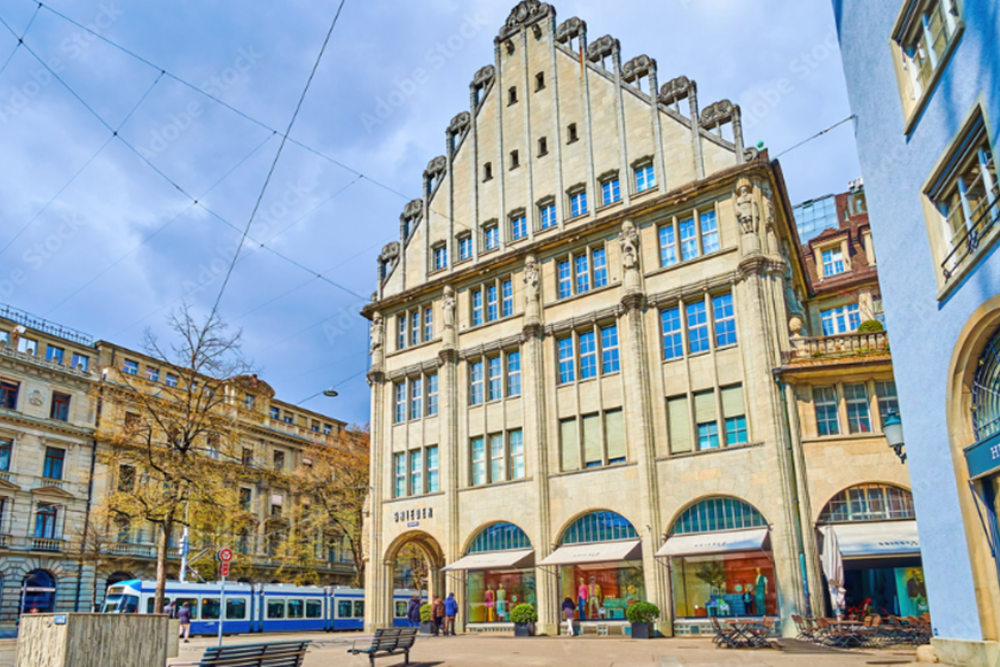
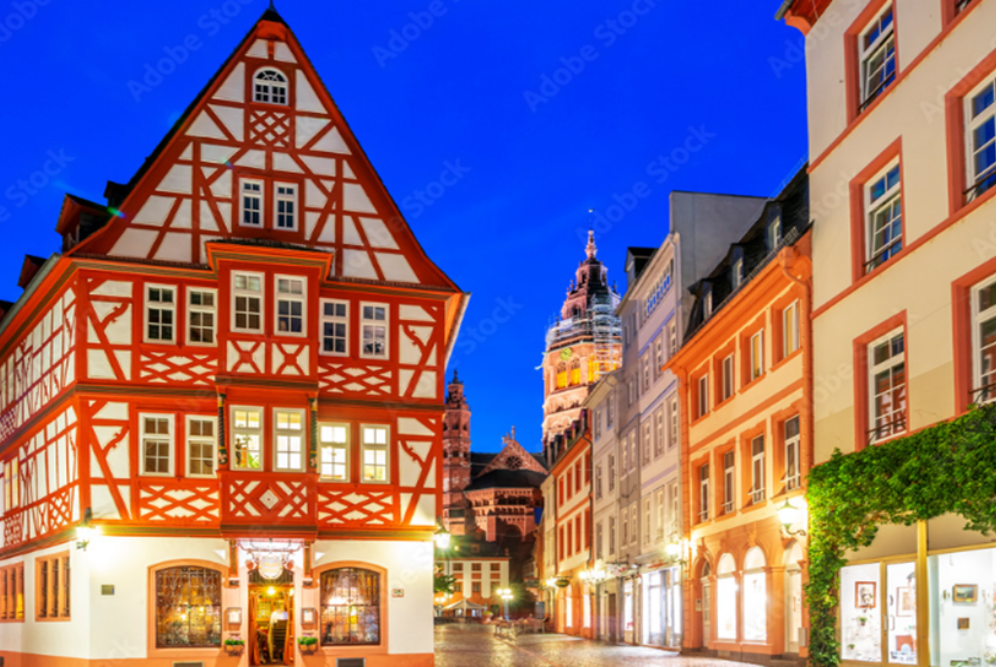
- Mainz’s Old Town is an enchanting region loaded up with tight roads, half-wooded houses, and dynamic squares. The Marktplatz is a clamoring market square where guests can track down new produce, nearby specialties, and delectable road food. The region is likewise dabbed with bistros and shops, ideal for a comfortable walk.
St. Stephan’s Church
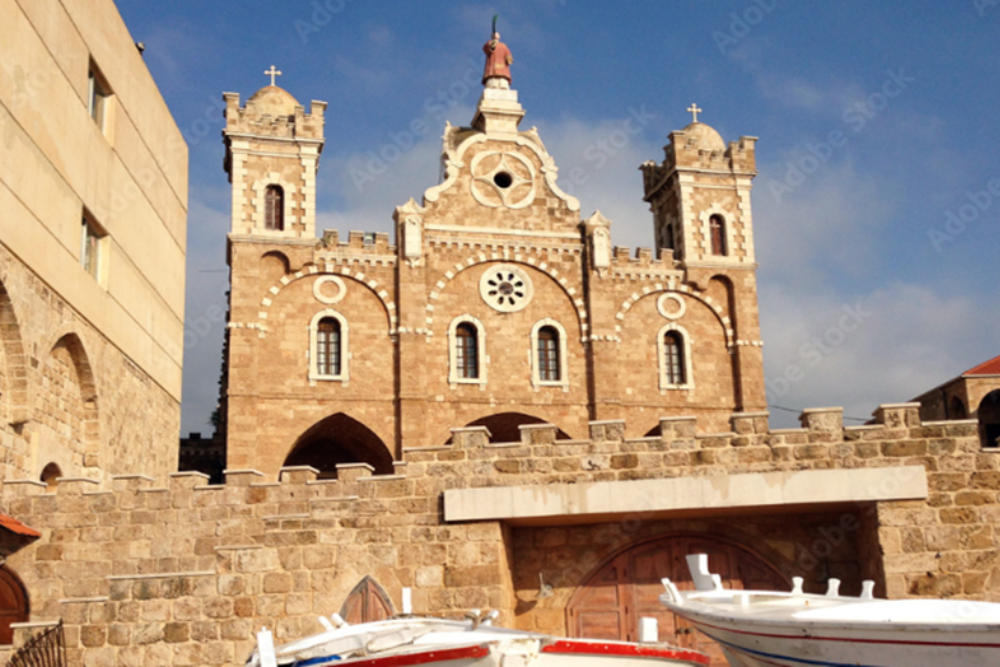
- Popular for its dazzling stained glass windows planned by Marc Chagall, St. Stephan’s Congregation is a must-visit for craftsmanship darlings. The energetic blue windows portray scriptural scenes and add an extraordinary touch to this delightful church, improving its quiet climate.
Rhine Waterway Promenade
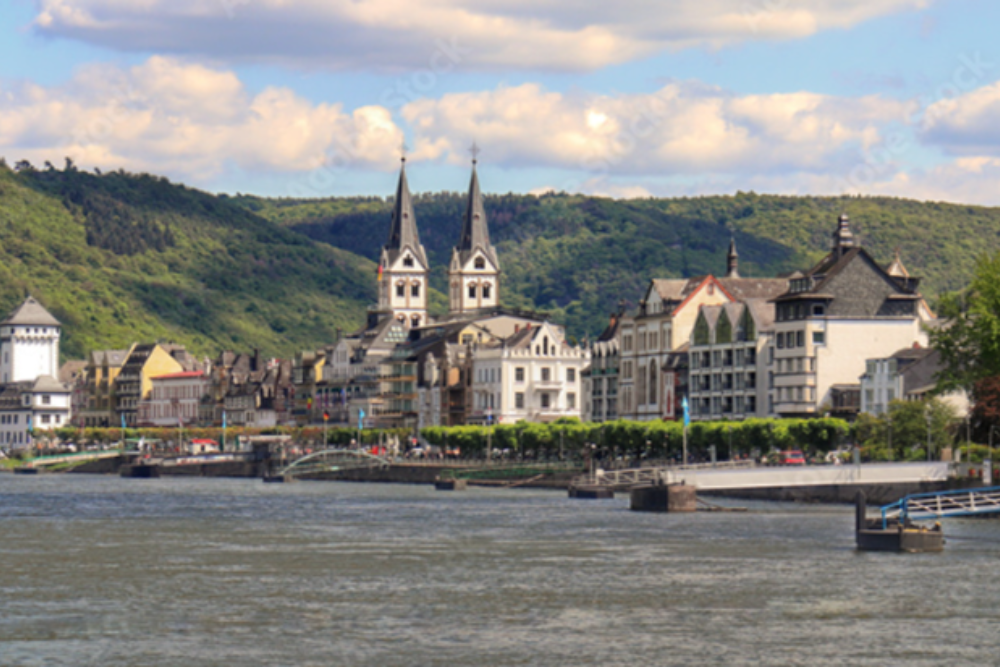
- The Rhine Waterway Promenade offers a beautiful setting for comfortable strolls or bicycle rides along the riverbanks. Guests can appreciate wonderful perspectives on the water, watch boats cruising by, and loosen up in the many stops and gardens that line the promenade.
Fasching Carnival
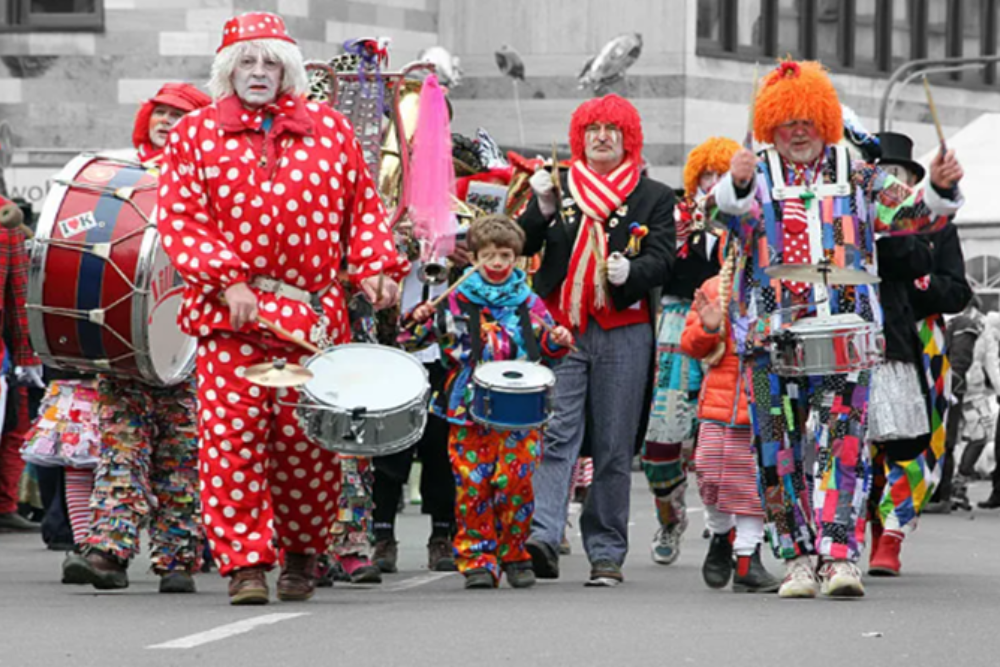
- Mainz is famous for its exuberant Fasching (Fair) festivals, which include vivid motorcades, outfits, and road merriments. The city wakes up with music, dance, and customary celebrations, making it a good chance to visit.
Museums and Galleries
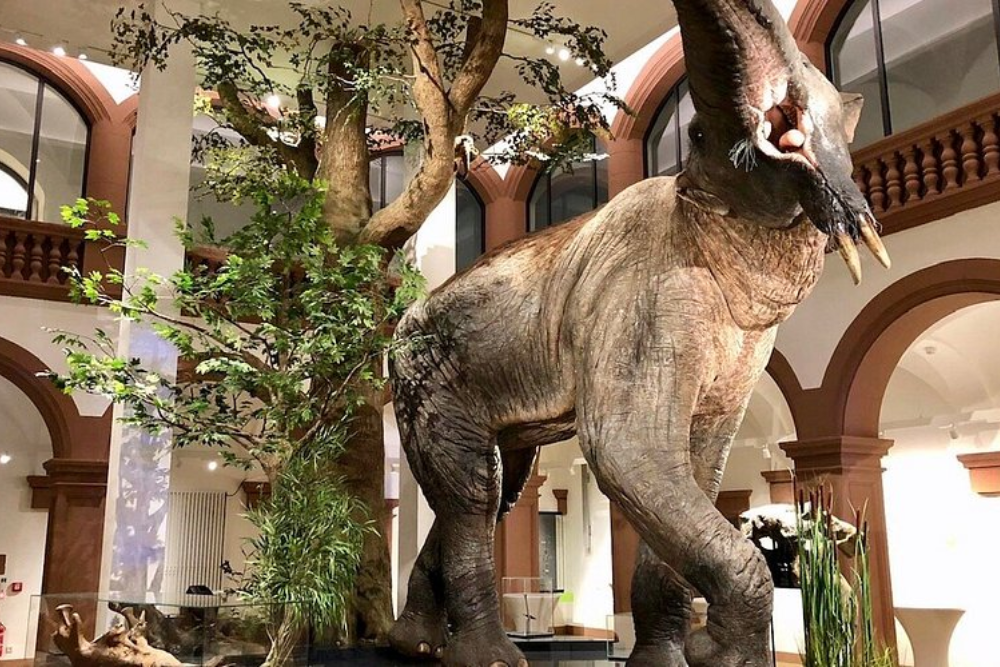
- Notwithstanding the Gutenberg Gallery, Mainz offers various different exhibition halls and displays, like the Historical center of Antiquated Shipbuilding and the Roman-Germanic Focal Exhibition hall. These organizations give experiences into the city’s rich archeological history and social legacy.
Public Parks and Green Spaces
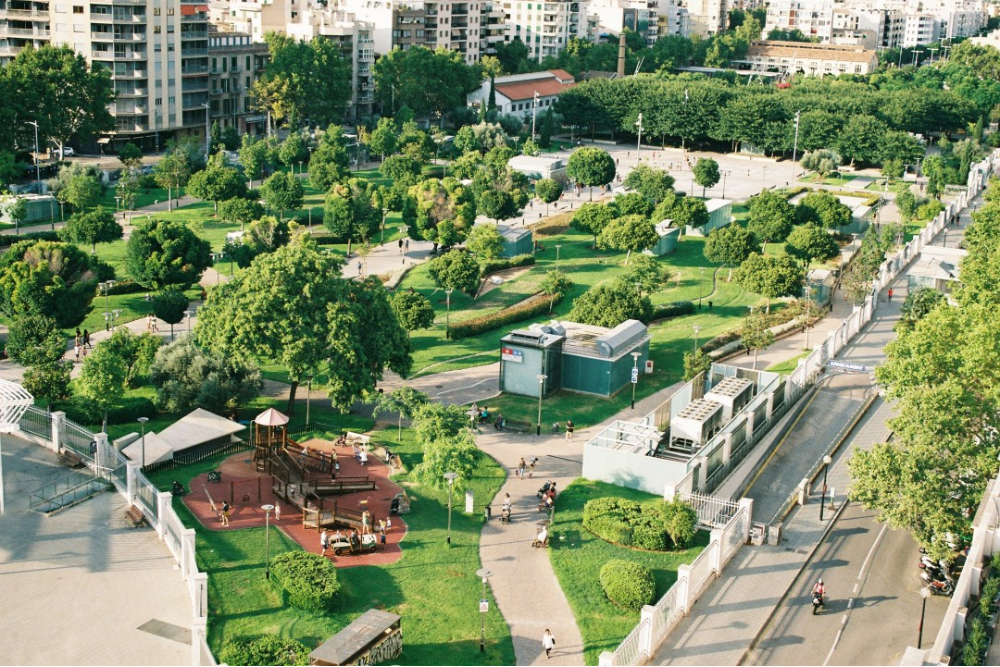
- Mainz has a few stops and green spaces, including the Garten der Sinne (Nursery of Faculties), which is intended to connect every one of the faculties and give a serene retreat. The parks along the Rhine are ideally suited for picnics and unwinding
Dos and Don’ts in Mainz
Here’s a list of dos and don’ts to consider when visiting Mainz:
Dos
- Do Explore the Old Town: Wander through Mainz’s charming Altstadt (Old Town) to admire its half-timbered houses and historic squares.
- Do Visit the Gutenberg Museum: Learn about the history of printing and see the original Gutenberg Bible in this fascinating museum dedicated to the inventor.
- Do Try Local Cuisine: Sample local specialties like “Mainzer Bischof,” a type of cheese, or the famous “Weck, Worscht und Woi” (rolls, sausages, and wine).
Don’ts
- Don’t Skip the Cathedral: The Mainz Cathedral (Mainzer Dom) is a must-see; don’t miss out on its stunning architecture and historical significance.
- Don’t Speak Loudly: Germans value quietness in public spaces, so keep your voice down, especially in cafes and restaurants.
- Don’t Forget to Tip: While service charges are often included, it’s customary to round up the bill or leave a small tip (around 5-10%).
Best Time to Reach in Mainz
The best opportunity to visit Mainz generally relies upon your inclinations for climate, occasions, and exercises. Here is a breakdown of the seasons:
-
Spring (Walk to May)
- Gentle temperatures, blossoming blossoms, and less vacationers.
- Investigating the Old Town, open air exercises, and partaking in the energetic neighborhood markets.
-
Summer (June to August)
- Warm climate, different celebrations, and outside occasions.
- Wine celebrations, stream travels, and open air eating. This is top traveler season, so anticipate bigger groups.
-
Pre-winter (September to November)
- Lovely fall foliage, collect celebrations, and wine festivities.
- Going to the renowned Mainz Wine Market (Mainzer Weinfest) in September and partaking in the comfortable climate of neighborhood wine bars.
-
Winter (December to February)
- Christmas markets, bubbly beautifications, and winter exercises.
- Encountering the beguiling Mainz Christmas Market, which typically runs from late November to December.