


Introduction
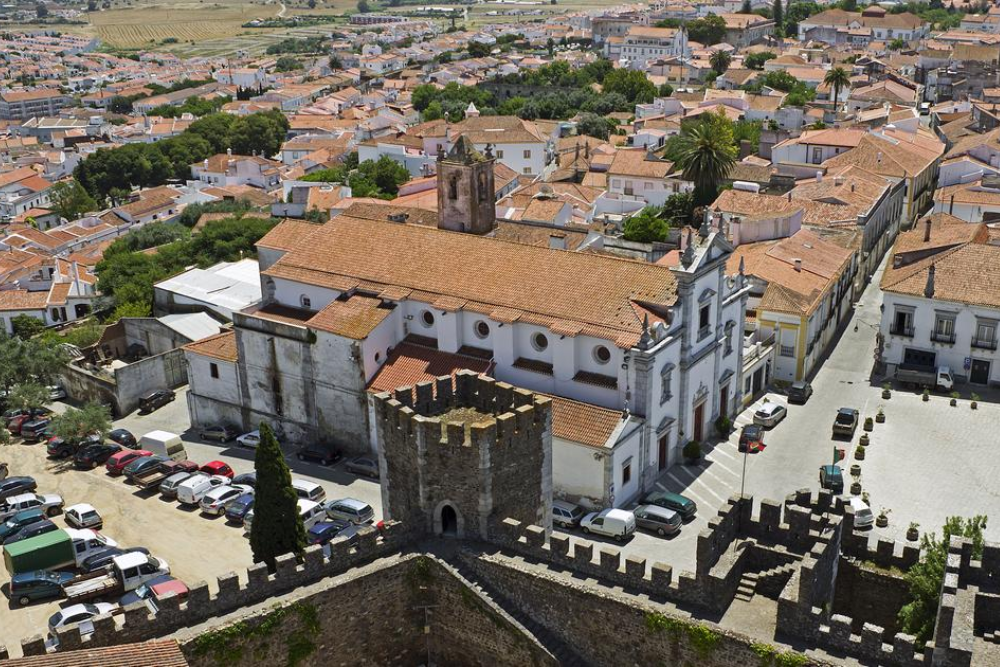
Beja is an enchanting city situated in the Alentejo locale of southern Portugal, known for its rich history, beautiful scenes, and easygoing environment. As the capital of the Beja Locale, the city has profound authentic roots tracing all the way back to Roman times, and its legacy is apparent in its all around saved landmarks and design.
Beja Palace (Castelo de Beja)
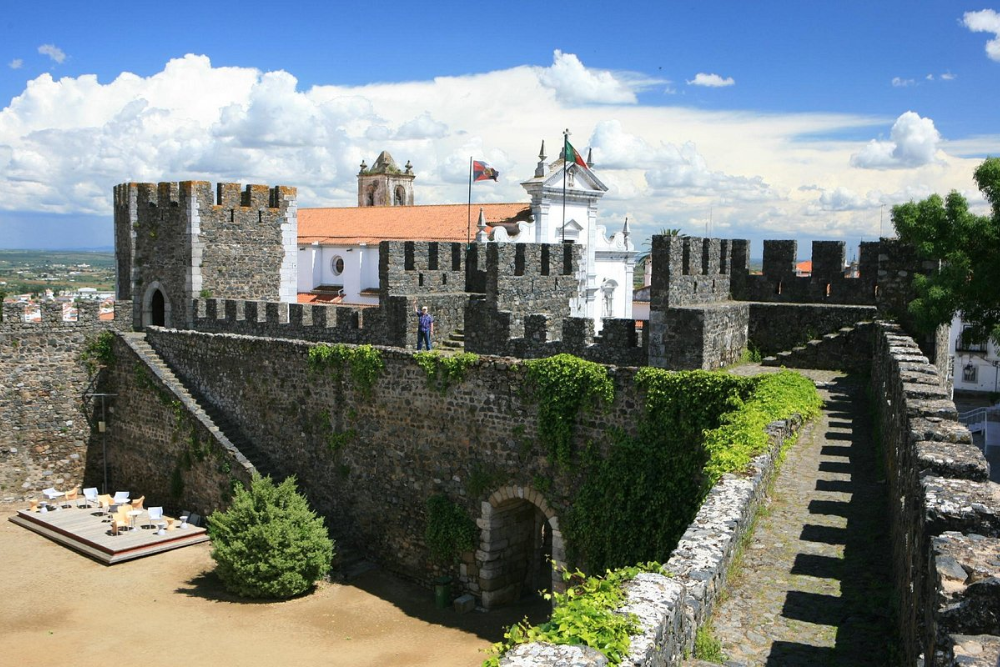
- One of the city’s most popular milestones, Beja Palace is a middle age fort that offers a thrilling experience for history sweethearts and pioneers. Climb the palace tower for stunning all encompassing perspectives on the town and the tremendous Alentejo fields. Find the palace’s rich history and the archeological observes that exhibit its well beyond.
Climbing and Cycling in the Alentejo Open country
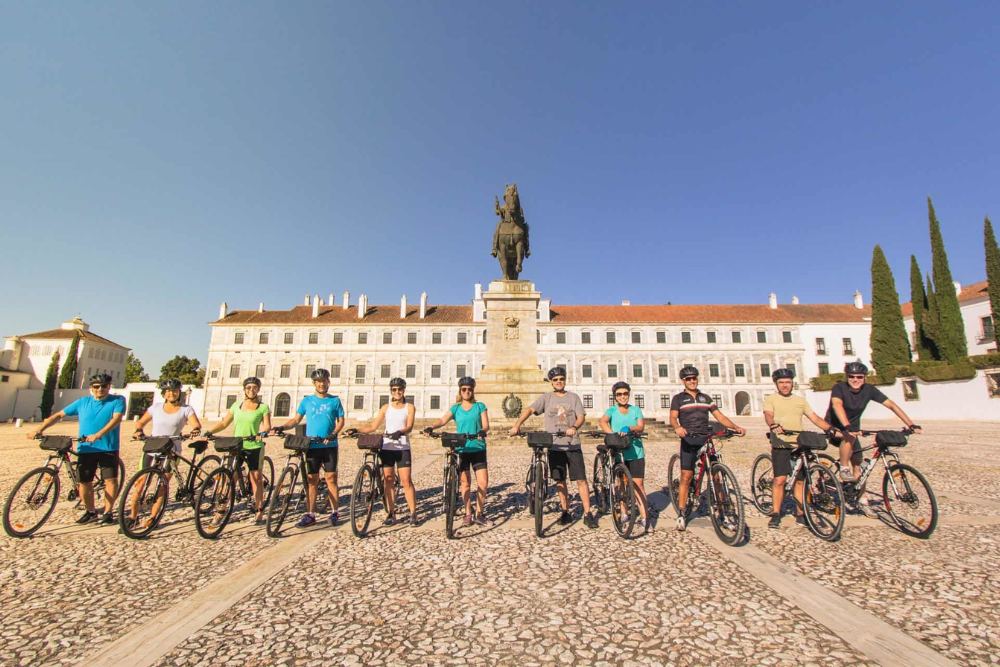
- Beja is encircled by the dazzling Alentejo open country, known for its wide fields, moving slopes, and olive forests. There are various climbing and cycling trails that permit you to submerge yourself in the quiet scenes. Investigate the normal excellence of the district, with chances to see neighborhood natural life and customary provincial engineering en route.
Alqueva Dam and the Biggest Counterfeit Lake in Europe
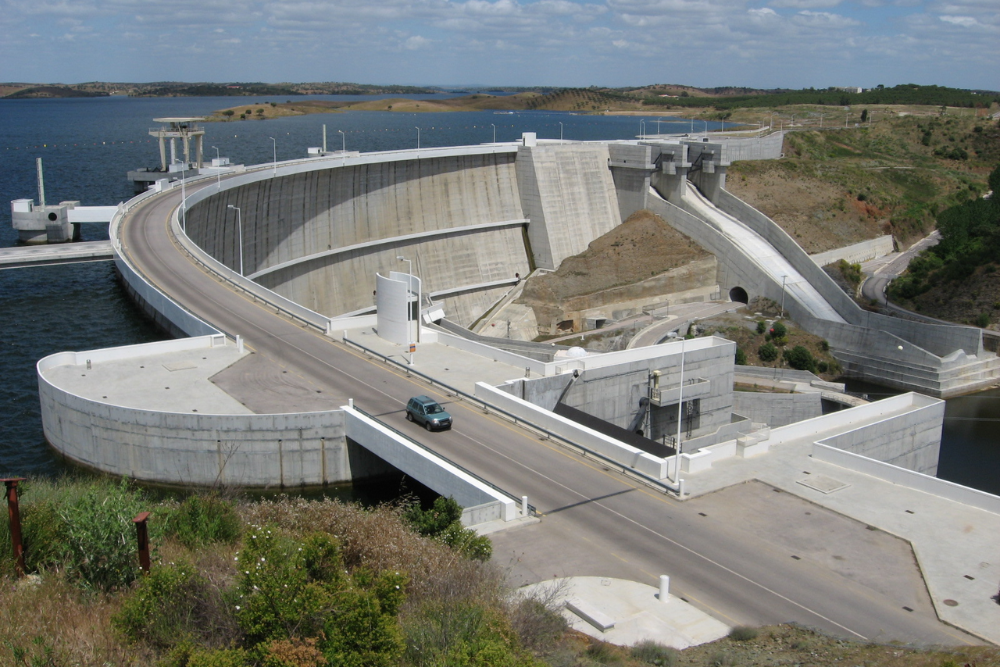
- Simply a short drive from Beja, the Alqueva Dam offers a scope of water-based exercises, for example, kayaking, drifting, and fishing. The dam is home to Europe’s biggest counterfeit lake, and guests can appreciate picturesque boat visits or investigate the region’s wonderful shores and encompassing nature saves.
Roman Remnants of São Cucufate
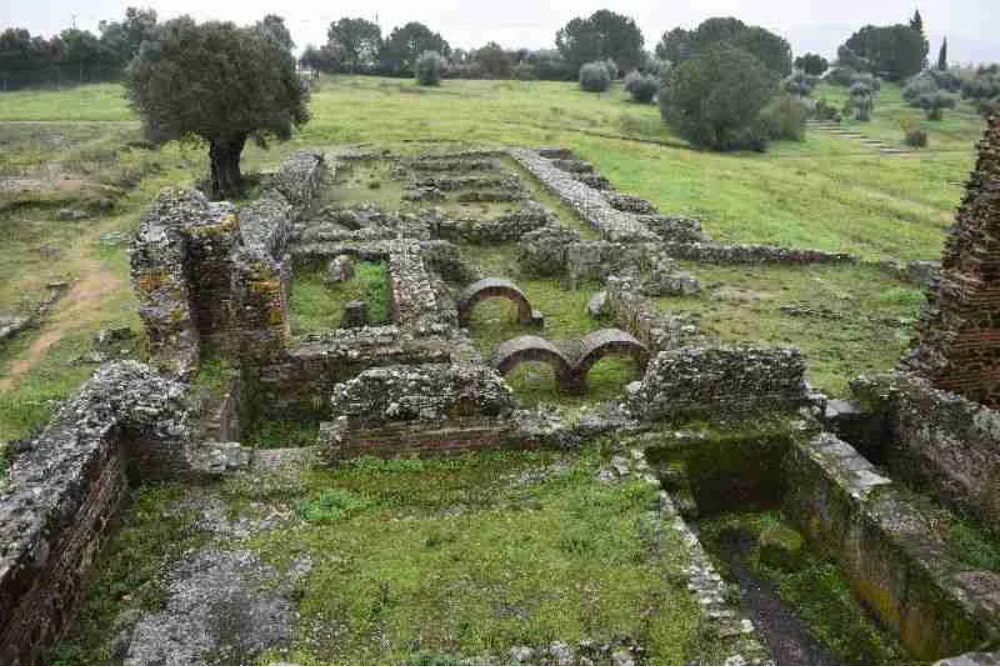
- For history devotees, a visit to the Roman remnants of São Cucufate close to Beja is an unquestionable requirement. This old Roman estate complex offers an interesting look into life during the Roman Realm. Meander through the remaining parts of the designs, including showers, living quarters, and a very much saved mosaic, while finding out about the area’s old history.
Horseback Riding in the Alentejo Fields
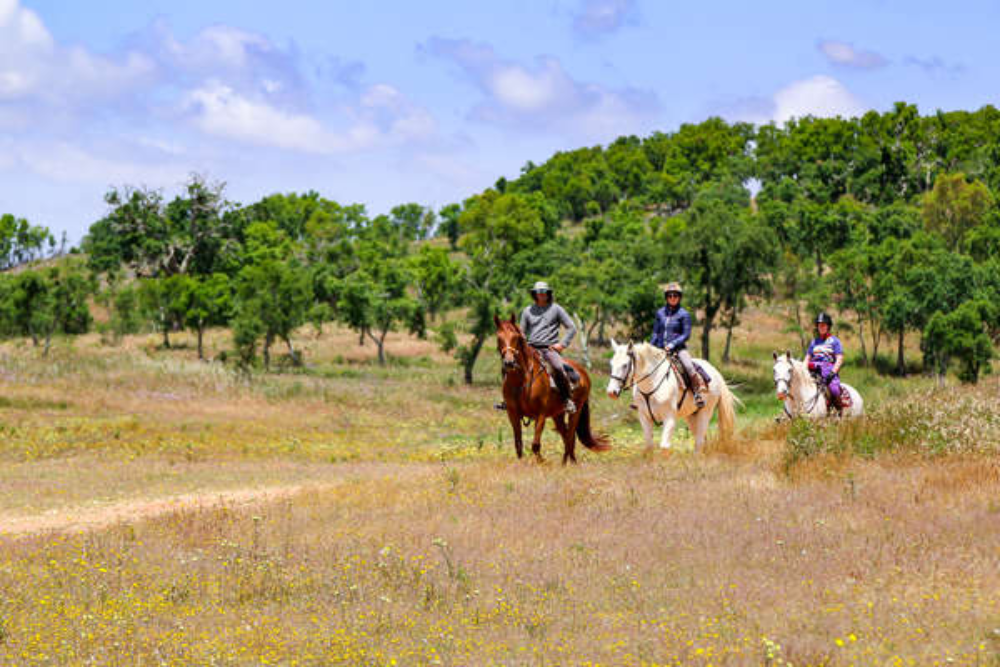
Experience the country Alentejo area in the customary manner by going horseback riding through the huge fields. A few neighborhood farms and riding schools offer directed visits where you can investigate the quiet scenes, ride past olive forests, grape plantations, and customary farmhouses, and partake in the serene climate of the open country.
Museu Territorial de Beja (Beja Local Exhibition hall)
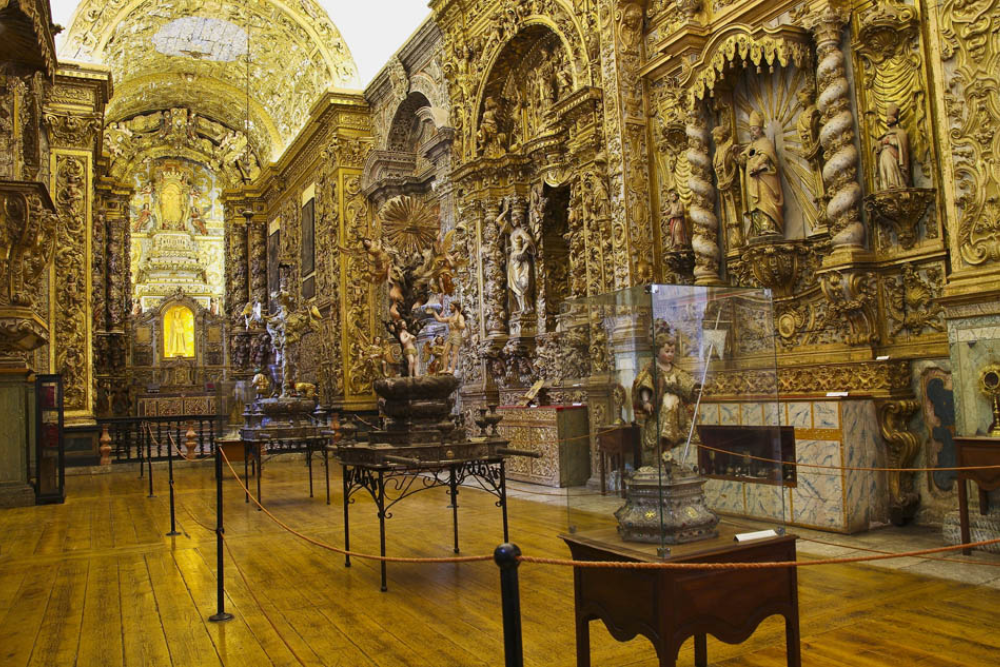
- The Museu Territorial de Beja is an incredible spot to find out about the city’s rich social legacy. Housed in a previous cloister, the gallery shows a great many displays, including archeological finds, strict curios, and local craftsmanship. It offers guests an entrancing look into the historical backdrop of Beja and the Alentejo district.
Convento de Nossa Senhora da Conceição (Religious community of Our Woman of Origination)
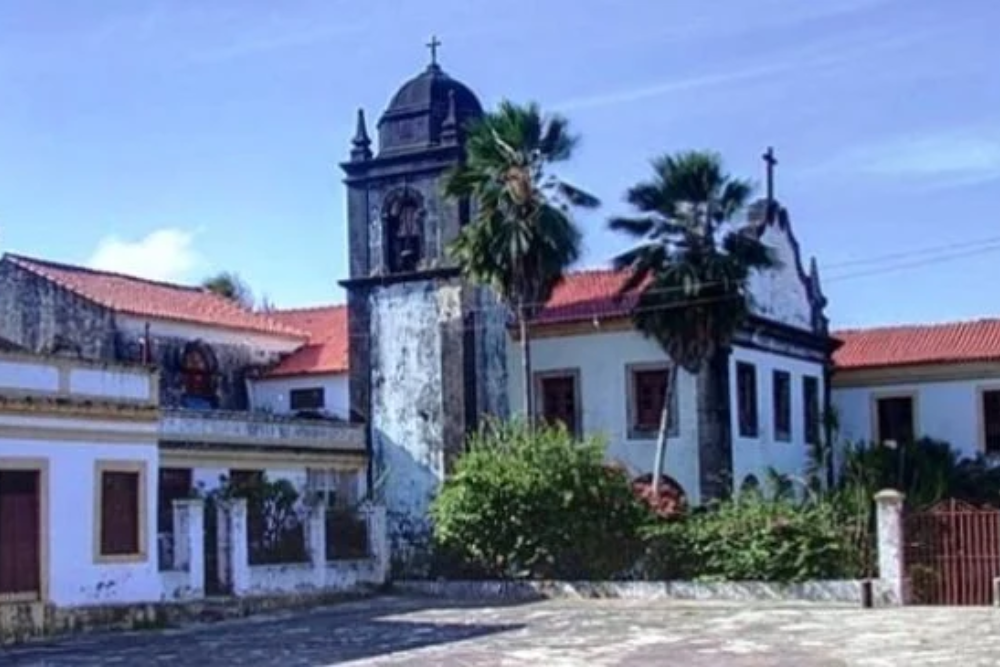
- This wonderful cloister, which traces all the way back to the sixteenth 100 years, is one more of Beja’s major verifiable destinations. It highlights amazing engineering and has been very much saved throughout the long term. The cloister is likewise home to the Exhibition hall of Sacrosanct Workmanship, where guests can appreciate strict works and ancient rarities from the locale.
Dos and Don’ts in Beja
Dos
Do Visit Authentic Locales: Beja is wealthy ever, so make certain to investigate its well known milestones like Beja Palace, Museu Provincial de Beja, and the Convento de Nossa Senhora da Conceição. These attractions give a profound jump into the city’s past and social legacy.
Do Attempt Nearby Food: Beja is situated in the Alentejo district, known for its rich and generous food. Make certain to attempt customary dishes like açorda (bread soup), migas (broiled breadcrumbs), and privately created olive oil and wines. Eating at a nearby eatery will provide you with a legitimate taste of the locale
Do Investigate the Encompassing Open country: The Alentejo district encompassing Beja is ideal for climbing, cycling, and nature strolls. Find opportunity to investigate the immense fields, visit the Roman remnants of São Cucufate, or go horseback riding for a genuine country experience.
Don’ts
Don’t Litter: Keep Beja clean by discarding your garbage mindfully. Littering, particularly in verifiable destinations and normal regions, isn’t just rude yet in addition takes away from the city’s excellence.
Don’t Hurry Through the Town: Beja is a calm, loosened up city, so don’t rush your visit. Take as much time as necessary to investigate, partake in the more slow speed of life, and value the beautiful magnificence of the district. It’s tied in with partaking in the climate, not simply ticking off places of interest.
Don’t Expect Vacationer Groups: Beja is definitely not a significant vacationer area of interest, so it’s essential to deal with your assumptions about swarms. While this is area of the city’s appeal, a few attractions might not have broad guest administrations, so be patient and adaptable.
Best time to reach in Beja
The best time to visit Beja depends on the type of experience you’re seeking. Here’s a breakdown of the ideal times to visit:
1.Spring (March to May) – Ideal for Pleasant Weather and Outdoor Exploration
- Spring offers mild and pleasant weather, with temperatures ranging from 15°C (59°F) to 20°C (68°F). The region’s countryside begins to bloom, making it a great time to explore the natural beauty of Beja and the Alentejo region.
- This is one of the best times to visit for outdoor activities like hiking, cycling, and visiting historical sites, without the summer crowds. The weather is perfect for sightseeing and enjoying the peaceful atmosphere of the city.
2.Summer (June to August) – Best for Warm Weather and Festivals
- Summer can get quite hot, with temperatures often exceeding 30°C (86°F), especially in July and August. However, it’s a great time to enjoy the long, sunny days.
- If you enjoy summer heat, this is the time to experience Beja’s festivals, local events, and vibrant summer ambiance. The region’s agricultural fairs and festivals are also common in this period. However, be prepared for high temperatures, particularly in the rural areas.
3.Autumn (September to November) – Perfect for Mild Temperatures and Fewer Tourists
- Autumn brings mild temperatures, ranging from 18°C (64°F) to 25°C (77°F). The weather is still warm enough for outdoor activities but with fewer tourists than in summer.
- This is an excellent time to visit Beja if you prefer quieter surroundings and pleasant weather. You can enjoy the vineyards and olive groves of the Alentejo region, and it’s also the harvest season for local wines and olive oil.
4.Winter (December to February) – Quiet and Peaceful Experience
- Winter is mild in Beja compared to other parts of Europe, with temperatures averaging between 8°C (46°F) and 15°C (59°F). It’s the cooler season with more rainfall, but it’s still pleasant for sightseeing.
- Winter is the least crowded time to visit Beja. If you’re looking for a peaceful, quiet escape and don’t mind cooler temperatures, this is a great time to explore Beja’s museums, historical sites, and enjoy the tranquility of the town.