


Introduction
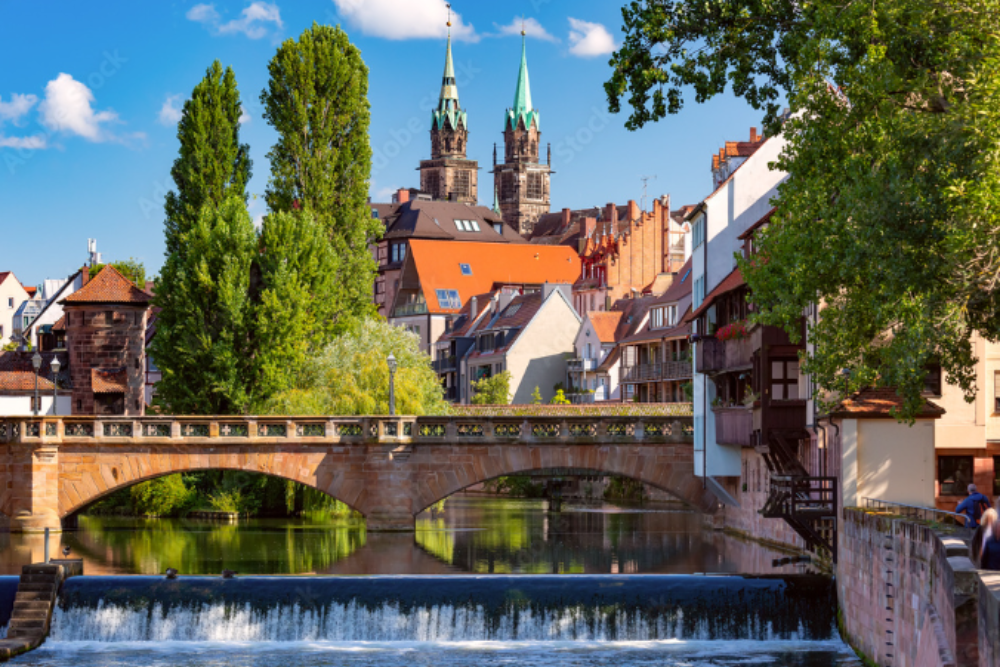
Nuremberg is a noteworthy city in Bavaria, Germany, known for its rich middle age legacy and critical job in present day history. Renowned for its all-around saved Old Town, Nuremberg flaunts milestones like the impressive Nuremberg Palace and the Gothic-style Church of Our Woman. It was a critical focus of the Sacred Roman Realm and became famous for its part in The Second Great War as the site of Nazi meetings and the post-war Nuremberg Preliminaries. Today, the city is additionally commended for its social celebrations, Christmas market, and flourishing craftsmanship and historical center scene.
Historical Importance
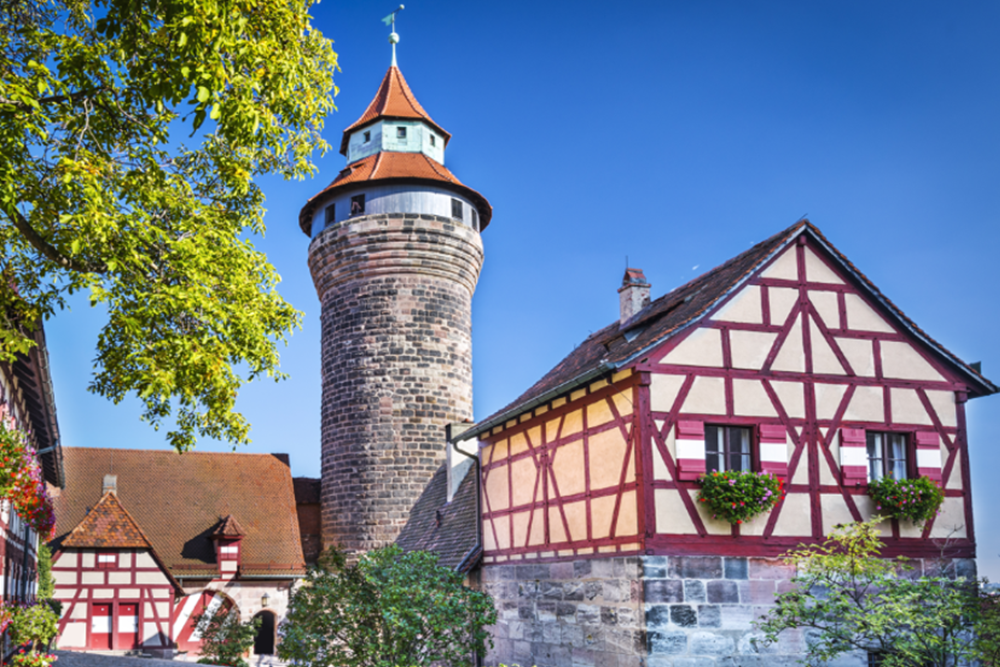
- The palace filled in as a home for Sacred Roman Heads and was a critical political and military site all through the medieval times.
- A large part of the palace was obliterated during The Second Great War, such countless regions are current recreations, which might bring down the genuine middle age insight for certain guests.
Stunning Panoramic Views
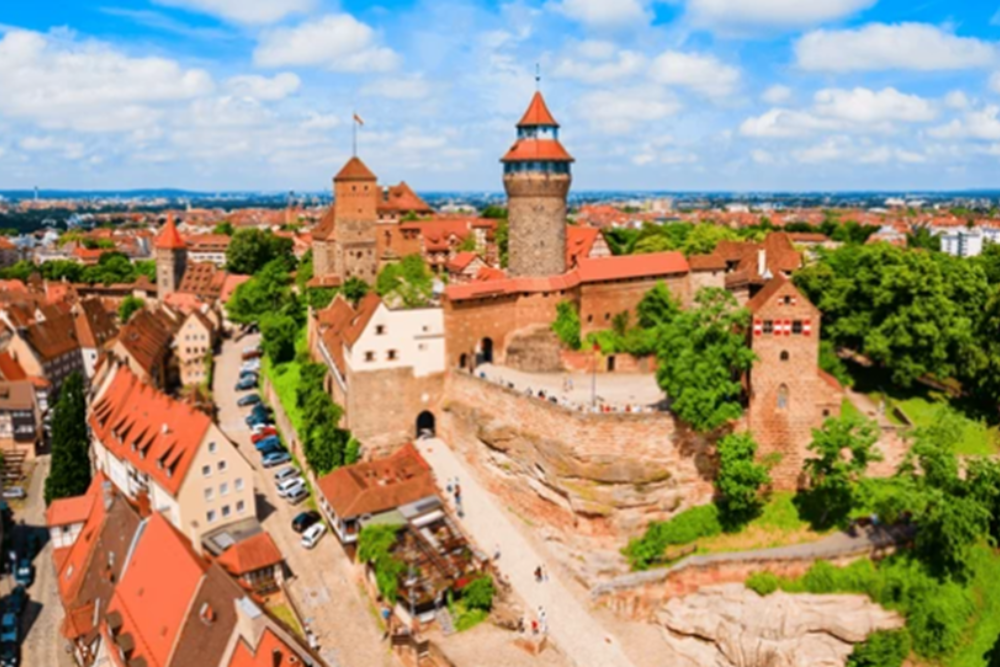
- Guests can climb the Sinwell Pinnacle for amazing perspectives on Nuremberg’s Old Town, with its red roofs and towers.
- The move up the thin steps to the pinnacle may be trying for those with portability issues or an anxiety toward levels.
Architectural Marvel
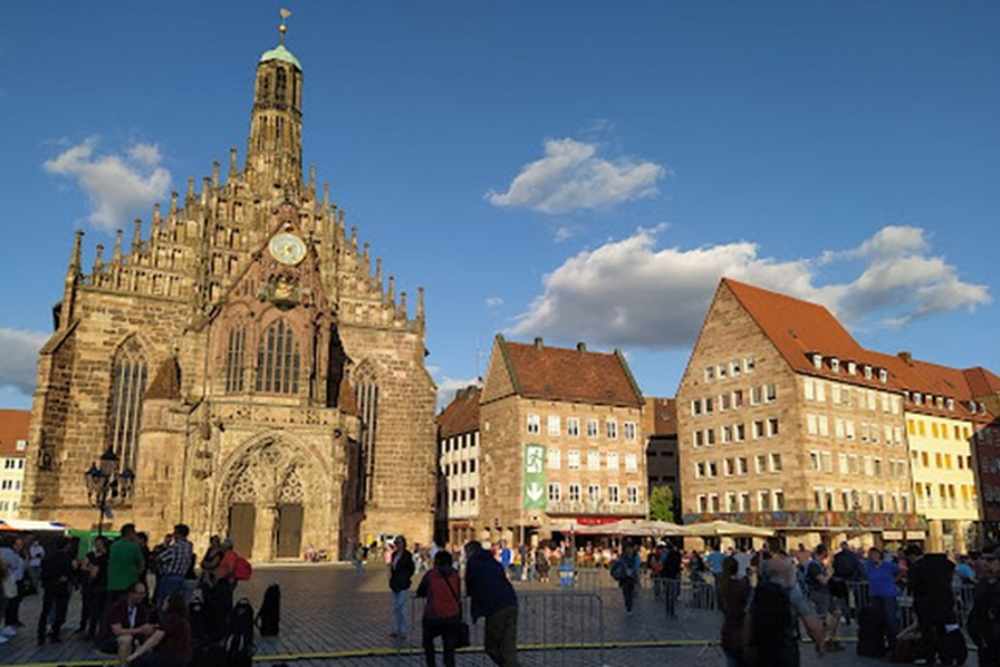
- Nuremberg Palace is an amazing mix of Romanesque, Gothic, and Renaissance engineering, displaying various styles from the eleventh to sixteenth hundreds of years.
- Guests probably won’t have the option to see the value in the engineering styles in the event that they’re curious about European history or design.
Imperial Chapel
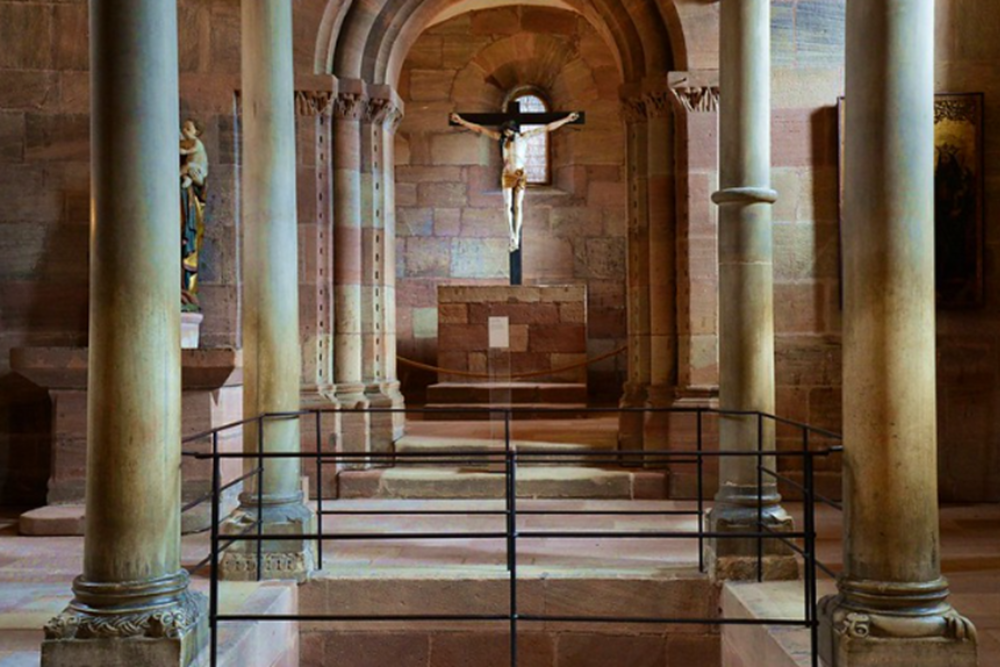
- The Kaiserburg Sanctuary, tracing all the way back to the eleventh 100 years, offers a vivid investigate the strict and formal existence of the heads.
- The house of prayer is moderately little, and during top vacationer seasons, it can become swarmed, restricting the time you can spend valuing the space.
Historical Artifacts and Museum
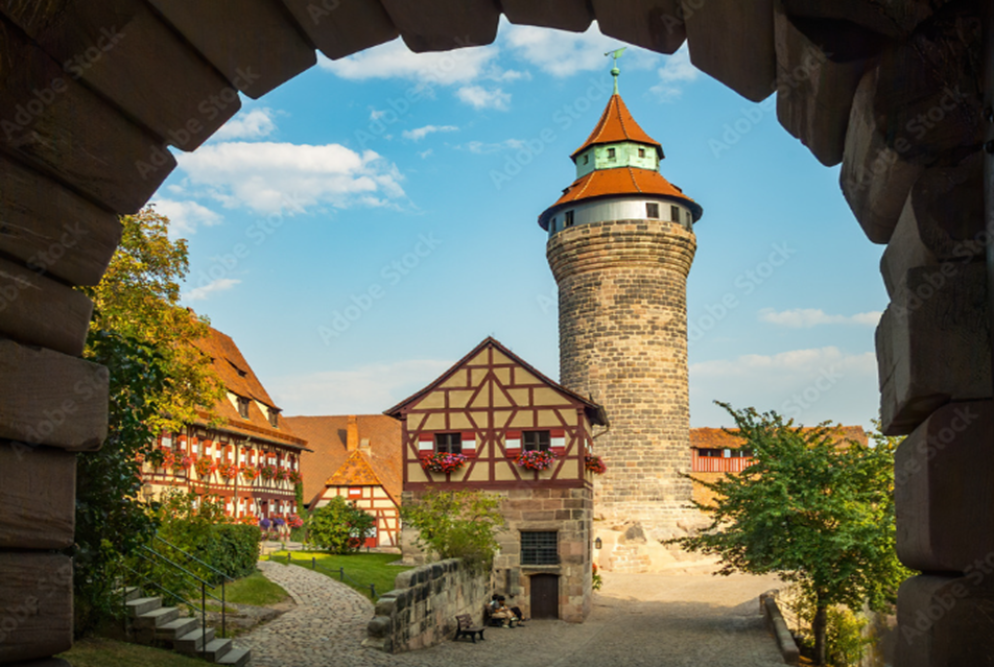
- The Royal Castle Exhibition hall houses middle age weaponry, shield, and relics that give an entrancing understanding into the day to day routine of the magnificent court.
- A few pieces of the gallery’s assortment might be less fascinating for more youthful guests or those with restricted interest in middle age history.
Deep Well Tour
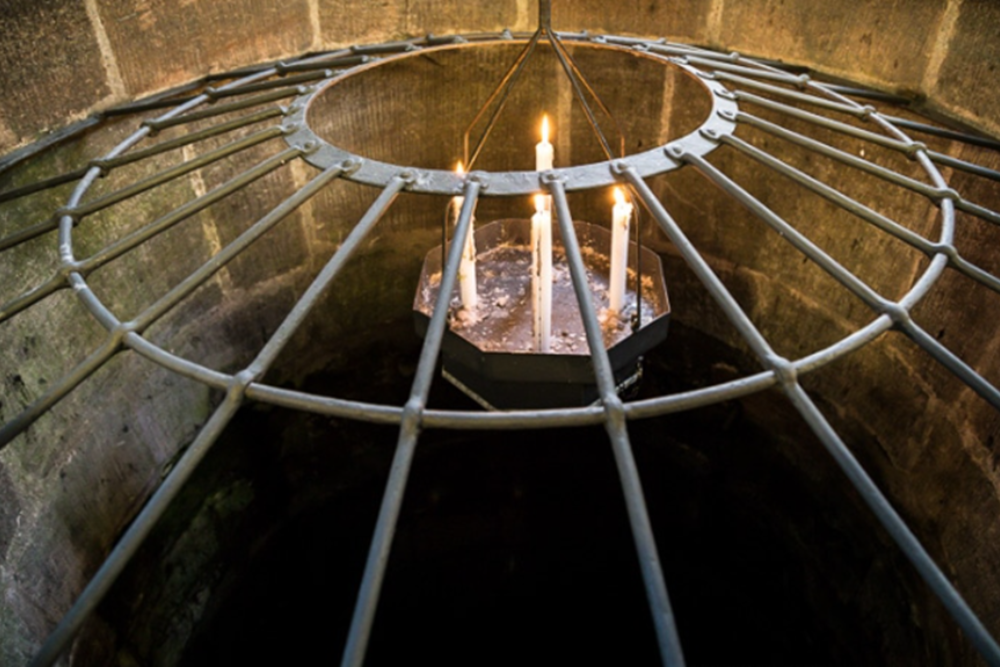
- The Tiefer Brunnen (Profound Well) is a middle age designing wonder, and guests can take a directed visit to see its profundities and figure out how it was fundamental for the palace’s water supply.
- The visit through the well is brief, and a few guests might find it disappointing on the off chance that they anticipate an additional involved encounter.
Castle Gardens
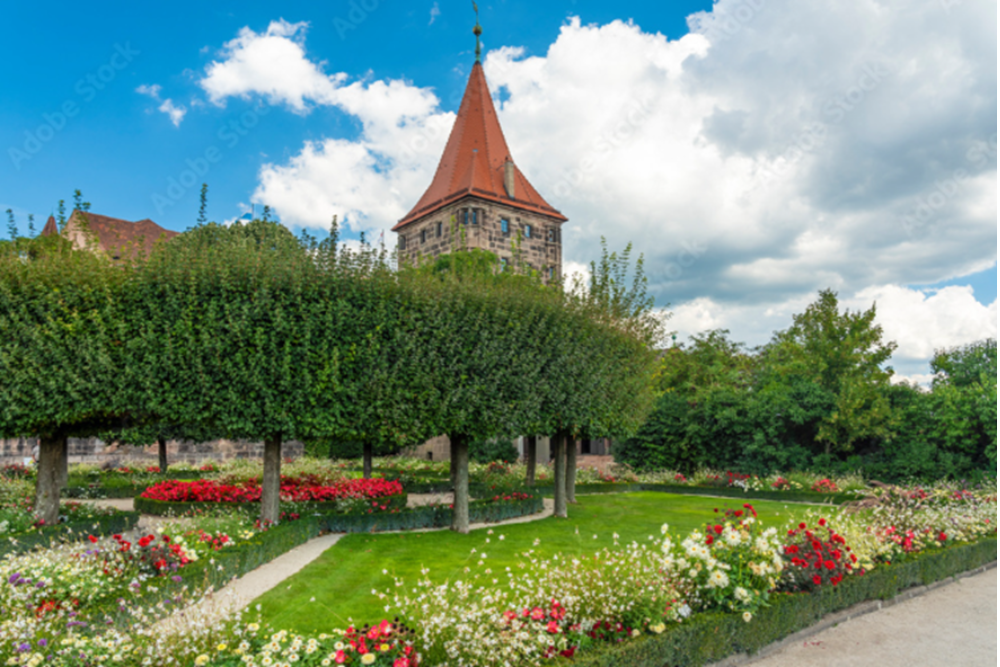
- The Burggarten offers a tranquil, grand departure with dazzling perspectives on the city and is ideally suited for comfortable strolls, particularly in spring and summer.
- The nurseries are just open during the hotter months, so guests in winter will pass up this quiet part of the palace.
Cultural Significance
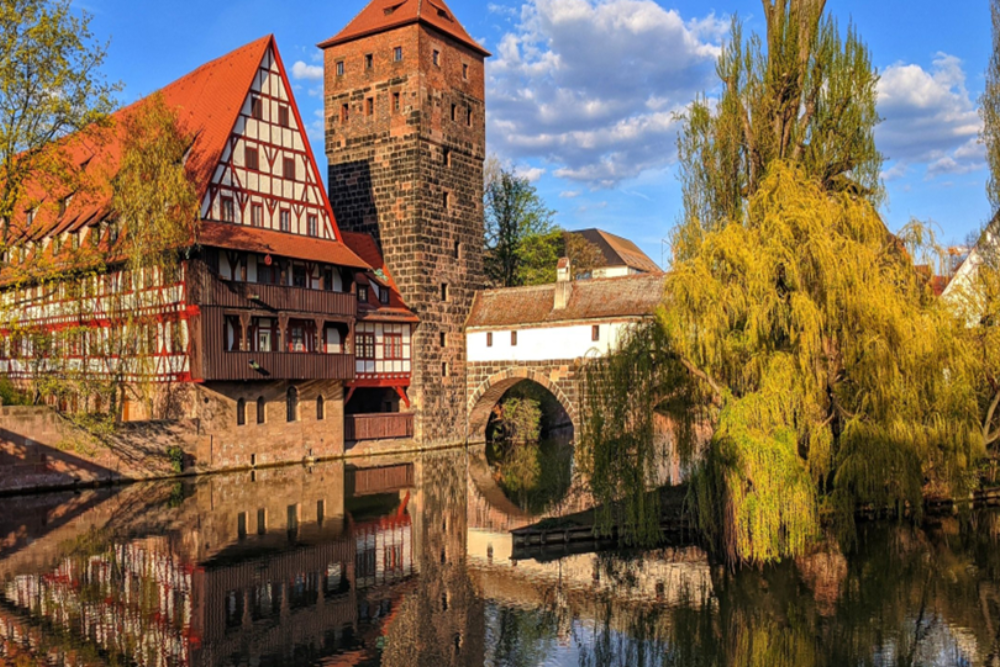
- The palace assumes a focal part in Nuremberg’s personality and has been an image of the city’s social and verifiable importance for a really long time.
- For those keener on present day attractions, the emphasis on verifiable importance could feel less captivating.
Location in the Heart of the Old Town
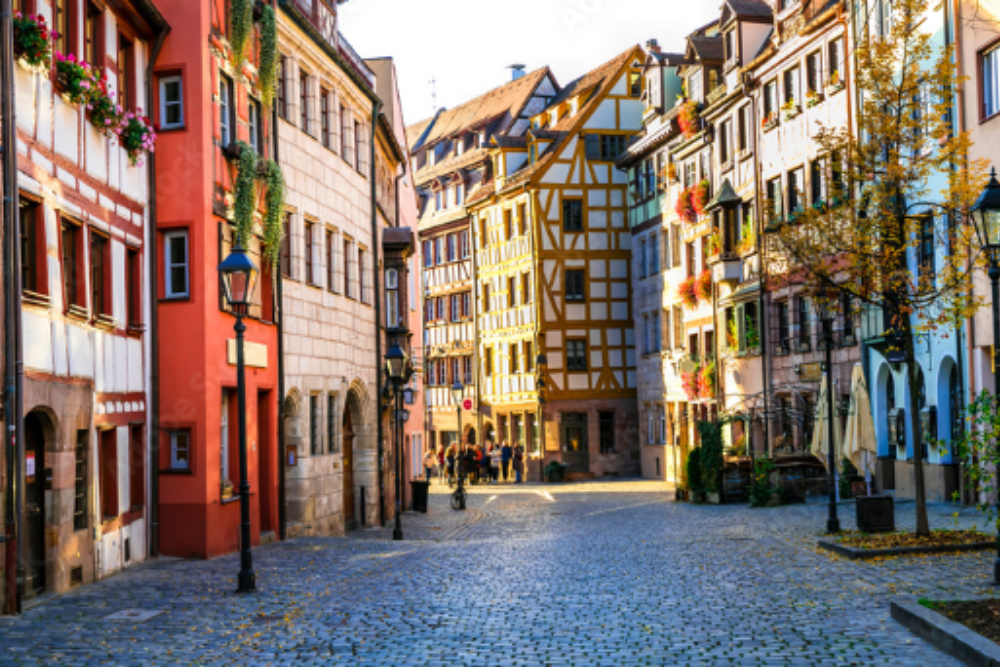
- The palace is situated at the most noteworthy point in Nuremberg’s Old Town, making it effectively open and offering an extraordinary beginning stage for investigating other close by attractions, like Albrecht Dürer’s Home and St. Sebaldus Church.
- In view of its focal area, the palace can get exceptionally occupied, especially during traveler seasons, which can reduce the experience for those looking for a calm visit.
Dos and don’ts in Nuremberg
Dos:
- Do visit the verifiable locales: Investigate Nuremberg Palace, the Nazi Documentation Community, and the Nuremberg Preliminaries Commemoration to acquire bits of knowledge into the city’s mind boggling history.
- Do partake in the neighborhood food: Attempt conventional Franconian dishes like Nuremberg frankfurters (“Nurnberger Bratwurst”) and gingerbread (“Lebkuchen”).
- Do investigate the Christmas Market: If visiting in December, experience the popular “Christkindlesmarkt,” one of the most seasoned and most bubbly business sectors in Germany.
Don’ts:
- Try not to take Nazi-related gifts: Abstain from purchasing or showing whatever might be seen as hostile or rude connected with Nazi history.
- Try not to just zero in on WWII history: Nuremberg has a rich middle age history and culture, so investigate its historical centers, places of worship, and craftsmanship exhibitions.
- Try not to litter: Germany puts high worth on neatness and reusing, so consistently discard squander appropriately.
Best time to reach in Nuremberg
The best chance to visit Nuremberg relies upon your inclinations:
- Spring (April to June): Ideal for charming climate, less groups, and delightful sprouting parks. It’s an extraordinary time for touring and open air exercises.
- Summer (July to August): Warm climate with longer sunshine hours, ideal for celebrations and outside occasions. Notwithstanding, it tends to be packed and more costly because of pinnacle vacationer season.
- Fall (September to November): Gentle temperatures and less travelers make it an extraordinary time for touring. The fall foliage adds appeal to the city.
- Winter (December): Best time for the popular Nuremberg Christmas Market (“Christkindlesmarkt”), one of the most established and most bubbly business sectors in Germany. The city is supernatural during this period, however be ready for cold weather.The best chance to visit Nuremberg relies upon your inclinations: