



Introduction
Scandinavia’s unspoiled wilderness, ranging from icy tundras to dense forests, is a haven for wildlife photography. Home to some of Europe’s most iconic species, such as reindeer, Arctic foxes, and majestic sea eagles, this region offers endless opportunities to capture animals in their natural habitats.
For both amateur and professional photographers, Scandinavia provides a unique blend of dramatic landscapes and elusive creatures. This guide will cover the top wildlife photography spots in Norway, Sweden, Finland, Iceland, and Denmark, along with tips to enhance your photography experience.
1. Svalbard, Norway: The Land of Polar Bears
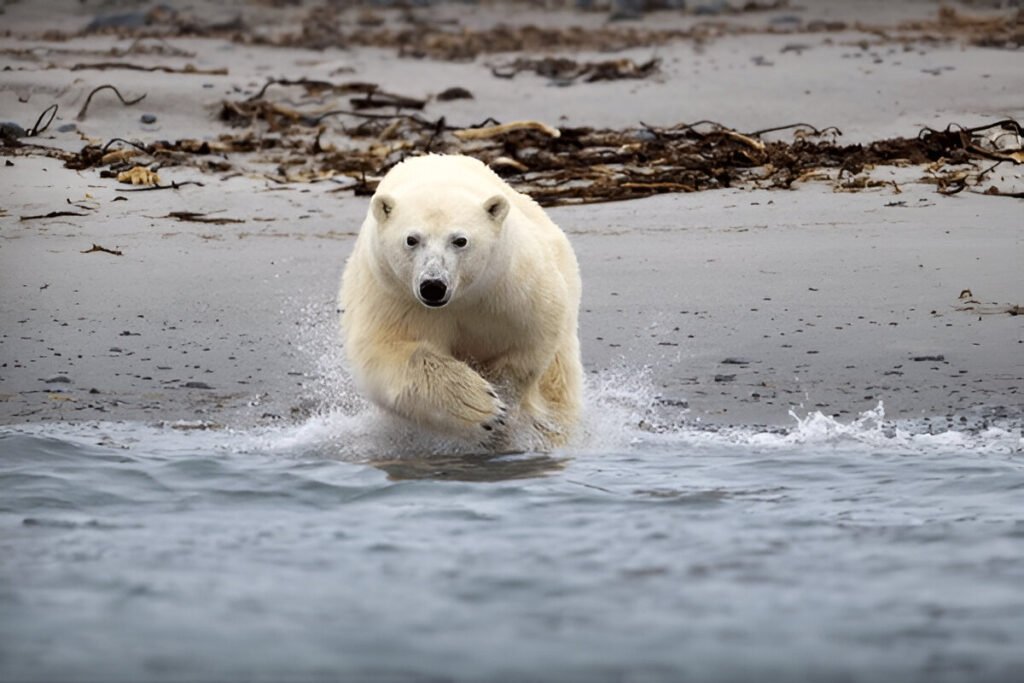
Svalbard is one of the northernmost inhabited places on Earth and a prime destination for photographing Arctic wildlife. The region’s remote location and icy landscapes provide a stunning backdrop for your shots.
Key Wildlife to Photograph:
- Polar Bears: Often spotted on ice floes or near the coast.
- Arctic Foxes: Their white coats blend seamlessly into the snowy environment.
- Walruses: Found basking on ice or near beaches.
Best Photography Spots:
- Ice Fjords: Perfect for capturing polar bears on drifting ice.
- Hornsund Fjord: Known for its rich wildlife and glaciers.
- Longyearbyen: A starting point for guided wildlife photography tours.
Pro Tips:
- Use a telephoto lens to capture animals from a safe distance.
- Visit between May and September for the best light and wildlife activity.
2. Västerbotten, Sweden: Moose and Beyond
Västerbotten, in northern Sweden, is renowned for its dense forests and abundant wildlife. It’s particularly famous for its moose population, often referred to as the “King of the Forest.”
Key Wildlife to Photograph:
- Moose: Best seen in forest clearings at dawn or dusk.
- Brown Bears: Found in the remote northern areas.
- Beavers: Active around rivers and lakes.
Best Photography Spots:
- Vindelfjällen Nature Reserve: A haven for bird and mammal photography.
- Lycksele Wildlife Park: Offers controlled conditions to photograph elusive species.
Pro Tips:
- Visit during autumn to capture moose amid vibrant foliage.
- Bring a tripod for low-light conditions in the forests.
3. Finnish Lapland: The Magic of the Arctic Circle
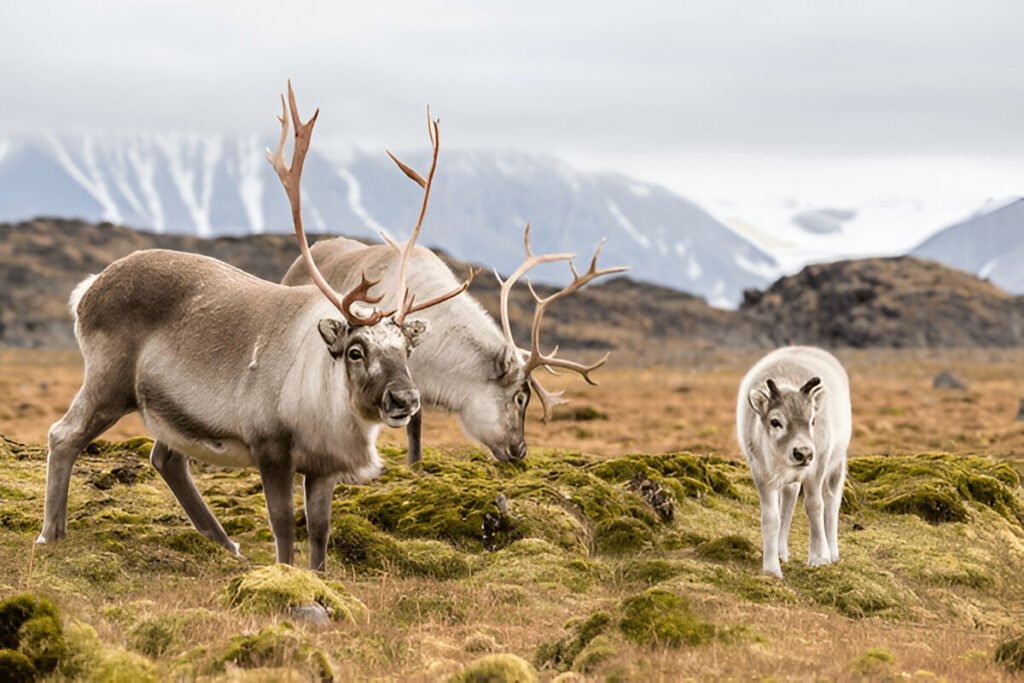
Finnish Lapland is a dream destination for wildlife photographers, offering a chance to capture iconic Arctic animals against a backdrop of snowy landscapes and the Northern Lights.
Key Wildlife to Photograph:
- Reindeer: Often seen roaming freely across the tundra.
- Wolverines: Rare and elusive, but found in Lapland’s remote areas.
- Eagles and Owls: Common in the wilderness.
Best Photography Spots:
- Oulanka National Park: Known for its diverse wildlife and scenic beauty.
- Kuusamo: A hotspot for bird photography, especially owls.
- Ranua Wildlife Park: Great for photographing Arctic animals up close.
Pro Tips:
- Winter offers the best chance to photograph reindeer and snow-covered landscapes.
- Experiment with long exposure to capture animals under the auroras.
4. Vatnajökull National Park, Iceland: Arctic Foxes and Glaciers
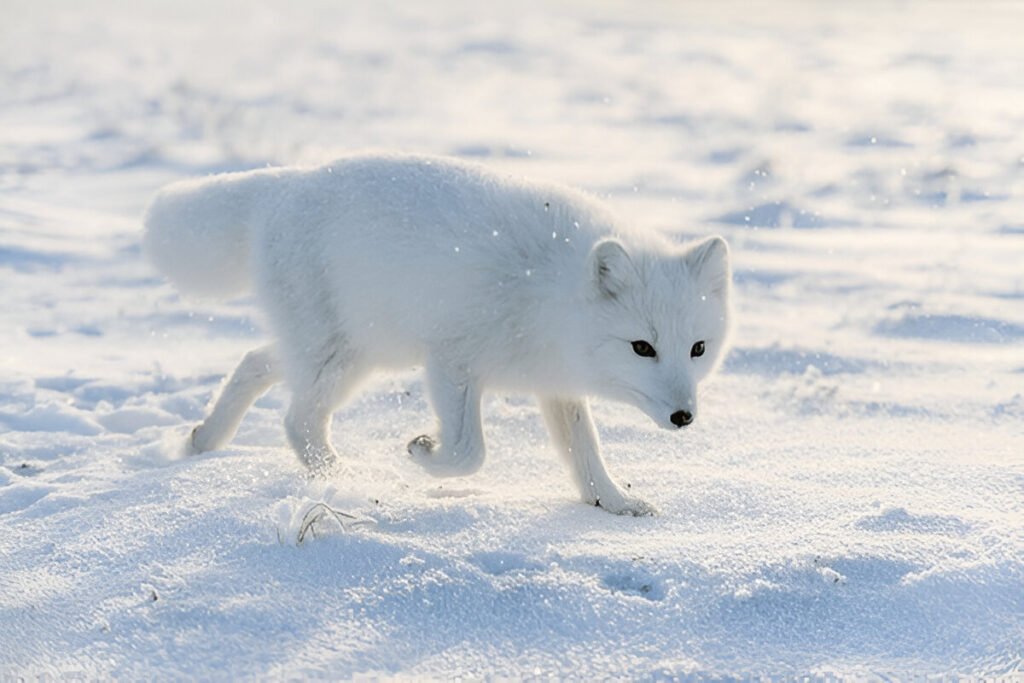
Iceland’s Vatnajökull National Park is not only a stunning landscape but also a habitat for unique wildlife. Its glaciers, rivers, and tundras provide a striking setting for photography.
Key Wildlife to Photograph:
- Arctic Foxes: The only native land mammal of Iceland.
- Seabirds: Puffins, guillemots, and Arctic terns.
- Seals: Often spotted along the icy coastlines.
Best Photography Spots:
- Jökulsárlón Glacier Lagoon: Known for seals and icebergs.
- Hornstrandir Nature Reserve: A secluded spot for Arctic fox photography.
- Skálafellsjökull Glacier: Offers dramatic backdrops for wildlife shots.
Pro Tips:
- Visit during summer for puffins and other seabirds.
- Use a wide-angle lens to incorporate dramatic landscapes into your wildlife shots.
5. Hardangervidda Plateau, Norway: Wild Reindeer
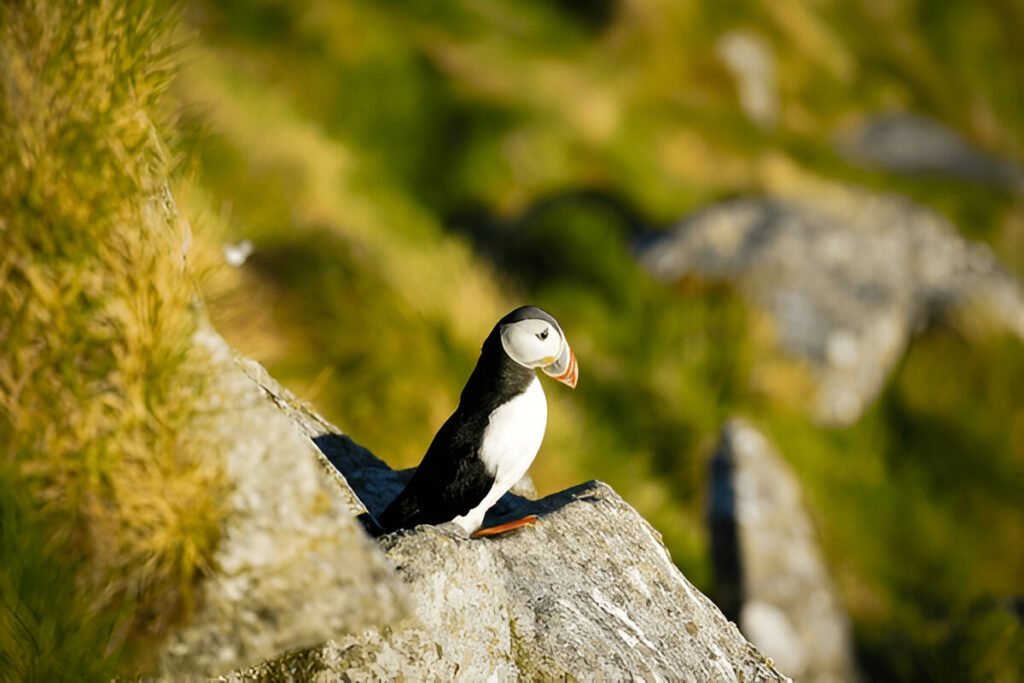
The Hardangervidda Plateau is Europe’s largest mountain plateau and home to one of the continent’s last wild reindeer herds.
Key Wildlife to Photograph:
- Wild Reindeer: Often seen grazing or migrating in herds.
- Arctic Hares: Blending into the snowy surroundings.
- Golden Eagles: Soaring above the plateau.
Best Photography Spots:
- Hardangervidda National Park: Offers ample opportunities to photograph reindeer.
- Haukeli: A popular area for wildlife and landscape photography.
Pro Tips:
- Use a zoom lens to maintain distance from reindeer herds.
- Visit in late summer for the best chance of sightings.
6. Faroe Islands, Denmark: Puffins and Dramatic Cliffs
The Faroe Islands are a birdwatcher’s paradise, offering incredible opportunities to photograph seabirds against dramatic coastal landscapes.
Key Wildlife to Photograph:
- Puffins: Abundant during the summer months.
- Sheep: A cultural symbol of the Faroe Islands.
- Seals: Found along the rocky shores.
Best Photography Spots:
- Mykines: Known as the puffin capital of the Faroe Islands.
- Vestmanna Sea Cliffs: Ideal for photographing nesting seabirds.
- Tindhólmur Islet: Offers unique angles and wildlife.
Pro Tips:
- Visit between May and August to catch puffin nesting season.
- Be prepared for unpredictable weather conditions.
7. Kosterhavet National Park, Sweden: Marine Wildlife
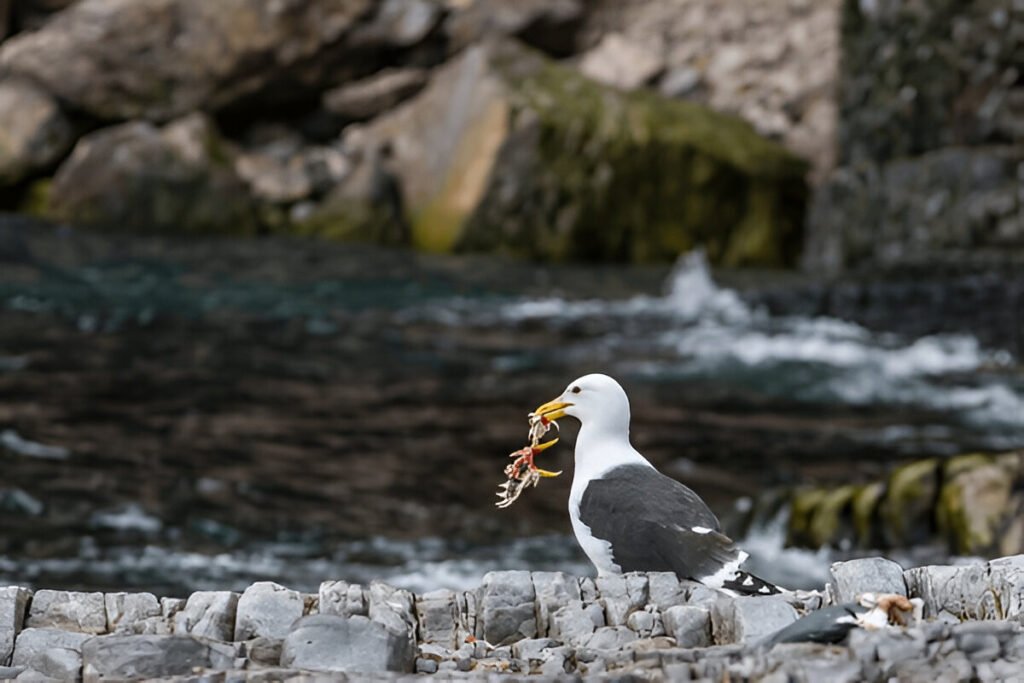
Kosterhavet is Sweden’s first marine national park and an excellent spot for underwater and coastal wildlife photography.
Key Wildlife to Photograph:
- Seals: Often basking on the rocky islands.
- Seabirds: Including cormorants and gulls.
- Marine Life: Colorful fish and coral species in shallow waters.
Best Photography Spots:
- Koster Islands: A prime location for marine wildlife photography.
- Nordkoster: Offers beautiful coastal landscapes.
Pro Tips:
- Use a polarizing filter for underwater shots.
- Visit during summer for calm seas and clear visibility.
Essential Wildlife Photography Tips
- Know Your Equipment:
- Use a telephoto lens (300mm or more) for distant subjects.
- Bring a tripod for stability in low-light conditions.
- Understand Animal Behavior:
- Research the habits and habitats of your target species.
- Practice patience—wildlife photography often requires long waits.
- Respect Nature:
- Maintain a safe distance from animals to avoid disturbing them.
- Follow park rules and ethical wildlife photography guidelines.
- Timing is Key:
- Early morning and late afternoon provide the best lighting and wildlife activity.
- Dress for the Weather:
- Scandinavian climates can be harsh, so layer up and wear waterproof gear.
Planning Your Trip
Best Seasons:
- Summer for puffins, seals, and vibrant birdlife.
- Winter for Arctic foxes, reindeer, and snow-covered landscapes.
Travel Essentials:
- Binoculars to spot distant wildlife.
- Extra batteries and memory cards for your camera.
- A detailed map of wildlife hotspots.
Accommodation:
- Many national parks and reserves offer eco-friendly lodges and campsites.
Conclusion
Scandinavia’s breathtaking landscapes and rich biodiversity make it a paradise for wildlife photographers. From the icy fjords of Svalbard to the vibrant puffin colonies of the Faroe Islands, every corner of this region promises an unforgettable experience.
So grab your camera, head to the wilderness, and capture the untamed beauty of Scandinavia’s wildlife.