


Introduction
Bialystok, located in northeastern Poland, is a vibrant city known for its rich history, cultural diversity, and natural beauty. It serves as the capital of the Podlaskie Voivodeship and is one of the fastest-growing cities in the region. The city boasts a blend of architectural styles, with Baroque and modern buildings alongside green spaces like Branicki Palace and the nearby BialowiezaForest, a UNESCO World Heritage site. Known for its multicultural heritage, Bialystok is a melting pot of Polish, Jewish, Belarusian, and Tatar cultures, which is reflected in its festivals, cuisine, and historic sites. It’s a gateway for outdoor enthusiasts with its close proximity to nature reserves, parks, and scenic landscapes, making it an ideal destination for both cultural exploration and adventure.
Kayaking and Canoeing on the Narew River
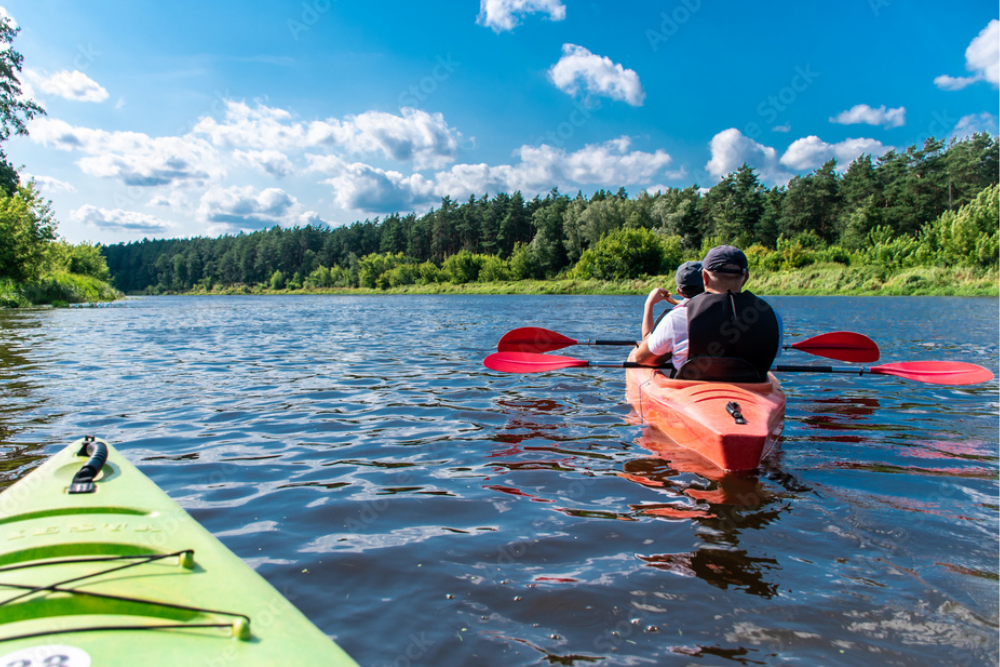
- The Narew River offers opportunities for water adventures such as kayaking and canoeing. The calm waters and beautiful landscapes make it an ideal spot for those looking for a peaceful yet active experience in nature.
Hiking in the Green Lungs of Bialystok
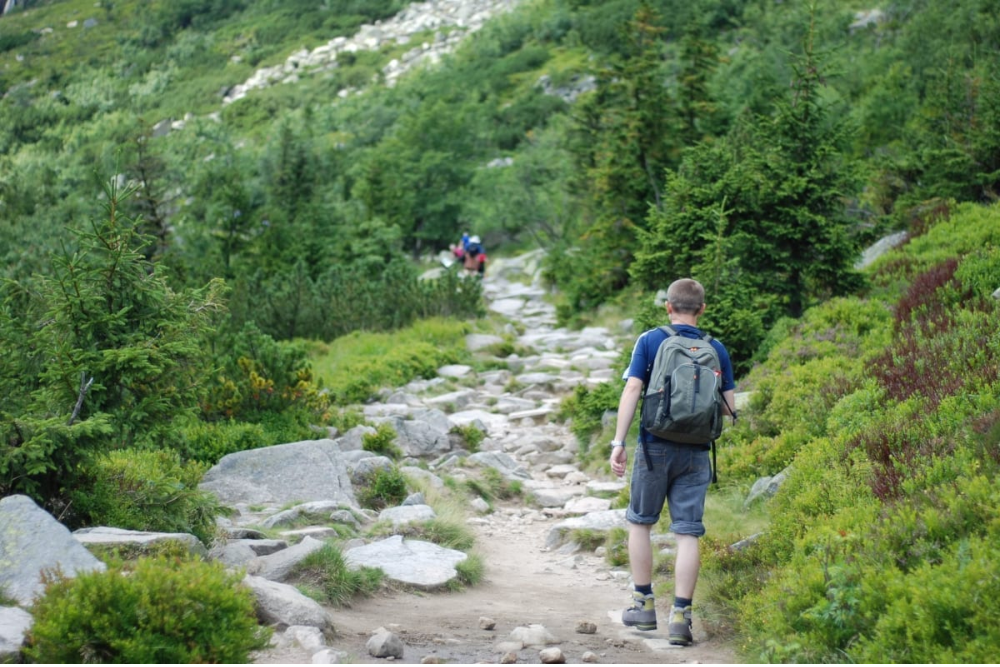
- The region around Bialystok offers several hiking trails that pass through lush forests and picturesque landscapes. The Green Lungs of Bialystok is a natural reserve with plenty of trails for hikers to explore.
Winter Activities in Bialowieza Forest

- In winter, the BialowiezaForest transforms into a magical snow-covered landscape perfect for cross-country skiing and snowshoeing. It’s an ideal destination for adventure lovers during the colder months.
Branicki Palace and Gardens
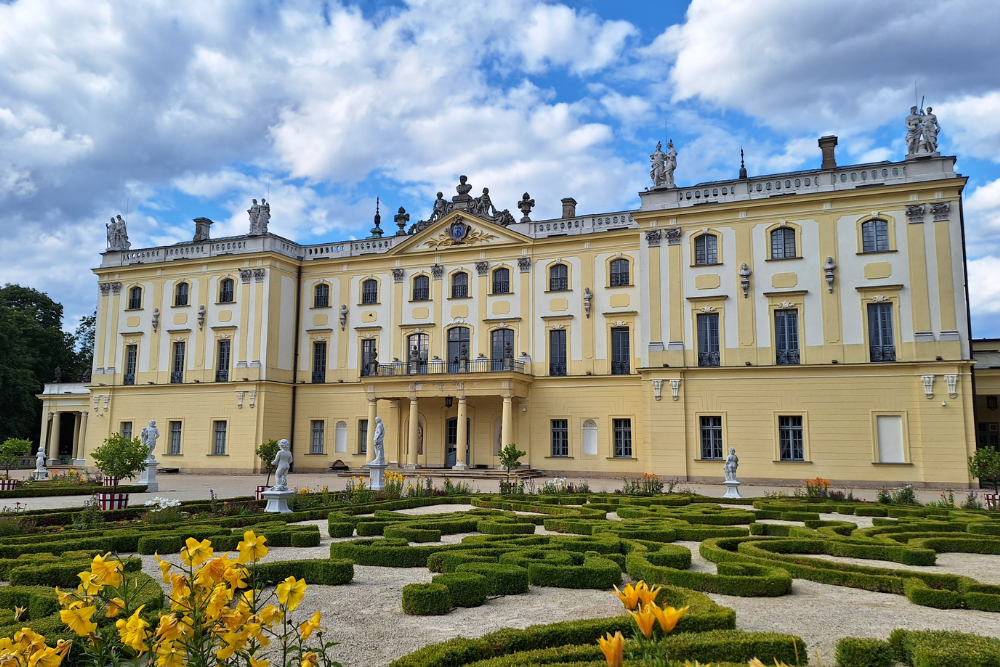
- One of the most iconic landmarks in Bialystok, Branicki Palace is often referred to as the “Polish Versailles.” Visitors can admire its stunning Baroque architecture, stroll through the beautifully designed gardens, and explore the historical exhibitions inside. It’s a must-see for history and architecture enthusiasts.
Bialowieza Forest
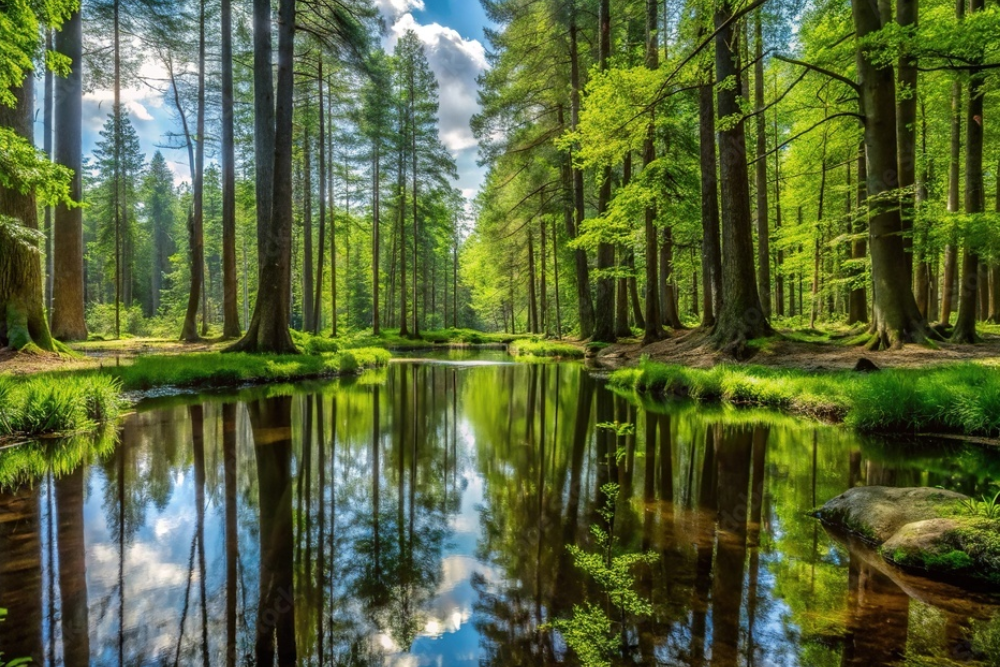
- A short drive from Bialystok, Bialowieza Forest is a UNESCO World Heritage site and one of the last and largest remaining parts of the primeval forest that once covered much of Europe. A paradise for nature lovers and adventure seekers, the forest offers hiking, cycling, and guided tours where you might spot European bison, wild boars, and deer.
Tykocin Castle and the Jewish Heritage Trail
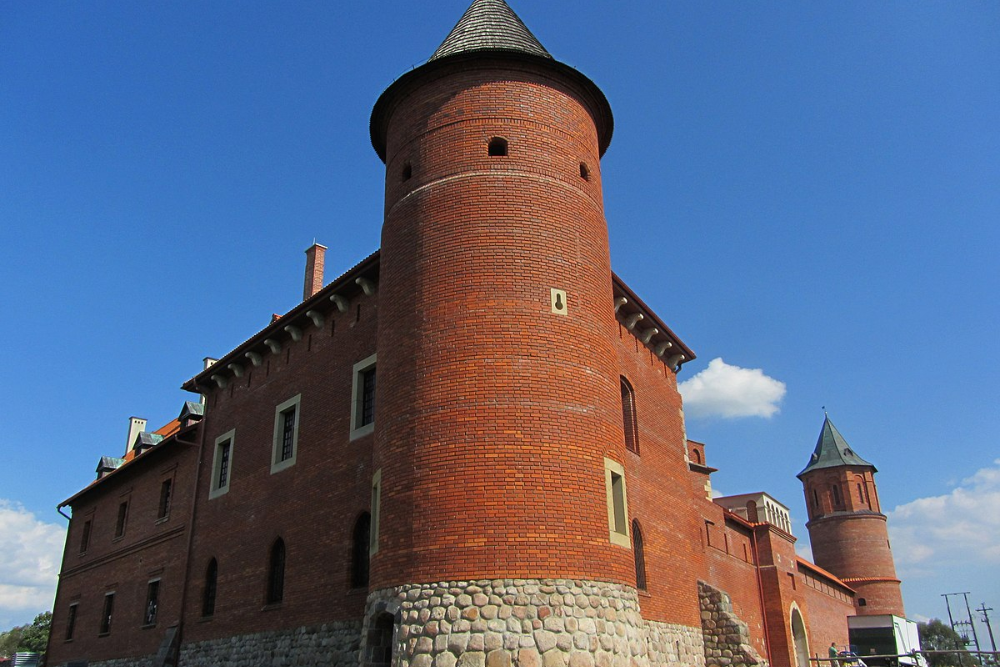
- Visit Tykocin Castle, a medieval fortress near Bialystok, for a glimpse into the region’s history. Explore the nearby Jewish Heritage Trail in Tykocin, which includes the Jewish cemetery, synagogue, and other historical landmarks. This gives you a poignant look at the cultural and historical impact of the Jewish community in this area.
The Cathedral of Bialystok
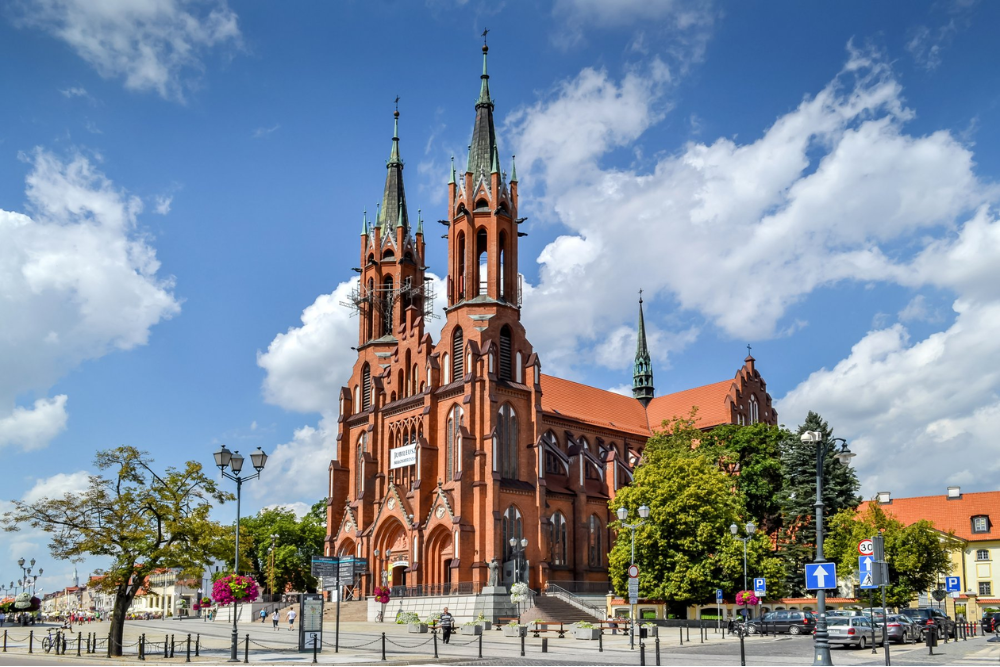
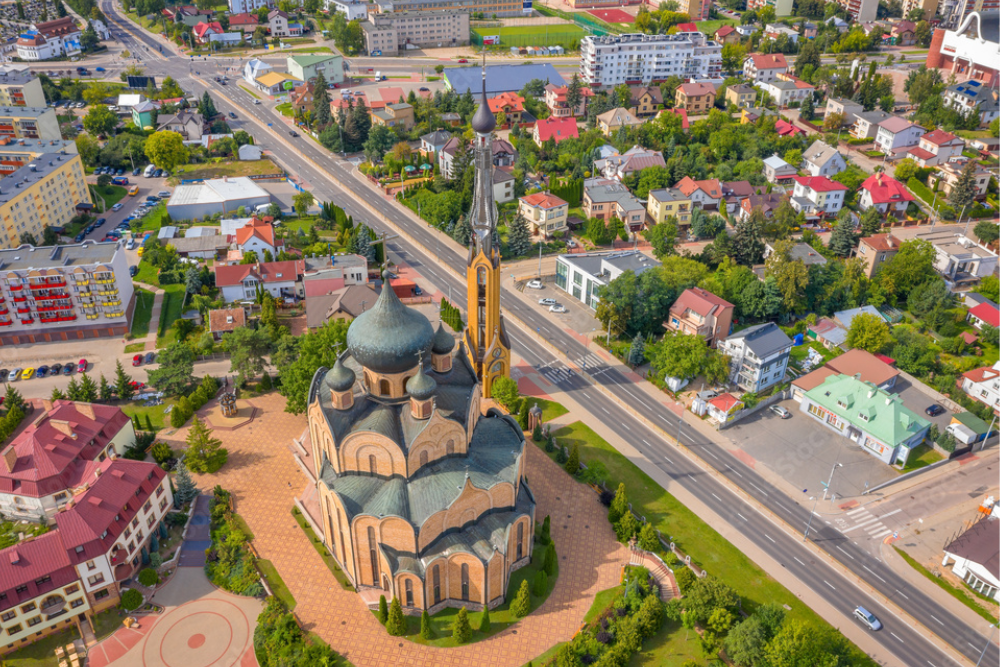
- The Cathedral of St. Nicholas is one of the most impressive churches in the city, known for its beautiful interior, serene atmosphere, and historical significance. It’s a peaceful place for reflection and an architectural gem in the city’s heart.
Cycling Around Bialystok
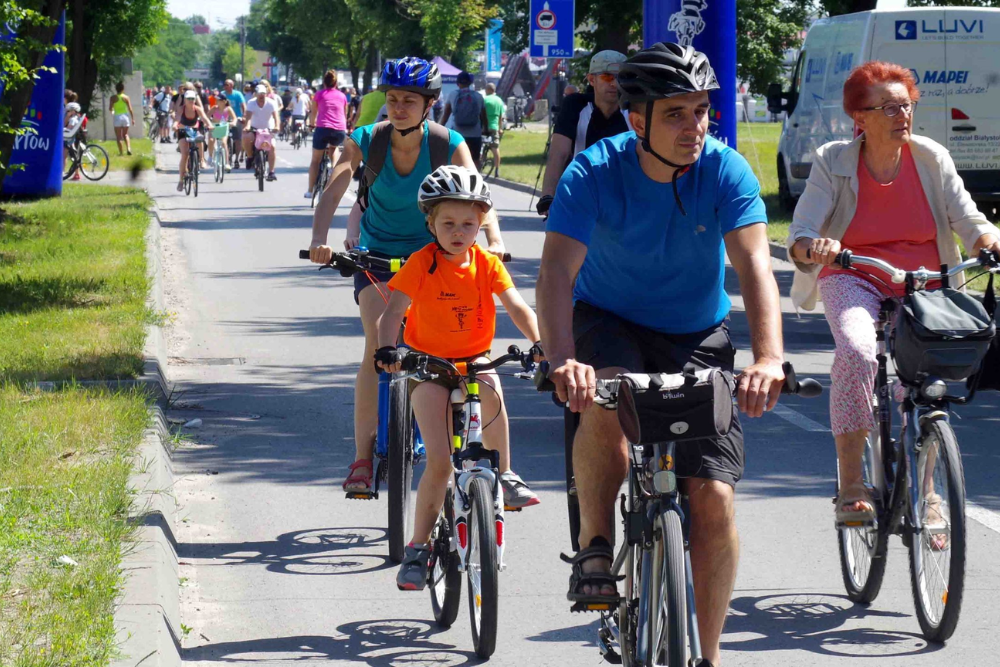
- Bialystok is a cyclist-friendly city with well-maintained paths and beautiful green spaces. The surrounding countryside offers picturesque cycling routes, making it ideal for outdoor adventures. Rent a bike and enjoy the landscapes of the region, or venture out to the nearby BialowiezaForest for a nature-filled cycling experience.
Bialystok’s Nightlife and Cafes
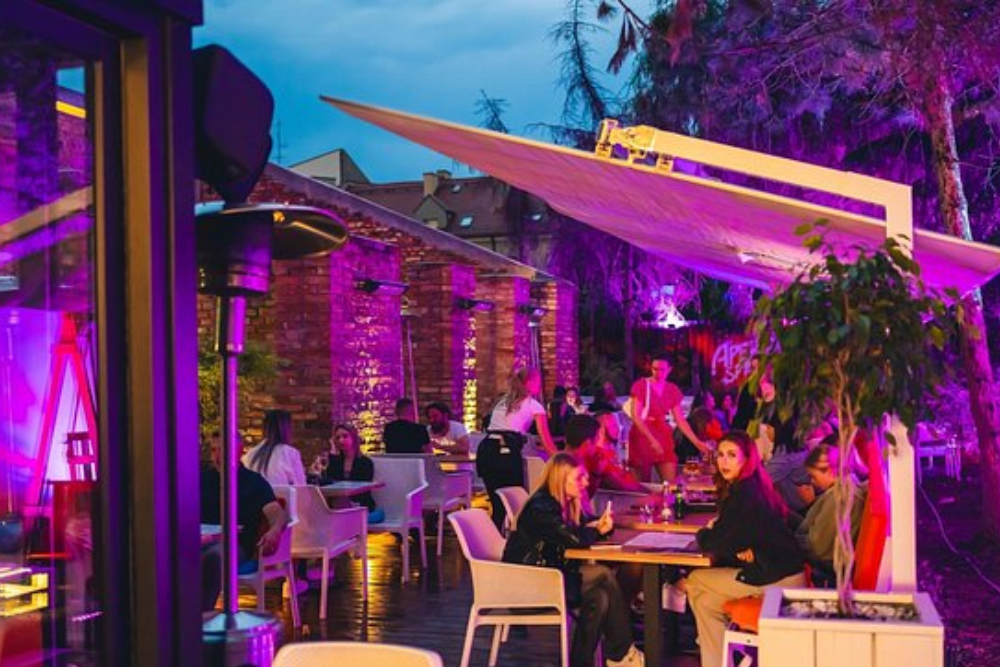
- Bialystok has a youthful and vibrant atmosphere thanks to its large student population. The city has numerous cafes, pubs, and clubs that offer a lively nightlife scene. Enjoy a coffee at a cozy cafe or dance the night away in one of the city’s popular nightclubs.
Dos and Don’ts in Bialystok
Dos:
- Do Explore the Local Culture: Bialystok is a city with a rich cultural heritage, so take time to visit its museums, such as the Podlasie Museum, and attend performances at the Bialystok Opera and Philharmonic.
- Do Respect the Multicultural Environment: Bialystok is home to various ethnic groups, including Polish, Jewish, Belarusian, and Tatar communities. Embrace the diversity and show respect for different cultures and traditions.
- Do Visit Branicki Palace and Gardens:
A visit to Branicki Palace is a must, with its stunning Baroque architecture and beautifully maintained gardens. It’s one of the city’s top attractions.
Don’ts:
- Don’t Disrespect the City’s History: Bialystok has a complex history, especially with its Jewish community. Be respectful when visiting historical sites like the Jewish Cemetery or Holocaust memorials.
- Don’t Expect Widespread English Proficiency: While many people in Bialystok understand basic English, it’s not as widely spoken as in larger cities. Learn a few basic Polish phrases to make your experience more enjoyable.
- Don’t Ignore Local Traditions and Etiquette:
In some settings, like churches or religious sites, it’s important to dress modestly and act with respect. Avoid loud behavior, especially in sacred places.
Best time to reach in Bialystok
The best time to visit Bialystok largely depends on what you want to experience, but generally, late spring to early autumn (May to September) is considered the most favorable time for tourists.
- Spring (April to June):
This is a wonderful time to visit, as the weather is mild and the city’s parks and gardens are in full bloom. The temperature ranges from 10°C to 20°C (50°F to 68°F), making it comfortable for outdoor activities. - Summer (July to August):
Summer is a popular time to visit due to the warm weather and the variety of cultural festivals, such as the Bialystok Cathedral Festival. Temperatures typically range from 20°C to 25°C (68°F to 77°F), and the long days allow for plenty of sightseeing. - Autumn (September to October):
Early autumn is another great time to visit as the weather is still mild, and the changing colors of the trees in the parks and surrounding nature areas make it a beautiful time for outdoor exploration. Temperatures are between 10°C to 18°C (50°F to 64°F).