


Introduction
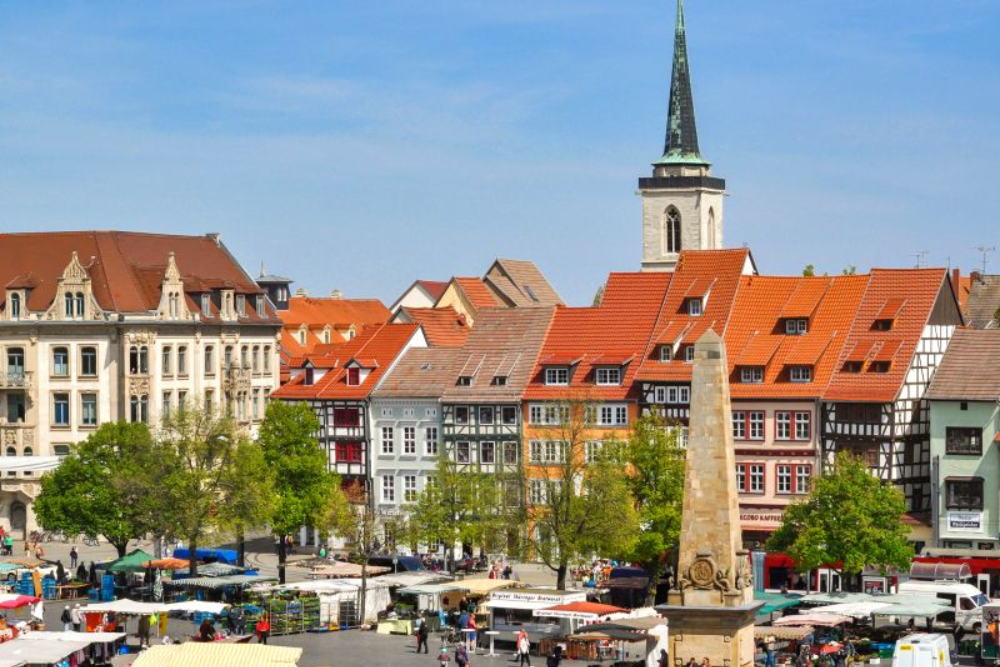
Osnabruck is a notable city in Lower Saxony, Germany, known for its rich social legacy and importance in European history. It was one of the urban communities where the Tranquility of Westphalia was haggled in 1648, finishing the Thirty Years’ Conflict, giving the city the title “City of Harmony.” Osnabruck enchanting Old Town is loaded up with archaic engineering, cobbled roads, and tourist spots like the Gothic-style St. Peter’s Church building and the Municipal center, where harmony dealings occurred. The city is likewise home to the Felix Nussbaum House, an exhibition hall committed to crafted by the Jewish painter Felix Nussbaum, planned by planner Daniel Libeskind. Encircled by lavish vegetation and timberlands, Osnabruck offers a lot of outside exercises, particularly in the close by Teutoburg Woodland. With its mix of history, workmanship, and nature, Osnabrück is an enchanting objective for both social fans and nature darlings.
Historical Significance
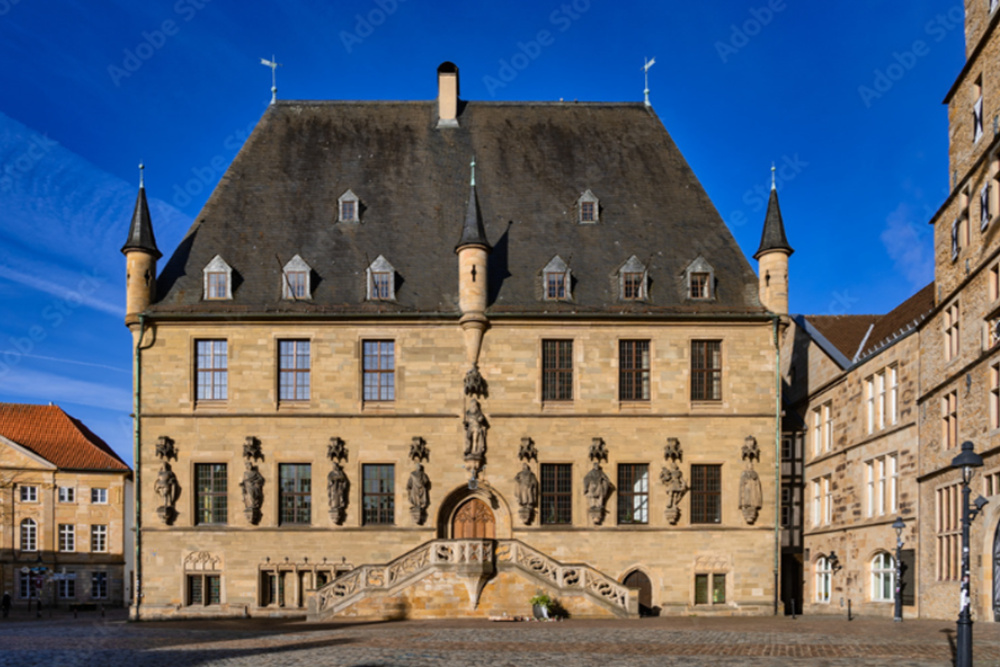
- Osnabruck assumed a vital part in European history as the site where the Tranquility of Westphalia was marked, finishing the Thirty Years’ Conflict. This arrangement laid the basis for current state sway and global tact. The city’s authentic importance is praised through different landmarks and shows.
Osnabruck Cathedral
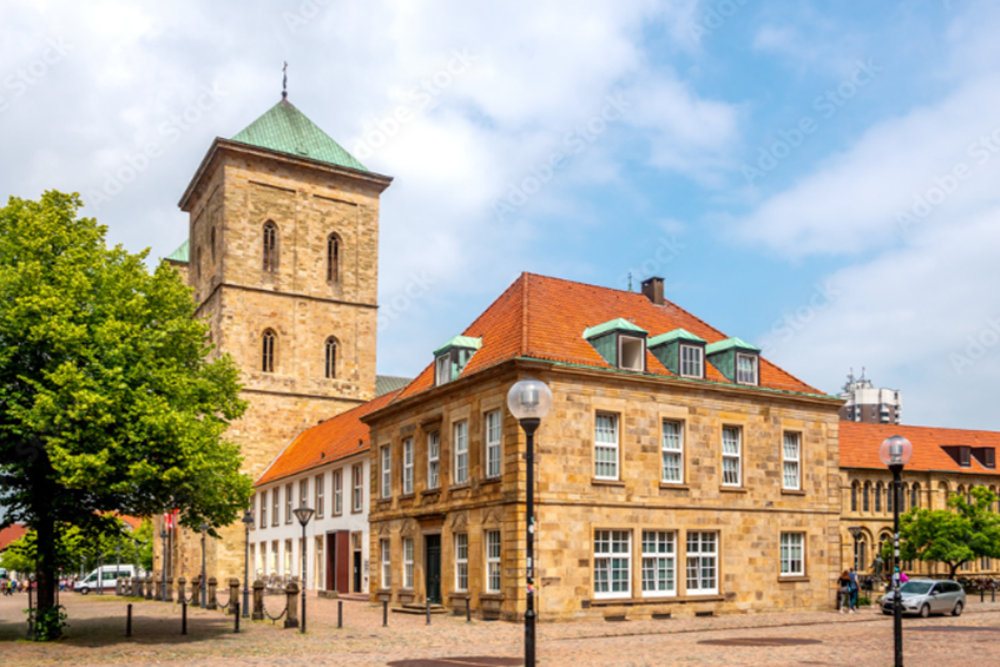
- The Osnabruck Basilica (Dom St. Peter) is a staggering illustration of Romanesque and Gothic engineering, tracing all the way back to the eleventh hundred years. Guests can investigate its great inside, which incorporates perplexing stained glass windows, lovely sanctuaries, and the grave. The church is a significant social milestone in the city.
The Peace of Westphalia Museum
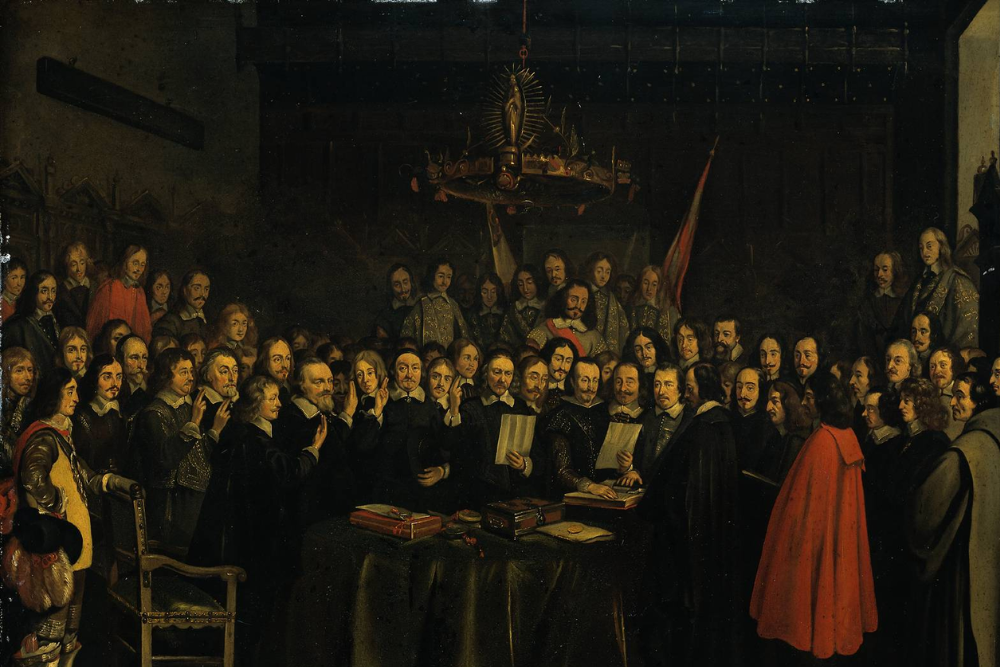
- Situated in the notable municipal center, the Tranquility of Westphalia Gallery offers guests a profound jump into the occasions that prompted the marking of the ceasefire. The gallery highlights intelligent shows, verifiable relics, and interactive media introductions that rejuvenate the historical backdrop of the arrangement.
Cultural Scene
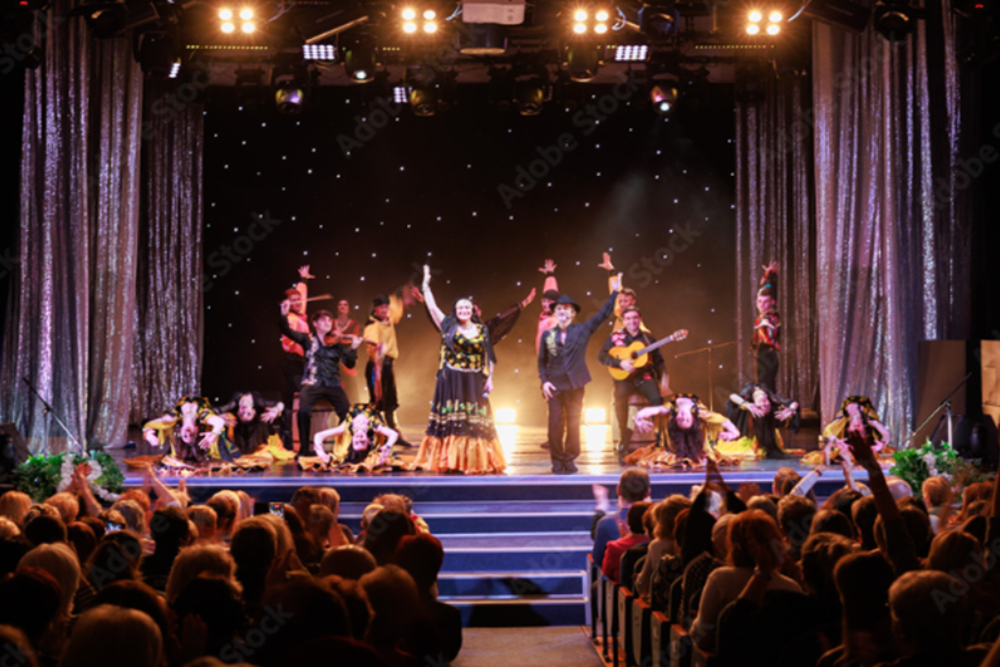
- Osnabruck has an energetic social scene with various theaters, exhibitions, and music settings. The Osnabrück Theater has various exhibitions, including plays, shows, and shows. Moreover, the city holds different celebrations consistently, praising expressions, music, and neighborhood customs.
Natural Beauty
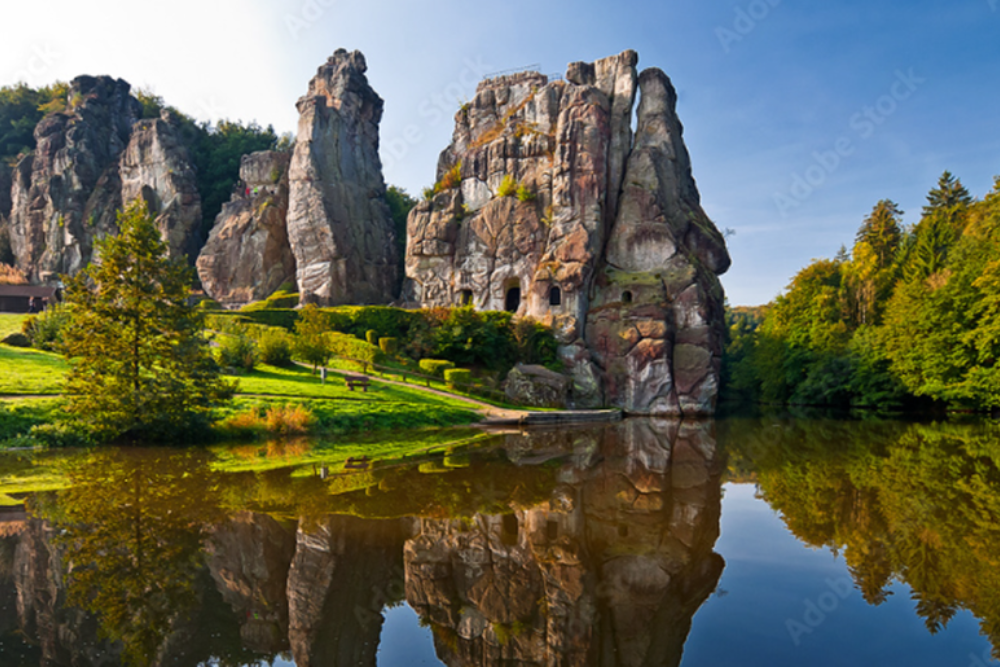
- The locale encompassing Osnabruck offers wonderful scenes, including the Teutoburg Woodland and the Wiehen Slopes, ideal for climbing, cycling, and open air exercises. The close by Osnabruck Nature Park gives potential open doors to nature darlings to investigate different greenery.
Botanical Garden

- The Osnabruck Professional flowerbed, part of the College of Osnabrück, is a quiet desert garden in the city. It includes various plants from around the world, themed gardens, and peaceful strolling ways, making it an ideal spot for unwinding and training.
Historic Castles and Manor Houses
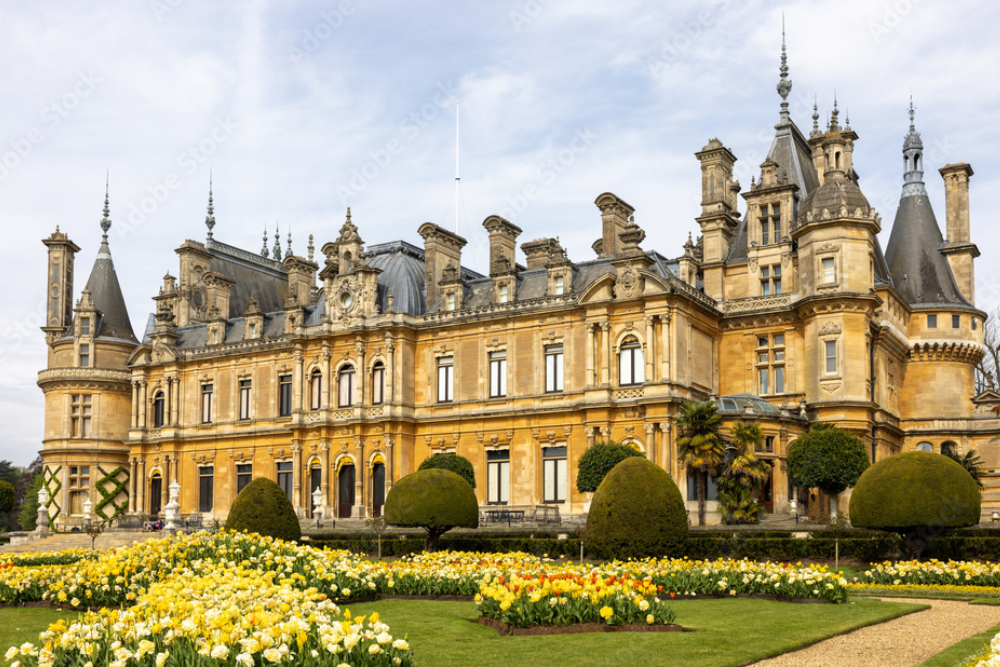
- The area around Osnabruck is spotted with lovely palaces and houses, like Schloss Osnabrück and Burgmannshof. These notable locales frequently have occasions, shows, and directed visits, giving knowledge into the area’s honorable history.
Dos and Don’ts in Osnabruck
When visiting Osnabrück, it’s important to be aware of local customs and behaviors to ensure a respectful and enjoyable trip. Here are some dos and don’ts to keep in mind:
Dos:
- Do explore the Old Town (Altstadt): Osnabrück’s medieval Old Town is rich with history. Be sure to visit key sites like the Town Hall, St. Peter’s Cathedral, and the Heger Gate (a memorial to the Battle of Waterloo).
- Do visit the Felix Nussbaum Haus: The museum, dedicated to the works of Jewish painter Felix Nussbaum, is a must-see for art lovers. The building, designed by Daniel Libeskind, is an architectural masterpiece.
- Do enjoy the outdoor markets: Visit the Osnabrück Farmers’ Market at the Domplatz (Cathedral Square), especially on Saturdays. It’s a great spot to taste local produce, regional cheeses, and pastries.
Don’ts:
- Don’t take photos in churches without permission: While many churches in Osnabrück are open to visitors, avoid taking photographs during services or without asking for permission.
- Don’t jaywalk: Even though Osnabrück is a relatively small city, locals strictly follow pedestrian rules. Cross streets at designated crosswalks and wait for the green light.
- Don’t forget to carry cash: While many places in Osnabrück accept cards, smaller shops, cafes, and market stalls often prefer cash. It’s a good idea to have some euros on hand.
Best Time to Reach in Osnabruck
The best opportunity to visit Osnabrück relies upon the kind of involvement you’re searching for, as the city offers something exceptional in each season. Here is a breakdown of what each season offers:
-
Spring (Walk to May) – Best for Gentle Climate and Sprouting Parks
- Spring brings gentle temperatures, going from 10°C to 18°C (50°F to 64°F), and the city’s parks, similar to the Professional flowerbed and Schlossgarten, burst into blossom. The new, green scenes and lovely weather conditions make it an extraordinary time for outside exercises like strolling and spinning through the Teutoburg Woods.
- Visiting parks, appreciating open air showcases, and investigating the Old Town with less travelers.
2. Summer (June to August) – Best for Celebrations and Outside Exercises
- Summer is an enthusiastic season in Osnabrück, with temperatures averaging somewhere in the range of 18°C and 25°C (64°F to 77°F). It’s the best time for open air celebrations, far-reaching developments, and investigating the city’s outside attractions. The long sunshine hours likewise make it ideal for touring and climbing in neighboring nature regions.
- Osnabruck Weinfest (Wine Celebration) in August, highlighting neighborhood and global wines.
- Open air shows and exhibitions at the city’s many parks.
- Getting a charge out of outside occasions, climbing, and cycling.
3. Harvest time (September to November) – Best for Less Groups and Fall Tones
- Harvest time offers cooler, agreeable temperatures going from 10°C to 16°C (50°F to 61°F) and the staggering shades of fall foliage. It’s a calmer opportunity to visit, with less groups, causing it ideal for the people who to favor a serene air.
- Martinsmarkt, a conventional fall market held in November, highlighting neighborhood specialties, food sources, and occasional produce.
- Investigating the city’s memorable destinations, strolling in the parks, and getting a charge out of nearby occasional food.
4. Winter (December to February) – Best for Christmas Markets and Social Investigation
- Winter in Osnabrück is cold, with temperatures going from – 1°C to 5°C (30°F to 41°F), but on the other hand it’s a mystical opportunity to encounter the city’s Christmas engage. The Osnabrück Christmas Market, set against the background of the middle age municipal center and basilica, is one of the features of the time. Warm up with pondered wine, gingerbread, and other bubbly treats.