


Introduction
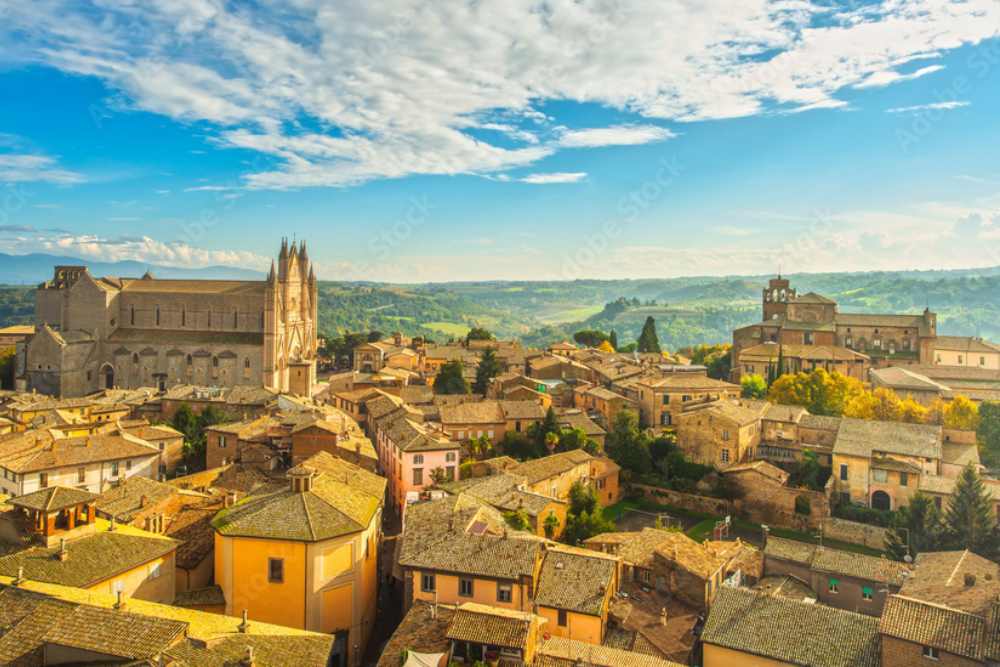
Terni, situated in the Umbria locale of focal Italy, is a city wealthy in both modern history and regular magnificence. Known as the “City of Steel” because of its conspicuous job in Italy’s steel creation, Terni offsets its modern legacy with an abundance of social and normal attractions. The city is home to Cascata delle Marmore, quite possibly of the tallest man-made cascade in Europe, which draws guests for its dazzling perspectives and outside exercises like climbing, kayaking, and canyoning.
Cascata delle Marmore
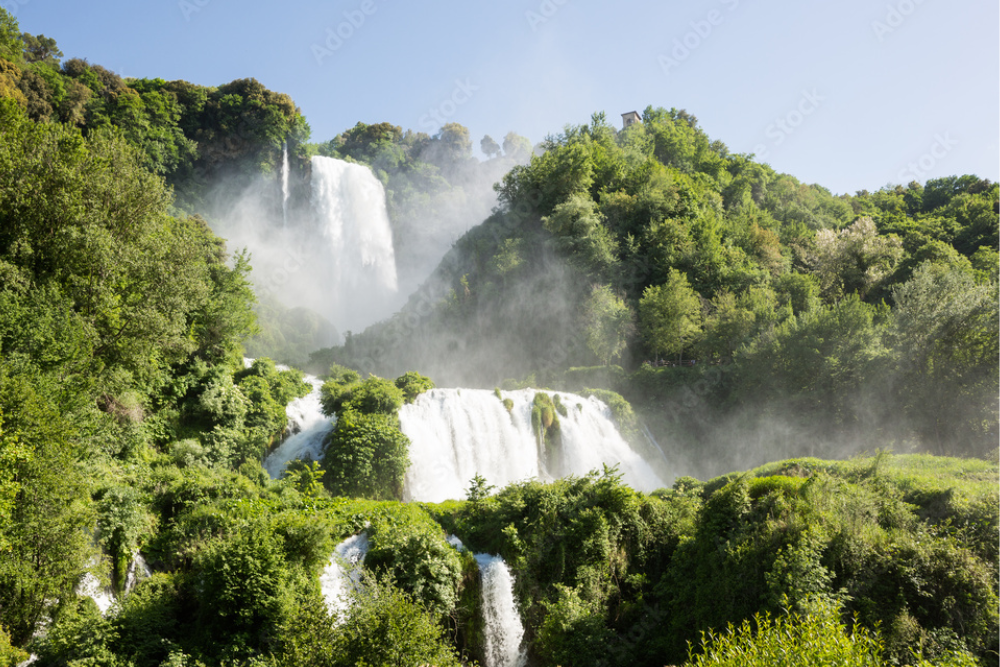
- Cascata delle Marmore is, without uncertainty, Terni’s most notorious milestone and perhaps of the tallest man-made cascade on the planet. Made by the Romans in 271 BC, this dynamite cascade was designed to redirect the Velino Waterway into the Nera Stream. The falls arrive at a level of 165 meters (541 feet), flowing north of three levels. Guests can investigate six all around checked climbing trails of shifting trouble, giving exceptional perspectives of the cascade and encompassing view. The region is likewise well known for wilderness boating, canyoning, and kayaking along the Nera Stream, making it a shelter for experience devotees. In the nights, the cascade is frequently enlightened, giving a supernatural scene to travelers.
Lago di Piediluco
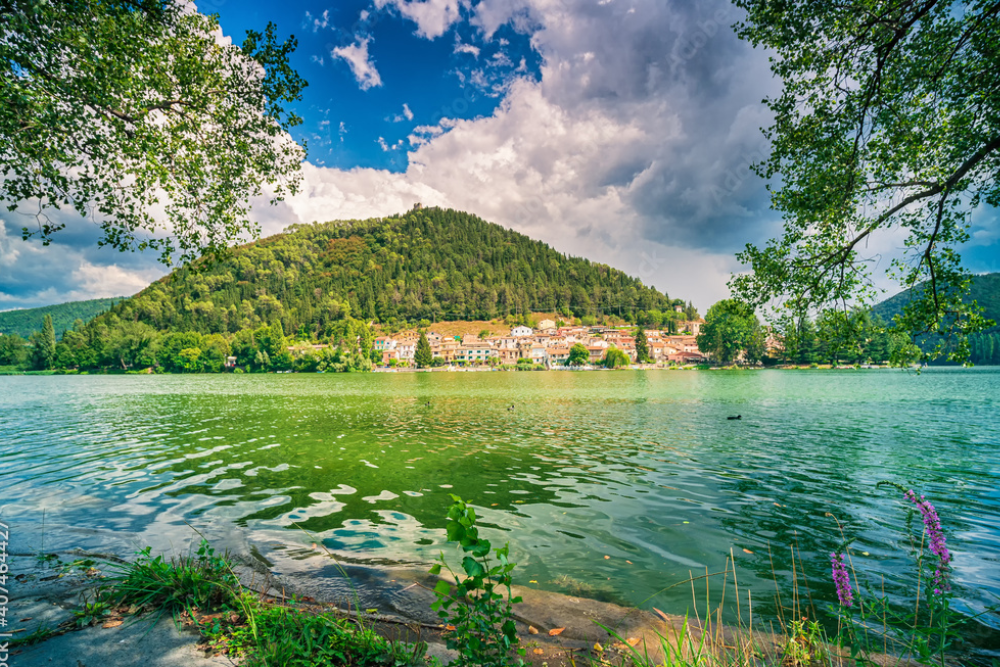
- Arranged right external Terni, Lago di Piediluco is a beautiful lake encircled by moving slopes. The quiet climate makes it an ideal objective for guests looking for harmony and unwinding. The town of Piediluco, situated on the lake’s edge, offers beguiling archaic roads to investigate, as well as eateries serving nearby Umbrian food. Guests can take boat rides, go kayaking, or appreciate lakeside strolls to take in the stunning view. The lake is likewise home to the yearly Piediluco Global Paddling Regatta, which draws in competitors from around the world. It’s the ideal spot for nature sweethearts and those looking for a loosening up retreat in the open country.
Valnerina
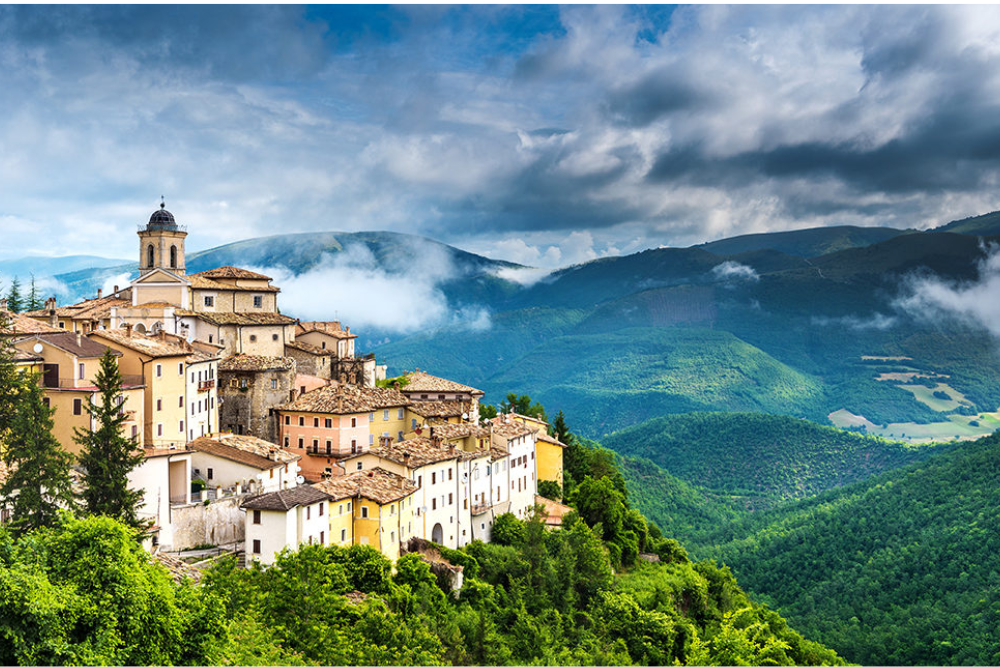
- Valnerina, the valley encompassing the Nera Waterway, is one more feature for outside travelers. It offers a scope of exercises, from mountain trekking to climbing along the lavish paths that confuse the locale. The valley is dabbed with middle age towns and cloisters, giving a feeling of profound verifiable roots joined with dazzling normal scenes. For adrenaline junkies, boating down the Nera Waterway gives an invigorating method for encountering the locale’s normal magnificence very close. Narni, a close by town with a middle age community, is an extraordinary stop en route for guests intrigued by history and design.
Monte Terminillo
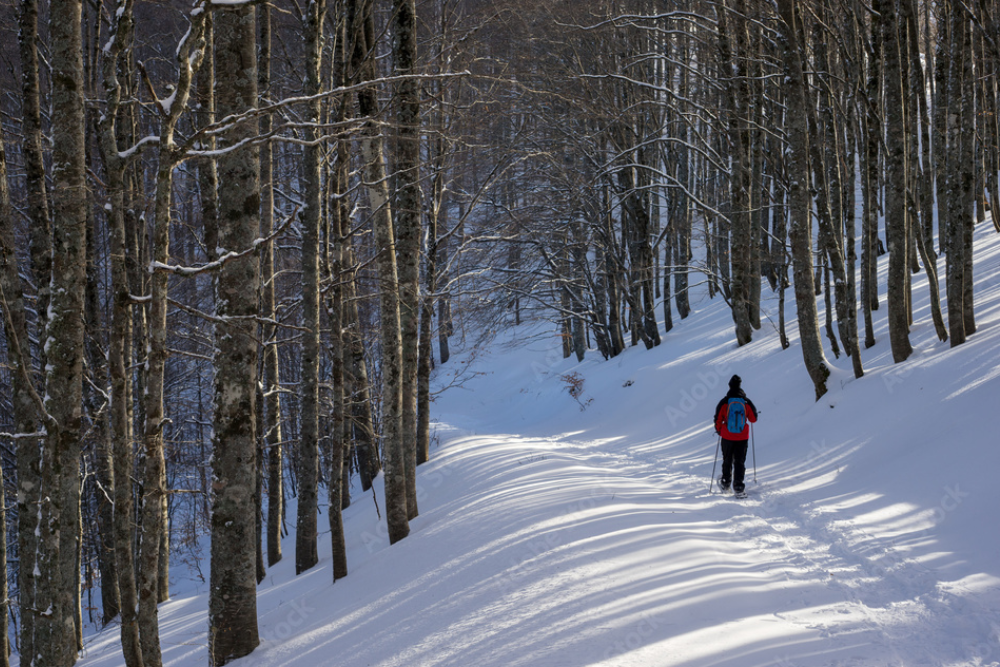
- For open air travelers, Monte Terminillo, part of the Apennine mountain range, is a magnificent objective for both summer and winter exercises. In winter, it turns into a famous ski resort with slants for skiing and snowboarding. During the hotter months, it’s a center point for climbing, mountain trekking, and in any event, paragliding, with trails offering all encompassing perspectives over the Umbrian open country. The cool mountain air and shocking vistas make it an ideal break from the mid year heat. Whether guests are searching for a colder time of year wonderland or a late spring experience, Monte Terminillo offers all year fervor.
Parco Fluviale del Nera
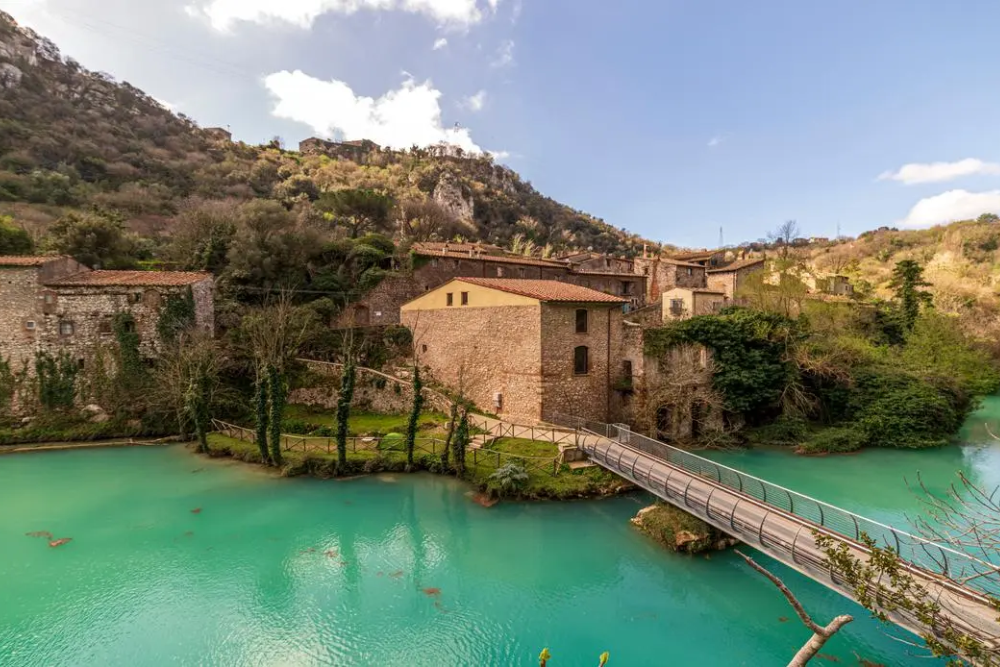
- Parco Fluviale del Nera is a safeguarded nature hold along the Nera Stream. Known for its immaculate climate, the recreation area offers various climbing and trekking trails that permit guests to investigate the district’s rich vegetation. The recreation area is an extraordinary spot for birdwatching, picnicking, or just partaking in the serene regular environmental factors. The riverside trails give staggering perspectives on the completely clear water and encompassing mountains, making it an ideal spot for a day of outside exercises and unwinding.
Basilica of San Valentino
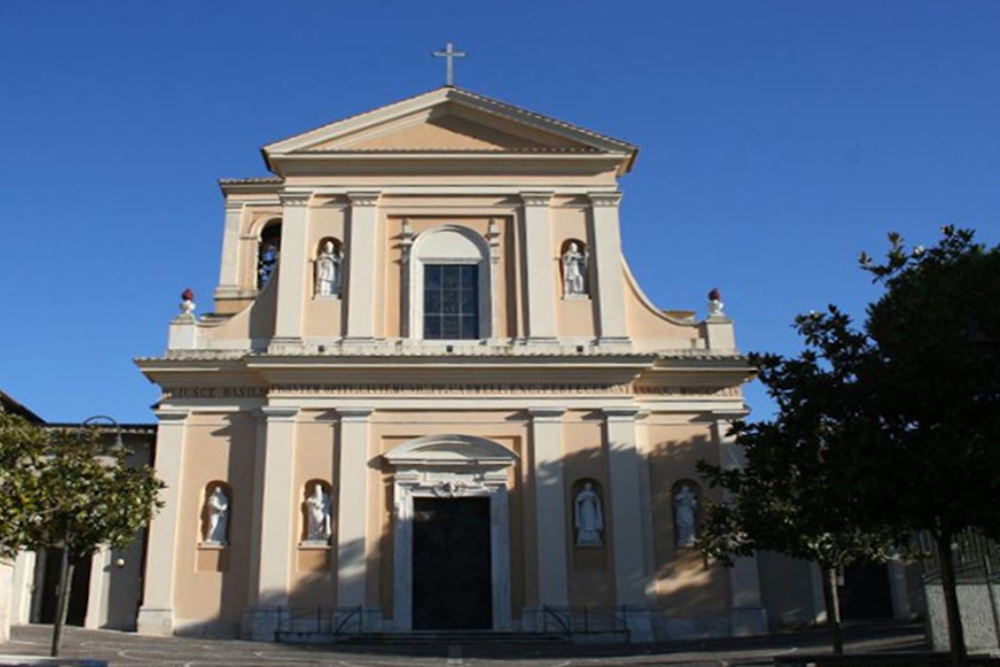
- Basilica of San Valentino is committed to St. Valentine, the benefactor holy person of adoration, whose relics are housed in the congregation. Every February, Terni turns into a focal point of festivity for Valentine’s Day, with celebrations, parades, and occasions committed to the holy person. The actual basilica is a position of journey for couples and people looking for endowments for their connections. The perfectly enriched inside and tranquil climate make it a huge profound and social site in Terni.
Palazzo Spada
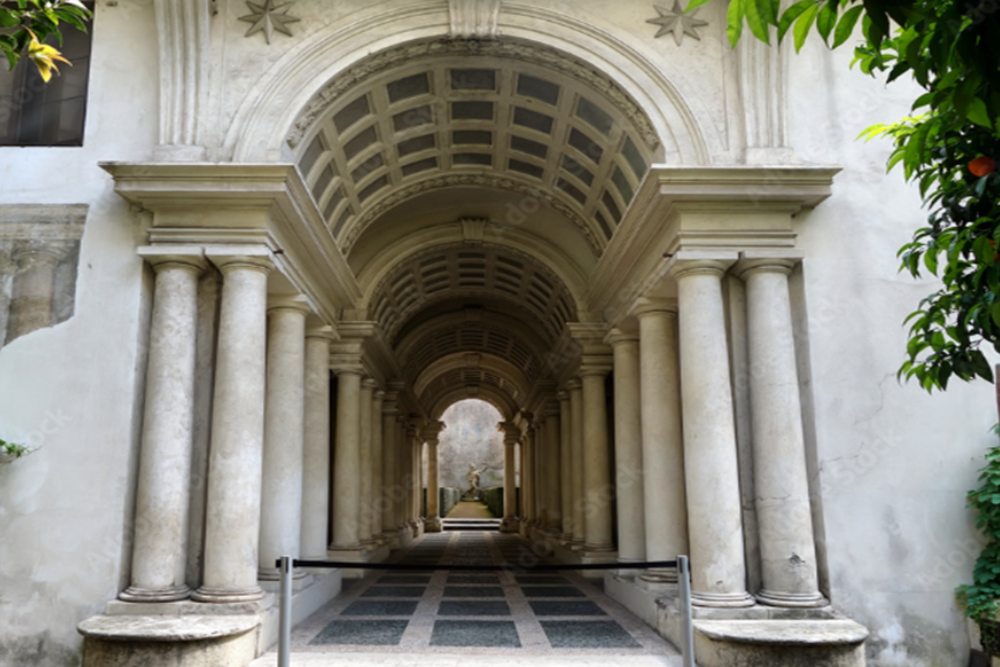
- Palazzo Spada, a Renaissance royal residence in the core of Terni, presently fills in as the city’s metropolitan structure. Its exquisite engineering, portrayed by great frescoes and complex subtleties, is a demonstration of the imaginative and social legacy of the city. Guests can investigate a few pieces of the royal residence, which periodically have shows and occasions. The structure offers a brief look into the distinguished past of Terni and is a vital illustration of Renaissance design in the district.
Dos and Don’ts in Terni
Here’s a helpful guide to the dos and don’ts when visiting Terni, Italy, to ensure a smooth and enjoyable experience:
Dos
- Do Visit Cascata delle Marmore: This spectacular man-made waterfall is one of the top attractions in Terni. There are multiple viewpoints and hiking trails, and you can even enjoy activities like rafting and kayaking nearby.
- Do Explore Local History: Visit the Church of St. Valentine, dedicated to the city’s patron saint, and explore the Roman Amphitheater to get a sense of Terni’s ancient past.
- Do Try the Local Cuisine: Indulge in Umbrian specialties such as truffles, pasta alla Norcina, and local olive oil. Visit small trattorias for an authentic dining experience.
Don’ts
- Don’t Rush Your Visit to Cascata delle Marmore: Plan to spend several hours at the falls. Don’t just stop for a quick photo; take the time to explore the different trails and viewpoints.
- Don’t Forget to Dress Modestly in Churches: Terni has several important churches and religious sites. Ensure you wear modest clothing (covered shoulders and knees) when visiting sacred places like the Church of St. Valentine.
- Don’t Ignore Public Transportation Schedules: Terni has a reliable but limited public transportation system, particularly in rural areas. Always check bus or train schedules ahead of time to avoid being stranded.
Best time to reach in Terni
The best opportunity to visit Terni is throughout the spring (April to June) and fall (September to October). Here’s the reason:
- Spring (April to June):
- Charming Climate: Temperatures range from 15°C to 25°C (59°F to 77°F), making it ideal for outside exercises, for example, climbing at Cascata delle Marmore and investigating Terni’s regular and authentic destinations.
- Lavish View: The encompassing Umbrian field is in full sprout, offering lively scenes, especially close to the cascade and public parks.
- Less Groups: Spring is a calmer time before the mid year vacationer rush, considering a more quiet encounter.
- Fall (September to October):
- Gentle Temperatures: With temperatures around 15°C to 23°C (59°F to 73°F), it’s one more incredible season for outside experiences and social investigation without the late spring heat.
- Collect Celebrations: Pre-winter brings nearby food celebrations praising the locale’s olive oil, truffles, and wine, adding a culinary enjoyment to your visit.
- Dazzling Fall Tones: The scenes are delightfully shaded with fall foliage, making it a beautiful opportunity to investigate the open country.
- Keeping away from Summer and Winter:
- Summer (July and August) can be blistering, with temperatures coming to 30°C (86°F) or higher, which can be awkward for outside exercises.
- Winter (November to February) can be cold and stormy, with less occasions and outside potential open doors.
- Consequently, spring and fall offer the best mix of agreeable climate, lovely view, and various exercises.