

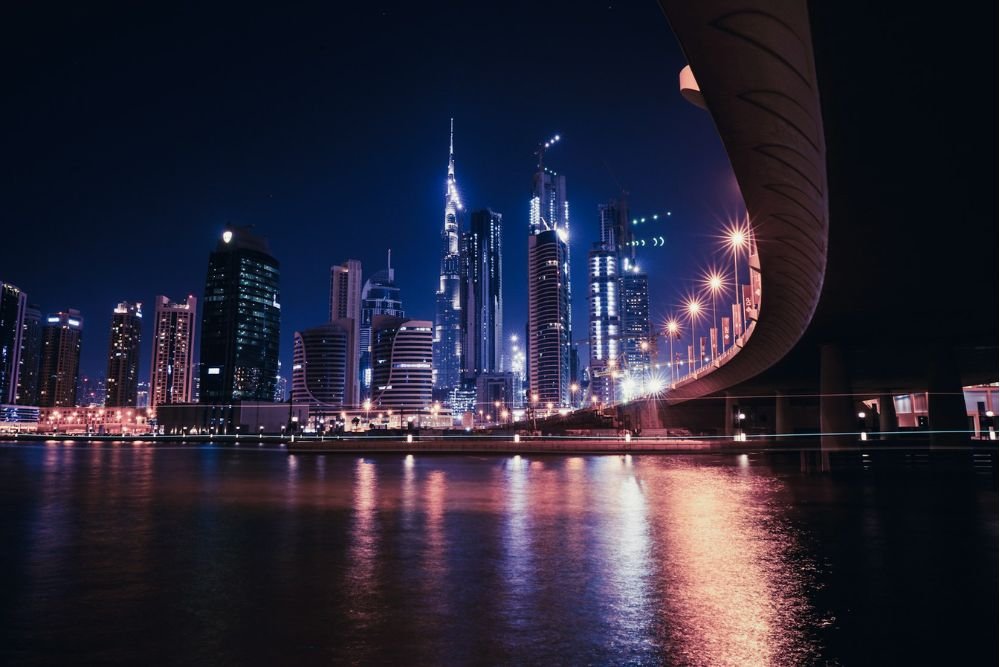

Introduction:
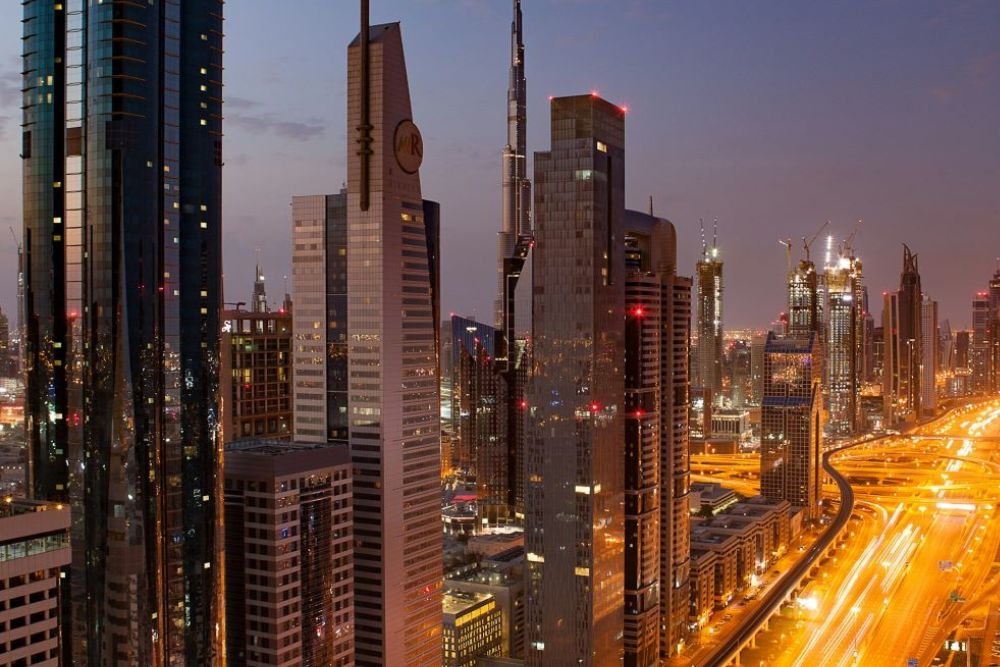
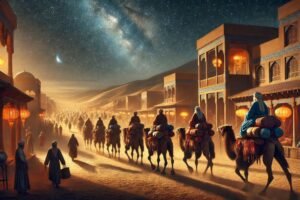
Dubai re-introduces and redefines the idea of luxury tourism and opulence without saying a word. However, Dubai is not all about gleaming dunes and lustrous architecture. Recent efforts from the Dubai culture have accentuated the unique mix of Bedouin cultures with traditional Arabs that permeate this city-state- home to over 200 nationalities.
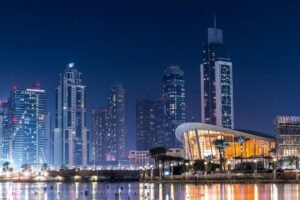
Striking a sharp note of difference from the clutch of efforts that used to project Dubai as more of a city of majestic skyscrapers, recent endeavours have tried to explore and highlight the authentic Emirati culture that beautifully blends the past and the future.
Today’s band of travellers is more interested in discovering the original Dubai, the unique smell, the subtle flavour, the haunting aroma, and the captivating natural canvas of sceneries that make Dubai the Dubai from its core. These tourists are more intrigued by the unique differences rather than the wide similarities that make Dubai stand apart from its counterparts.
Preserving Emirati Heritage: Traditional Experiences:
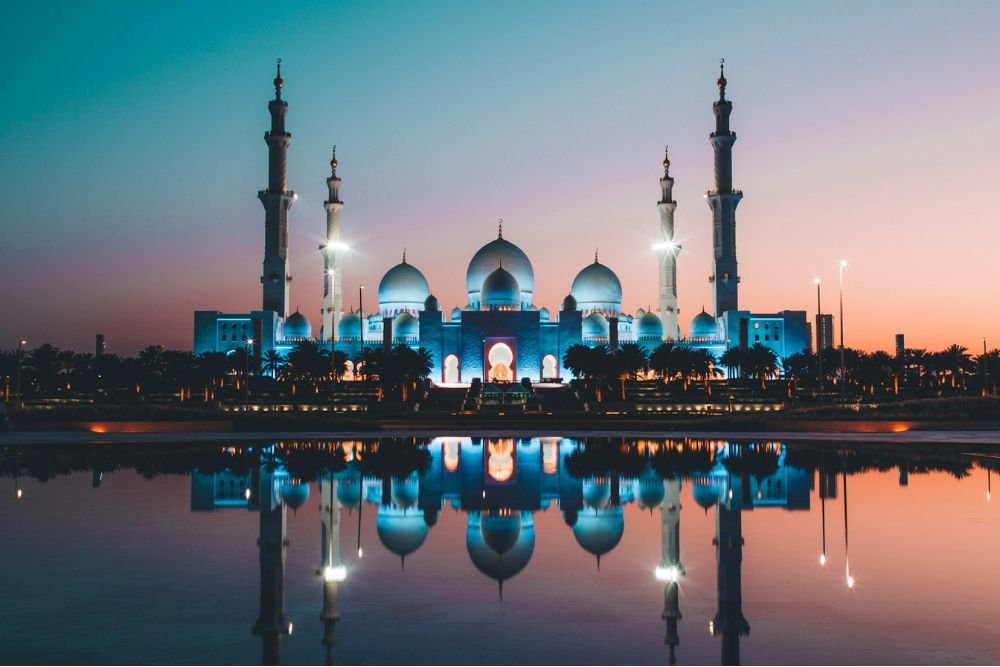
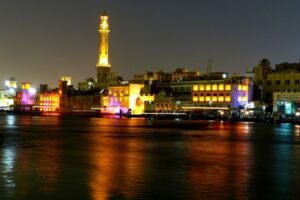
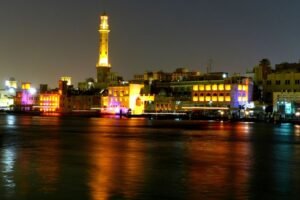
The Al Fahidi Historical Neighbourhood acts as a window that introduces tourists to old Dubai, which was before the modernization efforts took off. Located along the Dubai creek, the Al Fahidi district forms a key heritage site where history comes alive. Its twisted, crisscrossed alley and wind towers never fail to whisper the stories and anecdotes of the mid-19th century Dubai before the awe-struck troupe of tourists and travellers.
Located in the Al Fahidi Historical Neighbourhood, the XVA Gallery Art Hotel & Café blends beautifully the architectural and cultural motifs of the region.
Al Quoz, once an industrial area, now acts as the nerve centre of art and aesthetics, with concept stores, galleries, and cafes operating in and around warehouses. At its heart is Alserkal Avenue, a big warehouse that houses studios, galleries, and art venues.
Dubai Museum, housed in the Al Fahidi Fort, recreates the historic pictures plucked from the old Dubai through old houses, date firms, and mosques. The museum also highlights scenes from the desert and marine life as well. The facility also traces the exotic history associated with pearl diving in the region while showcasing the dated measurements of that time. Items as old as dating from 3000 BC are on show here at the Dubai Museum.
Authentic Culinary Experiences: A Taste of Emirati Culture:
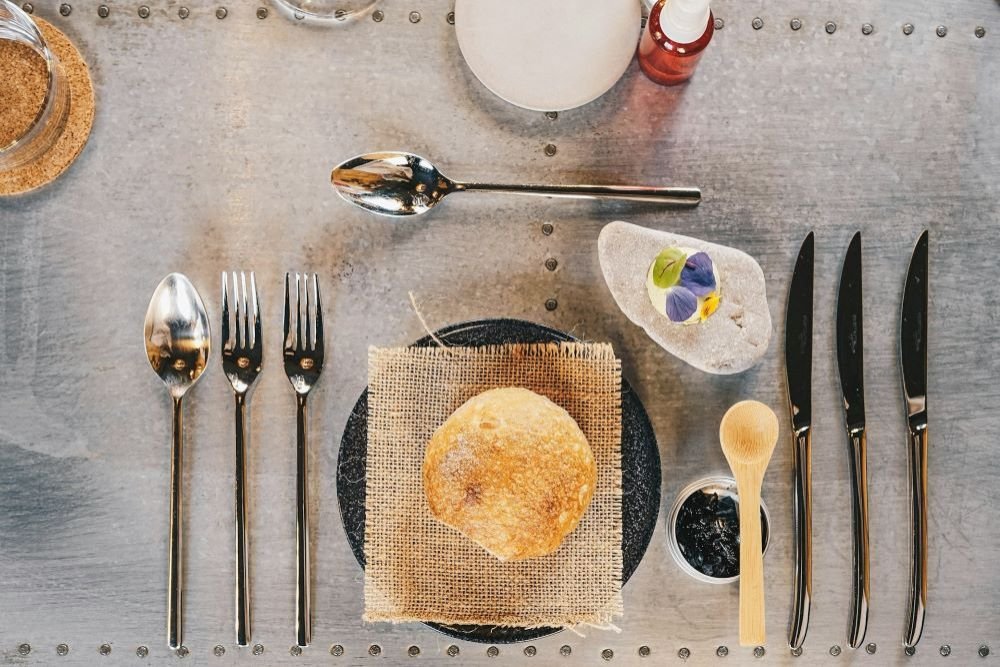
It is often said that the local food culture of any place is an extension of the overall culture of the place itself, and Dubai is no exception in this regard. Hospitality is an integral factor of the Emirati culture. Dubai finds an important place of note in the prestigious Michelin Guide from the gastronomic point of view. Emirati cuisine offers a riveting variety that combines the traditional heritage-infused gourmet along with innovative new tastes.
Of late, Dubai has come alive with many innovative dining options that are ready to experiment and infuse the palette with an equal measure of exotic and traditional. Find a comprehensive list of all food joints in Dubai that have been included in the Michelin Guide 2024.
Please note that Michelin also includes all those members from the gastronomy industry who are impeccable in diverse areas of culinary tastes and range. Michelin also honours all those restaurants that have been found to champion sustainability efforts in a significant manner. Dubai, quite significantly, finds its place even in this Michelin Green category in the form of restaurants.
Sustainable Cultural Tourism: Protecting Heritage for the Future:
Protecting the heritage and tradition is high on the agenda of Dubai Culture. Efforts and initiatives have been taken to restore the buildings and forts that symbolize the timeless appeal of the Emirati culture and legacy. Located along the famed “Dubai Creek,” Al Shindagha Museum brings to life through multi-media experience the birth and transformation of old Dubai into the modern metropolis.

The Museum also includes the “Perfume House,” which not only breathes life into the vibrant past of Dubai but traces the aromatic history of the region. It also shows how fragrances have been an integral facet of the rich legacy of the region’s trade and commerce.
The immersive multi-media tour also includes artefacts, interactive videos, and touch displays through which visitors and tourists can glean valuable insight into the lives and affairs of the Emiratis at the then time.
Dubai is committed to the global goal of sustainability and responsible usage of various resources that can leave a lasting impression for the future as well. With green tourism and the conservation of natural habitat zones, Dubai’s cultural tourism has grown appreciably. The activities that are on offer under sustainable tourism also integrate the local community so that an inclusive environment of shared benefits can be woven.
Evolution of Tourism in Dubai: How Tradition Meets Modernity:
Dubai offers stunning examples where tradition has converged effortlessly with state-of-the-art architectural showpieces. The old and the new are placed in perfect juxtaposition and maintain rather a symbiotic relationship where one influences the other positively.
To achieve a deeper insight into Emirati culture and heritage, a must-visit point is the Sheikh Mohammed Centre for Cultural Understanding (SMCCU). This centre offers a range of activities, and through them, anyone can gather a better understanding of Dubai’s traditions and culture. The activities that are on offer:
- Heritage Tour
- Arabic Classes
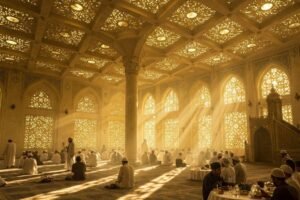
- Guided Mosque Visit
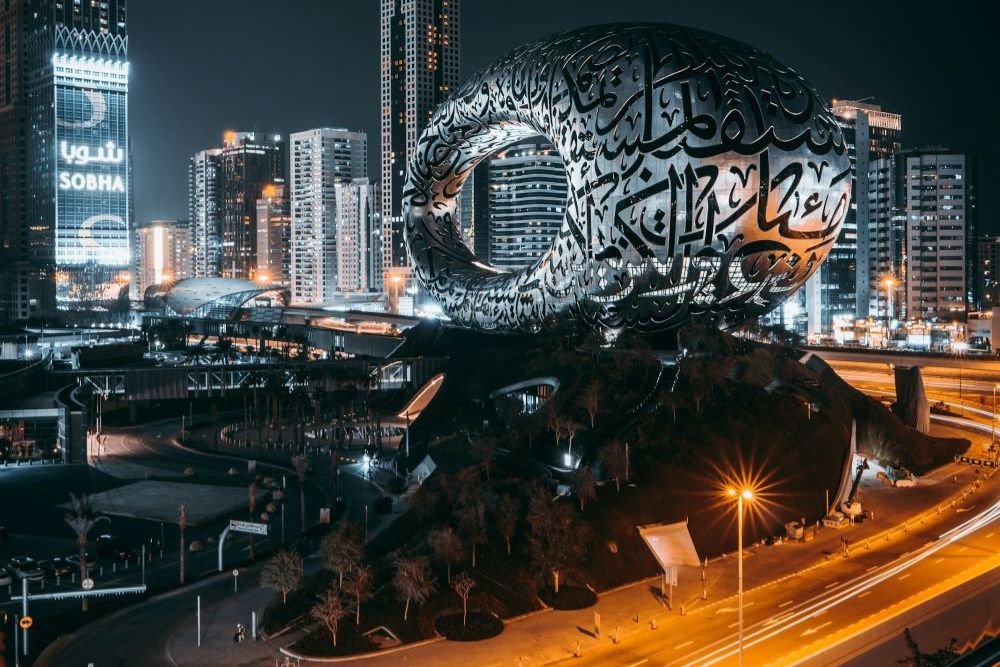
The various boutique shops in the Al Fahidi Historical Neighbourhood are awash with traditional, local handicrafts and art forms and represent a veritable cross-section of Dubai culture and art forms. These are:
- Weaving: Examples include saddles, belts, baskets, tents, and more.
- Perfume: Present at the Al Shindagha Museum.
- Calligraphy: The subtle art of writing Arabic script in an aesthetic and visually pleasing manner.
- Henna: Originally related to bridal occasions, henna body art is still in vogue as a popular beauty treatment in Dubai.
- Pottery: Besides being artistic vases and incense containers, earthen pots are still a natural means to cool water.
- Arabesque: This is an intricate and aesthetic art form that draws inspiration from nature and involves intertwined lines, geometric patterns, and motifs.
The Role of Festivals, Fairs and Events:
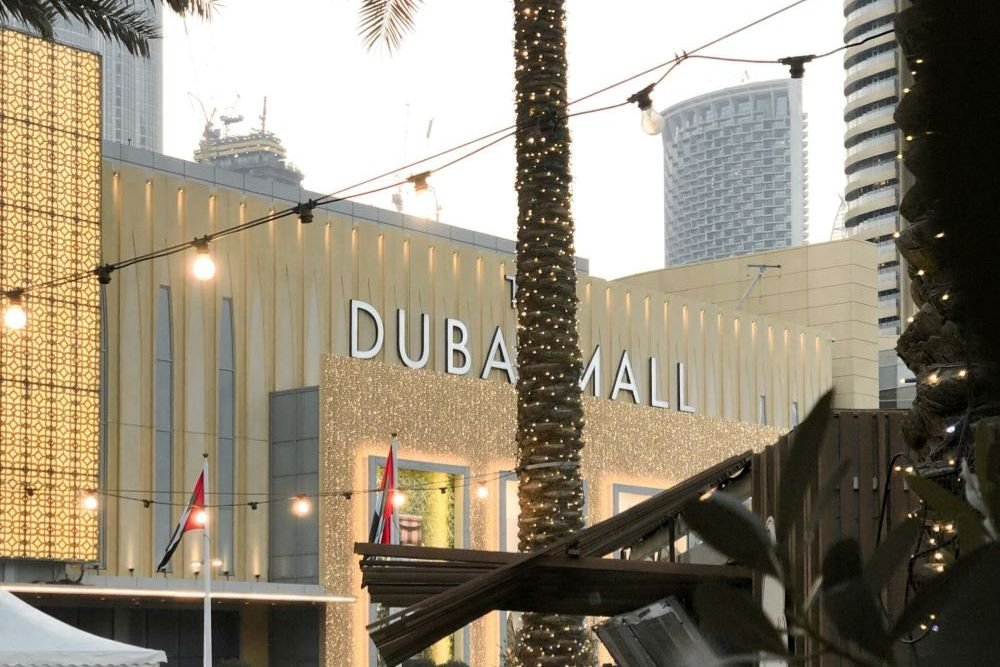
Dubai Design District (d3) is the creative space and a must-visit spot that also acts as the nerve centre for all creatives, artists, and fashionistas. It also acts as the hub for the biggest creative carnival of the region that is Dubai Design Week where artists, architects, brands, and designers engage in a creative festival.
Dubai represents an intriguing sense of fusion in every form of aesthetics and none symbolises this as definitively as the annual Dubai Shopping Festival and Dubai Food Festival. The Dubai Shopping Festival not only offers incredible discounts and exclusive deals on many products but also delivers the perfect occasion where you hobnob with the glitterati and rub shoulders with the greater world.
The sense of fusion gets the perfect excuse in the form of the Dubai Food Festival to woo the world. It is a brilliant occasion where you can taste the local delicacies along with the more established culinary varieties, all within the ambit of a single city.
Apart from these, the Dubai International Film Festival (DIFF), Art Dubai, Dubai Opera, and Sikka Art Fair all hold their respective position of importance in the overall carnival calendar of Dubai.
Conclusion:
Dubai offers a definitive experience that relives the true Emirati culture and heritage through a host of activities, festivals, and guided tours. All in all, Dubai delivers an unputdownable offering to all travel enthusiasts that combines the exotic elements of the old world with the brilliance of futuristic aesthetics.