


Introduction
Have you heard about Sumba Island? It is a hidden jewel of Indonesia. But till now, it is not much explored by tourists and thus has preserved the natural beauty. Sumba offers an amazing trip with its beautiful surroundings, rich cultural heritage, and unique traditions, which varies from the thrilling Pasola Festival to the natural beauty of its beaches and waterfalls. Now without taking much time let’s dive in to explore this amazing island:
Location: Sumba Island
Sumba Island is situated in Nusa Tenggara Timur, Indonesia. The island is spread over more than 10,710 km2 area. And it is divided into four administrative regions, i.e., East Sumba, Central Sumba, West Sumba, and Southwest Sumba.
How to Reach Sumba?
You can reach here by two main ways:
- By Air:
- Tambolaka Airport in Southwest Sumba and
- Umbu Mehang Kunda Airport in Waingapu (East Sumba)
Both of them offer domestic flights, which take around 1 hour to travel from Bali.
- By Sea: For those who prefer to travel by sea, ferry options are available to:
- Waikelo Harbor (Southwest Sumba) and
- Waingapu Harbor (East Sumba).
Explore the Best Attractions in Sumba
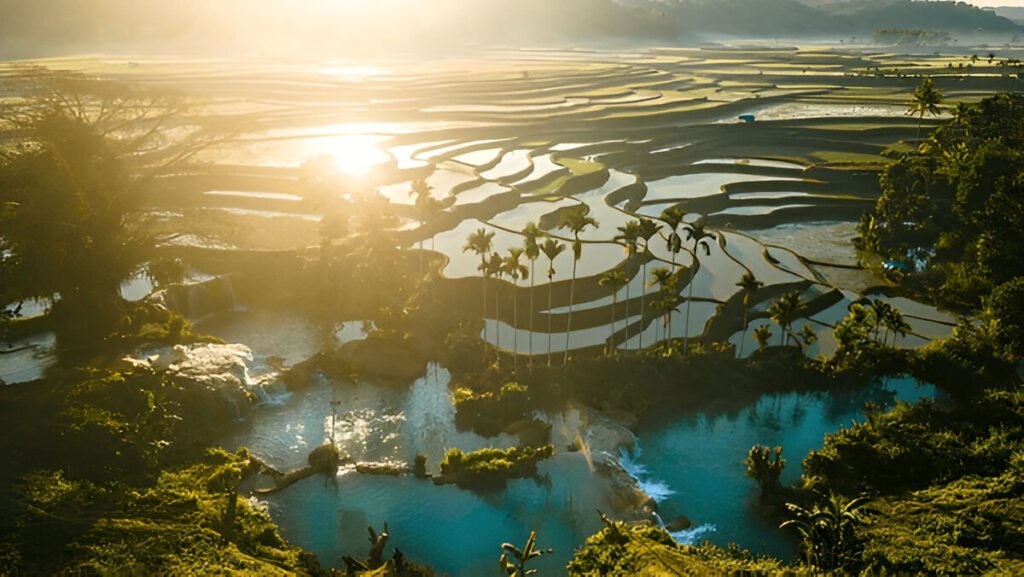
Each of Sumba’s four regions offers its own natural beauties and cultural diversity. Exploring from west to east is an ideal option, and at least a three-night stay is recommended to explore and experience the whole island.
East Sumba
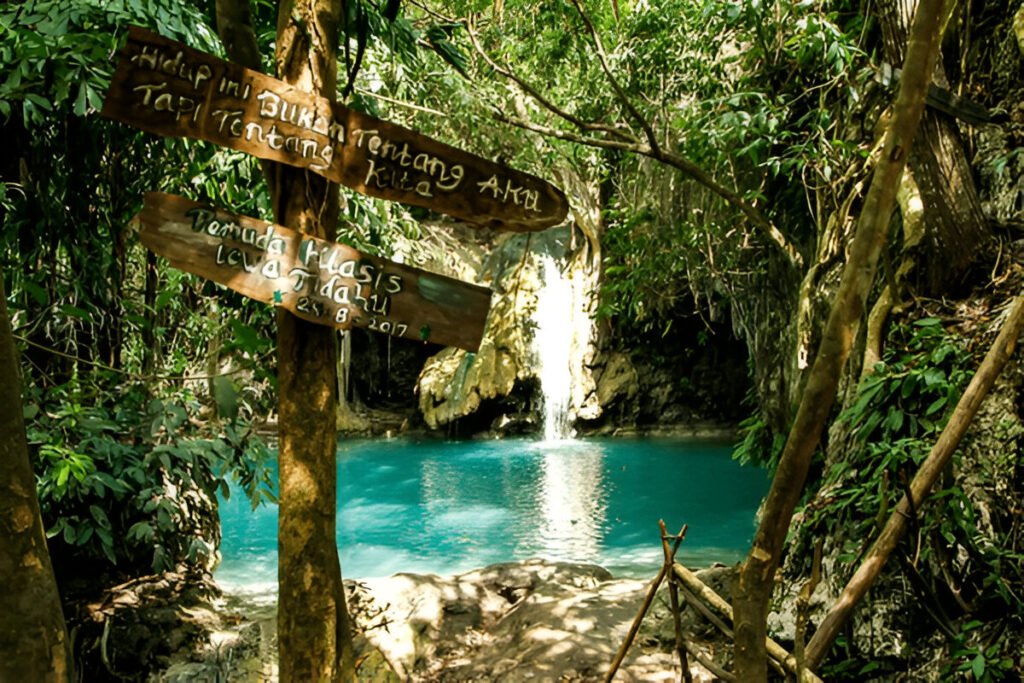
Waingapu, the capital of East Sumba, is the largest city on the island and known for its sweeping savannah landscapes like Puru Kambera and Wairinding Hills. Visitors can also enjoy serene beaches and picturesque waterfalls.
Central Sumba
Central Sumba is home to Manupeu Tanah Daru National Park, preserving the last of Sumba’s lowland forests. This area hosts 118 plant species and 87 endangered bird species, making it a haven for bird-watchers. Matayangu Waterfall, located within the park, is a must-see for trekking enthusiasts.
West Sumba
In West Sumba, traditional and modern influences blend harmoniously. Many villages maintain their traditional customs, with Waikabubak as the central hub. This region is known for the annual Pasola Festival, held in Lamboya in February and in Wanokaka in March. The Lapopu waterfall and pristine beaches add to the charm of West Sumba.
Southwest Sumba
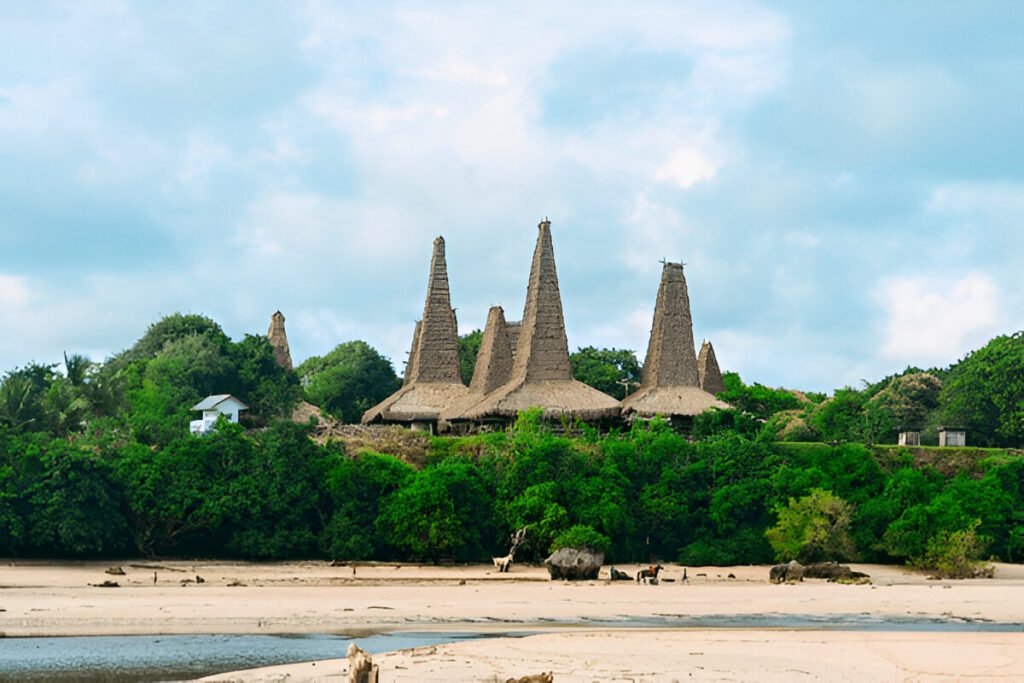
Southwest Sumba, a more recently formed regency, boasts a series of untouched beaches, including Pero, Mbawana, Mandorak, and Watu Maladong. Ratenggaro Village, known for its Sumbanese houses with soaring thatched roofs reaching up to 30 meters high, offers a window into Sumba’s ancient architecture and culture.
Why Visit Sumba Island?
There are many unique and exciting reasons available for this question, some of which are mentioned below:
- Discover the Pasola Festival.
Two teams of horsemen carrying spears engage in a fierce battle during the thrilling and unique Pasola Festival. By shedding blood, an emblem of an abundant crop, this traditional ritual is thought to please the spirits. Pasola is a major cultural event that attracts viewers from all over the world and is also a stunning visual spectacle.
- Discover Sumba’s Hidden Waterfalls
The limestone hills on the island are home to distinctive waterfalls that are rather low in height yet offer unparalleled natural beauty.
- Savor Sandy, Undiscovered Beaches
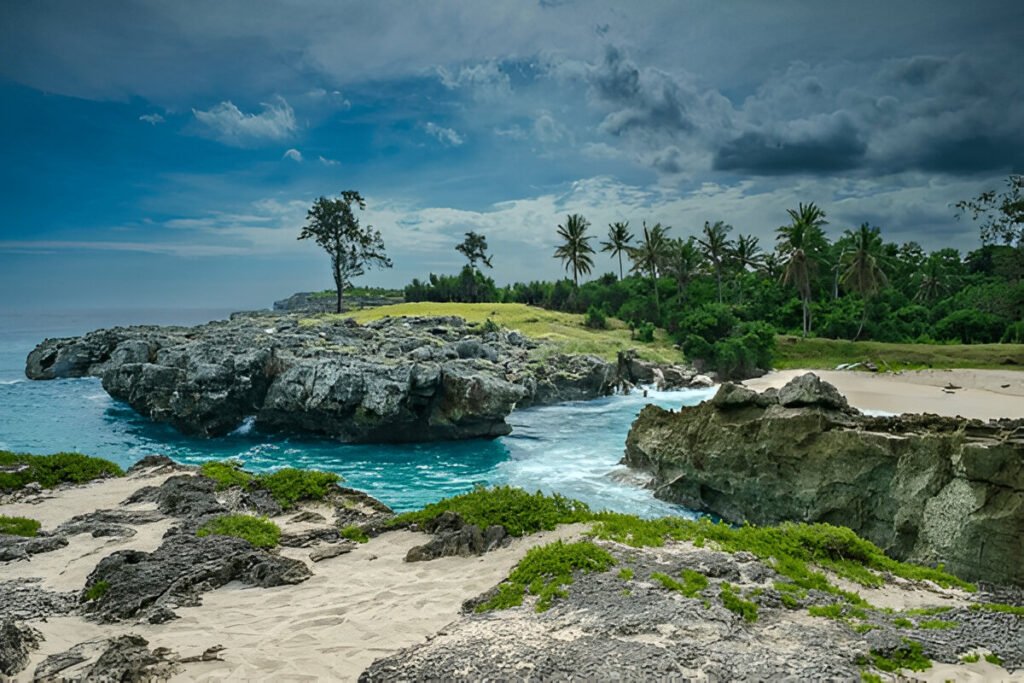
The remote white sand beaches of Sumba are perfect for people looking for a peaceful getaway. The beaches of Sumba remain mostly untouched, whether you wish to surf or just unwind.
- Surfing Without People
Sumba has more than 14 surf breakers, most of which are located on the southwestern and southeast coasts. Surfers can take advantage of world-class waves in serene settings with few tourists.
- Get to know the people and their customs.
Exploring Sumbanese communities provides a genuine cultural encounter. Visitors are greeted warmly by locals, who also provide information about their traditional way of life and traditions.
- Trekking Off the Beaten Path
Trekking routes on Sumba are truly off the typical route, leading through expansive savannas, lush woods, and secret valleys. Experience various landscapes and develop a profound understanding of Sumba’s distant cultures with guided tours.
- Help the community.
Visits to Sumba actively support community development and local empowerment on this little-known island. Sumba’s economy and culture are both supported by your stay.
- The paradise for birdwatching
With almost 200 bird species—seven of which are endemic—Suma is a bird lover’s paradise. The red-naped fruitdove, Sumba hornbill, Sumba buttonquail, and Sumba boobook owl are four of these that are endangered.
- Take beautiful pictures of landscapes.
Sumba is a photographer’s paradise, with its verdant hills, rolling savannahs, traditional villages, and beaches lighted by sunsets. Local photographers with years of experience can help you always get the ideal shot.
- Relax at Weekuri Lake.
A stunning natural wonder is Lake Weekuri, a saltwater lake surrounded by the Indian Ocean. Its calm surroundings and crystal-clear blue waters provide an extremely comforting experience.
- Adventure in National Parks
The two national parks are available here, i.e., Laiwangi Wanggameti and Manupeu Tanah Daru, which conserve a variety of plants and animals.
- Travel to Historic Villages
Megalithic graves are still practiced in a few locations around the world, including Sumba. Deeply ingrained in Sumbanese culture, these Neolithic graves are the last resting places of notable people.
Pasola Festival: A Cultural Highlight
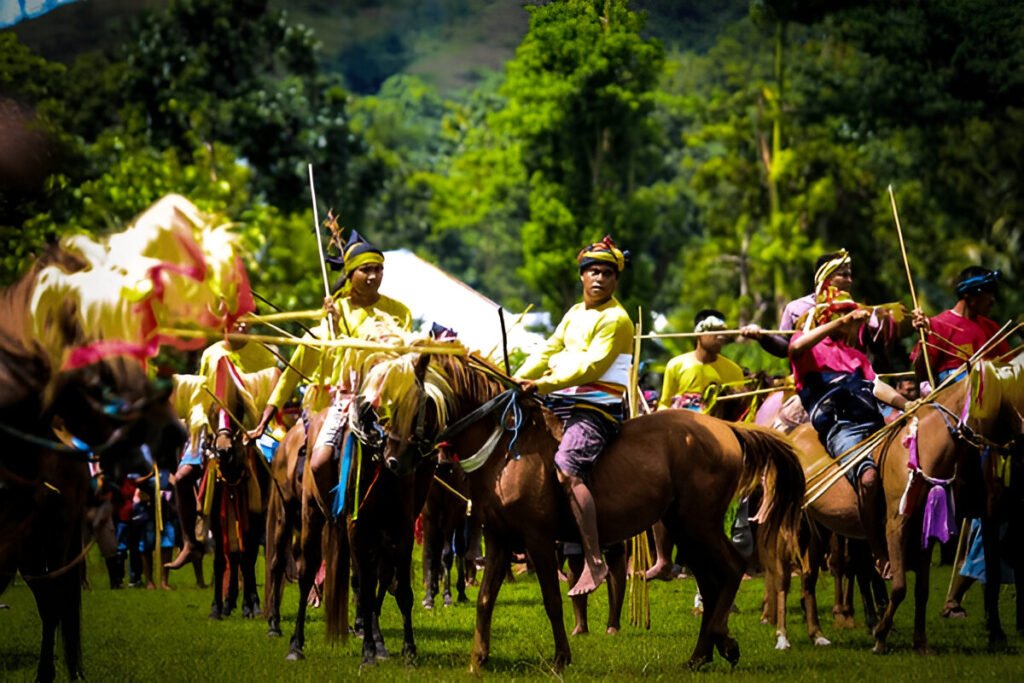
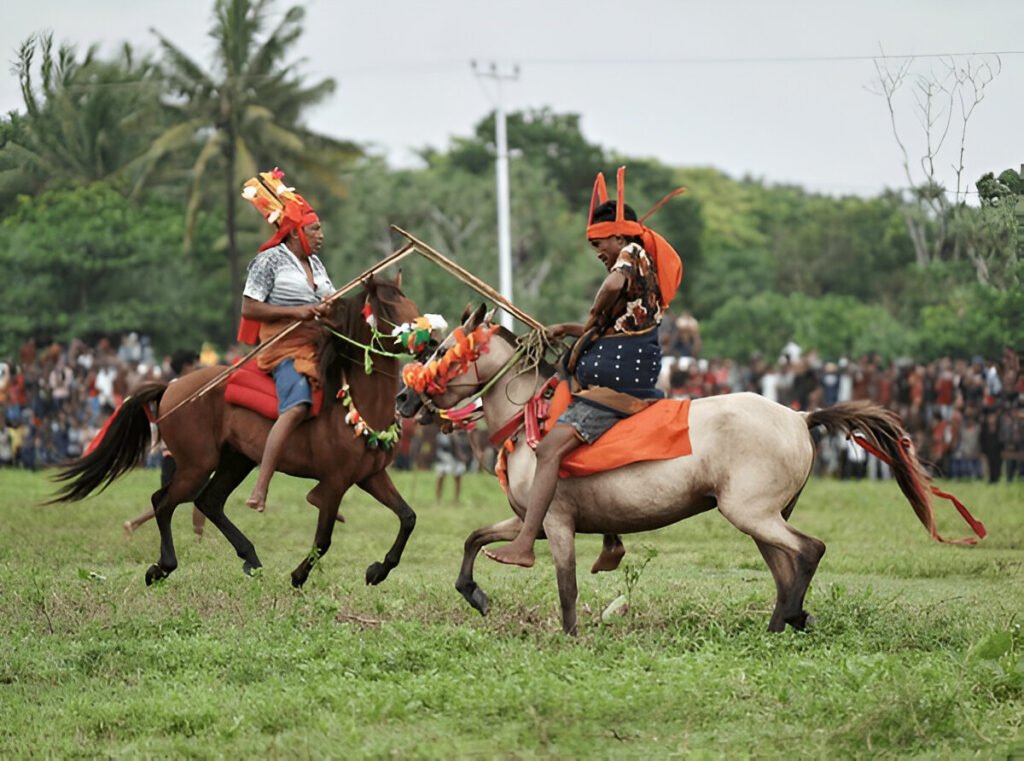
The most unique characteristic of this island is the Pasola Festival. The Pasola Festival is an exciting, ancient event in which two rival cavalry teams fight fiercely with “pasol” javelins. A cultural link to the spirits is symbolized by this intense rite, which is a part of the Nyale custom. Participants engage in a “battle” to ensure a plentiful/good harvest.
The Pasola Festival is held annually to celebrate the beginning of the sowing season. For this symbolic competition, two teams, each consisting of 25 men, travel from different villages. The brilliant traditional clothing worn by the horses and riders makes for a breathtaking sight. The celebration begins with a prayer and ceremonial spears thrown by a rato, a traditional priest, signaling the beginning of the combat.
In a show of bravery, skill, and cultural pride, the teams then charge at one another while hurling wooden spears.
More than just a single occasion, the Pasola Festival is a beloved custom that attracts tourists from all over the world every year, providing a unique experience and profound understanding of Sumbanese culture.
Conclusion
Traveling to Sumba Island promises to be interesting and enriching. Sumba offers everything you need, like adventure, cultural immersion, or just a peaceful spot to relax. This Indonesian island is a secret gem that is waiting to be explored, from the thrilling Pasola Festival to the stunning natural beauty of its scenery. Thus, gather your belongings and set out for Sumba, where you will make lifelong memories.