


Introduction
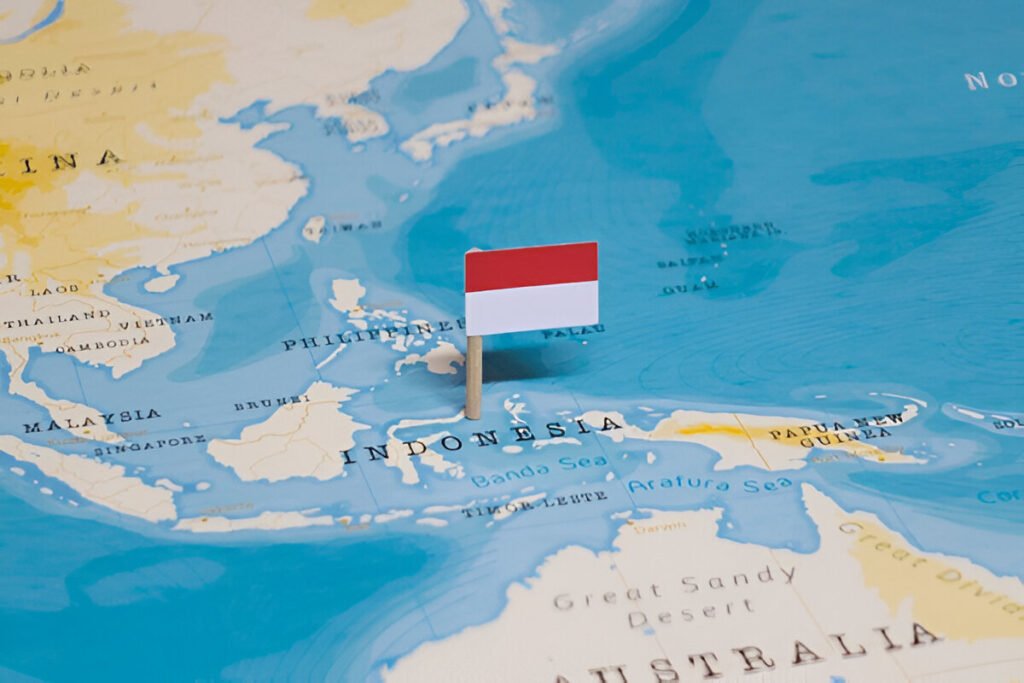
Indonesia’s enormous archipelago speaks more than 700 regional languages, demonstrating the country’s remarkable linguistic diversity. Examining these languages allows us to get insight into the distinctive and abundant cultural legacy of Indonesia.
The lingua franca in this place is Bahasa Indonesia; however, many people call it “Bahasa,” which merely means “language.” Bahasa Indonesia, thus, translates to “Indonesian language.” Simple sentence constructions that don’t precisely follow subject-verb-object norms, no gender differences, and no case inflection make Bahasa Indonesia unique.
Discovering Indonesia’s regional languages, which represent the country’s diversity, is our goal here. In order to convey the warmth of Indonesia, let’s begin with some regionally specific welcomes, as there are hundreds of different languages.
Java:
Java is known for UNESCO-designated cultural gems like Batik and Wayang Kulit. As Indonesia’s most populated island, its cultural and linguistic diversity is profound, featuring languages such as Javanese, Sundanese, and Betawi.
Key Regional Languages of Java
- Javanese: The most widely spoken local language, where “thank you” is Matur suwun and “you’re welcome” is Sami-sami.
- Sundanese: In West Java, the Sundanese people say Hatur nuhun and Sawangsulna.
- Betawi: In Jakarta, Betawi, a language influenced by various cultures, uses Makasih ye for “thank you.”
Bali
Bali, a popular destination across the Bali Strait from Java, is known for its rich spirituality and culture. Hindu customs on the island are reflected in the Balinese language.
Balinese: “Thank you” is expressed with “matur suksma,” while “you’re welcome” is expressed with “mewali.”
Sulawesi
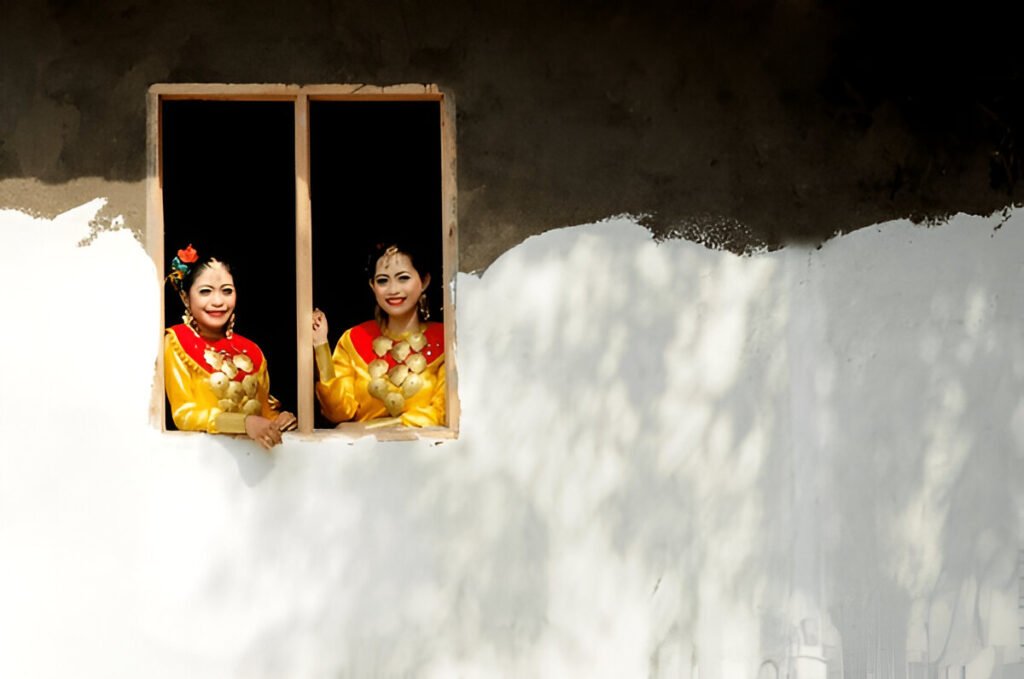 Known historically as Celebes, Sulawesi is home to a diverse range of ethnic groups, including the Bugis, Makassarese, and Minahasan, each of whom speaks a unique language.
Notable Regional Languages of Sulawesi
- Makassar: “Thank you” is Tarima Kasi.
- Bugis: Known for their seafaring traditions, the Bugis say Kurru sumange.
- Toraja: Famous for intricate funeral rites, the Toraja language uses Maturang nu kada’ salu.
West Nusa Tenggara
In West Nusa Tenggara, which includes the islands of Lombok and Sumbawa, Hindu, Muslim, and indigenous customs coexist together. Languages like Sasak and Bima are prominent.
According to Sasak, “thank you” is Tampi asih on Lombok.
• Bima: “Thank you” is Ncewi Mbeim Adem in Sumbawa.
East Nusa Tenggara
East Nusa Tenggara, which comprises islands like Sumba and Flores, is well-known for Komodo dragons. This area is a cultural mosaic of religious and indigenous customs.
Languages of East Nusa Tenggara
- Abui: “Thank you” is Nghali.
- Manggarai: Spoken on Flores, “Thank you” is Moli Laba.
Maluku
The Maluku Islands, historically known for the spice trade, have distinct languages and traditions, with Ambonese often serving as a regional lingua franca.
- Ambonese: A blend of local languages and Dutch, where “thank you” is Danke.
Sumatra
Sumatra, often called the “island of gold,” has been known by various names throughout history—Suwarnadwipa in the Ramayana, Lamuri by Arabs, Samara by Marco Polo, and others. Just as it has many names, Sumatra is home to numerous ethnic groups, each with a unique language. There are over 52 regional languages here! Here are a few noteworthy ones.
Indigenous Languages and Dialects of Sumatra
- Acehnese: The northern Acehnese people say Teurimong gaséh for “thank you,” with Sama-sama in response.
- Minangkabau: The West Sumatran Minangkabau people, famous for their matrilineal culture, say Tarimo Kasih and reply with Samo-samo.
- Batak Languages: languages like Toba Batak and Karo Batak are spoken by the Batak in northern Sumatra.
Papua:
Papua, with peaks high enough to explore snow, is one of the most linguistically rich regions. The indigenous tribes here have preserved diverse customs, languages, and traditions.
Papua’s Indigenous Languages
- Dani: Spoken by the Baliem Valley’s Dani people, where “thank you” is Egen.
- Asmat: Known for their woodcarving, the Asmat people say Abtima.
Kalimantan
Indonesians refer to Borneo as Kalimantan. It’s famous for its rainforests and tribes like the Dayak and Banjar, each with rich language traditions. Kalimantan’s languages bear influences from the ancient Kutai Kingdom, adding layers of history.
Dayak, Banjar, and Malay Influences
- Dayak (Ngaju): For the Dayak, “Thank you” is Tarima kasih, and “You’re welcome” is Sama-sama.
- Banjar: Resembling Malay closely, Banjar’s “thank you” is Tarime Kasis.
- Kutai: Reflecting the Kutai Kingdom’s influence, “Thank you” is often Terema kasih or Makaseh.
Conclusion
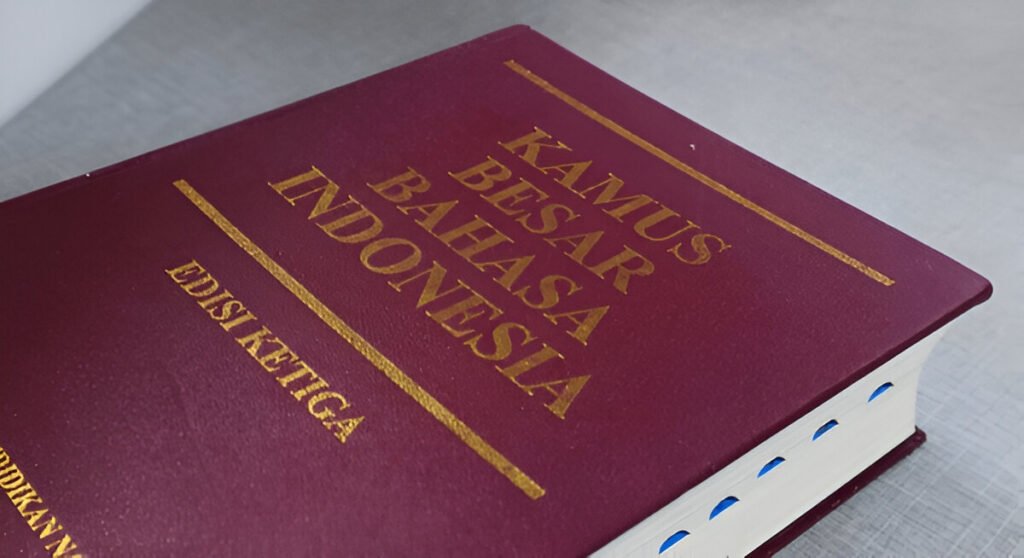
A tribute to Indonesia’s rich cultural past is the country’s linguistic variety. This exploration of Java, Bali, Sulawesi, and other regional languages reveals the friendliness and unique personality of the Indonesian people, each of which has its own rich heritage, customs, and sense of pride. With the national motto “Bhinneka Tunggal Ika”—Unity in Diversity—this linguistic tapestry unifies rather than divides the archipelago. We hope that this investigation stimulates interest in Indonesian culture because there is always more to learn about this dynamic country. For more information on Indonesia’s fascinating customs and tourism attractions, stay tuned.