


Sungei Buloh Wetland Reserve is a hidden gem in Singapore, offering a fascinating glimpse into the biodiversity of the region’s wetlands. Located in the northwestern part of the island, this 130-hectare reserve is a sanctuary for wildlife, home to a wide variety of plant and animal species, especially migratory birds. As Singapore’s first ASEAN Heritage Park, Sungei Buloh Wetland Reserve is a must-visit for nature enthusiasts and anyone interested in exploring the delicate ecosystems of Southeast Asia.
Here’s a closer look at the incredible biodiversity that awaits you at Sungei Buloh Wetland Reserve.
1. Mangrove Forests
Sungei Buloh is famous for its rich mangrove ecosystem, one of the few remaining in Singapore. Mangroves are vital coastal habitats that protect shorelines from erosion, provide food for marine life, and support a variety of bird species.
- Mangrove Species: The reserve is home to several species of mangrove trees, including the Mangrove Rhizophora, Bakau, and Avicennia. These trees have adapted to the brackish conditions of the coastal environment, with roots that can withstand the fluctuating tides.
- Why It’s Important: Mangrove forests are incredibly important for the biodiversity of wetland ecosystems. They provide shelter and breeding grounds for many species of fish and crabs, making them a key area for both terrestrial and marine life.
- What You’ll See: As you walk through the boardwalks of the mangrove area, you may spot mudskippers and crabs scurrying along the mudflats, while egrets and other birds search for food in the shallow waters. The roots of mangrove trees often host small creatures like oysters and barnacles, adding to the intricate web of life in this ecosystem.
2. Birdwatching Paradise
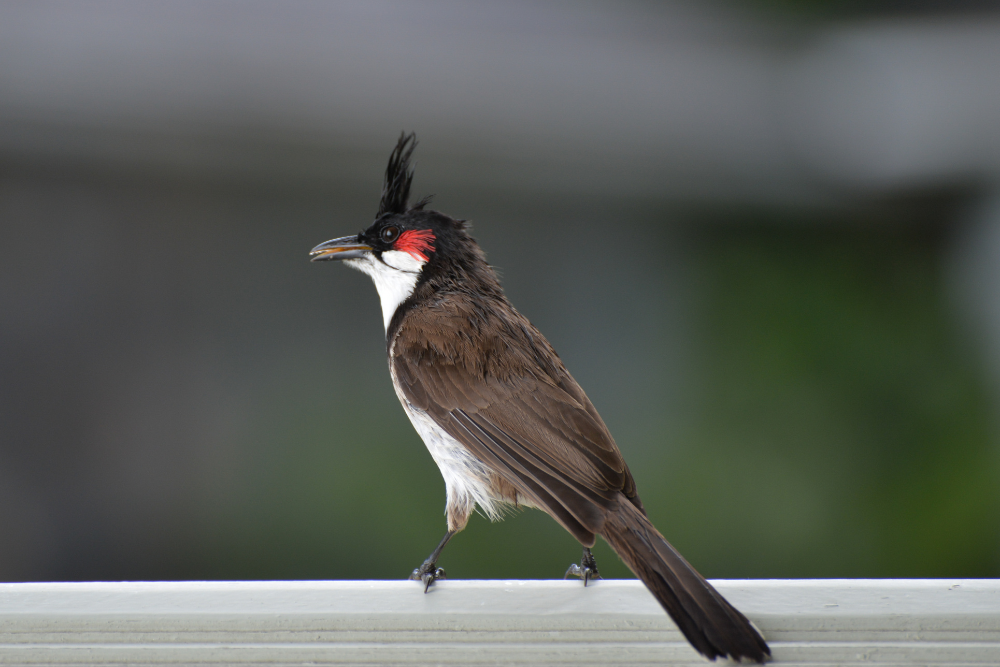
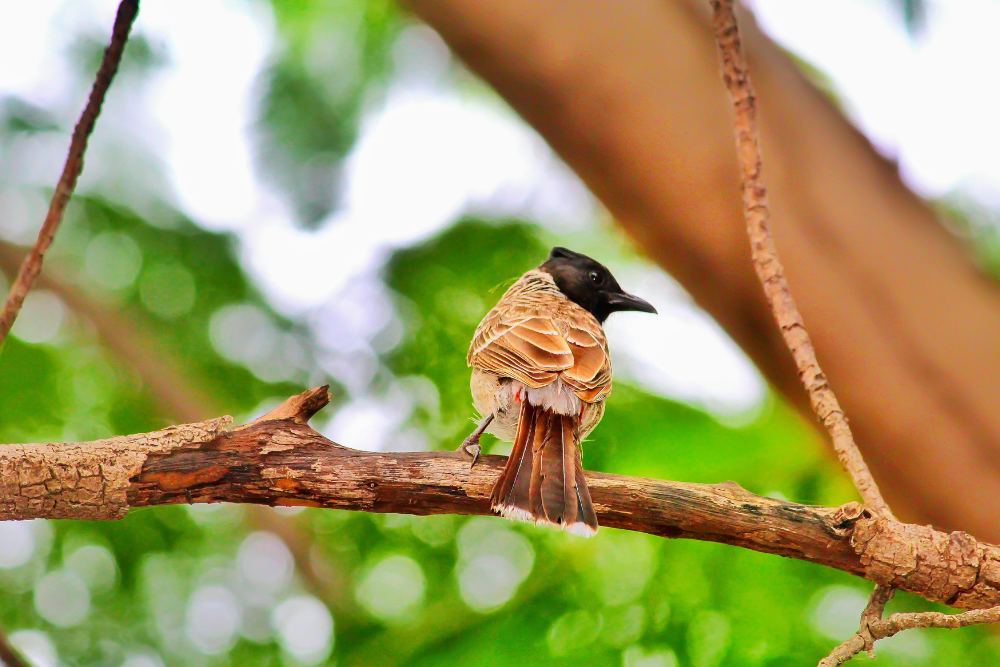
Sungei Buloh Wetland Reserve is a birdwatcher’s haven, especially for those interested in migratory birds. The reserve plays a key role in the East Asian-Australasian Flyway, an important migratory route for birds traveling between breeding grounds in the north and wintering grounds in the south.
- Migratory Birds: From September to March, Sungei Buloh becomes a stopover point for a variety of migratory birds, including herons, sandpipers, and egrets. The mudflats and tidal areas provide rich feeding grounds for these birds, making the reserve a critical site for their survival.
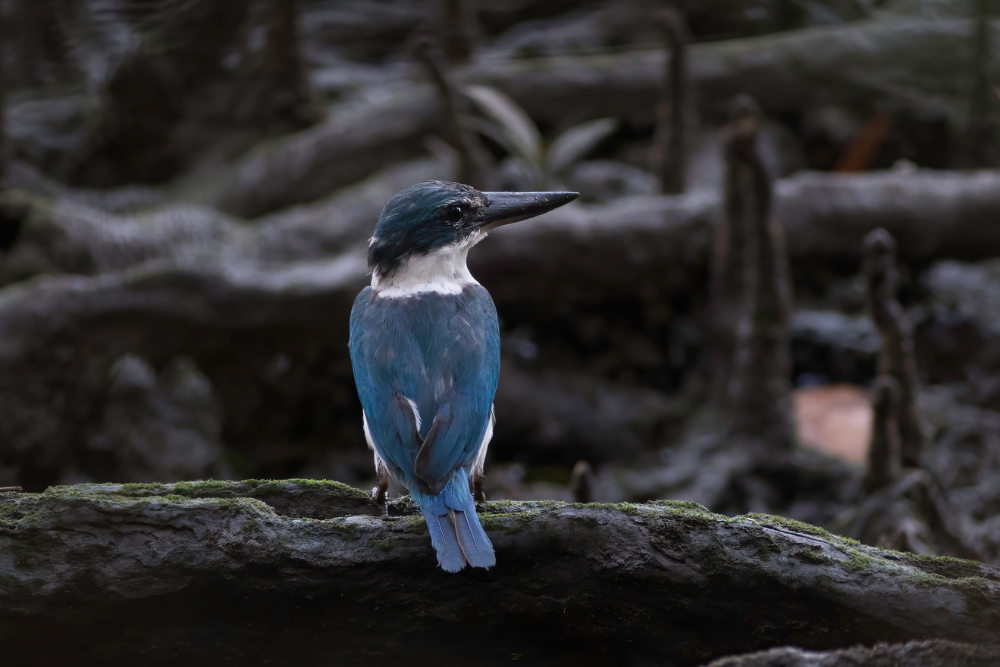
- Resident Birds: Apart from migratory species, the reserve also hosts resident birds like the White-bellied Sea Eagle, Ospreys, and Kingfishers, which are often seen hunting in the waterways or perched atop trees.
- Why It’s Special: The reserve’s mudflats, mangrove areas, and freshwater ponds provide diverse habitats for different bird species. It’s one of the best places in Singapore to observe both migratory and resident birds in their natural habitat.
3. Mudflats and Tidal Flats
The mudflats and tidal flats of Sungei Buloh Wetland Reserve are not only visually striking but also ecologically significant. These intertidal zones are where the land meets the sea and play an essential role in the coastal ecosystem.
- Species to Spot: On these flats, you’ll find a rich variety of life, including mangrove crabs, mudskippers, and mollusks. These creatures thrive in the nutrient-rich mud, providing food for the birds that frequent the area.
- Intertidal Zones: As the tides ebb and flow, different species become visible, creating a dynamic and ever-changing environment. The mudflats are especially active during low tide when the mud is exposed, revealing a bustling community of small creatures.
- What’s Fascinating: The mudflats serve as a natural filter for water, trapping pollutants and preventing them from reaching open waters. This process helps keep the surrounding waters clean, making the ecosystem healthier for the many species that depend on it.
4. Mangrove Boardwalk and Observation Towers
The best way to explore Sungei Buloh Wetland Reserve is by walking along its network of boardwalks and trails, which wind through the mangroves, tidal flats, and freshwater ponds. Along these paths, you’ll encounter a wide array of wildlife and plant life.
- Boardwalks: The Mangrove Boardwalk is a popular trail that takes you through the dense mangrove forests. Raised above the ground to protect the delicate ecosystem, it offers excellent views of the swampy terrain, where you might spot creatures like monitor lizards and mudskippers.
- Observation Towers: The Mudflat Observation Tower and Raptors’ Roost provide elevated views of the reserve’s landscapes, giving visitors a chance to see the entire expanse of mangroves, mudflats, and the surrounding wetlands. From these towers, you can observe a variety of bird species in flight and get a panoramic view of the tidal zones.
- Why It’s Great: The boardwalks and observation towers allow for close encounters with the ecosystem without disturbing the wildlife. These structures enhance the visitor experience by providing elevated perspectives that showcase the vastness and beauty of the wetlands.
5. Marine Life and Aquatic Species
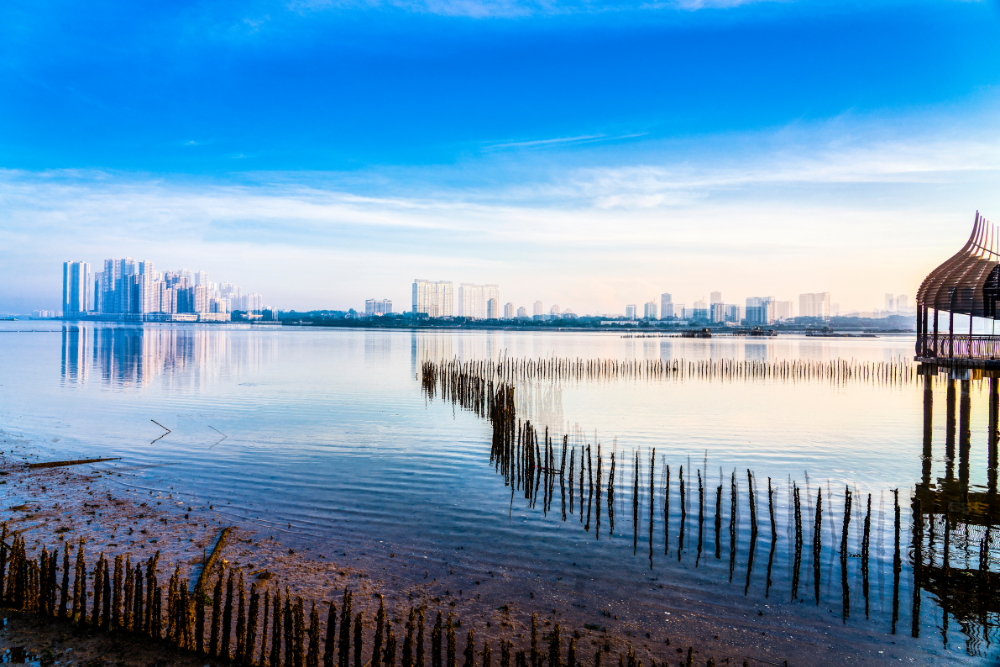
Sungei Buloh Wetland Reserve is not just a haven for birds and mangroves; it’s also home to a variety of marine life. The reserve’s proximity to the sea allows for a diverse range of aquatic species, including fish, crabs, and mollusks, to thrive in the brackish waters.
- Marine Species: The mudflats and mangrove areas are teeming with fish, crabs, oysters, and sea cucumbers. The brackish water, a mix of saltwater and freshwater, is the ideal environment for these species to thrive.
- Snorkeling and Aquatic Life: While snorkeling is not allowed in the reserve, visitors can still get a glimpse of the rich marine biodiversity by walking along the water’s edge, where small fish and crabs can often be seen scuttling across the sand.
- Why It’s Special: Sungei Buloh provides a perfect setting for studying the intricate relationships between marine and terrestrial ecosystems. The diversity of life found in these wetlands is a testament to the balance between land and sea.
Conclusion
Sungei Buloh Wetland Reserve is a fascinating natural sanctuary where visitors can experience Singapore’s rich biodiversity. Whether you’re exploring the mangrove forests, birdwatching, or simply enjoying the tranquility of the wetlands, there’s no shortage of natural beauty to discover. With its vital role in conserving the environment and supporting wildlife, Sungei Buloh Wetland Reserve is an essential stop for anyone interested in Singapore’s natural heritage and ecosystems. Whether you’re a nature lover, a photographer, or a wildlife enthusiast, Sungei Buloh promises an unforgettable outdoor adventure.