


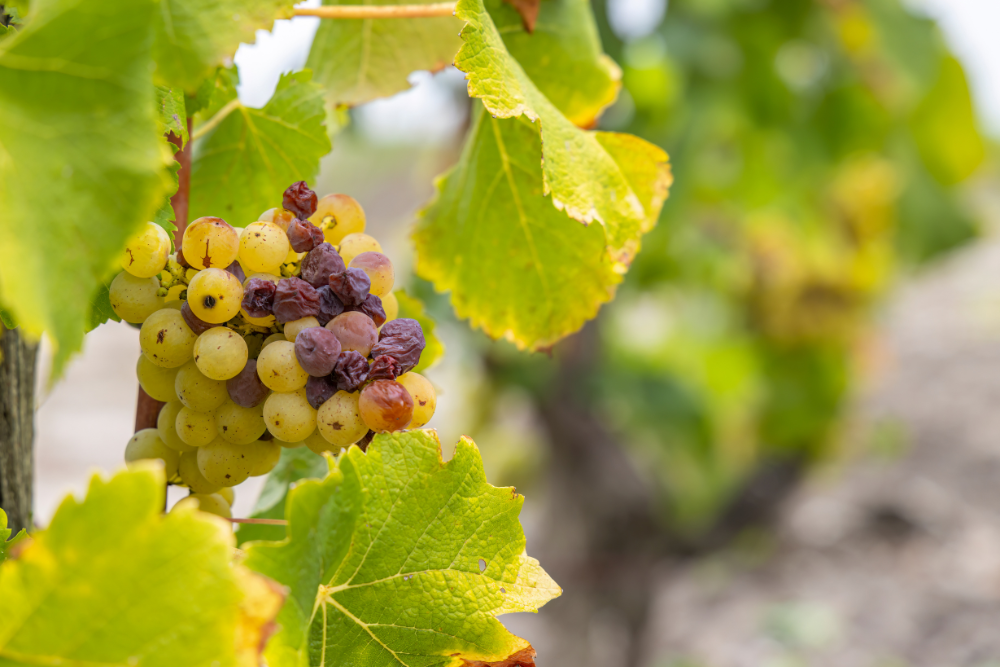

Nestled between the Vosges Mountains and the Rhine River, the Alsace region of northeastern France is renowned for its picturesque landscapes, rich history, and, of course, its exceptional wine. Stretching over 170 kilometers, the Alsace Wine Route (Route des Vins d’Alsace) is one of the most scenic and delightful wine routes in Europe. Whether you’re a wine connoisseur or a casual enthusiast, this journey through the vineyards of Alsace is sure to captivate your senses and immerse you in the region’s unique culture, history, and natural beauty.
From charming villages with half-timbered houses to rolling hills covered in grapevines, the Alsace Wine Route offers an enchanting experience that combines fantastic wine tasting, cultural exploration, and breathtaking landscapes. Here’s a guide to discovering the charm of the Alsace Wine Route, from the best places to visit to the must-try wines.
1. The Journey Along the Alsace Wine Route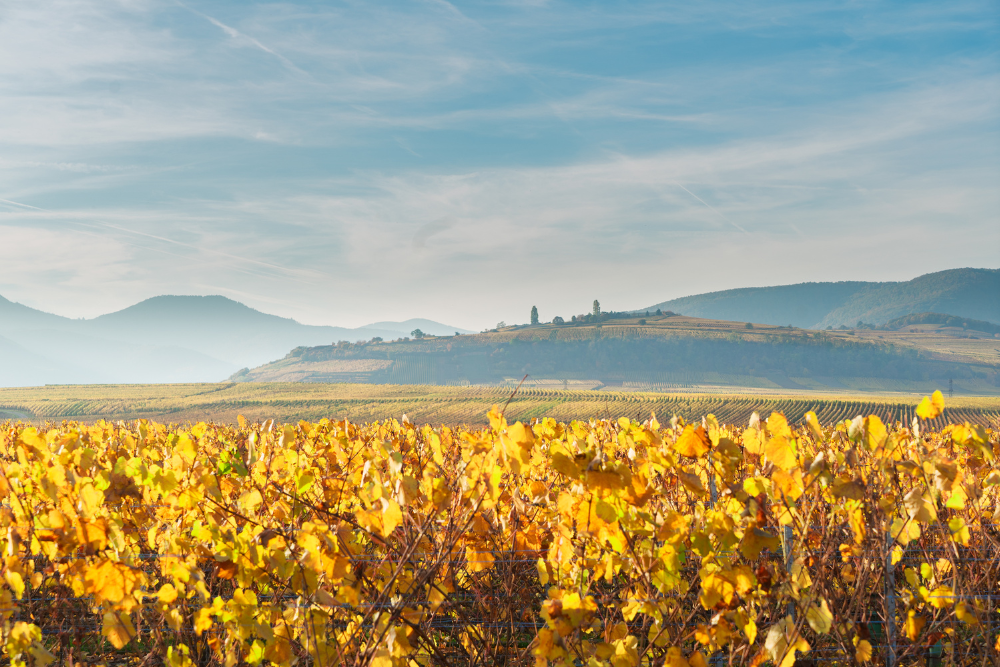
The Alsace Wine Route runs from Marlenheim in the north to Thann in the south, winding through the picturesque villages, valleys, and hills that make this region famous. The route is dotted with over 70 wine-producing villages, each offering its own slice of Alsace’s rich viticulture history.
What Makes the Alsace Wine Route Special?
- Scenic Beauty: As you drive along the winding roads, you’ll be surrounded by vibrant vineyards, beautiful orchards, and medieval castles perched on hilltops. The picturesque villages are dotted with colorful houses, some of which date back to the 16th century.
- Rich History: The Alsace Wine Route is deeply intertwined with the region’s history. Alsace has been a major wine-producing region for centuries, and the wine route allows visitors to explore its cultural and architectural heritage. Many villages along the route have charming medieval centers, complete with cobblestone streets and half-timbered houses.
- Award-Winning Wines: Alsace is known for its white wines, particularly Riesling, Gewürztraminer, Pinot Gris, and Muscat, though red wines such as Pinot Noir also shine here. The wines of Alsace are distinctive for their purity, balance, and aromatic intensity, making them a real treat for wine lovers.
Best Time to Visit:
The best time to explore the Alsace Wine Route is during the harvest season, from late September to October, when the vineyards are alive with activity. However, the region is beautiful year-round, with spring bringing lush greenery and summer offering warm temperatures and clear skies.
2. Charming Villages to Visit Along the Wine Route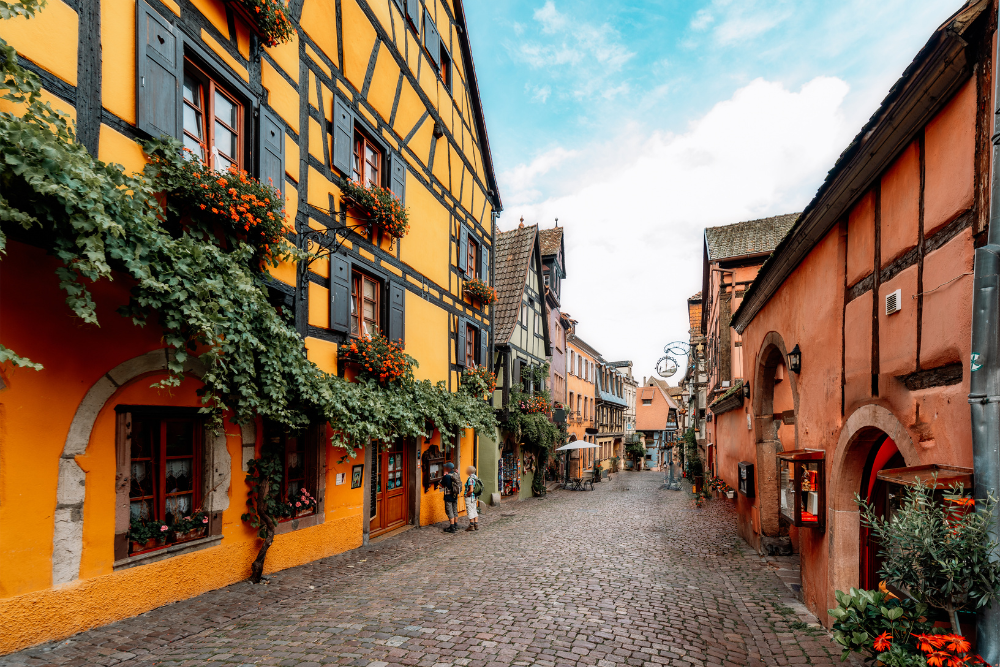
The Alsace Wine Route is a journey through a series of charming villages, each with its own unique character and attractions. Here are a few of the must-visit villages:
Riquewihr
Often considered one of the most beautiful villages in France, Riquewihr is a must-see stop along the wine route. This medieval village, with its cobblestone streets, colorful half-timbered houses, and flower-filled balconies, seems to have been frozen in time. Riquewihr is famous for its Riesling and Gewürztraminer wines, and visitors can explore the charming wine cellars and taste some of the best offerings in the region.
Eguisheim
Just a short drive from Colmar, Eguisheim is another fairy-tale village with winding streets and beautiful old homes. Its central square is surrounded by restaurants, cafes, and wine shops where you can taste Alsace’s finest wines. The village is particularly known for producing top-quality Pinot Gris and Gewürztraminer wines.
Kaysersberg
Kaysersberg, often referred to as the “King of Villages,” is a quintessential Alsace village. Its picturesque architecture, with a striking combination of medieval and Renaissance influences, makes it a perfect place for a leisurely stroll. The village’s vineyard, producing some of the finest Riesling and Pinot Blanc wines, is also worth a visit.
Hunawihr
Located between Riquewihr and Kaysersberg, the quaint village of Hunawihr is home to a remarkable 16th-century church and a nature reserve. Hunawihr is also known for its Pinot Noir wines, which thrive in its fertile soil. This village is perfect for visitors looking for a quieter, more peaceful stop along the wine route.
Turckheim
Turckheim is one of the lesser-known but equally charming villages along the wine route. Known for its medieval architecture, fortified walls, and beautiful vineyards, Turckheim offers visitors a chance to experience Alsace’s authentic charm. The village is also home to some excellent wine estates producing Pinot Blanc, Riesling, and Pinot Noir.
3. Exploring the Wines of Alsace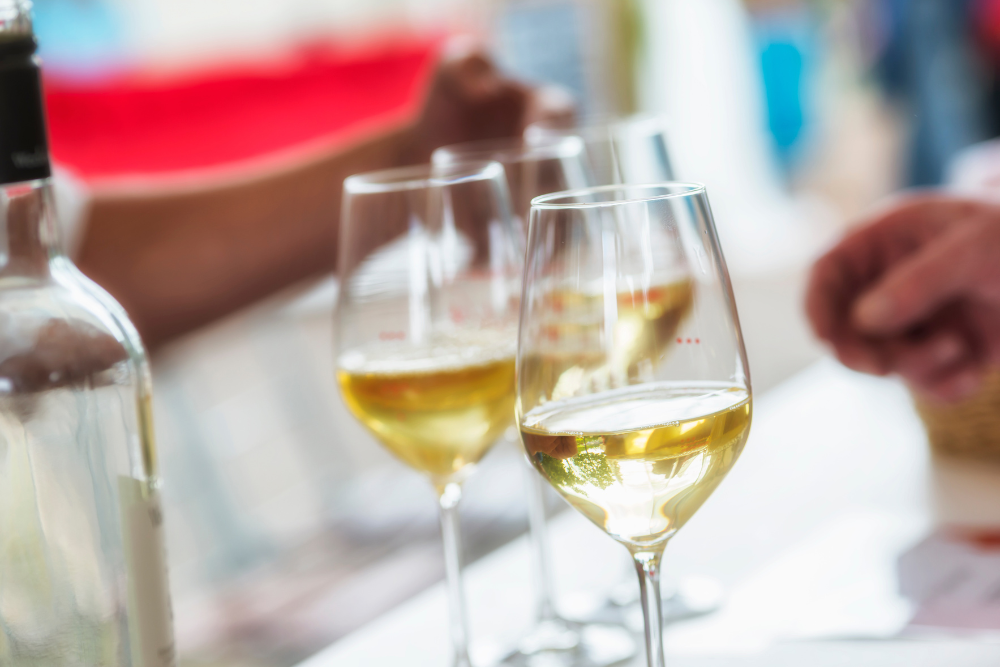
The Alsace Wine Route is not just a scenic drive; it’s also an opportunity to discover the region’s exceptional wines. Alsace is famous for its white wines, which are often produced in a more aromatic and fruit-forward style compared to other regions of France. Here are some of the key wines you should try during your visit:
Riesling
Alsace is renowned for its Riesling, which is often considered one of the best white wines in the world. Riesling from Alsace is known for its crisp acidity, floral notes, and mineral undertones. It pairs perfectly with a variety of dishes, including seafood, poultry, and Alsace’s famous choucroute (sauerkraut with sausages and meats).
Gewürztraminer
Gewürztraminer is another iconic Alsace wine, known for its intense aromatics and rich flavor profile. Expect notes of lychee, rose petal, and spice. It’s a great wine to pair with spicy foods, cheeses like Munster, and Alsatian dishes like tarte flambée.
Pinot Gris
Pinot Gris is a versatile white wine that offers flavors ranging from light and crisp to rich and full-bodied. Alsatian Pinot Gris tends to be richer, with flavors of peach, honey, and a slight smokiness. It pairs well with rich meats, pâtés, and creamy dishes.
Muscat
Muscat is another white wine variety that shines in Alsace, offering a light, aromatic profile with flavors of orange blossom and citrus. Muscat is a great wine for pairing with light appetizers, salads, and seafood.
Pinot Noir
Although Alsace is primarily known for its white wines, the region also produces high-quality Pinot Noir, which has gained recognition in recent years. Alsatian Pinot Noir is typically lighter and fruitier, making it an excellent pairing for poultry, charcuterie, and even dishes with earthy mushrooms.
Crémant d’Alsace
For sparkling wine lovers, Crémant d’Alsace is a must-try. Produced in the traditional method (the same as Champagne), this sparkling wine offers delightful bubbles and flavors of apple, pear, and citrus. It’s perfect for celebrations or as an aperitif.
4. Wine Tasting and Cellar Tours
The Alsace Wine Route offers numerous opportunities for wine tasting and cellar tours. Many of the wine estates and producers along the route welcome visitors to tour their vineyards and cellars, where they can learn about the wine-making process and sample some of the region’s finest wines.
What to Expect During a Wine Tasting:
- Guided Tours: Most wineries offer guided tours where you can explore the vineyards, learn about the history and traditions of Alsace wine-making, and discover the different varieties of grapes grown in the region.
- Wine Tastings: Tastings typically include a selection of wines paired with local cheeses or delicacies. This is the perfect opportunity to explore the full range of Alsace wines, from light and crisp whites to rich reds and sparkling Crémants.
- Friendly Atmosphere: Alsatian winemakers are passionate about their craft and are often more than happy to share their knowledge with visitors. The experience is usually intimate and personal, offering a great chance to ask questions and connect with the local wine culture.
5. Where to Stay and Eat Along the Alsace Wine Route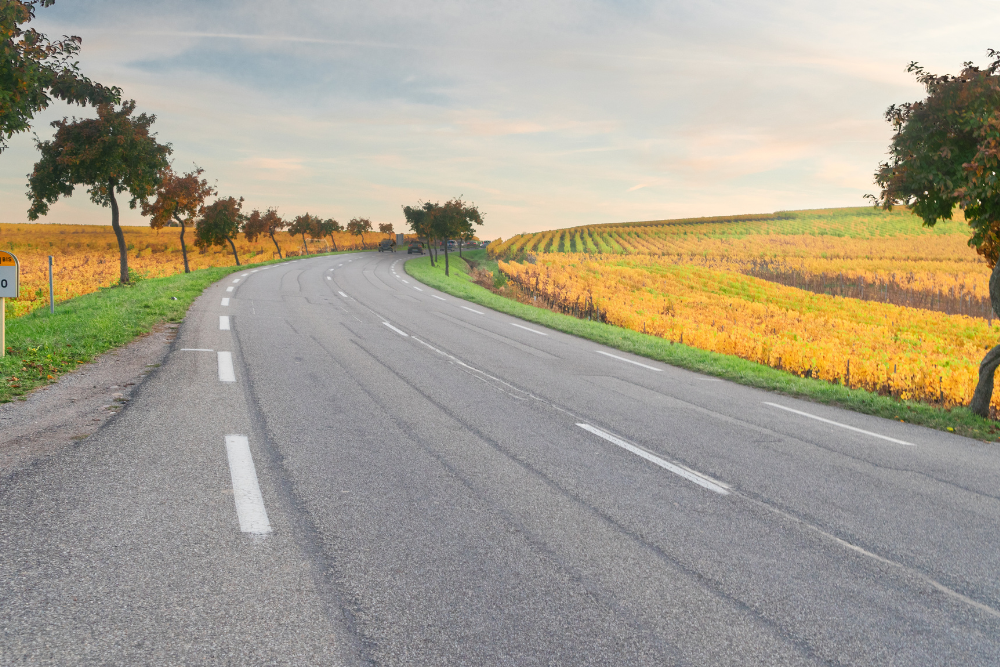
The Alsace Wine Route offers a range of accommodations, from charming bed and breakfasts to luxurious hotels. Staying in one of the picturesque villages along the route allows you to fully immerse yourself in the region’s atmosphere.
Where to Stay:
- Château d’Isenbourg in Rouffach: A luxury hotel in a beautifully restored castle, offering panoramic views of the vineyards.
- Hôtel Le Parc in Kaysersberg: A boutique hotel with a cozy atmosphere and easy access to the wine route.
Where to Eat:
- Au Croissant d’Or in Riquewihr: A traditional Alsace restaurant serving classic dishes like tarte flambée and coq au vin.
- La Table du Château in Turckheim: Offering a gourmet experience with local specialties and exquisite wine pairings.
Conclusion
The Alsace Wine Route is a perfect blend of natural beauty, rich history, and exceptional wines. Whether you’re driving through the scenic vineyards, exploring charming villages, or tasting some of the world’s finest white wines, this journey offers a memorable experience for all the senses. The region’s unique blend of French and German influences, its medieval architecture, and its exceptional wine culture make it an unmissable destination for any traveler seeking a true taste of France. So, pack your bags, prepare your palate, and set out to discover the charm of the Alsace Wine Route.