



Switzerland is known for its breathtaking landscapes, neutrality, and historic cities, but beneath its serene surface lies a vast network of hidden WWII bunkers and fortresses. These once-secret military installations, built to protect the country from invasion, remain scattered across the Swiss Alps, forests, and even within towns. Today, many of these sites have been declassified, offering a fascinating glimpse into Switzerland’s military strategy and wartime resilience.
In this guide, we explore some of the most intriguing WWII bunkers and fortresses in Switzerland, where history meets engineering marvels.
Switzerland’s National Redoubt Strategy: A Hidden Defense System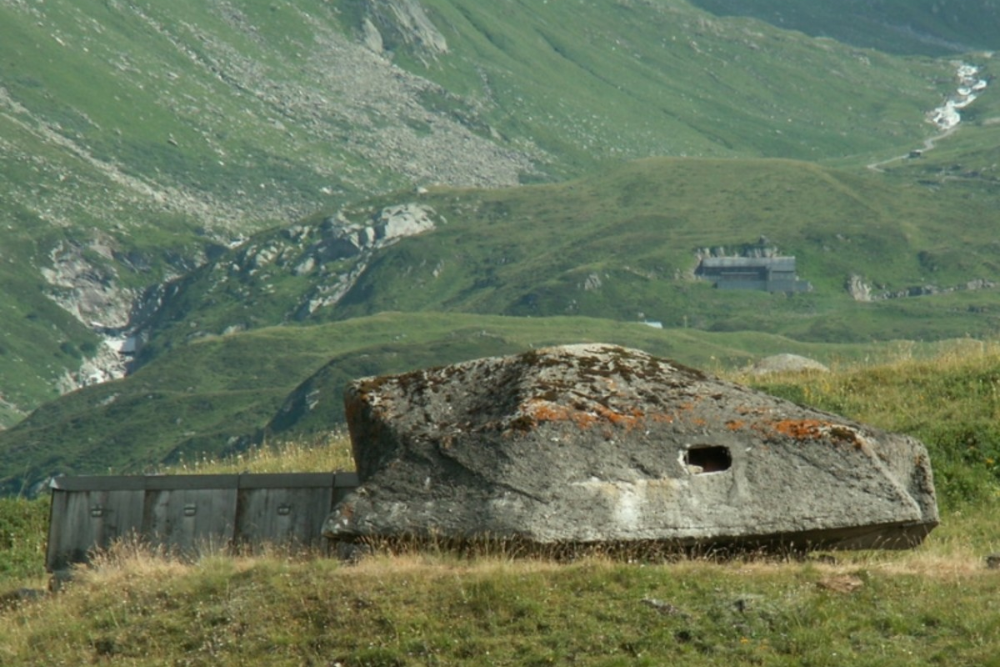
During WWII, Switzerland developed the National Redoubt (Réduit National), a defensive strategy designed to retreat into the mountains and hold off any potential invaders. This meant fortifying key mountain passes, valleys, and strategic locations with:
- Camouflaged bunkers disguised as chalets, barns, or rock formations
- Underground fortresses with artillery, living quarters, and supply depots
- Hidden airstrips and tunnels designed for long-term resistance
While Switzerland was never invaded, these bunkers and fortresses remained top secret for decades, only being revealed to the public in recent years.
1. Fort de Dailly (Vaud) – The Largest Underground Fortress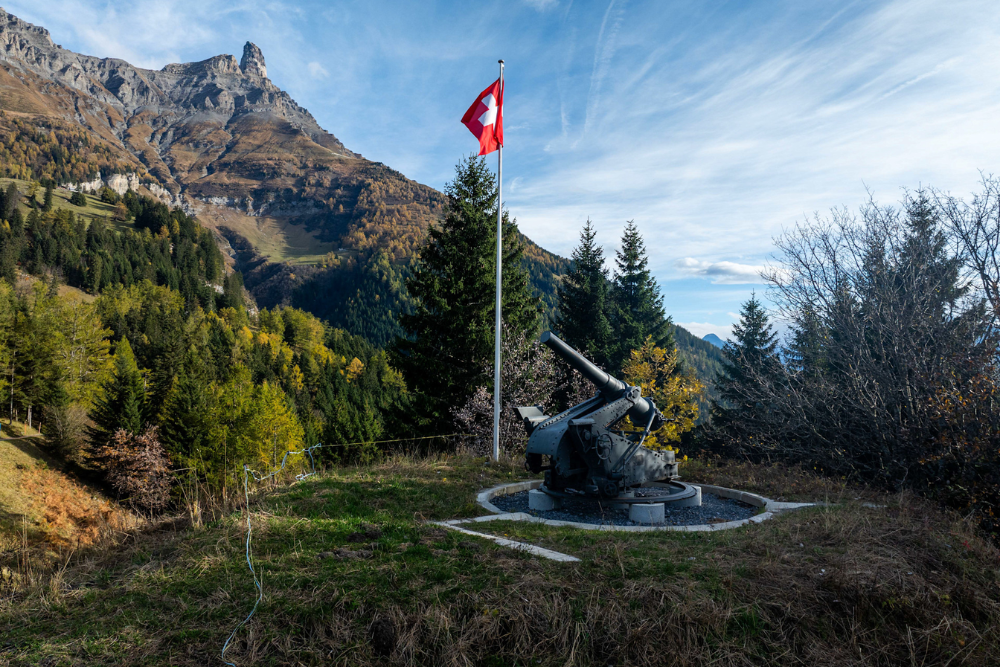
Hidden deep in the Vaudois Alps, Fort de Dailly is one of the most extensive underground fortresses in Switzerland, stretching for several kilometers beneath the mountains.
Why It’s Fascinating:
- Built into the rock, with a vast network of tunnels and artillery stations
- Designed to defend the Rhône Valley and key Alpine passes
- Capable of housing hundreds of soldiers for extended periods
While the interior remains restricted, guided tours occasionally allow visitors to explore certain sections.
2. Sasso San Gottardo (Gotthard Pass) – Switzerland’s Mountain Fortress
One of the most impressive and well-preserved Swiss military bunkers, Sasso San Gottardo lies inside the Gotthard Pass, a crucial strategic point in WWII.
What to Expect:
- A massive underground bunker, once top secret, now open to the public
- Giant artillery cannons that could target enemies from within the mountains
- Exhibitions on Switzerland’s wartime neutrality and defense strategies
Visitors can explore the long tunnels, military quarters, and command rooms, getting a real sense of how Swiss soldiers prepared for potential war.
3. Fortress Fürigen (Nidwalden) – A Hidden Bunker Overlooking Lake Lucerne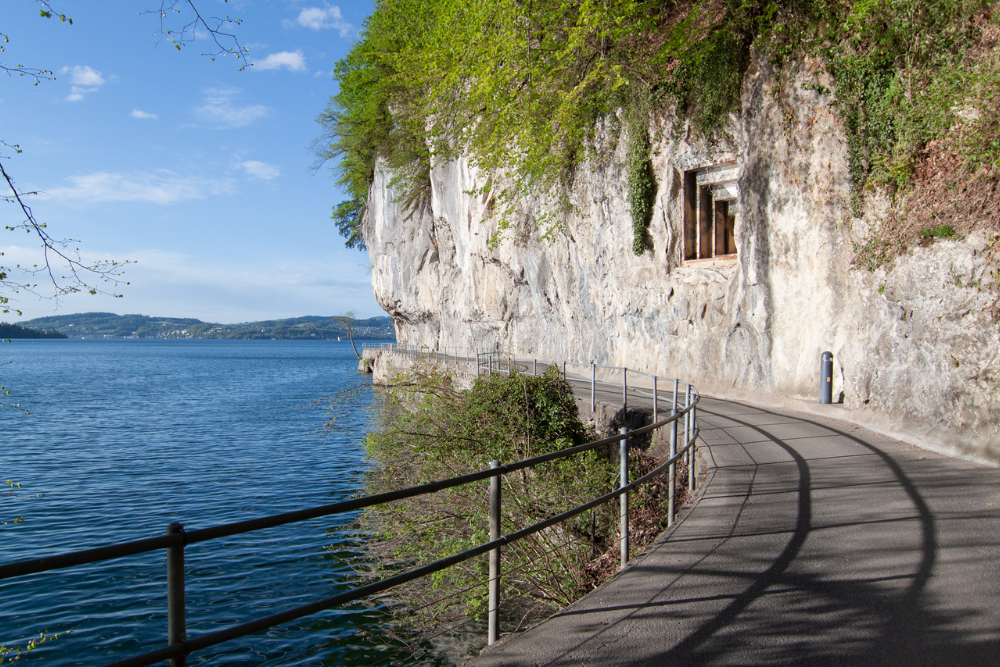
Fortress Fürigen is a fully preserved wartime bunker hidden inside a cliff above Lake Lucerne. Originally classified, it was built to blend seamlessly into the landscape, appearing as part of the natural rock face.
Why Visit?
- Still contains original wartime equipment, artillery, and supplies
- Includes living quarters, a command center, and escape tunnels
- Offers stunning views over Lake Lucerne while revealing Switzerland’s secret defense system
The bunker is now a museum, open to visitors looking to step into Switzerland’s hidden wartime past.
4. Artillery Fortress Vallorbe (Vaud) – A Hidden Stronghold in the Jura Mountains
Deep in the Jura Mountains, the Fortress of Vallorbe was built to defend Switzerland’s western border from possible invasions. Its vast underground tunnels housed troops, artillery, and supply depots.
Highlights:
- A maze of underground tunnels and reinforced bunkers
- Fully preserved command centers and gun positions
- A museum displaying historical artifacts from WWII
This fortress is now open for guided tours, allowing visitors to experience the underground military infrastructure.
5. Fort Reuenthal (Aargau) – A Bunker Disguised as a Farmhouse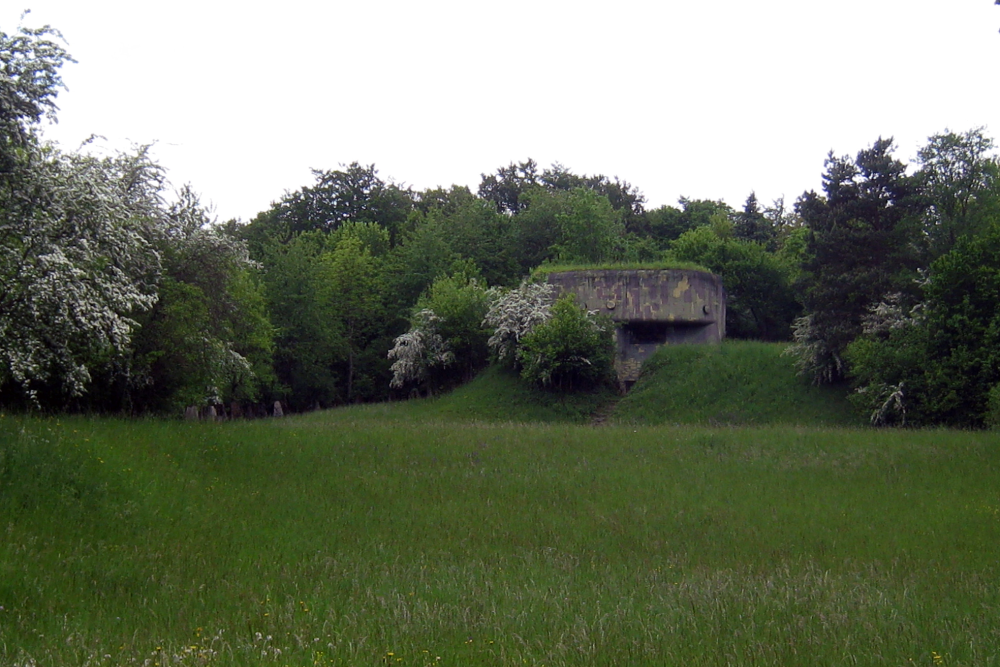
Located near the German border, Fort Reuenthal is one of Switzerland’s most cleverly disguised WWII bunkers. From the outside, it looks like a traditional farmhouse, but inside, it hides a fully operational wartime fortress.
What Makes It Unique?
- A deceptive exterior, hiding a powerful defense system inside
- Underground rooms with artillery, anti-tank guns, and command posts
- A museum showcasing Swiss military history and equipment
Fort Reuenthal is open to the public, making it one of the best places to experience Switzerland’s covert military architecture.
6. The Hidden Bunkers of Sargans (St. Gallen) – A Fortress Town
Sargans, a small town near Liechtenstein, was a key stronghold of the National Redoubt. Beneath the town lies a massive network of bunkers, tunnels, and fortifications designed to defend Switzerland from invasion.
Why It’s a Must-Visit:
- An extensive underground military complex, now partly open to the public
- Original wartime weapons, equipment, and sleeping quarters still intact
- One of the most strategic defensive positions in Switzerland
Several bunkers and tunnels are now museums, providing insight into Switzerland’s wartime preparations.
7. Hidden Bunkers in Zurich – Secret War Shelters in the City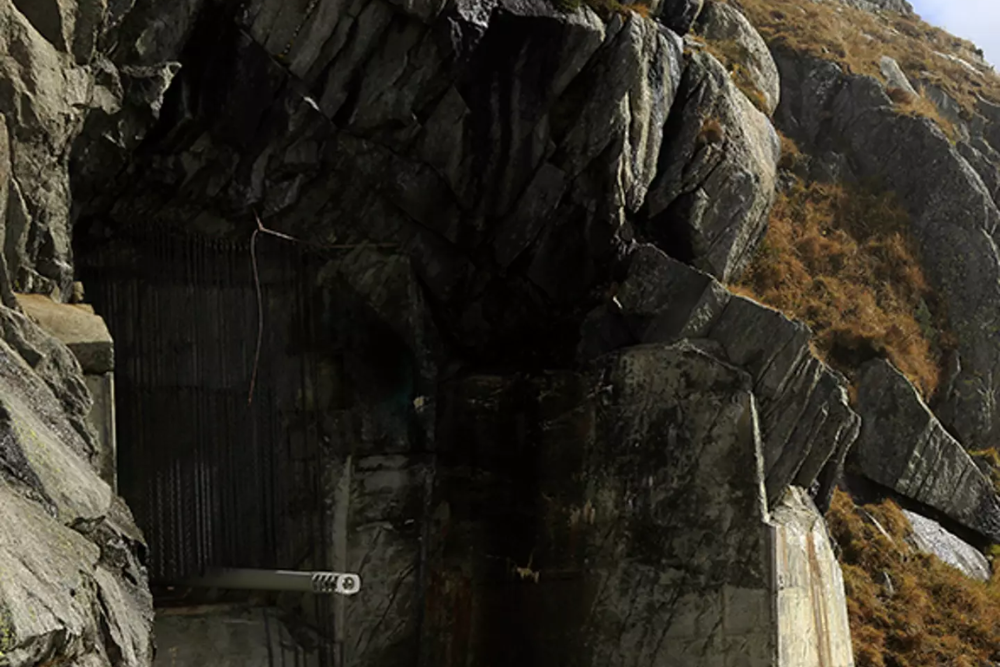
Even in urban areas like Zurich, WWII bunkers are hidden beneath streets, inside buildings, and under parks. Some of these remain active as civil defense shelters, but others have been transformed into museums.
Where to Find Them:
- The Sonnenberg Bunker in Lucerne – Built to house 20,000 people in case of war.
- Zurich’s Underground Shelters – Some remain classified, but certain tunnels open for special tours.
- Hönggerberg Bunker (Zurich) – A former secret bunker, now a historical site.
These sites highlight Switzerland’s commitment to preparedness, even in peacetime.
Conclusion
Switzerland’s hidden WWII bunkers and fortresses reveal a fascinating chapter of military history, showcasing ingenious engineering, secrecy, and preparedness. From cliffside strongholds and mountain fortresses to disguised farmhouses and underground cities, these sites provide an unparalleled look into Switzerland’s wartime defenses.
Many of these once-secret locations are now open to the public, offering a rare opportunity to explore the underground world of Switzerland’s military strategy. Whether you’re a history enthusiast, a military buff, or simply curious, discovering these bunkers and fortresses is an unforgettable experience.