

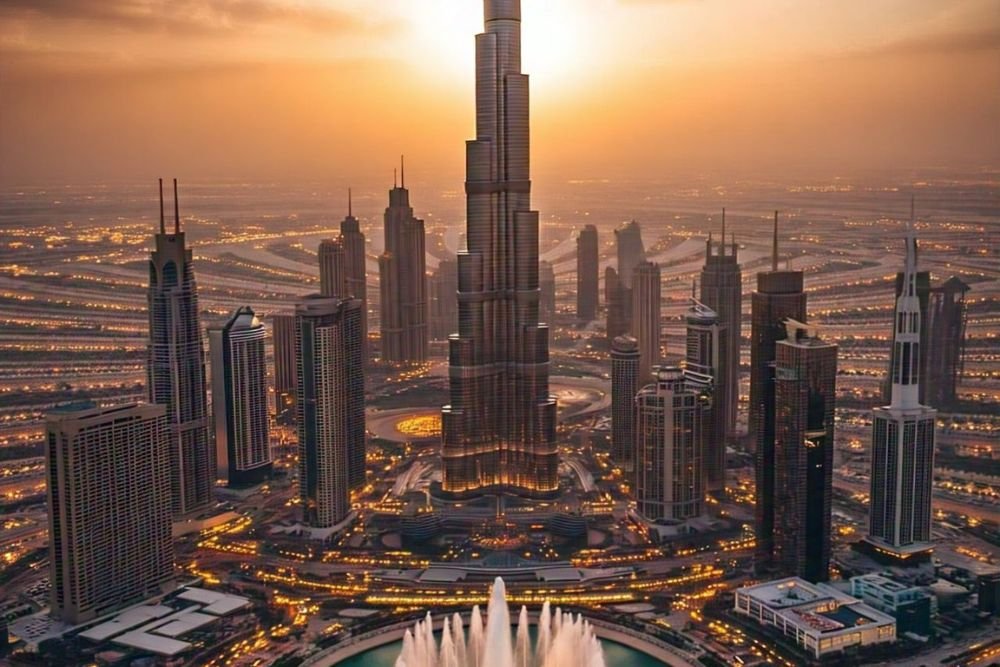

Introduction:
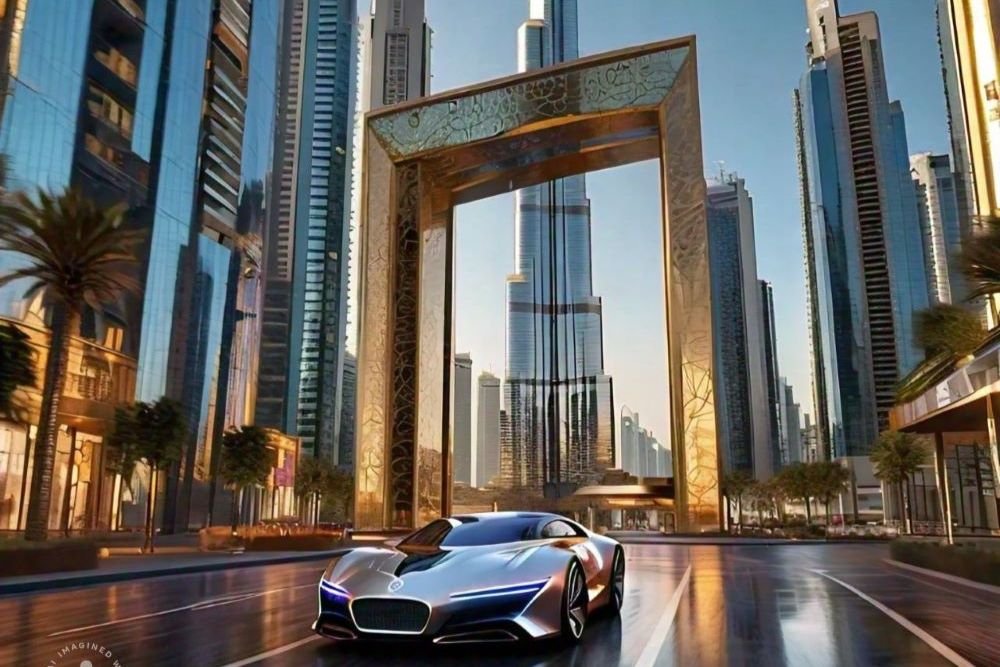
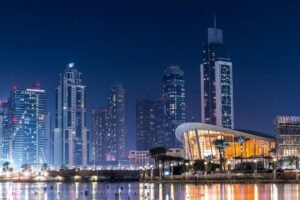
Dubai, the quintessential metropolis for travel enthusiasts, has bold plans for the future. It has set the stage to be the world’s most-visited city by 2025. Dubai Tourism Strategy, which the Dubai Executive Council ratified, aims to welcome 23 to 25 million visitors by 2025.
Dubai’s meteoric rise as a global travel destination has set the stage perfectly for even more audacious ambitions. However, Dubai is also aware of the pitfalls that rapid rise can entail in its journey. And it’s not just a sky-high edifice merely but a more holistic and innovative plan that takes into account the pros and cons of everything and unfurls the red carpet of development beyond 2024.
Some of the factors that are constantly pushing the trajectory of development for Dubai are:
- Strategic Location
- Favourable Government Policies
- Iconic Attractions and Landmarks
- Diversified Offerings
- Thrilling Adventures
- Safe and Welcoming Environment
- World-Class Hospitality
- Sustainability Initiatives
- Innovative Events and Festivals
Post-Expo 2020 Legacy and Its Impact on Tourism:
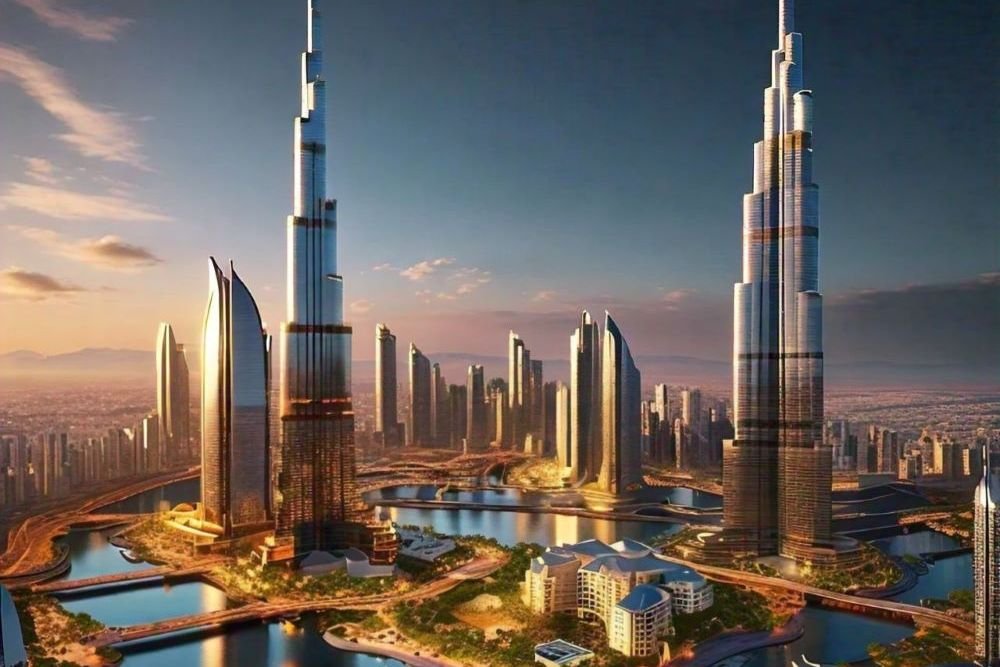
Dubai is aware of the momentum created post-Expo 2020 and is keen to sustain it. Taking over from the Expo 2020 site, it was decided that at least 80% of what has been built will remain even when the Expo 2020 closes.
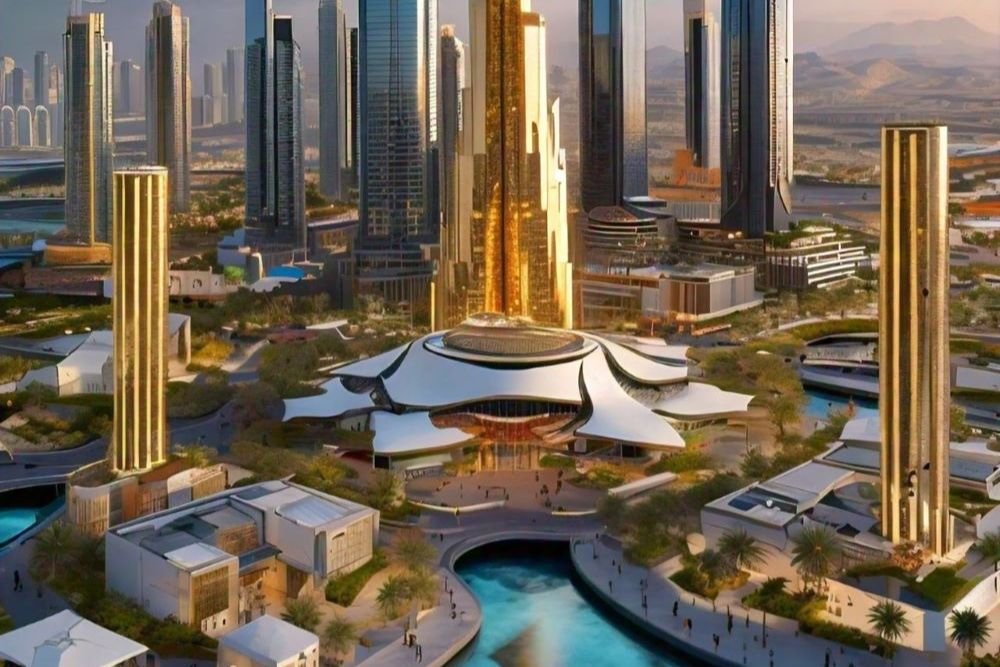
District 2020 is a futuristic mini-city that not only connects people and spaces but also takes sustainability goals as a cornerstone of this entire project.
The state-of-the-art infrastructure of District 2020 draws its inspiration from the Expo 2020 site and is located in the middle of Dubai and Abu Dhabi. The unique locational advantage that places Dubai at the crossroads of East and West empowers entrepreneurial projects with an ideal and optimum atmospheric impetus. Dubai is well connected with the rest of the 2/3 world by an eight-hour air travel.
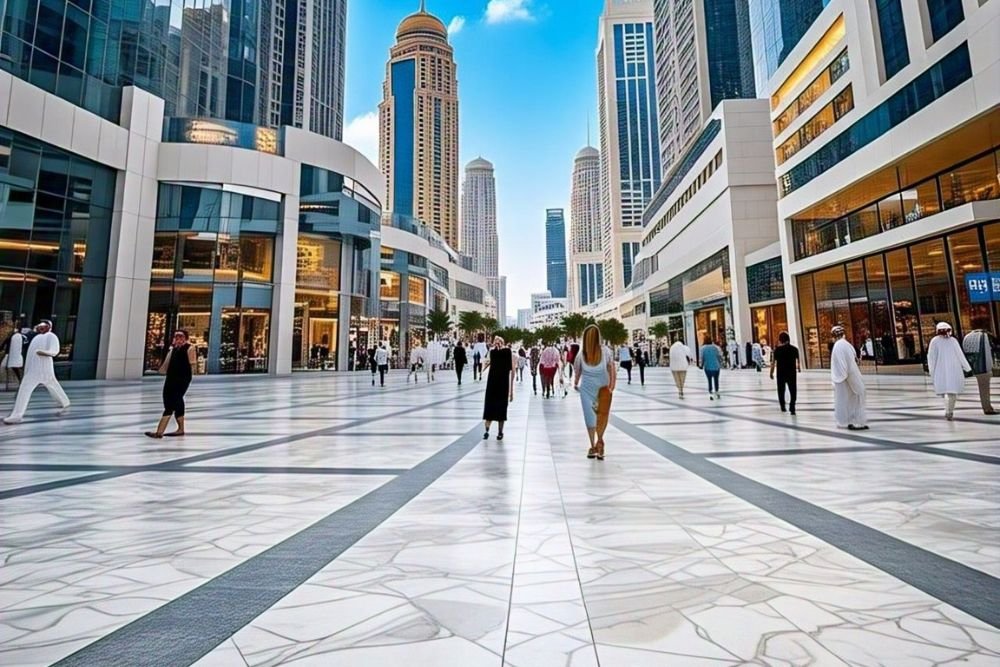
District 2020 will continue to connect the all-important trifecta of people, ideas, and spaces. Through an integrated and inclusive environment, District 2020 will make use of next-gen digital infrastructure for a seamless convergence between the demands and delivery of projects. Some of the features of District 2020 are:
- Pedestrian-friendly Streets
- Dedicated bike pathways
- Unique Entertainment and Hospitality
- Incredible Architecture
- Green Spaces
- Advanced Mobility Solution
- Dubai Metro Station
Expansion of Cultural Tourism:
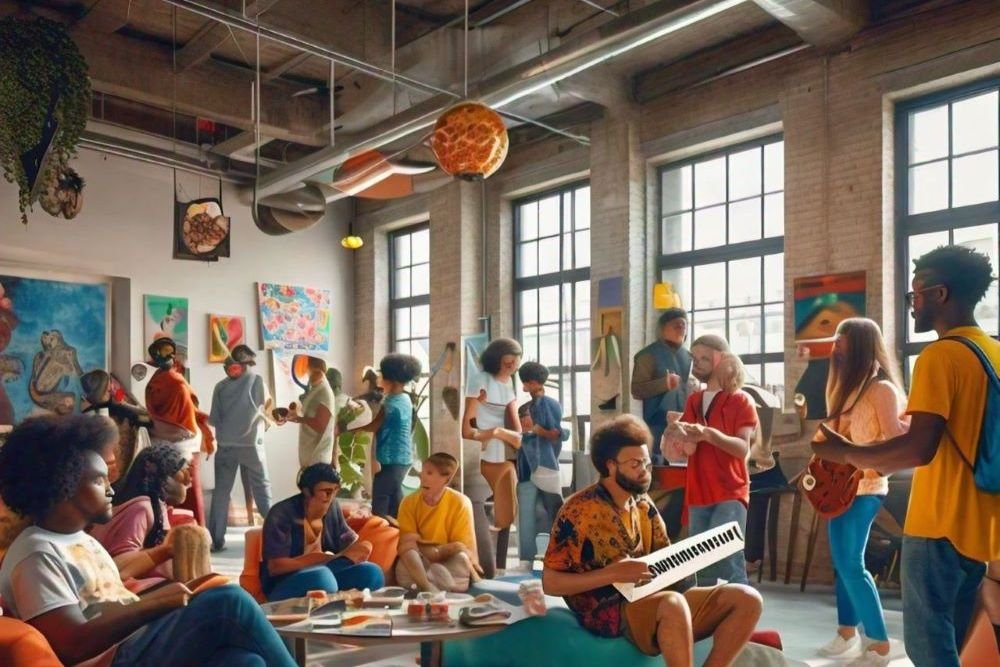
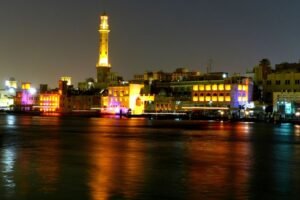
Dubai is keen to protect and restore its unique cultural past and rich heritage. The city of skyscrapers is teeming with a string of heritage points where culture, heritage, and rich aesthetics have melted in perfect proportion to leave you baffled. The places are:
Al Fahidi Historical Neighbourhood: This is an absolute must-visit place in your itinerary that deserves your attention and appreciation alike. This is the place where you merge and melt with the Dubai of the old. Once a bustling administrative and commercial hub, the place now offers an exotic glimpse into the late 19th and early 20th century of Dubai. With serpentine and winding alleys, the neighbourhood is home to various museums, exhibitions, and artistic activities.
Textile Souk: The neighbourhood is adjoined by the textile souk, and a visit to this place is vital if you want to delve deep into the authentic Emirati culture. Not only does this place hold a clue to the sartorial styles of the place and people, but it also provides an escape to the colourful reels of raw and embroidered fabric.
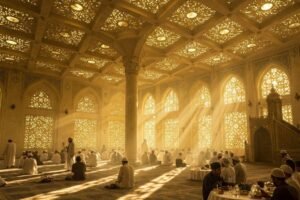
Bur Dubai Grand Mosque: Situated within walking distance of the textile souk is the grand mosque of Bur Dubai. An imposing architecture built in a traditional Islamic style; the mosque is the hub of the all-religious activities of Dubai.
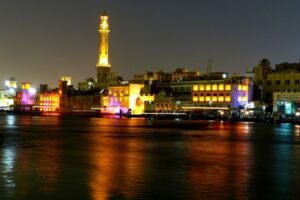
Perfume Souk: Located in the vicinity of Dubai Creek, you will find the perfume souk and also the fragrances. This is the nerve centre of aromas and scents. While some of them are more suggestive, some are more bold and brash. While some of them are more evocative, some of them are just hauntingly nostalgic.
Al Shindagha Museum: No sojourn of Dubai is complete without a visit to the Al Shindagha historical neighbourhood. This is the very place where the ruling family set their home in the early 20th century. Al Shindagha Museum records and celebrates Dubai’s gradual transformation into the present stage and deconstructs the authentic Emirati culture.
The Story of the Creek – a vivid and enlightening multi-media presentation that will leave you stunned in seeing how modern Dubai claimed its place as a modern and contemporary civilization.
Sustainability and Eco-Tourism:
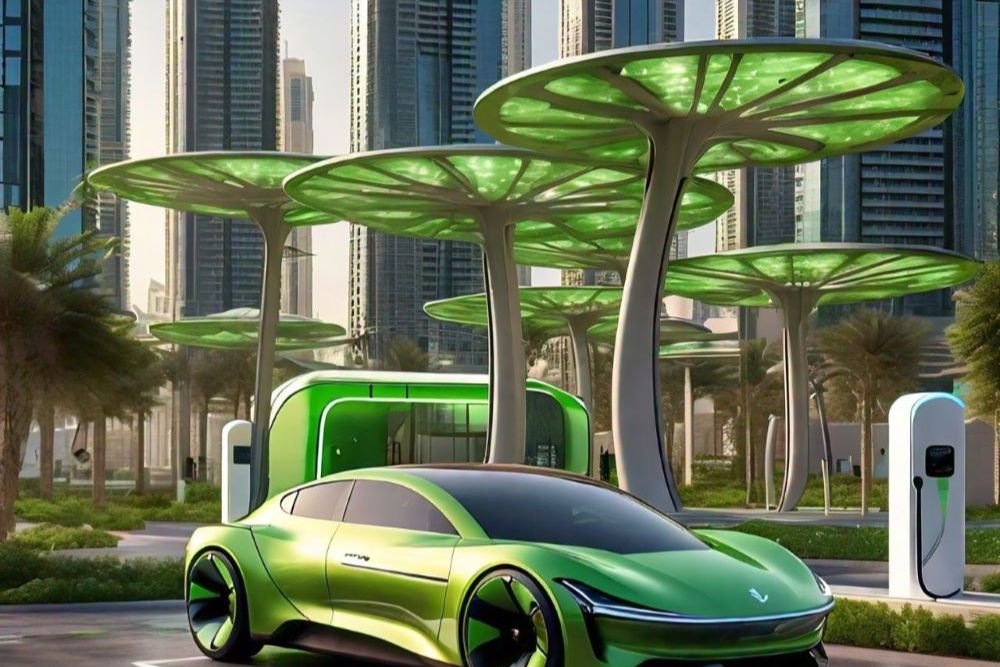
Dubai has made deep inroads into the area of sustainability and eco-tourism through an array of initiatives meant to keep the delicate ecological balance of the region’s atmosphere and environment intact. These initiatives span a wide swathe of the local environment and promise to restore the areas beyond. The major steps are:
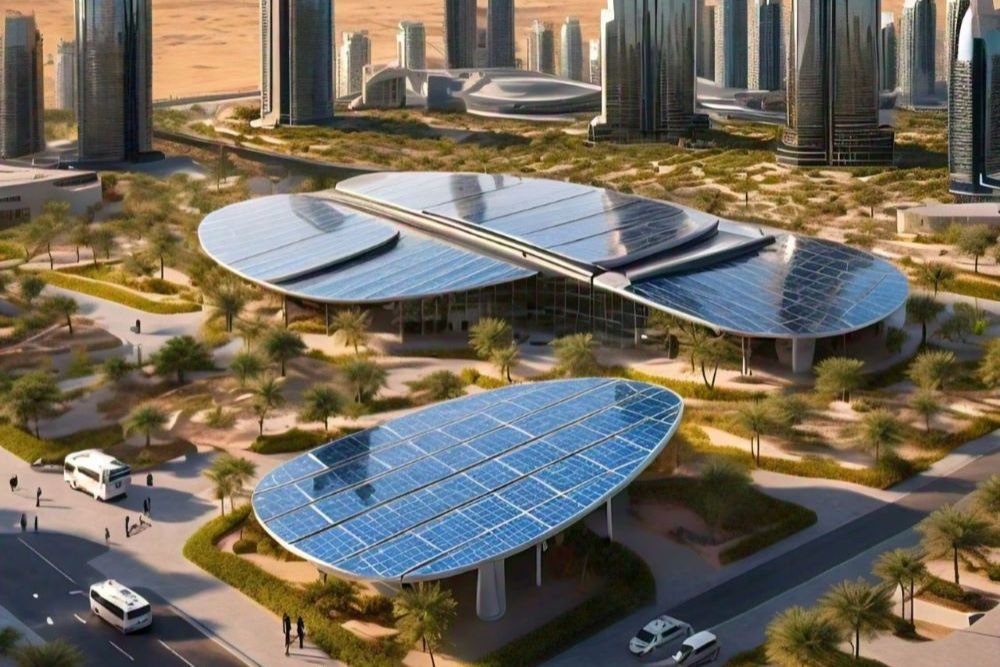
Use of Renewable Energy: Dubai has made definite strides in the domain of renewable energy sources and has committed to generating 50% of its energy from clean energy sources by 2050. Major projects of this ilk include Mohammed bin Rashid Al Maktoum Solar Park and Dubai Electricity and Water Authority (DEWA) Solar Power Stations.
Water Conservation: Dubai has made tangible steps in the area of water conservation. Some of the types of projects to which Dubai has committed and is already working are desalination plants, water recycling, and reuse, recycled water for agriculture, and water efficiency initiatives.
Sustainable Transportation: Dubai has already invested heavily in the Dubai Metro, electric vehicles, and electric vehicle charging stations. Also, Dubai is promoting dedicated lanes for pedestrians and bicycling. Through all such concerted steps, Dubai aims to improve sustainable transportation and reduce its carbon footprint.
Environmental Protection: Dubai has taken serious steps in the area of environmental protection. The steps include:
- Wildlife sanctuaries
- Mangrove forests
- Marine conservation
- Sustainable urban development
Waste Management: Dubai has taken definite strides in the area of waste management. Notable endeavours in this domain are:
- Mandatory segregation
- Educational campaigns
- Recycling facilities
- Recycling partnerships
- Organic waste composting
- Waste-to-Energy Plants
- Electronic Waste Management
- Public Awareness Campaigns
Technology Integration and Smart Tourism:
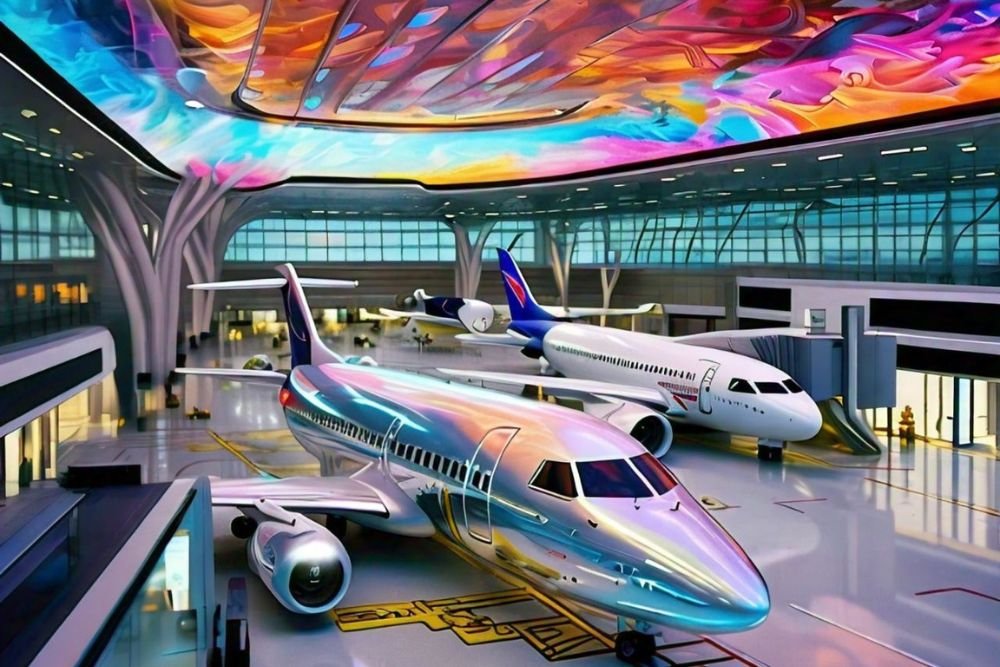
Dubai has made significant progress in the area of seamless merging of technology with tourism. For example, Dubai has introduced the world’s first digital concierge system that doubles up as a virtual assistant. The mechanism helps to offer some very useful info about various aspects of tourism and travel in Dubai.
Also, the usage of augmented reality (AR) in tourist sites like Burj Khalifa and Al Shindagha Museum deserves special mention, which offers virtual historical tours and experiences.
Artificial intelligence is also being used in providing contactless experiences like in luxury hotel rooms and fully automated airports like Dubai International Airport’s biometric security systems.
Ultra-Luxury and Bespoke Experiences:
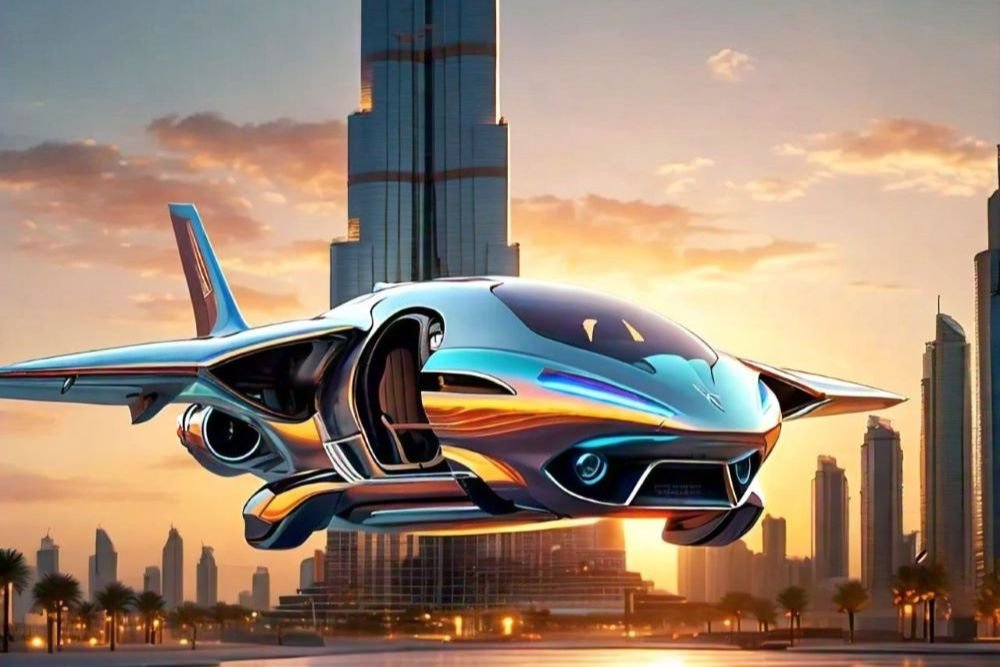
Dubai has redefined the meaning and practice of luxury in a very fundamental and yet subtle way. Some of these that deserve mention are:
- Private island getaways (Anantara World Islands Dubai Resort)
- High-end luxury desert resort (Al Maha- Desert Resort & Spa)
- Private Jet Tours
- Super Yacht Experiences
- Hyper-Personalized Wellness & Spa Experiences (Dior Spa The Lana)
- Private dining with Michelin-star chefs
- Family-Friendly Tourism
- Educational and Edutainment Experiences
Conclusion:
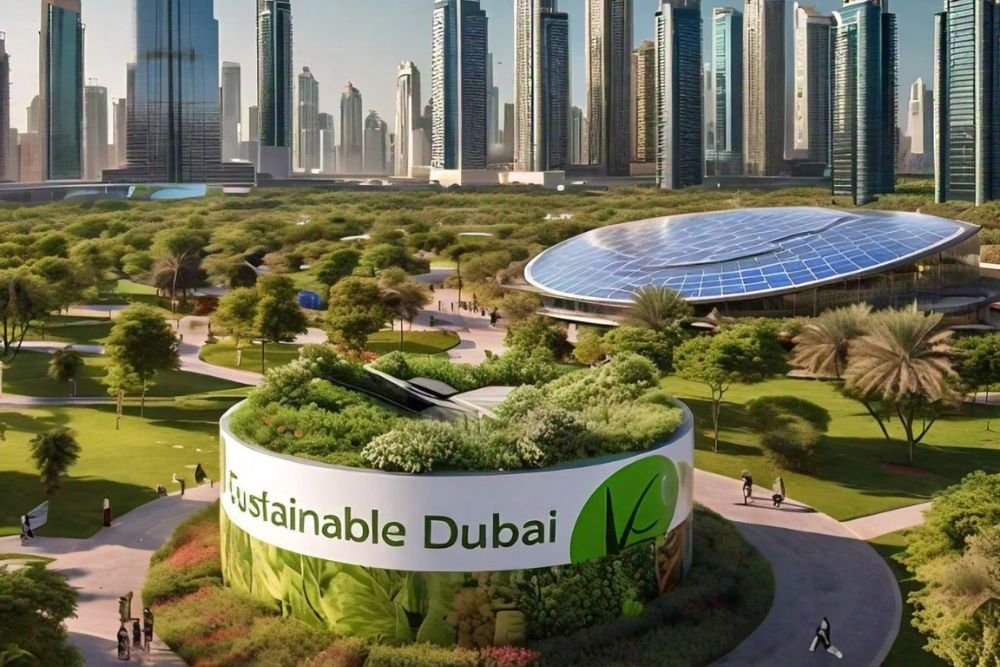
Dubai Tourism 2025 is all set to get a major revamp with the expansion of Dubai International Airport (DXB), which will include new terminals and upgraded technology aiding in smoother travel. Also, Al Maktoum International Airport is all set to become one of the largest in the world by 2025.
So, when all these efforts, initiatives, and projects are combined, Dubai becomes a peerless hub of international and futuristic travel, coalescing travel and business into one single hue of vibrant colour. Dubai’s ambitious tourism policy of 2025 seamlessly integrates and brings into play the innovation, balance, sustainability, and cultural heritage of all the stakeholders in a captivating single bouquet of offerings.