



Introduction
Scandinavia has become a beacon for eco-friendly travel, blending breathtaking natural landscapes with a strong commitment to sustainability. With green cities, renewable energy, and eco-conscious travel options, the region is a dream destination for those seeking to explore responsibly.
In this blog, we’ll uncover the best tips for eco-friendly travel in Scandinavia and highlight destinations where sustainability takes center stage.
Why Scandinavia is a Leader in Eco-Friendly Tourism

Scandinavia consistently ranks as one of the most sustainable regions in the world. Here’s why:
- Renewable Energy: Denmark, Norway, and Sweden lead the way in wind, solar, and hydroelectric energy.
- Green Cities: Urban centers like Copenhagen and Stockholm prioritize green spaces, cycling, and energy efficiency.
- Cultural Ethos: Sustainable living is deeply ingrained in Scandinavian culture, from recycling to eco-friendly design.
This commitment makes it easier for travelers to enjoy guilt-free adventures while minimizing their environmental footprint.
Top Eco-Friendly Destinations in Scandinavia
1. Stockholm, Sweden: The Green Capital
Stockholm is often referred to as one of the greenest cities in the world. With an archipelago of over 30,000 islands, it offers countless opportunities to enjoy nature sustainably.
Eco-Friendly Highlights
- Djurgården: An urban national park perfect for walking, cycling, and picnicking.
- Vegan Restaurants: Try eco-conscious eateries like Hermans and Rutabaga.
- Sustainable Stay: Book a room at Hotel Skeppsholmen, which emphasizes energy efficiency and eco-friendly materials.
2. Copenhagen, Denmark: The Cycling Haven
Copenhagen is synonymous with sustainability, boasting a bike-friendly infrastructure and a goal to become carbon-neutral by 2025.
Eco-Friendly Highlights
- Bike Tours: Rent a bike and explore the city’s many cycling paths.
- Green Attractions: Visit Tivoli Gardens and the urban swimming zones in the harbor.
- Sustainable Dining: Noma, one of the world’s best restaurants, emphasizes local and sustainable ingredients.
3. Lofoten Islands, Norway: Pristine Beauty
The Lofoten Islands offer some of the most spectacular scenery in Scandinavia, from dramatic fjords to quaint fishing villages. Efforts to preserve the environment make it a model for sustainable tourism.
Eco-Friendly Highlights
- Kayaking and Hiking: Explore the islands without leaving a carbon footprint.
- Eco-Accommodations: Stay at Eliassen Rorbuer, converted fishermen’s cabins.
- Local Cuisine: Enjoy fresh, locally sourced seafood at small, family-run eateries.
4. Svalbard, Norway: Arctic Sustainability
Located in the Arctic Circle, Svalbard is a fragile ecosystem where sustainability is paramount. The region offers unique opportunities to experience the Arctic responsibly.
Eco-Friendly Highlights
- Wildlife Tours: See polar bears and Arctic foxes with operators committed to conservation.
- Electric Snowmobiles: Reduce your carbon footprint while exploring the tundra.
- Sustainable Lodging: Stay at Basecamp Hotel, built with reclaimed materials.
Tips for Eco-Friendly Travel in Scandinavia
1. Choose Sustainable Transportation
- Public Transit: Scandinavia’s public transport systems are clean, efficient, and eco-friendly.
- Trains Over Planes: Opt for scenic train journeys, such as the Oslo to Bergen railway or the Arctic Circle train in Sweden.
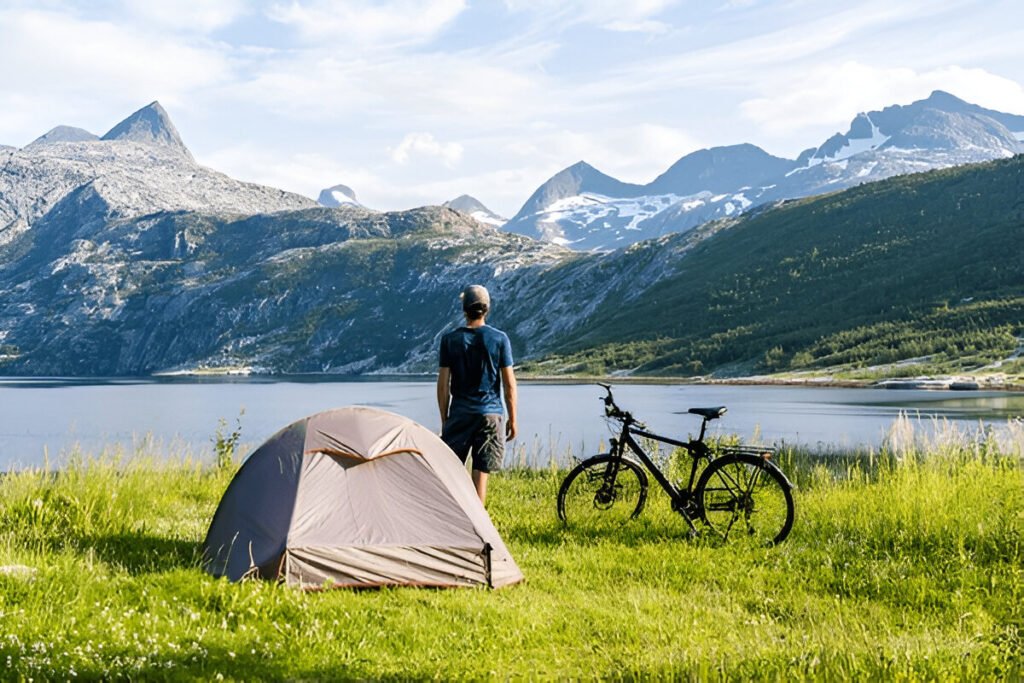
- Bike Rentals: Many cities have bike-sharing programs, making cycling an easy and sustainable way to explore.
2. Stay at Green Hotels
Look for accommodations certified by Nordic Swan or Green Key, which guarantee environmentally responsible practices. Options include:
- Treehotel (Sweden): Unique treehouse accommodations built with minimal environmental impact.
- Manon Les Suites (Denmark): A luxurious, eco-friendly hotel in the heart of Copenhagen.
- Juvet Landscape Hotel (Norway): Designed to blend seamlessly into its natural surroundings.
3. Support Local and Sustainable Businesses
- Shop at local markets to reduce the carbon footprint of imported goods.
- Choose tour operators with eco-certifications and a commitment to sustainable practices.
- Eat at farm-to-table restaurants that prioritize seasonal and organic ingredients.
4. Minimize Waste
- Carry a reusable water bottle and refill it at taps or springs, which are abundant in Scandinavia.
- Bring reusable bags, utensils, and containers to avoid single-use plastics.
- Dispose of waste properly and recycle whenever possible.
Eco-Friendly Outdoor Activities
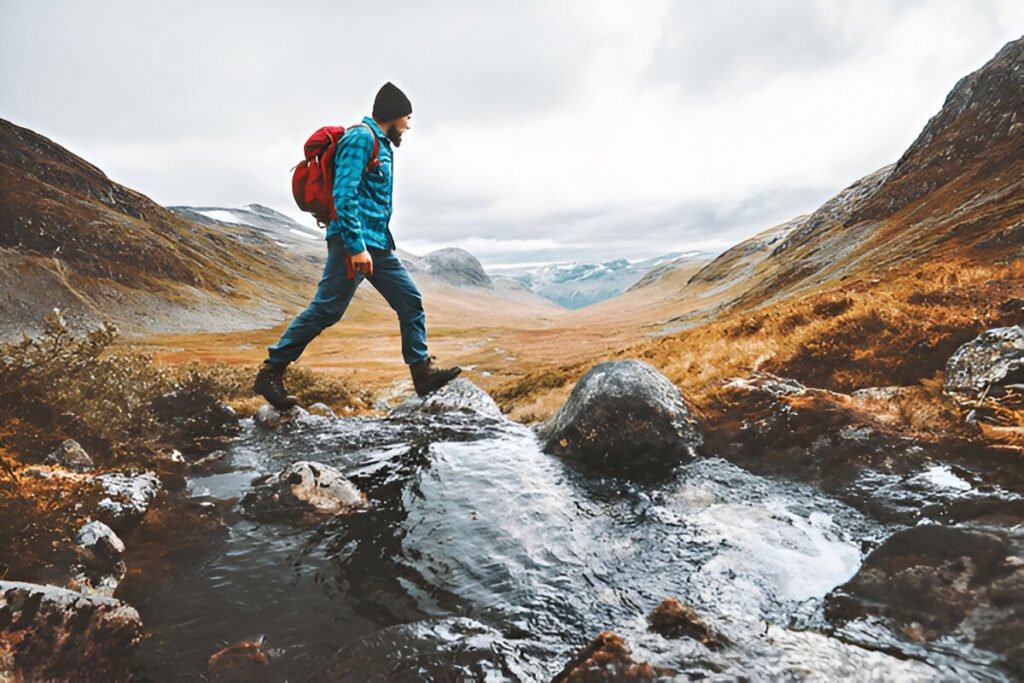
Scandinavia’s pristine wilderness offers countless opportunities for eco-conscious travelers to connect with nature:
1. Hiking and National Parks
- Kungsleden Trail (Sweden): A legendary 440-kilometer trail through Arctic wilderness.
- Jotunheimen National Park (Norway): Home to Norway’s highest peaks and stunning glaciers.
- Oulanka National Park (Finland): Famous for the Karhunkierros Trail, perfect for spotting wildlife.
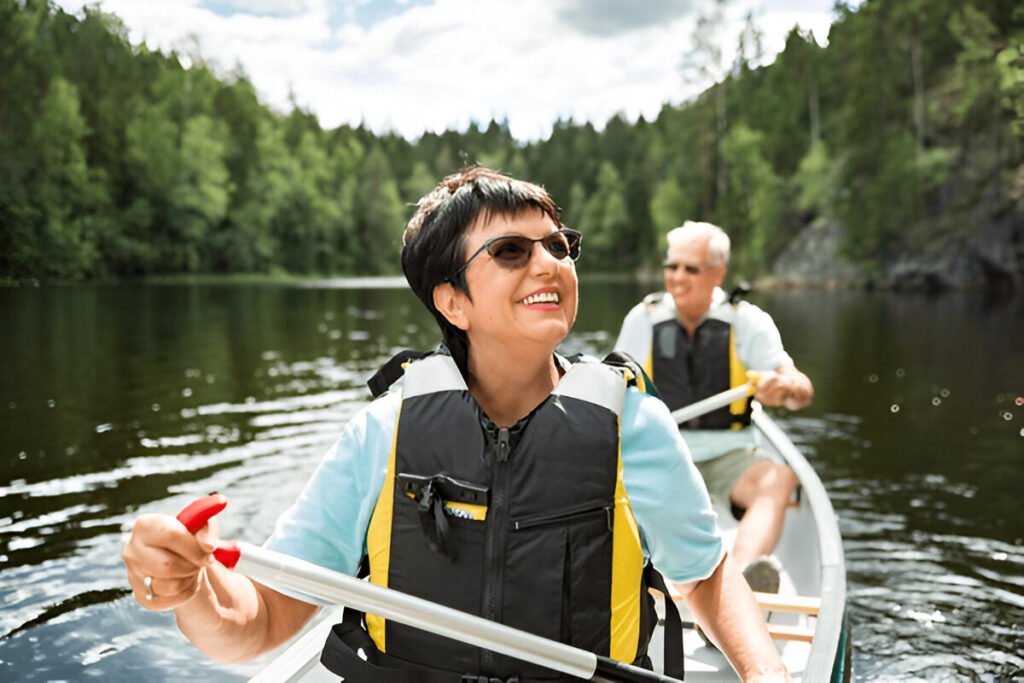
2. Kayaking and Canoeing
- Paddle through Sweden’s Stockholm Archipelago or Norway’s Geirangerfjord.
- Choose operators who prioritize eco-friendly equipment and practices.
3. Wildlife Watching
- Observe reindeer in Finland, whales in Norway, or moose in Sweden through ethical wildlife tours.
Eco-Conscious Dining in Scandinavia
- Scandinavian cuisine is deeply tied to the land and seasons, making it a perfect fit for sustainable dining.
- Foraged Ingredients: Many restaurants use wild herbs, mushrooms, and berries.
- Seafood: Fresh, sustainably caught fish is a staple.
- Plant-Based Options: Veganism is widely embraced, with many restaurants offering creative plant-based menus.
Sustainable Shopping in Scandinavia
Support local artisans and sustainable businesses by shopping responsibly:
- Recycled Goods: Buy upcycled or secondhand items at stores like Humana in Sweden or Kirkens Bymisjon in Norway.
- Handcrafted Items: Purchase traditional handicrafts, such as Sami jewelry or hand-knit wool garments.
- Eco-Friendly Brands: Scandinavian design brands like Fjällräven and Ekelund use sustainable materials and ethical production practices.
Challenges and Solutions for Eco-Friendly Travel in Scandinavia

While Scandinavia is incredibly sustainable, some challenges remain, such as over-tourism in popular areas. Here’s how travelers can help:
- Visit Lesser-Known Destinations: Explore hidden gems like Finland’s Kvarken Archipelago or Denmark’s Bornholm Island.
- Travel Off-Season: Reduce pressure on infrastructure by visiting in spring or autumn.
- Educate Yourself: Learn about local ecosystems and conservation efforts before visiting.
Conclusion
Scandinavia offers the perfect blend of natural beauty and eco-friendly innovation, making it a top destination for conscious travelers. From green cities and pristine wilderness to sustainable dining and shopping, the region proves that tourism and sustainability can go hand in hand.
By adopting eco-friendly practices, you can ensure your trip not only leaves minimal impact but also contributes to preserving Scandinavia’s stunning landscapes for generations to come.