


Introduction
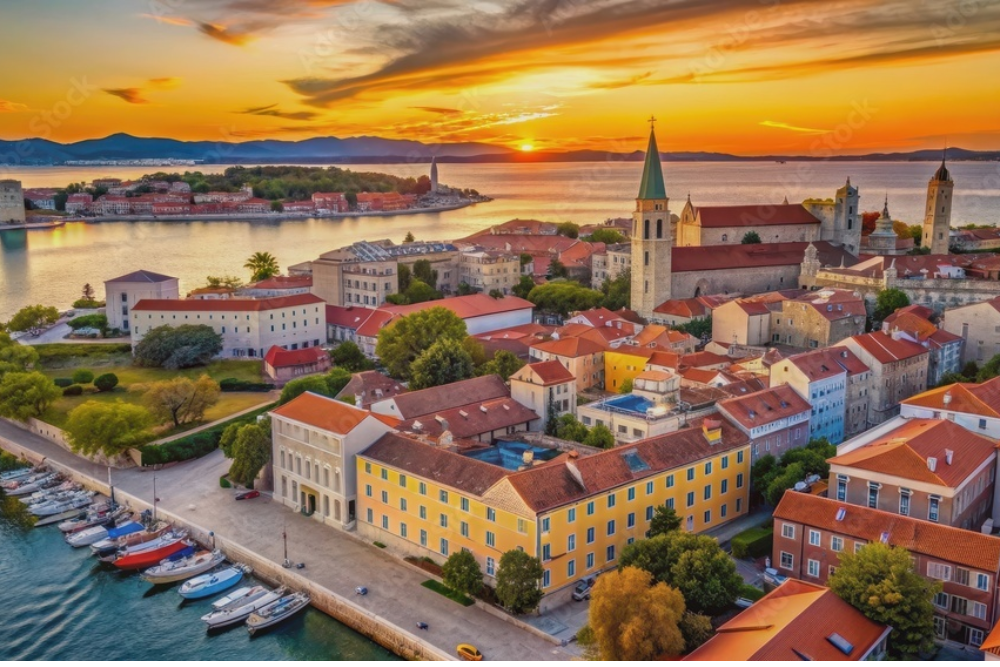
Zadar, located on Croatia’s stunning Adriatic coast, is a city rich in history, culture, and natural beauty. Known for its Roman ruins, medieval architecture, and vibrant arts scene, Zadar seamlessly blends ancient heritage with modern innovation. Key attractions include the unique Sea Organ, a musical installation powered by the sea, and the Greeting to the Sun, a solar-powered light display. The Old Town is home to historical sites like the St. Donatus Church and the Zadar Cathedral.
Sea Organ (Morske Orgulje)
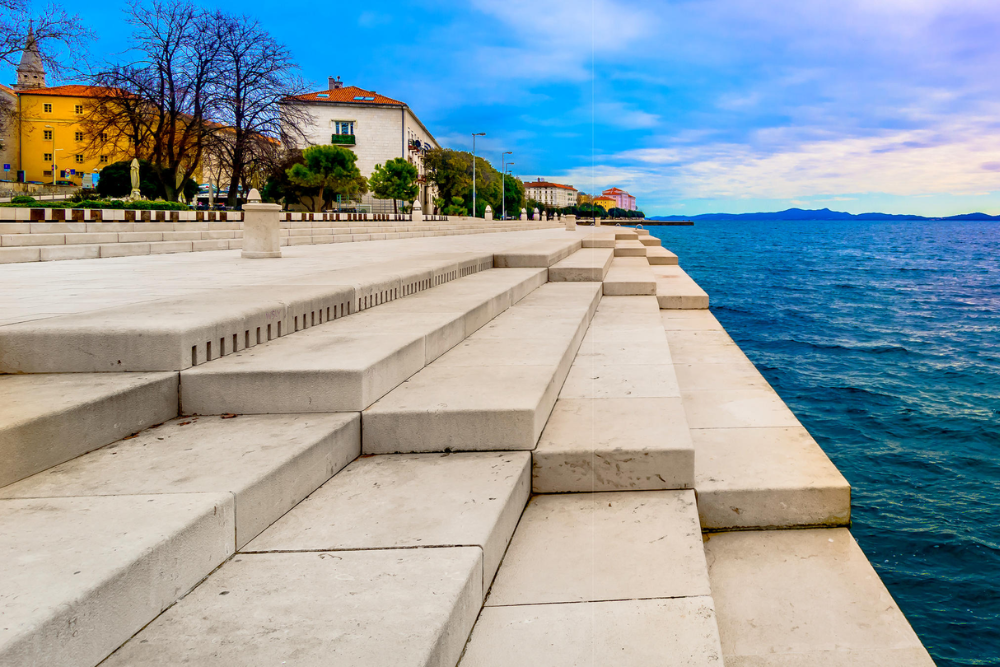
- One of Zadar’s most famous landmarks, the Sea Organ is a unique architectural installation located along the waterfront. Designed by architect Nikola Bašić, this musical instrument is played by the movement of the sea waves, producing haunting melodies as the water flows through pipes embedded in the steps of the promenade. It’s a beautiful and calming experience, especially at sunset.
Greeting to the Sun (Pozdrav Suncu)
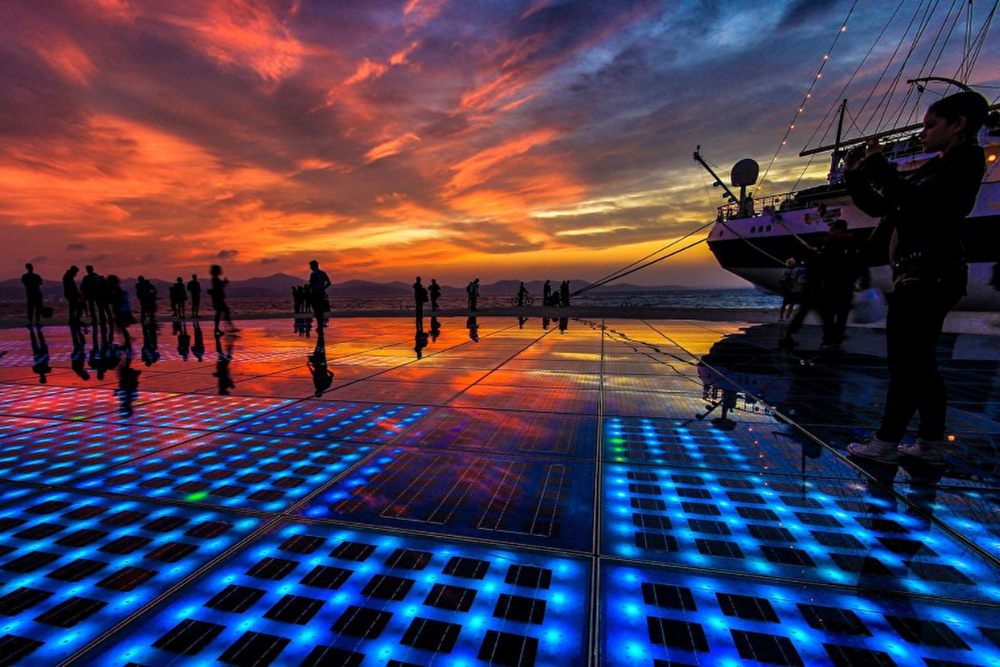
- Adjacent to the Sea Organ, the Greeting to the Sun is another of Zadar’s modern attractions. It consists of 300 multi-layered glass panels that capture the sun’s energy during the day and then light up in an impressive light show at night. This solar-powered installation is a tribute to the sun and offers a spectacular display of color and light after dark.
St. Donatus Church (Crkva sv. Donata)
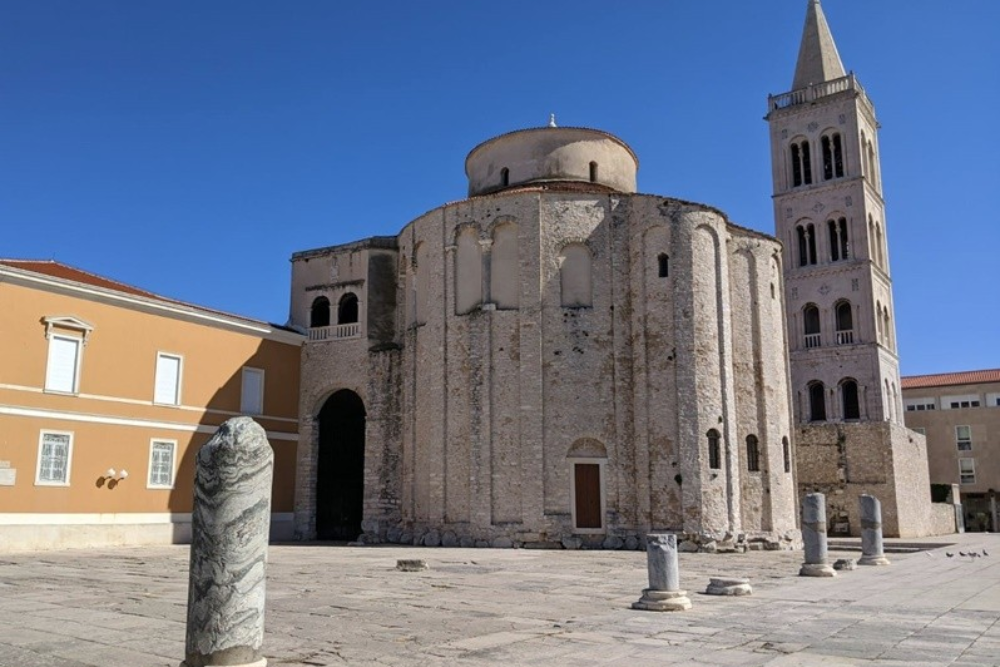
- One of the most iconic buildings in Zadar, the Church of St. Donatus is a 9th-century Byzantine-style church that is known for its unique circular design and ancient acoustics. The church is now a museum, housing artifacts from Zadar’s long history. It’s especially popular during the summer for concerts due to its exceptional acoustics.
Zadar Cathedral (Cathedral of St. Anastasia)
- The Cathedral of St. Anastasia is the largest church in Zadar, with stunning Romanesque architecture. Inside, you’ll find beautiful mosaics and intricate artwork, along with a treasury filled with religious relics. The cathedral’s bell tower offers panoramic views of the city and surrounding islands.
Zadar City Walls and Gates
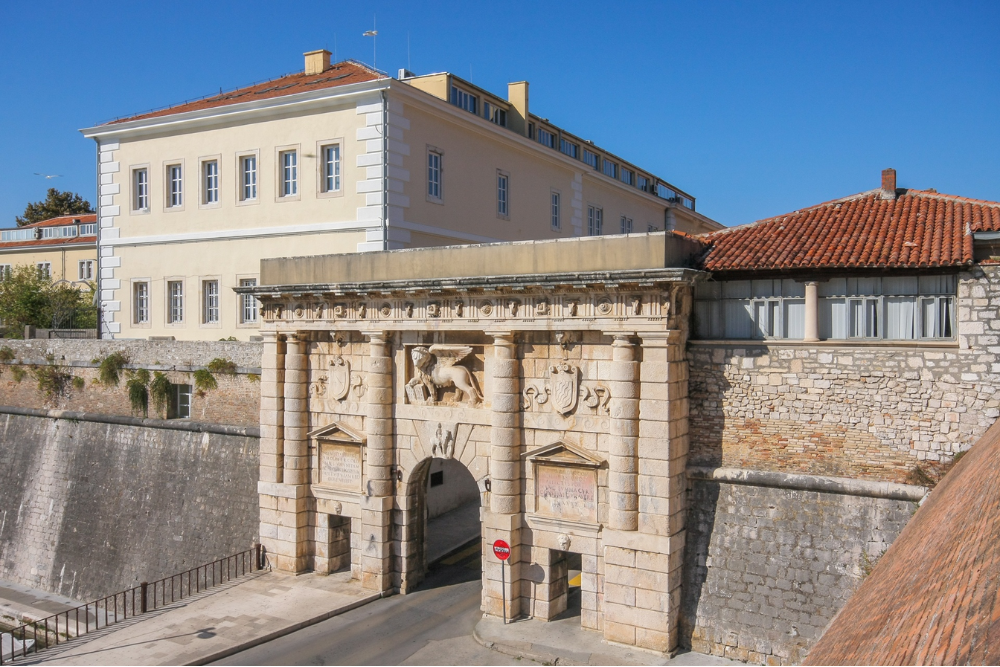
Zadar’s city walls, which were built during Venetian rule, are a striking feature of the old town. The Land Gate (Zadarska vrata), the main entrance to the city, is a beautiful Renaissance structure with a statue of St. Chrysogonus, the city’s patron saint. The Sea Gate (Morska vrata) and Port Gate are other notable remnants of the city’s fortifications.
Museum of Ancient Glass
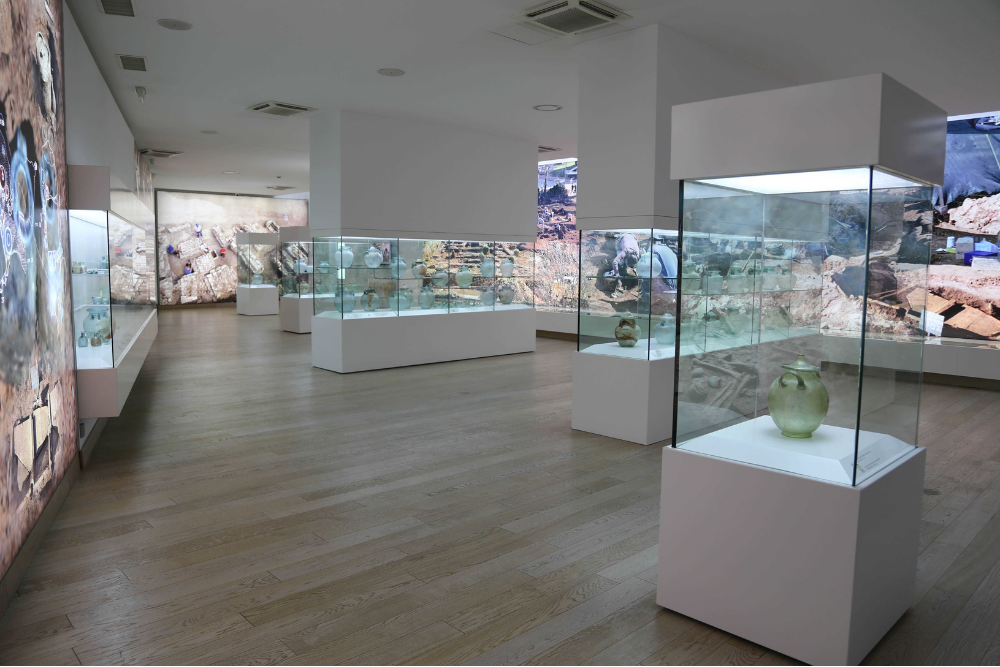
- Zadar is known for its ancient glass-making history, and the Museum of Ancient Glass is dedicated to this art form. Housed in a former Roman palace, the museum features an impressive collection of Roman glassware, including delicate glass vessels and lamps from the Roman period. It offers fascinating insights into the craftsmanship and daily life of ancient Zadar.
Kolovare Beach
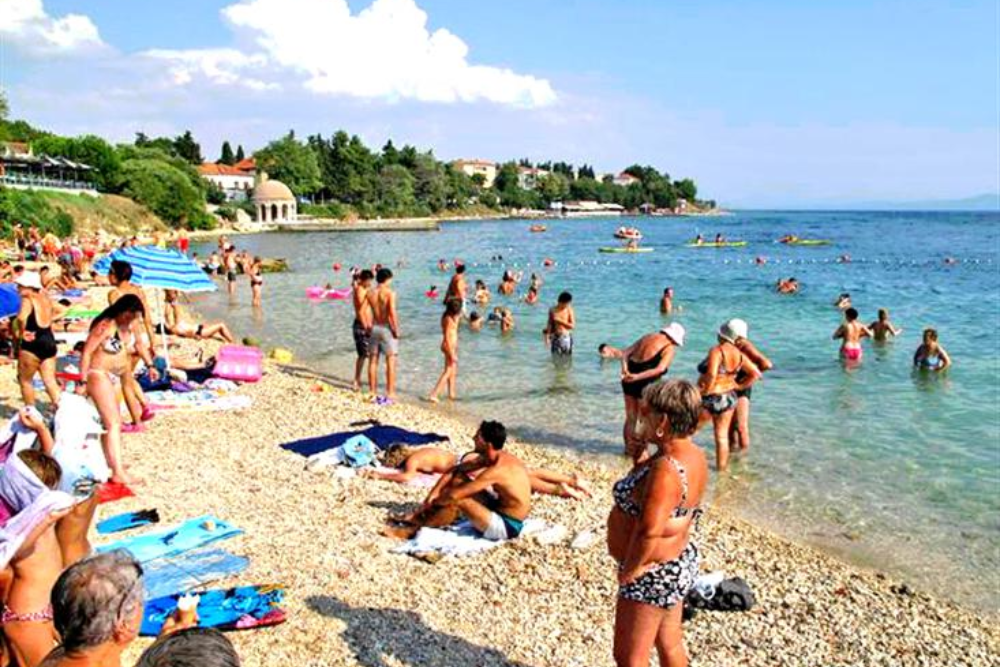
- Zadar is known for its beautiful beaches, and Kolovare Beach is one of the most popular. Located near the city center, the beach is perfect for swimming, sunbathing, and enjoying the Adriatic coast. The crystal-clear waters make it ideal for snorkeling, and there are plenty of cafes and restaurants where you can relax afterward.
Dos and Don’ts in Zadar
When visiting Zadar, it’s important to respect the local customs, traditions, and the natural environment. Here are some Dos and Don’ts to ensure an enjoyable and respectful experience in the city:
Dos:
- Explore the Old Town: Take time to wander through the charming cobbled streets of the Old Town, where you’ll find Roman ruins, medieval churches, and Venetian architecture. It’s an excellent way to immerse yourself in the city’s rich history.
- Respect the Sea Organ and Greeting to the Sun: These unique installations are a must-see in Zadar. Enjoy the calming sounds of the Sea Organ and the mesmerizing light show of the Greeting to the Sun, but be respectful of other visitors, especially during sunset when crowds gather.
- Try Local Croatian Cuisine: Zadar is known for its fresh seafood and Mediterranean cuisine. Don’t miss out on tasting pašticada (a traditional Croatian beef stew), grilled fish, and olive oil from local producers. Pair your meal with a glass of Croatian wine.
Don’ts:
- Don’t Disrespect the Sites: Zadar is a city with historical significance. Avoid climbing on ruins or defacing historical monuments. Respect local customs and take care not to damage any property.
- Don’t Be Late for Dinner: The Croatian dining culture tends to start later in the evening compared to some other countries. While it’s fine to arrive at a restaurant around 7 or 8 PM, don’t expect a table for dinner much earlier than that, especially in the summer.
- Don’t Forget to Bring Cash: While credit cards are widely accepted, some smaller shops or local markets may only accept cash, so it’s a good idea to have some kuna on hand.
Best time to reach in Zadar
The best time to visit Zadar depends on the type of experience you’re seeking, but generally, late spring (May and June) and early autumn (September and October) offer the most favorable conditions. Here’s a breakdown of what to expect during each season:
Spring (April to June)
- The city is less crowded, making it ideal for exploring the historical sites, beaches, and natural attractions without the summer crowds. The flowers are in bloom, and the weather is perfect for walking and enjoying the outdoors.
- There are fewer tourists, and you can enjoy the city at a more relaxed pace.
Summer (July to August)
- If you’re looking to enjoy Zadar’s beaches, warm sea temperatures, and vibrant atmosphere, this is the time to go. However, the city will be more crowded, and prices for accommodations may be higher.
- This is the peak tourist season, and you’ll find many festivals and outdoor concerts taking place.
Autumn (September to October)
- Like spring, autumn brings fewer tourists, lower prices, and great weather. It’s a wonderful time to explore the city’s cultural attractions and surrounding natural beauty without the summer crowds.
- The harvest season brings wine festivals and local food events.
Winter (November to March)
- On the off chance that you favor a calmer, more serene involvement in less sightseers, winter is an ideal opportunity to visit. A few vacation destinations and open air exercises might be shut, however you can partake in the city at a more slow speed.
- During the Christmas period, Zadar is wonderfully improved, and you can appreciate occasion celebrations.