


Introduction
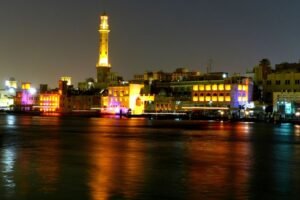
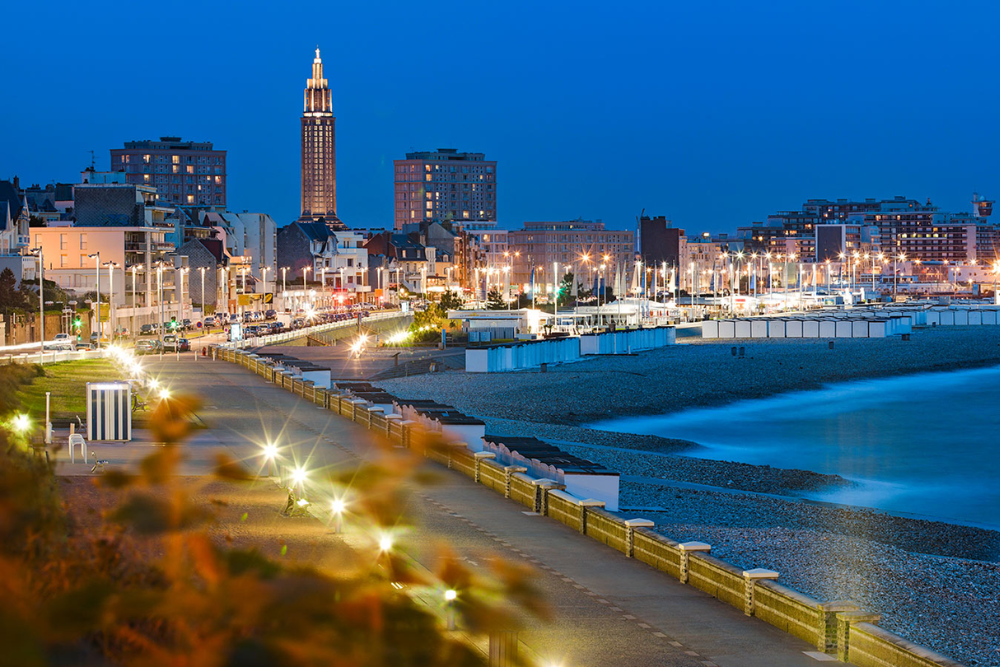
Le Havre, a port city in northern France, is situated on the English Channel where the Seine Stream meets the ocean. Known for its pioneer engineering, the city was widely remade after The Second Great War under the direction of modeler Auguste Perret. Its post-war metropolitan plan procured it UNESCO World Legacy status. Le Havre is a center of sea action, offering attractions like the MuMa (Exhibition hall of Current Craftsmanship André Malraux), which houses a great assortment of Impressionist workmanship, and its long ocean side promenade. The city is likewise a door for ships to the UK and is known for its dynamic social scene and nearness to Normandy’s picturesque scenes.
Water Sports on the Seine Estuary
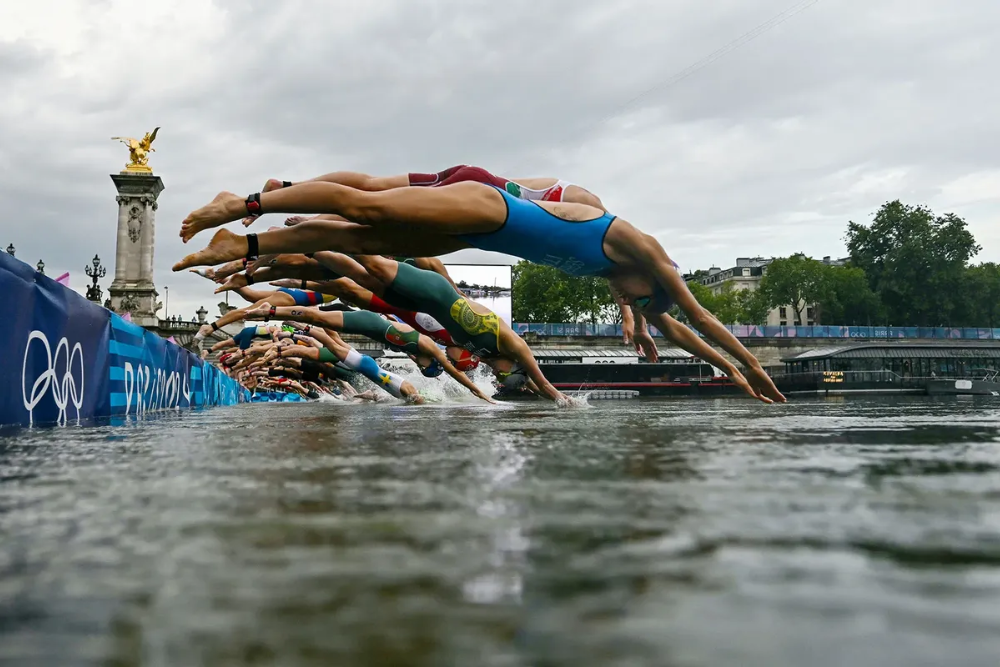
- Le Havre’s area at the conversion of the Seine Stream and the English Channel makes it a focal point for water experiences. Guests can appreciate windsurfing, kite surfing, paddleboarding, and cruising along the shoreline, exploiting the area’s solid breezes and shocking sea sees.
Cycling Along the Coastline
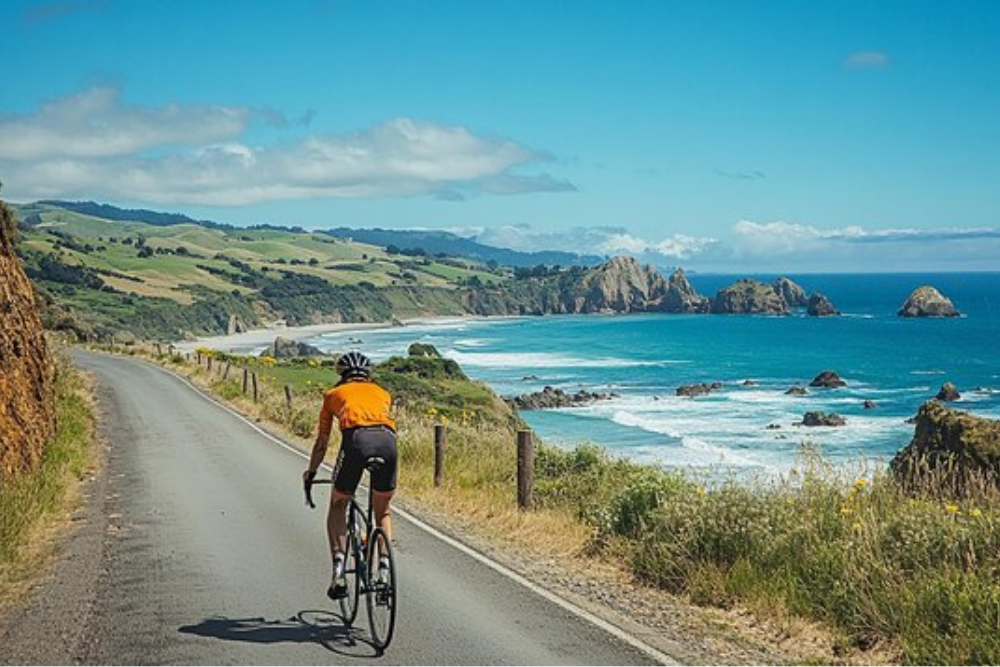
- The picturesque cycling ways of Le Havre offer an exhilarating experience for lovers. Courses like the “Veloroute du Littoral” give all-encompassing perspectives on the bluffs and ocean, winding through interesting towns and sea shores en route.
Paragliding over the Alabaster Coast
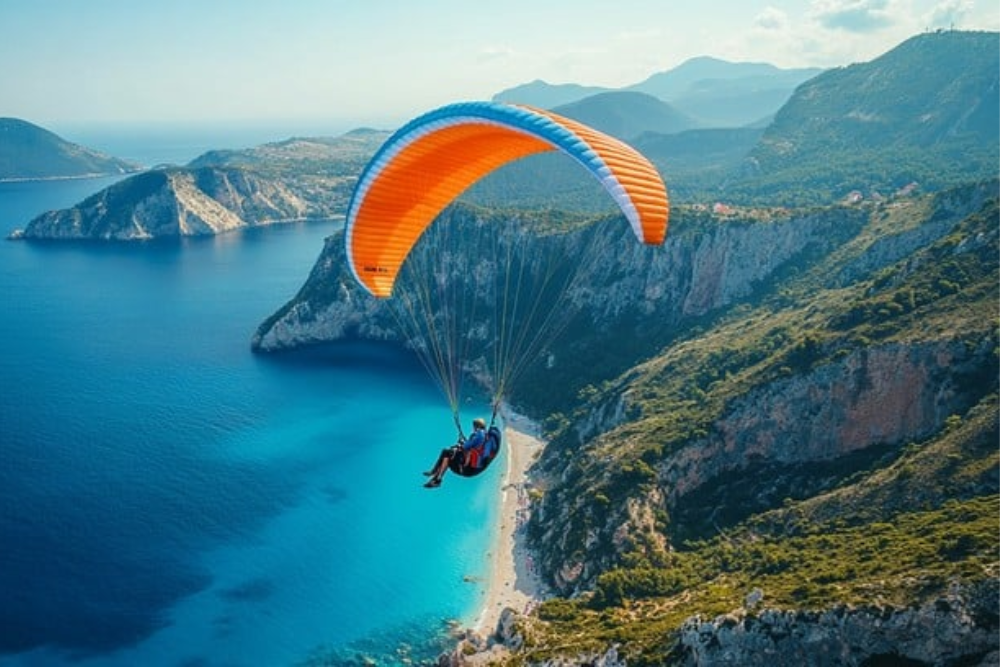
- For an extraordinary ethereal experience, paragliding over the Alabaster Coast offers amazing perspectives on the precipices, sea shores, and purplish blue waters. Le Havre’s breezy circumstances make it an optimal spot for this exhilarating experience.
Jardins Suspendus (Hanging Gardens)
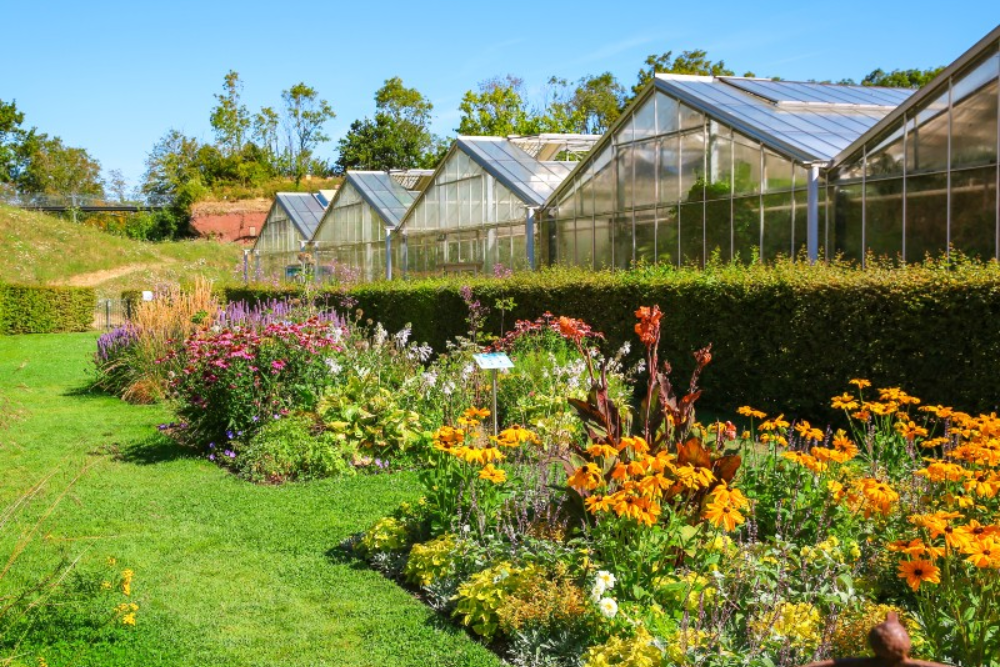
- These one of a kind nurseries, worked in a previous military post, are an experience for nature darlings. Meander through topical nurseries addressing plants from around the world, all while getting a charge out of raised perspectives on the city and shore.
Boat Excursions to Etretat
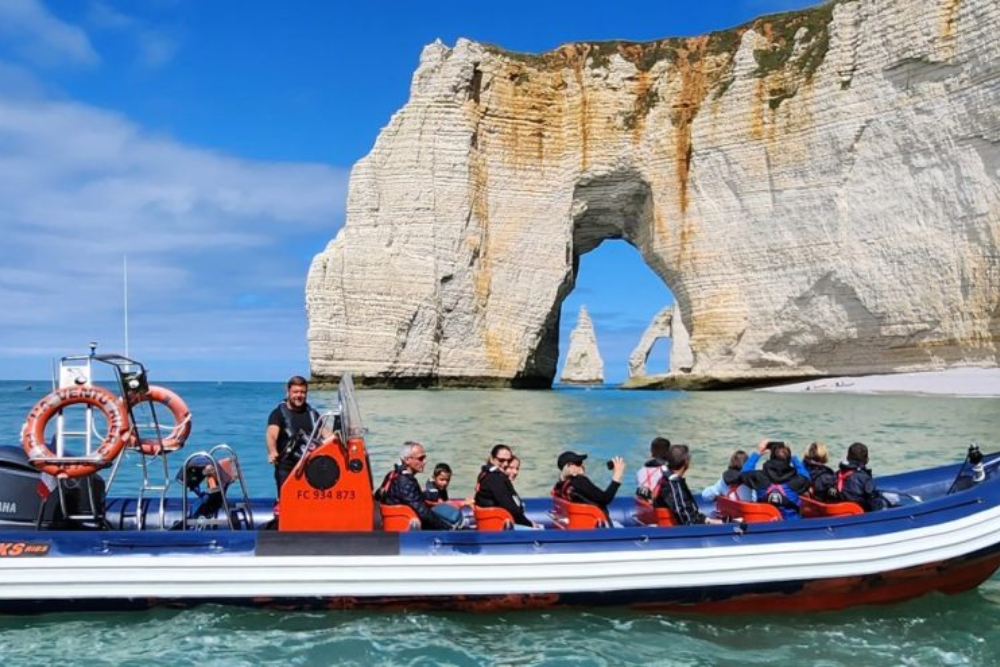
- Take an invigorating boat ride to the close by bluffs of Etretat, well known for their emotional curves and rock developments. The excursion gives a feeling of experience while investigating Normandy’s regular miracles from the ocean.
MuMa (Museum of Modern Art André Malraux)
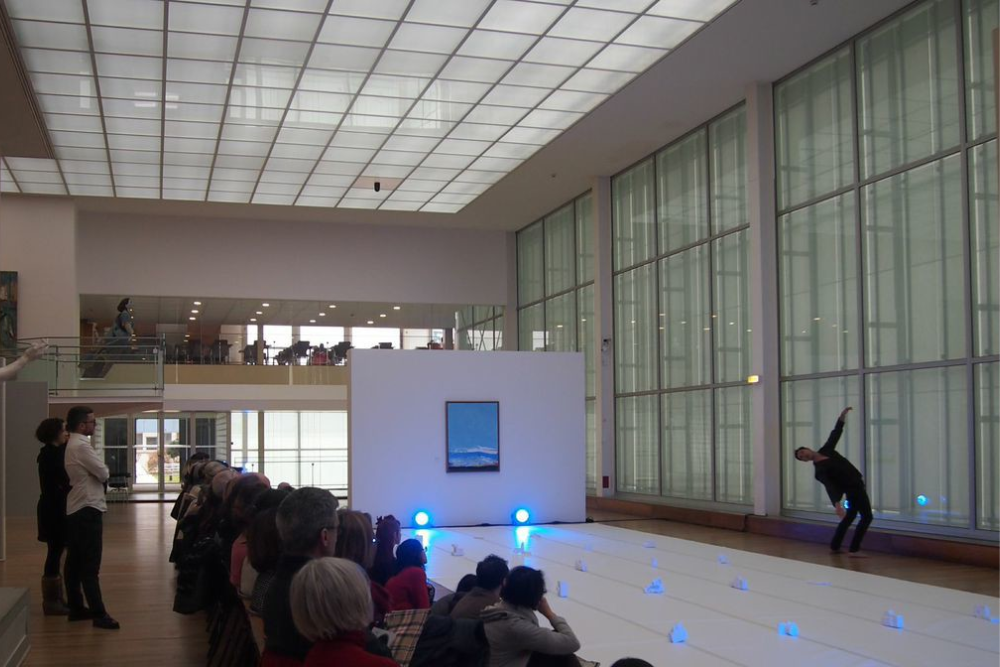
- Prestigious for its broad Impressionist workmanship assortment, MuMa is a social pearl. It highlights works by bosses like Monet, Renoir, and Pissarro. The gallery’s area by the ocean adds to its appeal, with normal light upgrading the works of art.
St. Joseph’s Church
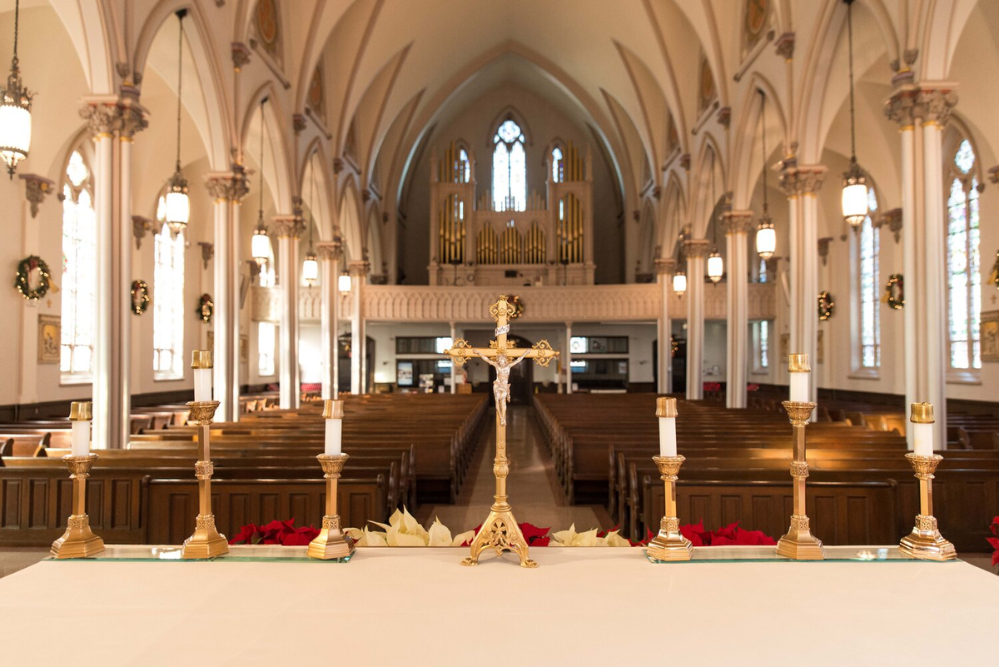
- This famous construction, planned by Auguste Perret, overwhelms Le Havre’s horizon. Its transcending tower and extraordinary substantial design are an unquestionable necessity. Inside, the vivid stained-glass windows make a peaceful, supernatural air.
Les Bains des Docks
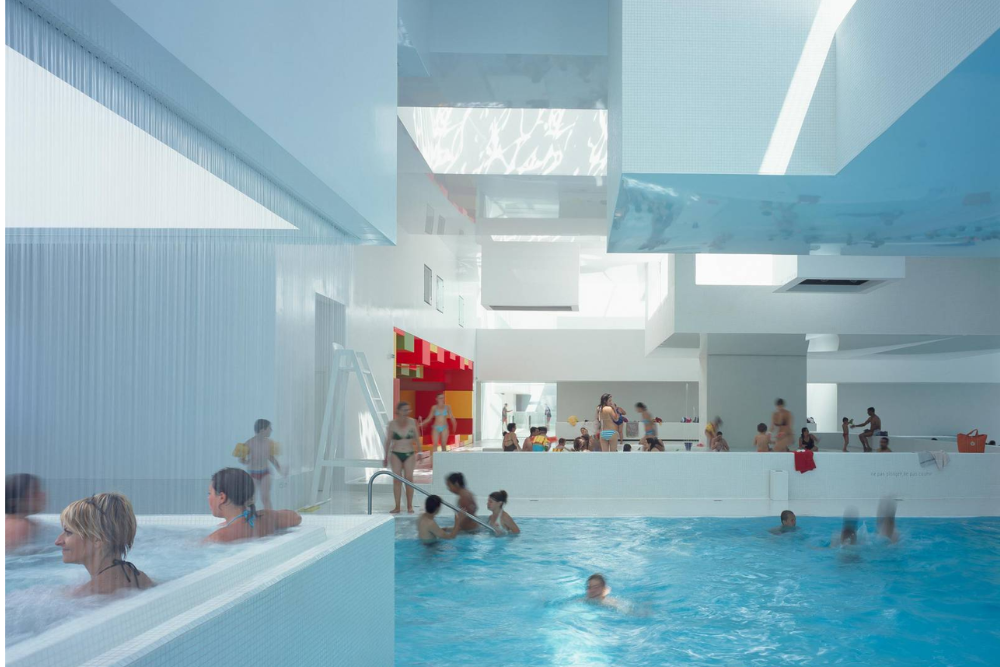
- Planned by modeler Jean Nouvel, this oceanic complex is both a position of unwinding and a work of art of current plan. Guests can appreciate pools, spas, and a staggering mood that joins recreation with masterfulness.
Le Volcan
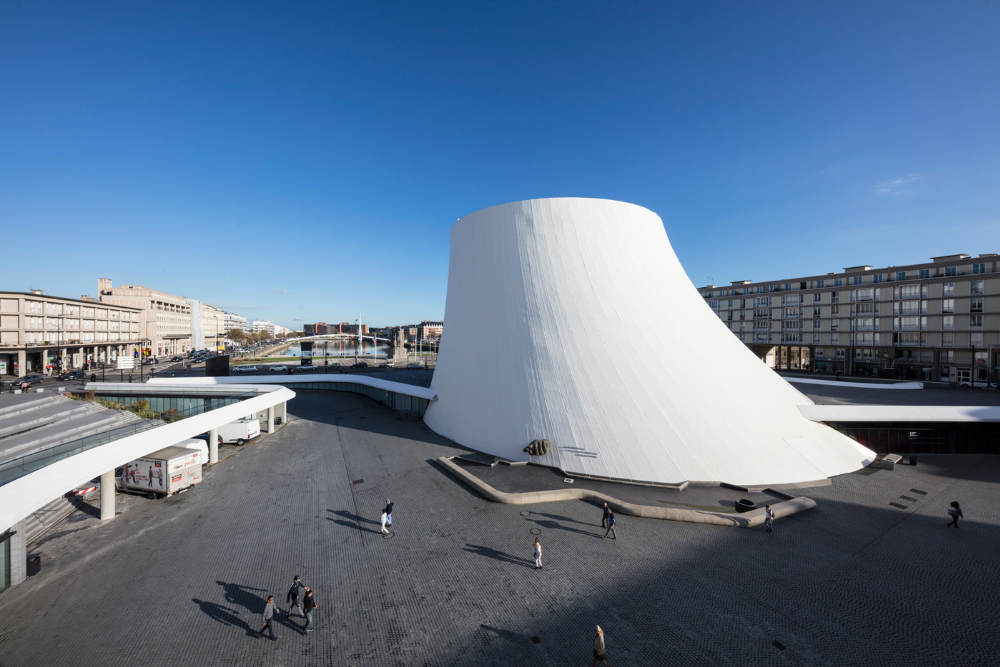
- a social area of interest planned by Oscar Niemeyer, Le Volcan houses theaters, films, and execution spaces. Its striking design and dynamic environment make it a feature for expressions and culture devotees.
The Beach and Promenade
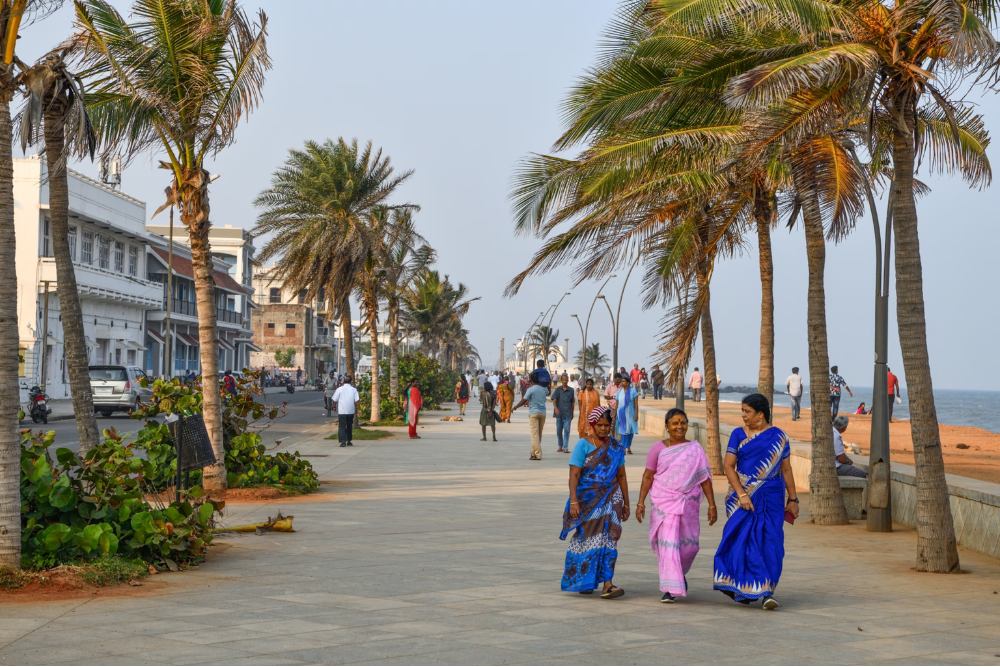
- Le Havre’s ocean side, with its far reaching promenade, offers a mix of unwinding and action. Walk around the footpath, appreciate shoreline bistros, or take in shocking nightfalls over the English Channel. It’s a most loved spot for the two local people and travelers.
Dos and Don’ts in Le Havre
Dos
- Do Explore the Architecture Carve out opportunity to respect Le Havre’s UNESCO-recorded innovator design, particularly crafted by Auguste Perret. St. Joseph’s Congregation and Le Volcan are must-visits.
- Do Visit the Beach Invest some energy on Le Havre’s stone ocean side and promenade. It’s ideally suited for a relaxed walk, cycling, or partaking in a beverage at a coastline bistro.
- Do Try Local Seafood Le Havre is a port city known for its new fish. Visit neighborhood cafés to relish dishes like mussels, shellfish, and fish claims to fame.
Don’ts
- Don’t Forget Weather Essentials the weather conditions can be breezy and flighty. Bring layers and waterproof apparel, particularly assuming you’re arranging open air exercises.
- Don’t Ignore Pedestrian Etiquette while strolling on tight roads or promenades, remain aware of cyclists and different walkers? Adhere to the assigned ways.
- Don’t expect late-Night dining most cafés close right on time by global guidelines? Plan your supper between 7 PM and 9 PM to stay away from dissatisfaction.
Best time to reach in Le Havre
1. Late Spring (May to June)
- Gentle and charming, with normal temperatures between 15°C to 20°C (59°F to 68°F).
- Blossoms are in sprout, making it ideal for open air exercises like investigating the nurseries and promenades. Swarms are lighter contrasted with the late spring months.
2. Summer (July to August)
- Warm and radiant, with normal temperatures around 18°C to 25°C (64°F to 77°F).
- Ideal for ocean side exercises, water sports, and partaking in the seaside vibe. Celebrations and occasions are going full speed ahead, but at the same time it’s the most active vacationer season.
3. Early Harvest time (September to October)
- Cool and agreeable, with temperatures going from 13°C to 20°C (55°F to 68°F).
- The late spring swarms lessen, and the city holds its beguile with delightful pre-winter tones. It’s perfect for social and engineering investigation.
Winter (December to February): While the city is less packed, the weather conditions is cold (5°C to 10°C or 41°F to 50°F) and frequently stormy, making open air exercises less charming. Notwithstanding, on the off chance that you favor indoor attractions and lower convenience costs, winter can in any case work,
Shoulder Months (Walk to April): The weather conditions begins improving, yet it can in any case be erratic. This is a calmer time to keep away from travelers yet partake in a fair encounter.