



Switzerland, with its rich cultural heritage and dedication to preserving its customs, offers travelers the unique opportunity to experience traditional craftsmanship that has been passed down through generations. From intricate woodwork to the art of watchmaking, Swiss artisans are known for their precision, attention to detail, and the ability to craft timeless masterpieces. By visiting the workshops, museums, and villages where these crafts are still practiced, you can immerse yourself in Switzerland’s fascinating craftsmanship culture.
1. Watchmaking – The Heart of Swiss Precision
Switzerland is renowned worldwide for its watchmaking expertise, with famous watchmaking regions like Geneva, La Chaux-de-Fonds, and Neuchâtel at the forefront of the industry. The tradition of Swiss watchmaking dates back to the 16th century, and today, the Swiss continue to produce some of the most coveted and precise timepieces in the world.
What to Experience:
- Tour Watchmaking Workshops: Many renowned Swiss watchmakers, such as Patek Philippe and Rolex, offer guided tours of their workshops where you can witness the meticulous process of assembling and fine-tuning mechanical watches.
- Visit the International Watchmaking Museum (MIH) in La Chaux-de-Fonds: Discover the history of watchmaking and its evolution through an impressive collection of antique watches, tools, and interactive exhibits.
- Take a Watchmaking Course: For those looking for a hands-on experience, several schools and workshops offer short courses where you can assemble your own Swiss watch.
Where to Go:
- Geneva
- La Chaux-de-Fonds
- Neuchâtel
2. Traditional Woodworking – Crafting Timeless Wooden Artifacts
Woodworking has deep roots in Swiss culture, especially in regions such as Appenzell and the Valais Alps, where the craft is intertwined with daily life. Swiss artisans are known for their skill in creating everything from delicate carvings to sturdy furniture, often using locally sourced wood from the surrounding forests.
What to Experience:
- Wooden Toy Making in Appenzell: The region is famous for its wooden toys, such as intricately carved figures and small-scale models of traditional Swiss buildings. Visit workshops where you can see artisans handcraft these colorful toys using time-honored techniques.
- Wood Carving and Sculpture: In the mountain villages of Valais and Grisons, you can find skilled woodcarvers creating everything from religious figures to decorative elements for chalets. In Brienz, a town on Lake Brienz, you’ll find a long-standing tradition of wood carving, particularly for decorative items and furniture.
- Attend the Woodworking Festival in Brienz: This annual event is a celebration of Swiss woodwork, with live demonstrations, workshops, and exhibits showcasing traditional craftsmanship.
Where to Go:
- Appenzell
- Brienz
- Valais
3. Swiss Cheese Making – A Taste of Tradition
Swiss cheese is globally recognized for its quality and variety, from the famous Emmental to Gruyère and Raclette. The art of cheese-making is an integral part of Switzerland’s agricultural traditions, particularly in the mountain regions, where farmers have been perfecting the craft for centuries.
What to Experience:
- Visit Traditional Cheese Dairies: Many cheese makers still use traditional methods to produce cheese. In the Gruyère region, you can visit the La Maison du Gruyère to watch the cheese-making process and sample freshly made cheese.
- Alpine Cheese Making: In mountain villages like Appenzell, experience the seasonal alpine cheese-making process in remote dairies. You can witness the process of curdling milk, pressing, and aging the cheese in mountain huts.
- Cheese Festivals: Participate in local festivals celebrating Swiss cheese, where you can taste a variety of cheeses and watch demonstrations on traditional cheese-making methods.
Where to Go:
- Gruyère
- Appenzell
- Emmental
4. Swiss Pottery – Crafting Beauty from Clay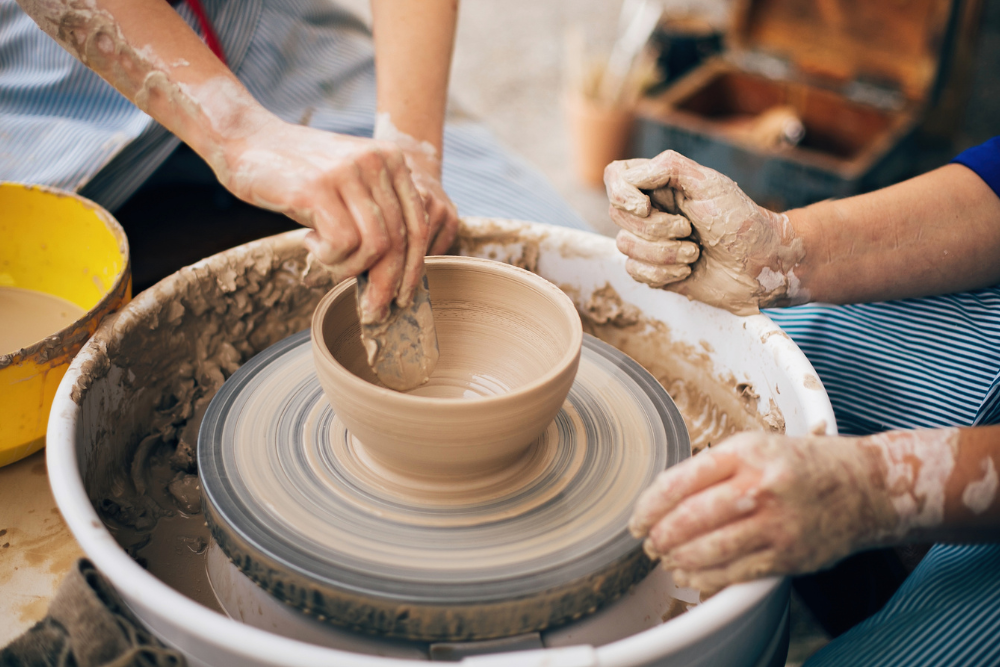
Swiss pottery has a rich tradition, especially in the Aargau and Thurgau regions, where pottery has been produced for centuries. The craft is known for its functional yet artistic designs, with artisans creating everything from decorative ceramics to traditional tableware.
What to Experience:
- Visit Pottery Workshops in Aargau: Aargau is home to several potters who still use traditional techniques, such as throwing clay on a wheel, hand-decorating, and firing in wood-burning kilns.
- The Thurgau Pottery Trail: This self-guided tour lets you explore various pottery studios in Thurgau, where you can watch potters at work and purchase unique ceramic pieces.
- Participate in a Pottery Class: Many pottery studios across Switzerland offer classes for beginners and experienced artisans, allowing you to create your own ceramic masterpiece.
Where to Go:
- Aargau
- Thurgau
- Zurich
5. Textile and Embroidery – The Art of Swiss Fabric
Swiss textiles and embroidery have a long-standing tradition, particularly in the Grisons region, known for its embroidered tablecloths, handwoven fabrics, and handcrafted lace. This intricate artistry reflects Switzerland’s strong cultural identity and appreciation for handmade craftsmanship.
What to Experience:
- Swiss Lace Making in Appenzell: Appenzell is renowned for its delicate lace, often used in traditional Swiss clothing and household items. Watch artisans create intricate lace patterns by hand, using techniques passed down through generations.
- Swiss Embroidery in St. Gallen: St. Gallen is world-famous for its fine embroidery, particularly on textiles such as bridal gowns and luxury fabrics. Visit local ateliers to see how the intricate designs are created with silk threads and delicate stitches.
- Textile Workshops and Tours: Many museums and cultural centers in Switzerland offer textile workshops where you can learn the art of embroidery, weaving, and other fabric crafts.
Where to Go:
- Appenzell
- St. Gallen
- Grisons
6. Swiss Chocolate Making – A Sweet Tradition
Switzerland is world-famous for its chocolate, and the tradition of crafting fine chocolate has been a part of Swiss culture since the 19th century. Many Swiss chocolate makers still use time-honored methods to create rich, high-quality chocolate.
What to Experience:
- Visit Chocolate Factories: Take a tour of famous Swiss chocolate factories, such as Lindt in Kilchberg or Cailler in Broc, to see how premium Swiss chocolate is made from bean to bar.
- Chocolate Making Workshops: For a more hands-on experience, participate in a chocolate-making workshop, where you can learn to temper chocolate, create pralines, and mold your own chocolate creations.
- Chocolate Festivals: Attend one of the many chocolate festivals in Switzerland, where you can taste different varieties of Swiss chocolate and learn about the craft of chocolate making.
Where to Go:
- Kilchberg (Lindt)
- Broc (Cailler)
- Zurich
Conclusion
Experiencing Switzerland’s traditional craftsmanship firsthand is a journey through time, culture, and artistry. Whether you’re visiting a watchmaking workshop, learning the art of Swiss cheese making, or observing the delicate art of embroidery, Switzerland offers countless opportunities to connect with the country’s rich heritage.
By engaging with the artisans and craftsmen who continue these ancient traditions, you gain not only a deeper appreciation of Swiss culture but also a unique souvenir of your travels—one that embodies the skill and dedication passed down through generations.