



The Great Barrier Reef, one of the most iconic natural wonders of the world, is a must-visit for any ocean enthusiast. Stretching over 2,300 kilometers along the Queensland coast, this UNESCO World Heritage site boasts an incredible diversity of marine life, vibrant coral reefs, and breathtaking underwater landscapes. Whether you’re an experienced diver or a first-time snorkeler, this guide will help you navigate the best spots, tips, and experiences the Great Barrier Reef has to offer.
Why Visit the Great Barrier Reef?
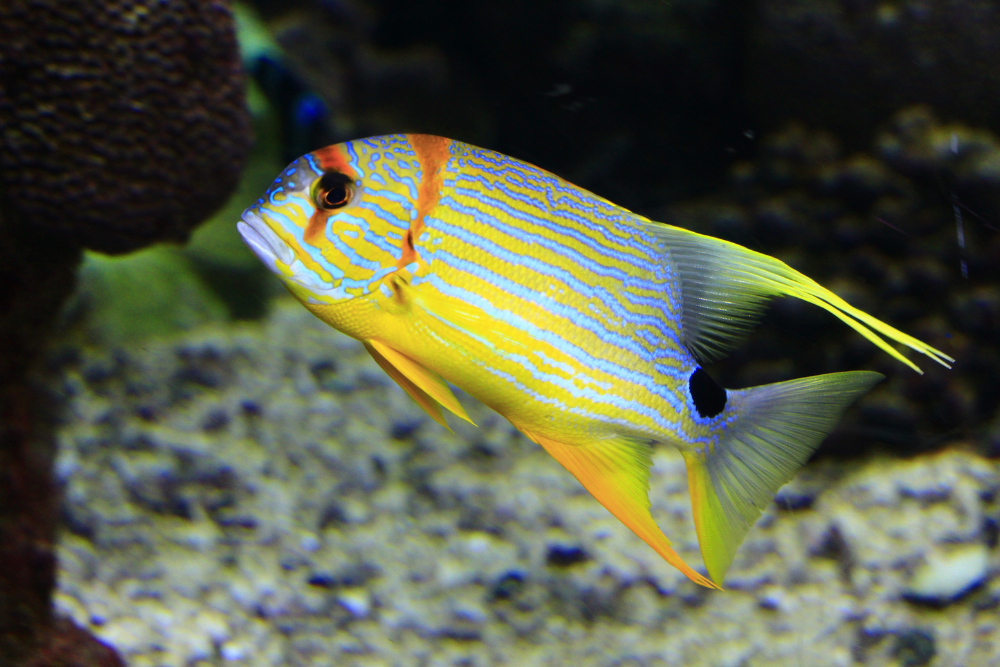
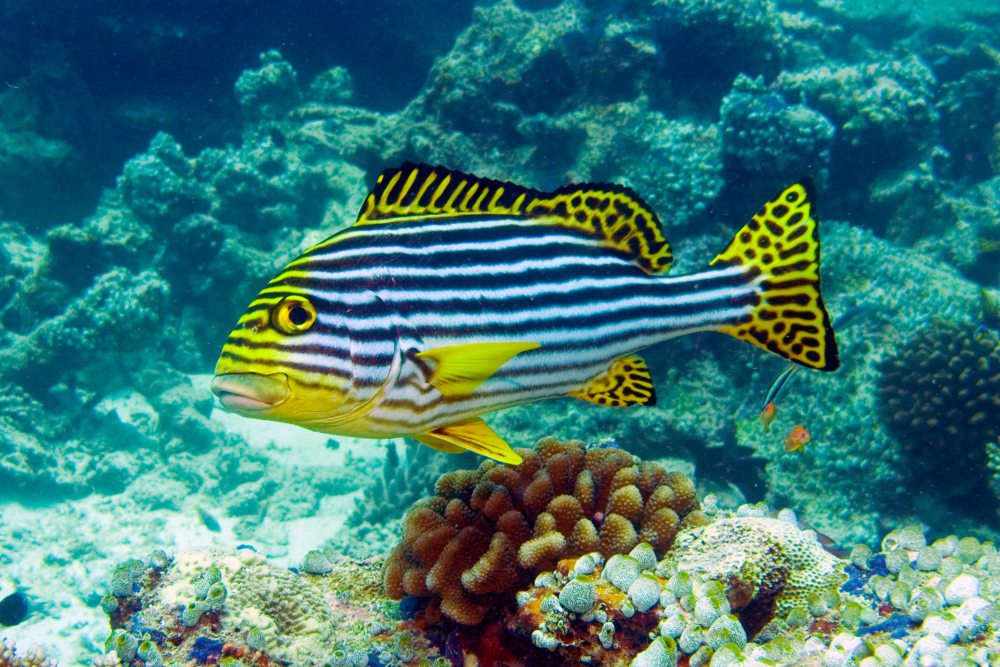
The Great Barrier Reef is not just the largest coral reef system in the world; it’s a living, breathing ecosystem teeming with life. Over 1,500 species of fish, 400 types of coral, and a variety of marine mammals call this spectacular reef home. The rich biodiversity, combined with the clear, warm waters, makes it an ideal destination for underwater exploration.
Unique Ecosystem
The reef is home to various ecosystems, including coral cays, mangroves, and seagrass beds. Each area supports different marine life, creating a mosaic of habitats that you can explore through diving and snorkeling.
Accessibility
With numerous access points along the Queensland coast, including popular destinations like Cairns, Port Douglas, and the Whitsundays, the Great Barrier Reef is accessible to travelers from all walks of life. Many tour operators offer day trips and liveaboard experiences to suit different preferences and budgets.
Best Diving and Snorkeling Locations
1. Cairns
Cairns is often regarded as the gateway to the Great Barrier Reef. With various tour operators offering trips to the outer reef, it’s an excellent starting point for both divers and snorkelers.
- Best For: Beginners and experienced divers alike.
- Top Spots: Hastings Reef, Saxon Reef, and the outer reef sites, where you can explore colorful coral gardens and encounter a diverse array of marine life.
2. Port Douglas
Just an hour north of Cairns, Port Douglas offers access to the stunning Agincourt Reef. The waters here are particularly clear, making it a fantastic spot for snorkeling and diving.
- Best For: Divers looking for a quieter experience.
- Top Spots: Agincourt Reef and the surrounding reefs, which are known for their vibrant coral and abundant marine life.
3. Whitsunday Islands
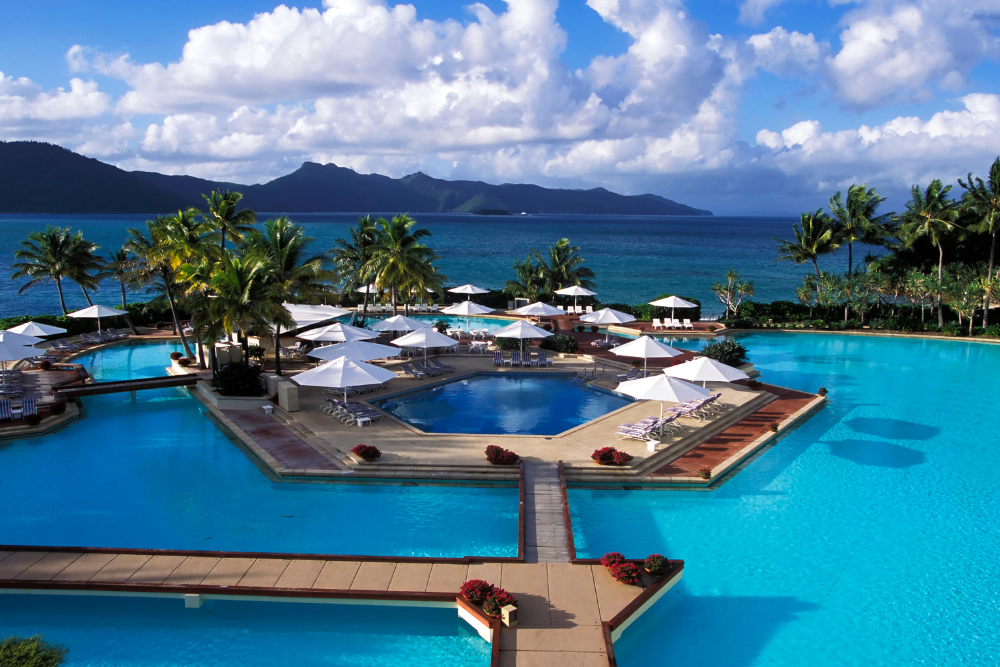
The Whitsundays are famous for their stunning beaches and crystal-clear waters. Several tours take you to the Great Barrier Reef, where you can enjoy both diving and snorkeling.
- Best For: Scenic beauty and relaxation.
- Top Spots: Hardy Reef and Hook Island, which offer beautiful coral formations and an abundance of fish species.
4. Lizard Island
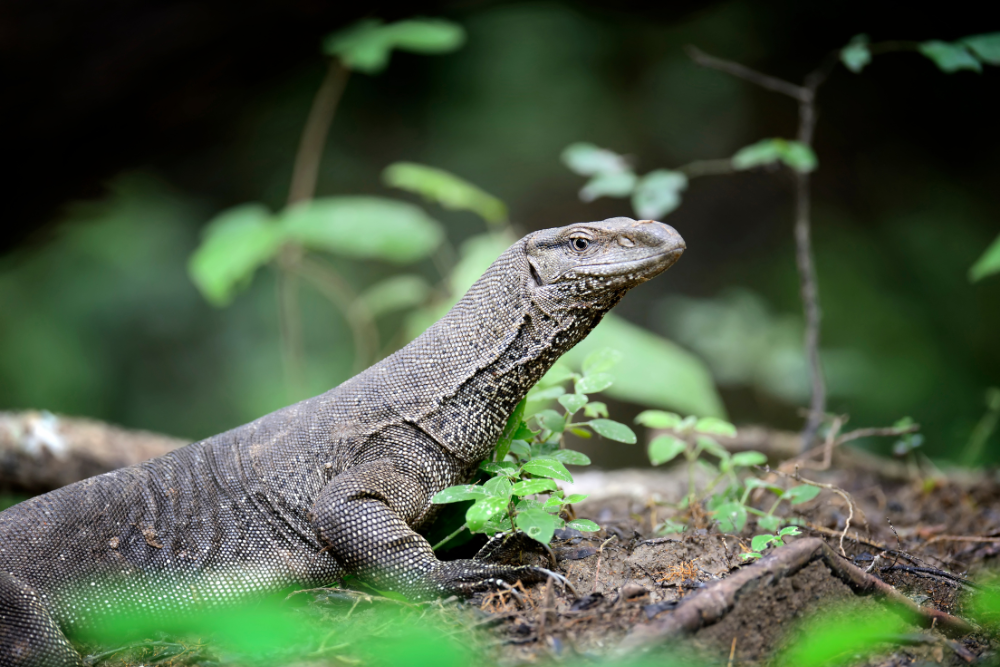
For those seeking a more remote experience, Lizard Island offers some of the best diving in the Great Barrier Reef. The island itself is a stunning location, surrounded by pristine beaches and crystal-clear waters.
- Best For: Advanced divers looking for unique sites.
- Top Spots: The Cod Hole, famous for its friendly giant potato cod, and the nearby ribbon reefs with spectacular coral gardens.
5. Osprey Reef
Located in the far northern section of the Great Barrier Reef, Osprey Reef is renowned for its dramatic drop-offs and abundant marine life. It’s an ideal location for experienced divers.
- Best For: Advanced divers and underwater photographers.
- Top Spots: The walls and drop-offs, where you can encounter sharks, rays, and an array of colorful fish.
What to Expect While Diving and Snorkeling
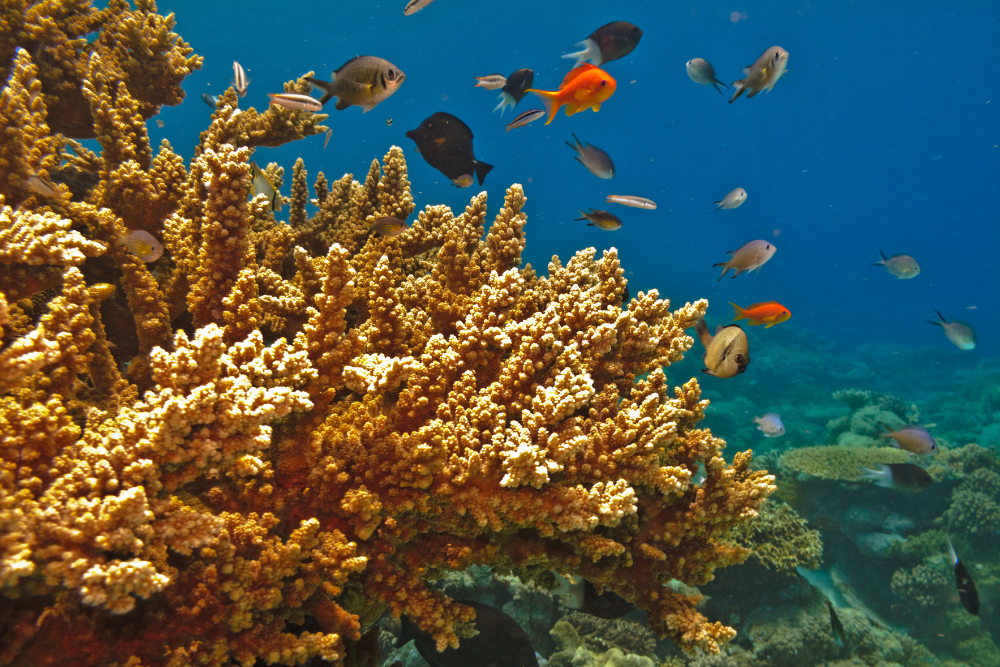
Underwater Diversity
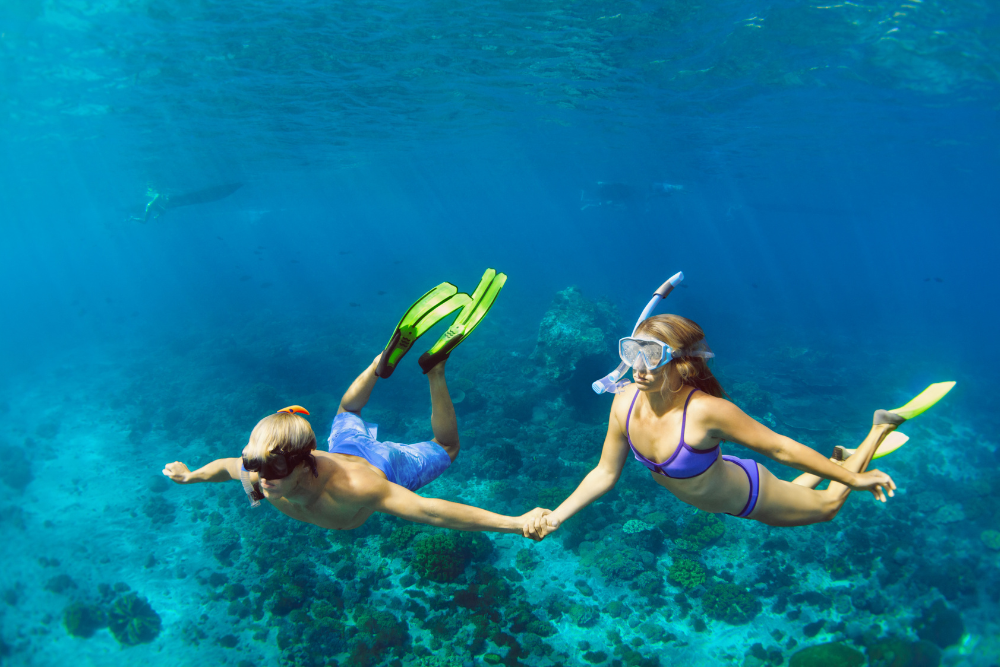
When you dive or snorkel in the Great Barrier Reef, expect to see an array of vibrant corals, schools of fish, sea turtles, and even larger marine creatures like manta rays and reef sharks. Each dive site offers a different experience, with varying depths, visibility, and marine life.
Marine Conservation
As you explore the reef, be mindful of your impact on the delicate ecosystem. Avoid touching coral and marine life, and follow guidelines set by your tour operator. Many companies promote sustainable practices to help protect the reef for future generations.
Equipment Rental and Tours
Most tour operators provide high-quality snorkeling and diving equipment for rent, including wetsuits, masks, snorkels, and fins. If you’re diving, ensure you have a certified dive instructor or guide to ensure your safety and enhance your experience.
Tips for Diving and Snorkeling
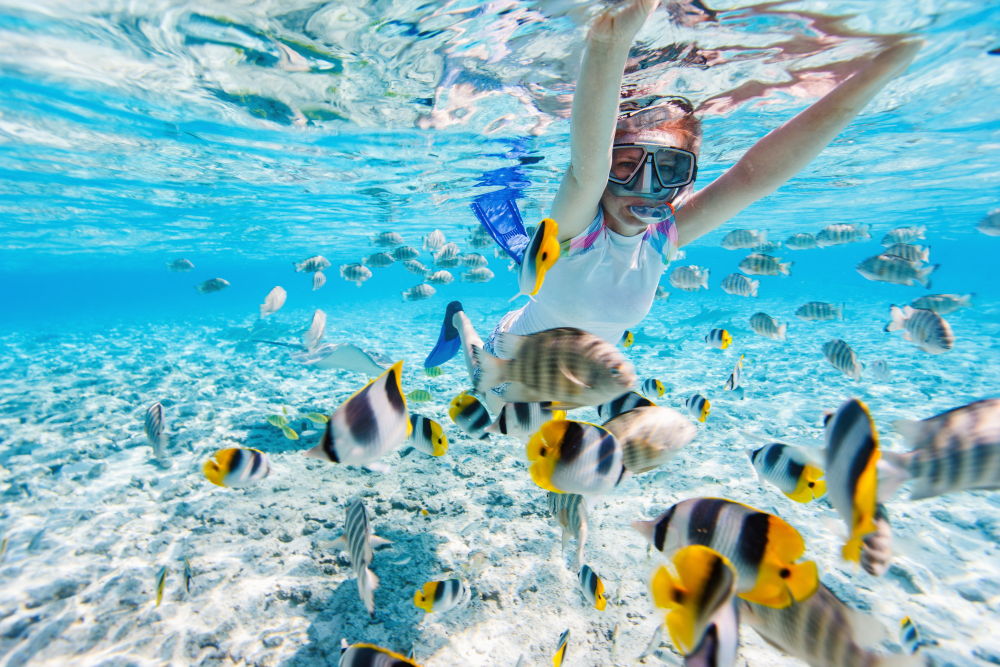
1. Choose the Right Time to Visit
The best time to visit the Great Barrier Reef is during the dry season, from May to October. The waters are calmer, visibility is excellent, and the weather is generally mild. However, each season has its unique charm, so choose what suits your preferences.
2. Stay Hydrated and Sun-Safe
The Australian sun can be intense, even in cooler months. Bring plenty of water to stay hydrated, and use reef-safe sunscreen to protect your skin and the environment.
3. Be Mindful of Marine Life
While it’s exciting to encounter marine life, it’s essential to respect their space. Avoid feeding fish or touching any creatures you encounter, as this can disrupt their natural behaviors and habitats.
4. Plan Your Dive/ Snorkel Sites in Advance
Research and plan which dive sites you want to explore ahead of time. Different areas cater to different skill levels, so make sure to choose sites that match your experience.
5. Take a Course if You’re New to Diving
If you’re new to diving, consider taking an introductory course before your trip. Many operators offer short courses that allow you to dive safely with a guide.
6. Bring a Camera
Capture the breathtaking underwater scenery with an underwater camera or GoPro. Just ensure it’s waterproof and securely attached, as losing gear in the ocean can be a common mishap.
Safety Considerations
1. Check for Weather Conditions
Before heading out, check the weather conditions. Strong winds or storms can affect dive and snorkel trips, so be prepared for possible cancellations or changes.
2. Understand the Risks of Diving
If you’re diving, ensure you’re aware of the risks involved, including decompression sickness. Always follow the guidelines provided by your dive instructor and avoid flying or ascending to high altitudes immediately after diving.
3. Know Your Limits
Whether you’re snorkeling or diving, listen to your body and know your limits. If you’re feeling uncomfortable or fatigued, don’t hesitate to take a break or resurface.
Conclusion
Exploring the Great Barrier Reef is an unforgettable experience that showcases the beauty and diversity of Australia’s marine life. With countless opportunities for diving and snorkeling, there’s something for everyone, from beginners to seasoned underwater adventurers. By following this guide, you can ensure a safe, enjoyable, and environmentally friendly exploration of one of the world’s greatest natural wonders. So pack your gear, book your trip, and get ready to dive into an underwater paradise!