

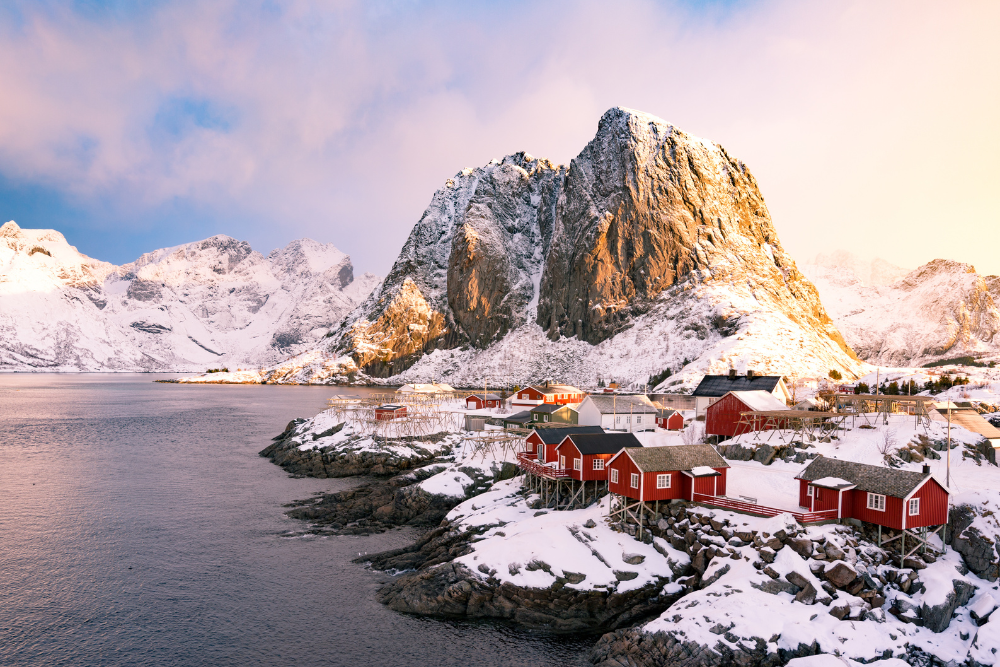

Nestled above the Arctic Circle, the Lofoten Islands in Norway are a mesmerizing archipelago known for their dramatic landscapes, picturesque fishing villages, and ethereal beauty. With towering peaks, pristine beaches, rugged coastlines, and vibrant sunsets, Lofoten is undoubtedly a photographer’s paradise. Whether you’re an amateur enthusiast or a seasoned professional, this region offers some of the most breathtaking vistas in the world.
The Lofoten Islands are not just about visually stunning landscapes—they also carry a deep cultural history, making the area even more captivating. In this guide, we’ll dive into the best spots to capture, the best time to visit for photography, and some tips to help you make the most of your photographic journey through this spectacular corner of the world.
1. Lofoten’s Iconic Landscapes: The Perfect Backdrop for Photos
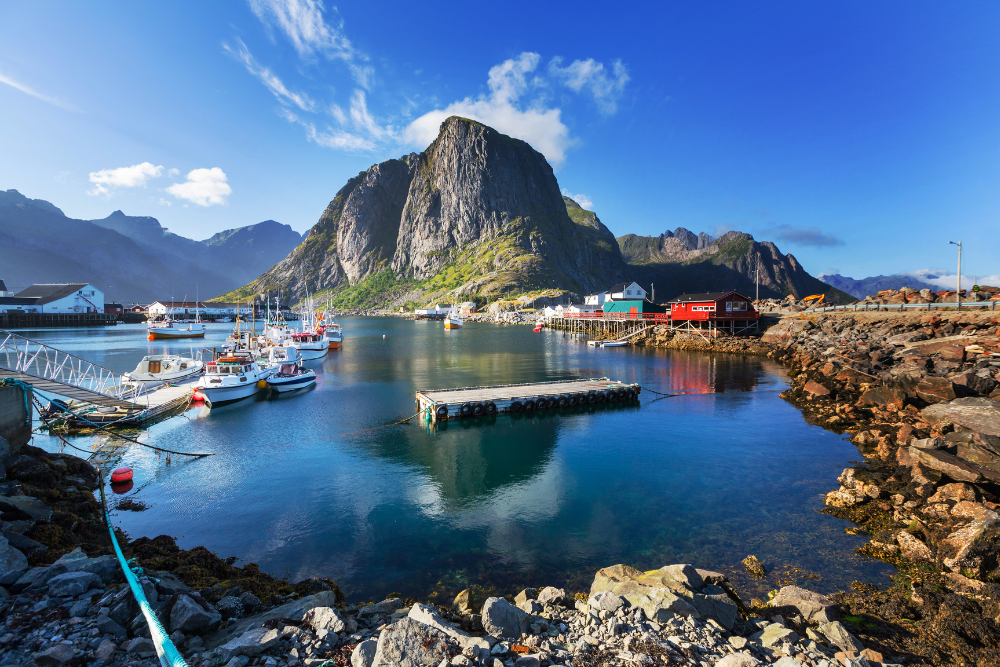
The Lofoten Islands offer a stunning variety of landscapes that are perfect for photography. From rugged mountains to fjords, from white sandy beaches to vibrant fishing villages, the natural beauty of the region is impossible to overstate.
Key Photography Spots:
- Reine and Hamnøy: One of the most famous views in Lofoten is the fishing village of Reine, with its red and yellow rorbuer (traditional fishermen’s cabins) set against the towering peaks of the surrounding mountains. The nearby village of Hamnøy also offers iconic views, especially when the sun casts its golden light on the mountains in the evening. The village is often considered one of the most photographed in Norway.
- Kvalvika Beach: A secluded beach surrounded by steep, jagged mountains, Kvalvika is one of Lofoten’s most serene and picturesque spots. The turquoise waters and dramatic backdrop make it a favorite for landscape photographers.
- Nusfjord: As one of the oldest and best-preserved fishing villages in Norway, Nusfjord offers a historical charm that complements its natural beauty. The traditional wooden buildings, docks, and rugged surroundings make for unique photo opportunities.
Landscape Features to Capture:
- Majestic Peaks: The jagged peaks of the Lofoten mountains, often dusted with snow, create a dramatic backdrop for both daytime and sunset shots. Mount Olstinden, Knutshaugen, and Himmeltindan are just a few of the iconic peaks worth photographing.
- Fjords and Bays: The islands are dotted with pristine fjords and tranquil bays, such as the Trollfjord, which is famous for its narrow entrance and steep cliffs. The reflections in the calm waters provide perfect opportunities for mirrored shots.
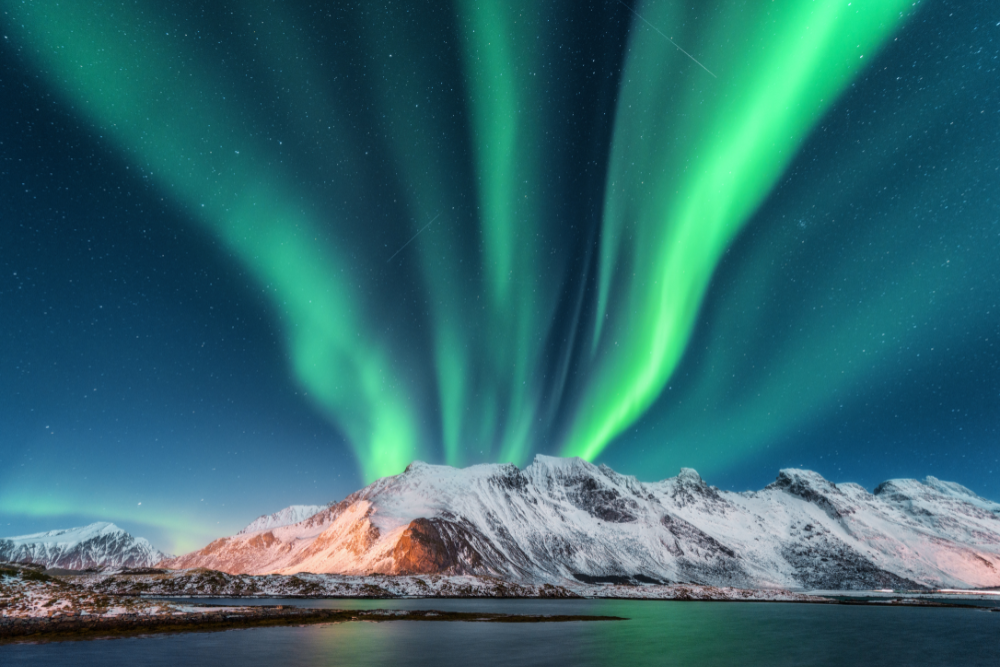
- Northern Lights: During winter, Lofoten becomes one of the best places on Earth to photograph the Aurora Borealis. The region’s dark skies and clear views of the Arctic Circle make it ideal for capturing the vibrant colors of the aurora in the night sky.
2. The Best Time to Visit Lofoten for Photography
Lofoten’s beauty changes dramatically throughout the year, so the best time to visit largely depends on what kind of photos you want to capture.
Winter (November to March):
- Northern Lights: The long, dark nights of winter are the perfect time to witness the Aurora Borealis. Lofoten’s remote location above the Arctic Circle makes it one of the prime spots for this natural spectacle.
- Snow-Capped Peaks: The rugged Lofoten mountains are often dusted with snow during the winter, creating dramatic contrasts between the dark rock and white snow. This is an excellent time for high-contrast landscape shots.
- Winter Wildlife: For wildlife photographers, winter is the season to capture seals, seabirds, and possibly even whales. The calmer seas also offer opportunities for capturing wildlife against a backdrop of snow-covered peaks.
Spring (April to May):
- Golden Hour: The days begin to lengthen, offering longer hours of golden light. Spring is a great time for early morning and late evening shots, especially in coastal areas where the soft light illuminates the landscape beautifully.
- Lush Greenery: By late spring, the region begins to thaw, and greenery starts to return to the land. The contrast of bright green meadows against the still-snow-capped mountains makes for striking images.
Summer (June to August):
- Midnight Sun: The Lofoten Islands experience the Midnight Sun from late May to mid-July, where the sun does not set for several weeks. This is a magical time to photograph the landscape at all hours of the night, with soft, golden light that lingers through the evening.
- Vibrant Villages and Festivals: Summer also brings the fishing season to life, with colorful boats and vibrant festivals such as the Lofoten Festival. Capturing the activity in the fishing villages adds a cultural dimension to your photography.
Autumn (September to October):
- Golden Hues and Crisp Air: Fall brings stunning autumn colors to the islands, especially in the foliage and surrounding forests. The crisp air and shorter days create the perfect light for landscape shots, and the wildlife is abundant as animals prepare for the coming winter.
- Trollfjord Reflections: Early autumn, before the snow sets in, is a great time to capture the iconic Trollfjord, as the still waters mirror the towering cliffs of the fjord.
3. Tips for Capturing the Best Shots in Lofoten
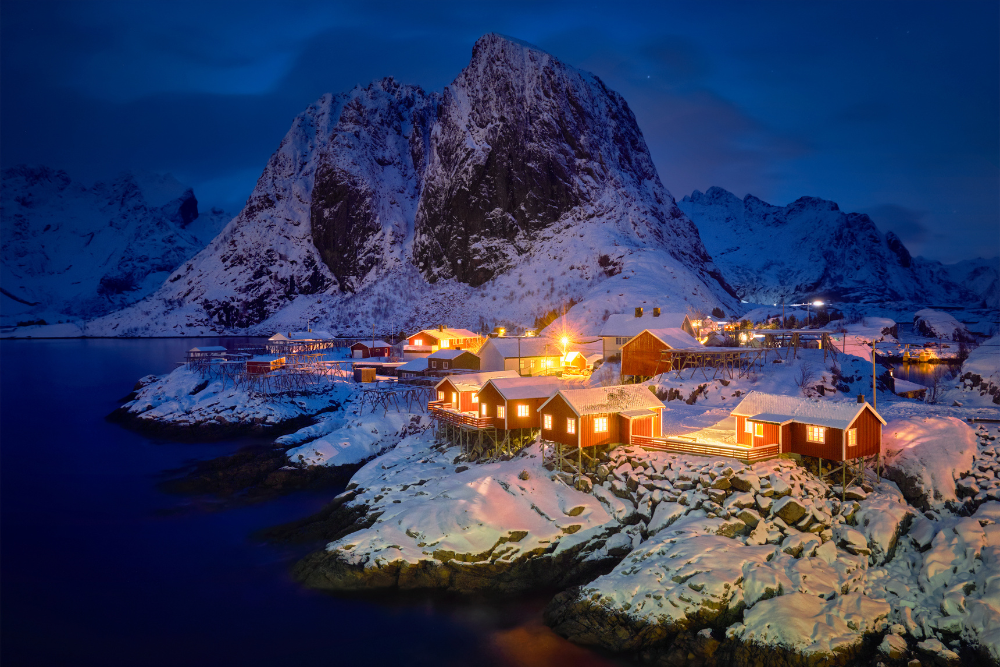
Photographers heading to Lofoten will want to be prepared for the challenging but rewarding conditions. Here are some tips to help you get the best results from your Lofoten photography experience:
1. Plan for Golden Hour:
Golden hour—shortly after sunrise and just before sunset—offers the best lighting for landscapes. The low angle of the sun casts soft, warm light that creates long shadows and highlights the textures of the landscape. Be prepared to wake up early or stay out late to make the most of these magical hours.
2. Be Ready for Sudden Weather Changes:
Lofoten’s weather can be unpredictable, with sudden rain showers, strong winds, and even snow, especially in winter. Be prepared for rapidly changing conditions, and make sure you have weather-resistant gear for both yourself and your camera. The shifting weather can also provide dramatic lighting and atmospheric conditions for your photos.
3. Use a Tripod:
A tripod is essential for capturing sharp, long-exposure shots, especially if you want to photograph the Northern Lights or silky smooth waters. A sturdy tripod will help you keep your camera steady during long exposures, and it’s also crucial for low-light conditions in the Arctic winter.
4. Experiment with Different Compositions:
Lofoten’s landscapes are incredibly photogenic, so don’t be afraid to try different compositions and perspectives. Include foreground elements like rocks, water, or trees to add depth to your photos. The combination of mountains, fjords, and the sea creates endless opportunities for creative framing.
5. Shoot in RAW:
Shooting in RAW format gives you greater flexibility when editing your images, especially when dealing with the high contrast of bright skies and dark shadows. RAW files preserve more detail, making it easier to adjust exposure and color balance during post-processing.
6. Be Patient for the Northern Lights:
If you’re hoping to capture the Aurora Borealis, be patient! Lofoten is a prime location for Northern Lights photography, but it requires clear skies and the right conditions. Use apps like My Aurora Forecast to track the best times for aurora sightings, and don’t be discouraged if you don’t see them immediately.
4. Lofoten’s Cultural and Scenic Beauty
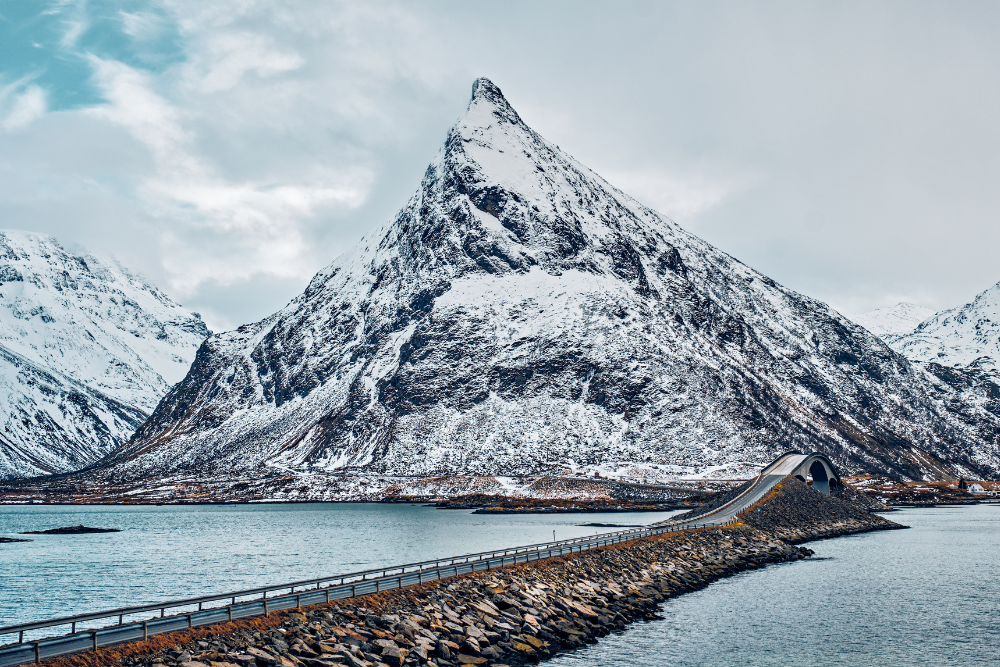
In addition to the stunning landscapes, the Lofoten Islands are also rich in culture and history, offering plenty of opportunities for capturing the region’s unique way of life.
- Traditional Fishing Villages: Lofoten has a long tradition of fishing, and the small, colorful villages like Reine, Henningsvær, and Å are an essential part of the islands’ charm. Photographing the rustic red and yellow rorbuer (traditional fishermen’s cabins) against the backdrop of towering peaks is a must.
- Rorbu Experiences: Consider staying in a traditional rorbu to immerse yourself in the local culture and get unique shots of daily life. These cabins, once used by fishermen, are now available as cozy accommodations, giving you a perfect place to photograph the changing light and moods of the landscape.
- Cultural Sites: The islands also have a rich Viking history. Visit the Lofoten Viking Museum in Borg, where you can capture the history of Viking life through reconstructed longhouses and artifacts.
5. Conclusion: A Photographer’s Dream Come True
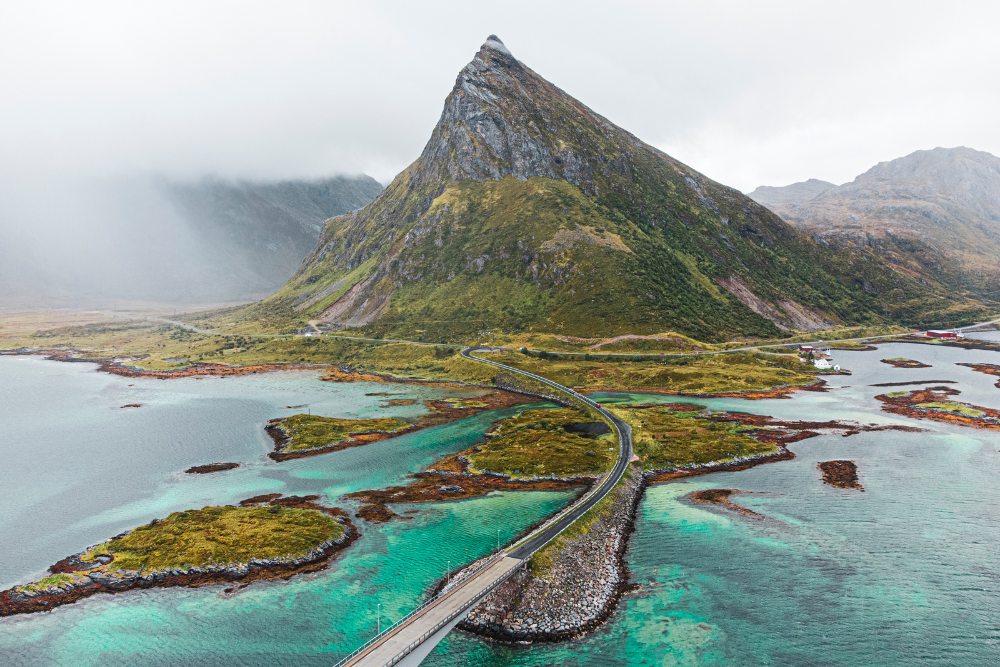
The Lofoten Islands are a photographer’s dream, offering a diverse range of landscapes, vibrant colors, and rich culture. Whether you’re chasing the Northern Lights, capturing the contrast of snow-capped peaks against turquoise waters, or documenting the daily life of a traditional fishing village, Lofoten provides endless photographic opportunities.
The islands’ stunning beauty, combined with their rich cultural heritage, make them an unforgettable destination for any photographer. By planning your visit carefully, braving the elements, and embracing the unpredictable weather, you’ll leave Lofoten with an extraordinary collection of images that capture the essence of this Arctic paradise.