

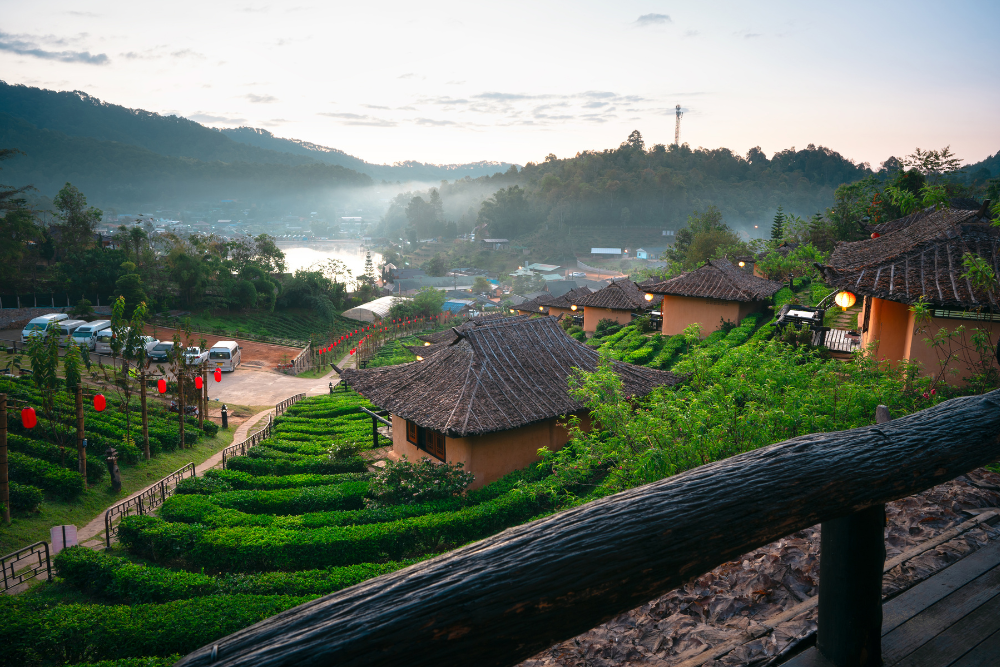

Thailand’s rural villages offer a unique opportunity to experience authentic Thai culture, away from the bustling cities and tourist spots. In these traditional villages, visitors can immerse themselves in daily life, learn about ancient crafts, savor local dishes, and participate in age-old customs and ceremonies. Here’s a guide to exploring Thailand’s villages and experiencing the beauty of rural life, culture, and community.
1. The Appeal of Thai Village Life
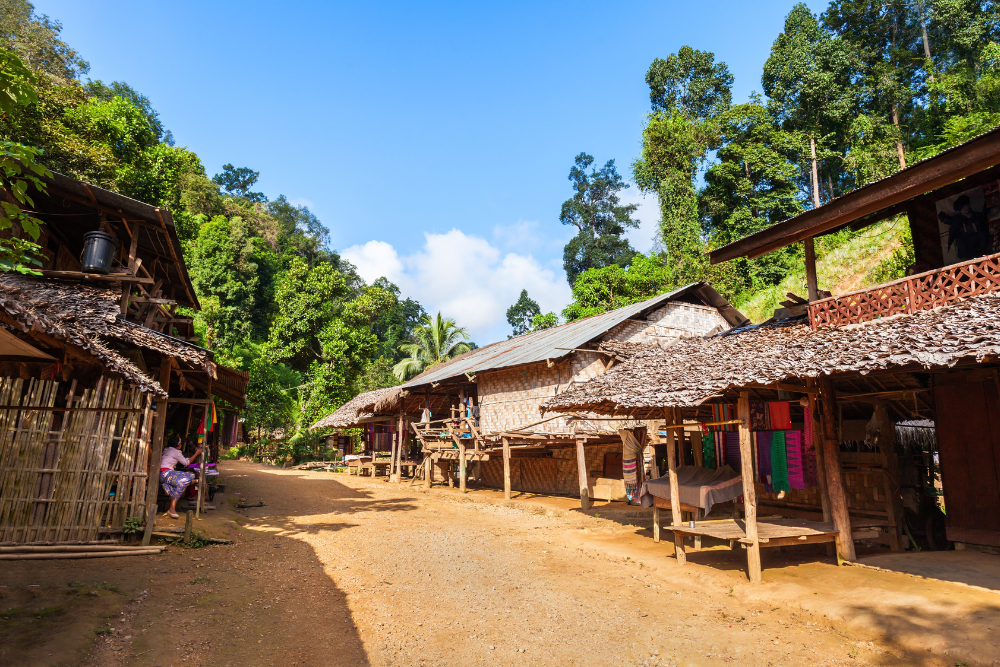
Thailand’s villages reflect the country’s diverse cultural heritage, with each region showcasing unique traditions, languages, and customs. From the mountainous tribes in the north to the coastal fishing communities in the south, rural life in Thailand is marked by a strong connection to nature, close-knit family ties, and a lifestyle centered around agriculture, handicrafts, and local festivities.
Why Visit Thai Villages?: For travelers interested in cultural immersion, rural villages provide a rare chance to experience the “real” Thailand. Here, you can engage in local traditions, observe ancient agricultural practices, and appreciate the artistry of traditional crafts. Rural areas are also an ideal setting for ecotourism, as many villages prioritize sustainability, conserving both their natural environment and cultural heritage.
Activities for Visitors: Activities may include rice planting, weaving, pottery-making, and even cooking classes using locally sourced ingredients. Many villages also have homestay programs, where guests can stay with a local family, participate in their daily routines, and join community events.
2. Northern Thailand: Tribal Culture and Scenic Landscapes
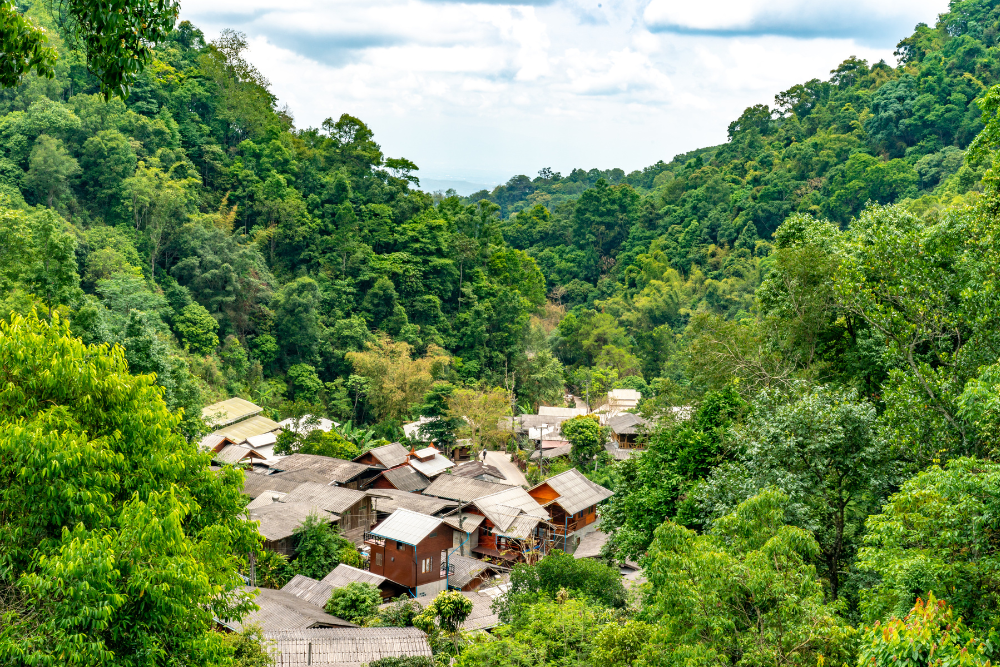
The northern region of Thailand is renowned for its ethnic diversity and beautiful mountain landscapes. The villages in this area are primarily home to indigenous hill tribes, each with their own unique languages, traditions, and handicrafts. Visiting these villages offers insight into the lives of Thailand’s ethnic minorities, including the Karen, Hmong, Akha, and Lahu tribes.
Village Highlights:
Mae Kampong: Located just an hour from Chiang Mai, Mae Kampong is a picturesque village nestled in the mountains. Known for its traditional wooden houses and cool climate, it’s famous for producing fermented tea leaves and homemade herbal products. Visitors can enjoy homestays, coffee plantation tours, and scenic waterfall hikes.
Doi Pui Hmong Village: Set in Doi Suthep National Park, this Hmong village offers stunning views and a chance to see traditional Hmong clothing, jewelry, and handicrafts. You can visit the local museum to learn about Hmong history, culture, and farming practices.
Ban Mae Klang Luang: This Karen village near Doi Inthanon is a popular spot for rice field tours, especially during the planting and harvest seasons. Known for its coffee farms, visitors can take part in coffee roasting and learn about organic farming methods.
Cultural Experiences: In Northern Thai villages, visitors can participate in weaving, traditional dancing, and learning about natural dyeing techniques. The hill tribes are also known for their textiles and silver jewelry, so consider supporting local artisans by purchasing these handmade items.
3. Northeastern Thailand (Isaan): A Taste of Authentic Thai Life
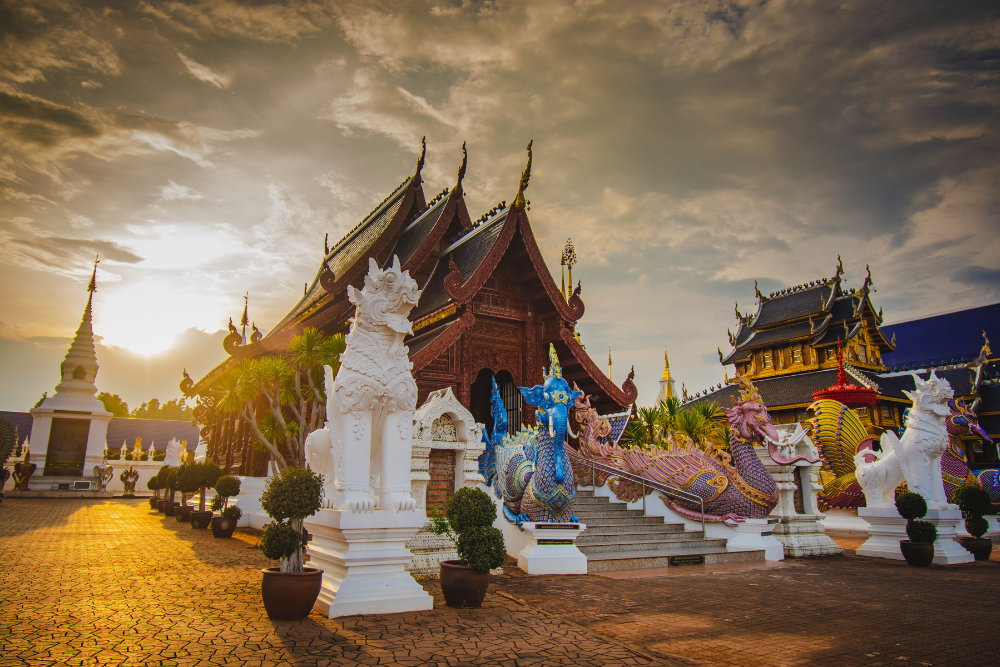
Isaan, Thailand’s northeastern region, is known for its vibrant festivals, delicious food, and unique culture that sets it apart from other areas of Thailand. Villages in Isaan maintain deep-rooted traditions, often with a slower pace of life centered around farming and community gatherings.
Village Highlights:
Ban Chiang: Recognized as a UNESCO World Heritage site, Ban Chiang is famous for its ancient pottery, which dates back thousands of years. Visitors can explore the Ban Chiang Museum and learn about the region’s rich history in ceramics and archeological finds.
Ban Prasat: Known for its historical significance, this village in Nakhon Ratchasima offers homestays where visitors can experience traditional Isaan cooking, rice farming, and basket weaving.
Ban Nong Song Hong: Located in Udon Thani, this village specializes in silk weaving and is an ideal place to learn about the silk-making process, from rearing silkworms to creating intricate fabrics.
Cultural Experiences: Villages in Isaan are known for their hospitality, with locals eager to share traditional Isaan dishes like som tam (papaya salad), larb (spicy minced meat), and sticky rice. The annual Bun Bang Fai Rocket Festival in Yasothon is one of the most colorful events, where villagers launch homemade rockets to ask for rain, accompanied by dancing, music, and elaborate costumes.
4. Central Thailand: Agricultural Heartland and Traditional Crafts
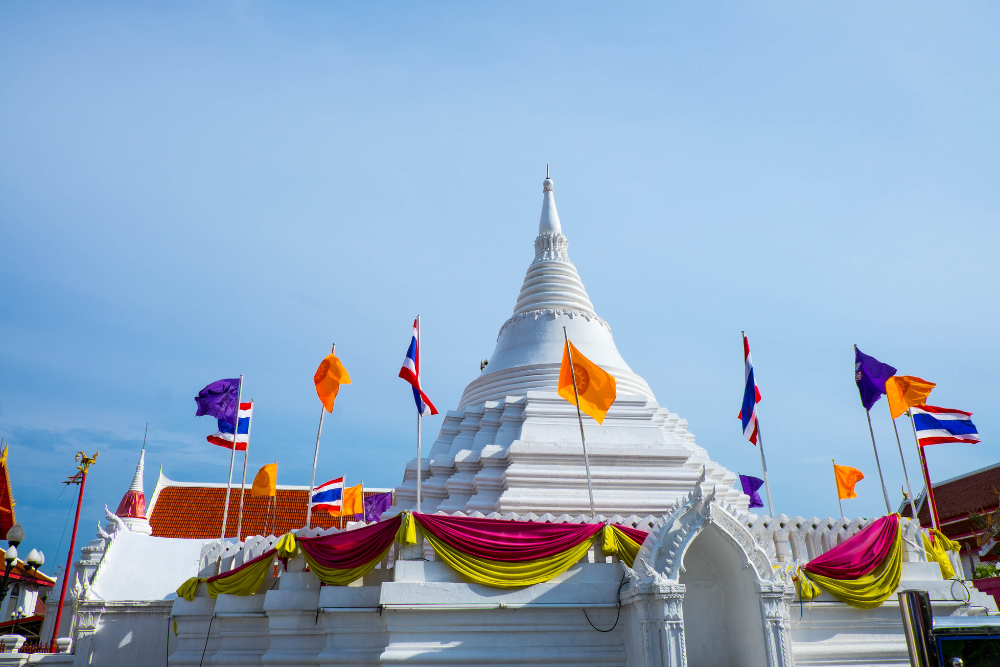
Central Thailand, often referred to as the “rice bowl” of the country, is home to lush rice paddies, fruit orchards, and bustling riverside villages. This region is rich in agricultural practices and traditional craftsmanship, making it an ideal destination for visitors interested in learning about Thai farming and artisanal trades.
Village Highlights:
Amphawa: Known for its floating market, Amphawa is a charming riverside village where visitors can experience the traditional Thai market culture. Here, boats selling fresh produce, seafood, and local dishes line the canal, creating a lively and photogenic setting.
Ko Kret: Located in the Chao Phraya River near Bangkok, this island village is inhabited by the Mon people, known for their pottery skills. Visitors can watch potters at work, make their own clay pots, and explore local temples and markets.
Suphan Buri’s Sam Chuk Market: This 100-year-old market in Suphan Buri preserves its old-world charm, with traditional wooden shops selling everything from herbal medicines to handmade sweets. It’s a great spot for tasting Thai delicacies and shopping for souvenirs.
Cultural Experiences: Central Thailand is known for its handicrafts, including pottery, weaving, and bronze work. Visitors can also participate in cooking classes that highlight local ingredients like fresh river fish, tropical fruits, and coconut.
5. Southern Thailand: Coastal Villages and Fishing Communities
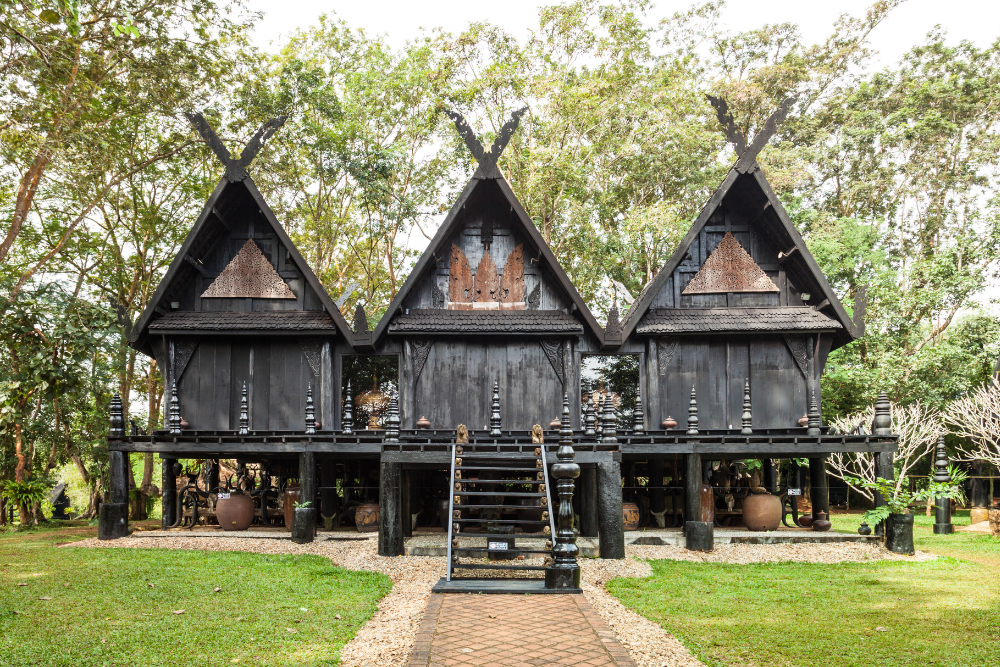
The southern provinces of Thailand are famous for their pristine beaches, turquoise waters, and tropical islands, but they also have vibrant coastal villages where visitors can experience a unique side of Thai culture. Fishing and coconut farming are integral to life in these villages, with traditional techniques passed down through generations.
Village Highlights:
Koh Yao Noi: This small island village in Phang Nga Bay offers visitors a peaceful retreat, away from the hustle of popular tourist destinations. The village is known for its fishing industry, organic farms, and traditional batik painting. Travelers can stay in eco-friendly lodges, learn about sustainable farming practices, and even try their hand at batik painting.
Baan Talae Nok: Located on the Andaman coast in Ranong, this village offers a community-based tourism program where visitors can learn about fishing techniques, create local handicrafts, and even help with mangrove reforestation projects.
Ban Bang Phlap: Situated in Samut Songkhram, this village focuses on coconut farming and has recently become known for ecotourism. Visitors can tour coconut plantations, make coconut oil, and sample delicious coconut-based dishes.
Cultural Experiences: Southern Thailand is rich in Muslim and Buddhist influences, reflected in its food, architecture, and clothing. Village tours often include cooking demonstrations featuring southern Thai specialties like kaeng som (sour curry), as well as workshops on traditional crafts like batik printing and coconut processing.
6. Experiencing Thai Homestays: A Closer Look at Rural Life
Homestays offer one of the best ways to immerse yourself in Thai village culture. Many rural communities across Thailand offer homestay programs, where visitors live with a local family, participate in daily activities, and enjoy homemade meals. This not only provides insight into Thai rural life but also supports local communities through sustainable tourism.
Homestay Benefits: Staying in a Thai village homestay allows for a deeper connection with the local culture and provides an authentic experience beyond what a hotel can offer. Many homestays include activities such as guided tours of the village, cooking lessons, handicraft workshops, and participation in religious or cultural ceremonies.
Popular Homestay Destinations: Villages such as Ban Mae Kampong, Ban Na Ton Chan in Sukhothai, and Baan Pa Pong Piang near Chiang Mai are known for their well-organized homestay programs, with comfortable accommodations and a range of activities for visitors.
7. Sustainable and Responsible Tourism in Thai Villages

As interest in rural tourism grows, many Thai villages are adopting sustainable tourism practices to preserve their natural environment and cultural heritage. Programs like Thailand Village Academy promote eco-friendly travel, encourage community involvement, and provide training to locals in hospitality and tourism. This ensures that tourism benefits the entire village and minimizes environmental impact.
Eco-friendly Practices: Many villages use natural materials for construction, limit waste through recycling initiatives, and emphasize organic farming. Tourists are encouraged to respect local customs, reduce plastic use, and support local businesses by purchasing handmade goods directly from artisans.
Community-based Tourism Initiatives: Several Thai villages now operate under community-based tourism models, where locals manage tourism activities and distribute profits within the community. This approach empowers locals, preserves cultural practices, and provides visitors with a richer travel experience.
Conclusion
Exploring Thai villages is a unique opportunity to step into the heart of Thai culture, experience traditional ways of life, and support sustainable tourism. From the hill tribe villages in the north to the coastal communities in the south, Thailand’s rural areas offer enriching encounters and a chance to learn from the wisdom and hospitality of the Thai people. By visiting these villages and engaging in community-based tourism, travelers can contribute to local economies, help preserve cultural heritage, and enjoy a truly authentic Thai experience. Whether you’re crafting pottery with a Mon artisan, hiking through rice terraces with a Karen guide, or fishing with a southern Thai family, the memories created in these villages will leave a lasting impression.