


Introduction
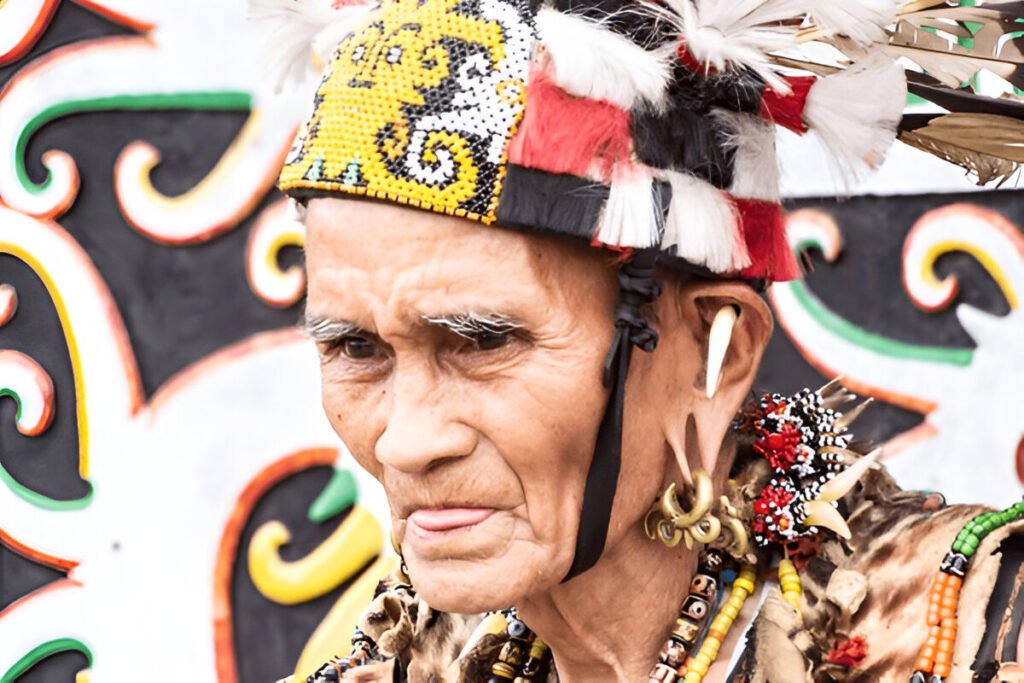
Borneo is an area with green rainforests and diverse cultures. It is also the home of the fascinating Dayak tribes. Dayak people hold a rich history along with a unique way of life.
In this blog post, we will delve into their rich culture, exploring their traditions, festivals, and the amazing blend of ancient rituals with modern influences. Join us in this journey to reveal the secrets of this ancient civilization and experience the wonders of Borneo.
Transformation of Dayak Culture
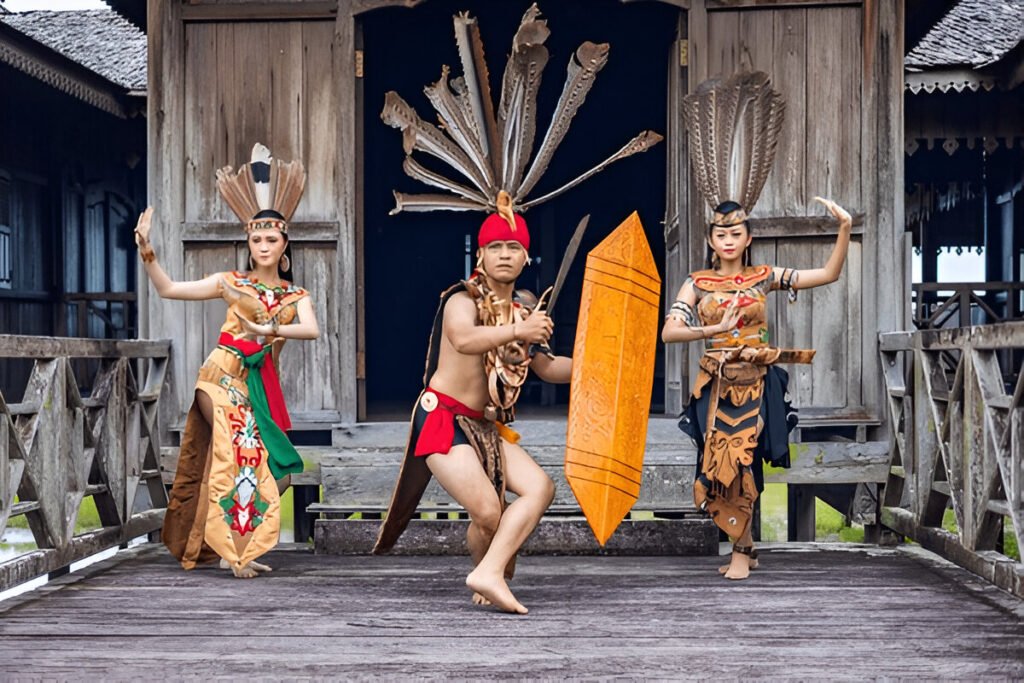
The Dayak tribes, which belong to Borneo, have their history stretch back thousands of years. Their name, “Dayak,” originally holds the notation of “wild” in Malay. They were Once known for fierce warrior traditions, they had practiced headhunting as a tradition for conversion into adults. Over passage of time and due to Western influences, particularly from missionaries, changed aspects of these traditions. Although modern Dayaks are not warriors, their past is deeply embedded in their society, providing unique insights into a once-feared culture.
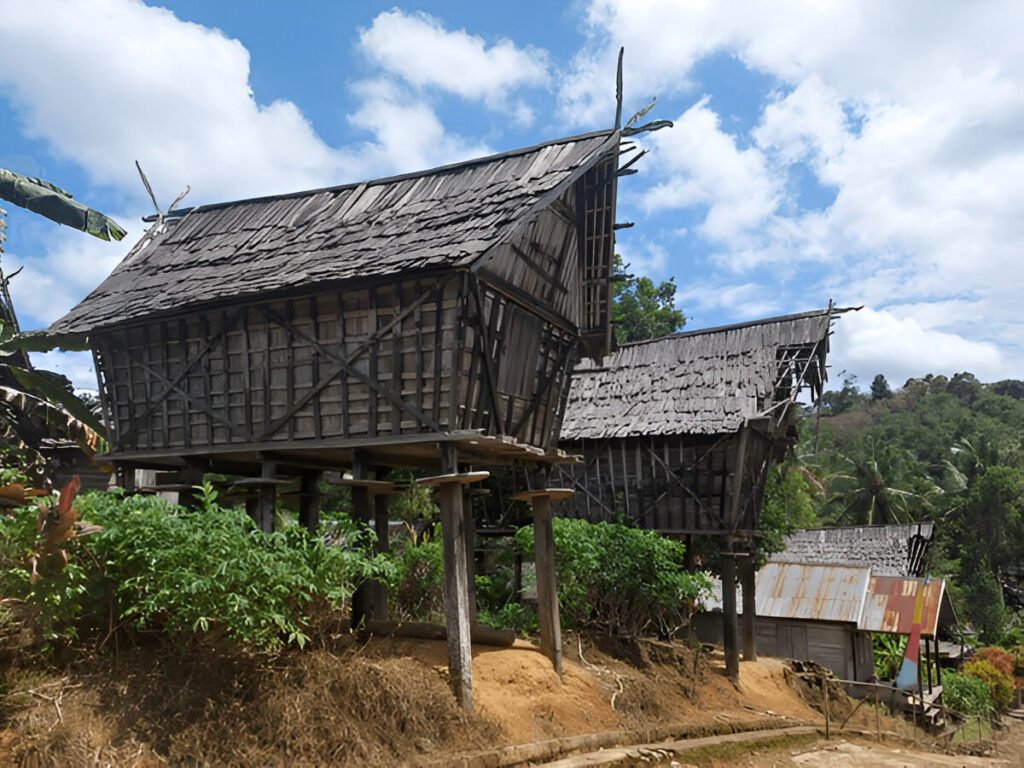
Today, many Dayaks have adopted a modern lifestyle—some of them appointed into government roles or higher education. Despite these developments, many of them still favor a communal lifestyle, living in traditional “longhouses.” These unique homes provide shelter to the entire extended family, with each family holding individual rooms, and these rooms are connected by a shared terrace. This arrangement historically supported a quick defense, as warriors could assemble quickly when threatened.
Unique dayak ceremonies and rituals
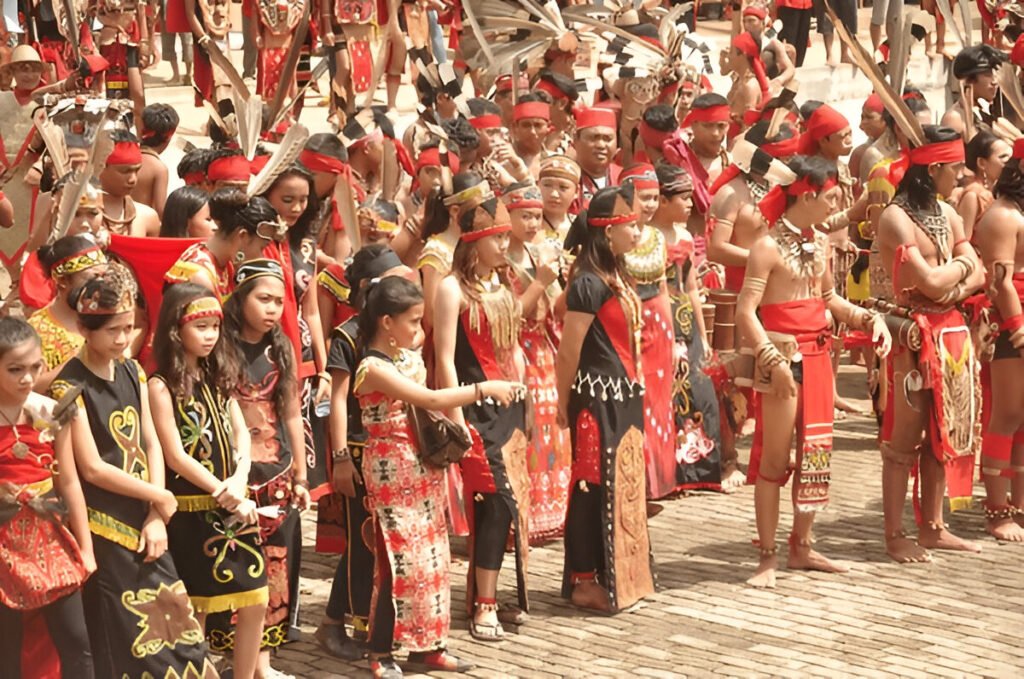
One of the most attractive aspects of the Dayak culture is their ceremonial life. Each ritual holds special significance. These rituals are often tied to events like journeys, family disputes, or death. For example, the Ngamean ceremony is performed before going on significant journeys, with fire used to divine the journey’s fortune. Or if there’s a family dispute, the Ngelaem Ponam Penega dance often solves the tension.
Dayak’s ancestral beliefs mainly shaped their funerary customs. A traditional funeral basically includes the Tatau Lale ceremony, where family members create a mahogany sapundu, i.e., a wooden figure carved to honor the deceased. This ceremony is believed to guide the soul toward a peaceful afterlife, highlighting the Dayak’s emphasis on family bonds and respect for the departed. During this ritual, animals are also sacrificed.
Festivals in Borneo: Celebrations and Traditions
Borneo performs many colorful festivals throughout the year, drawing attention of both locals and travelers to the Dayak traditions. Erau Festival, held in Tenggarong, shows various tribal dances in traditional costumes. In spring, Naik Dango is celebrated as a Thanksgiving festival, expressing gratitude for a wonderful harvest through ritual performances, feasts, and music. If you visit in August, then you can experience Hari Proklamasi, Indonesia’s Independence Day, marked by river races, fireworks, and parades in Banjarmasin, adding a vibrant national element to Borneo’s local celebrations.
Family-Friendly Adventures in the Heart of Borneo
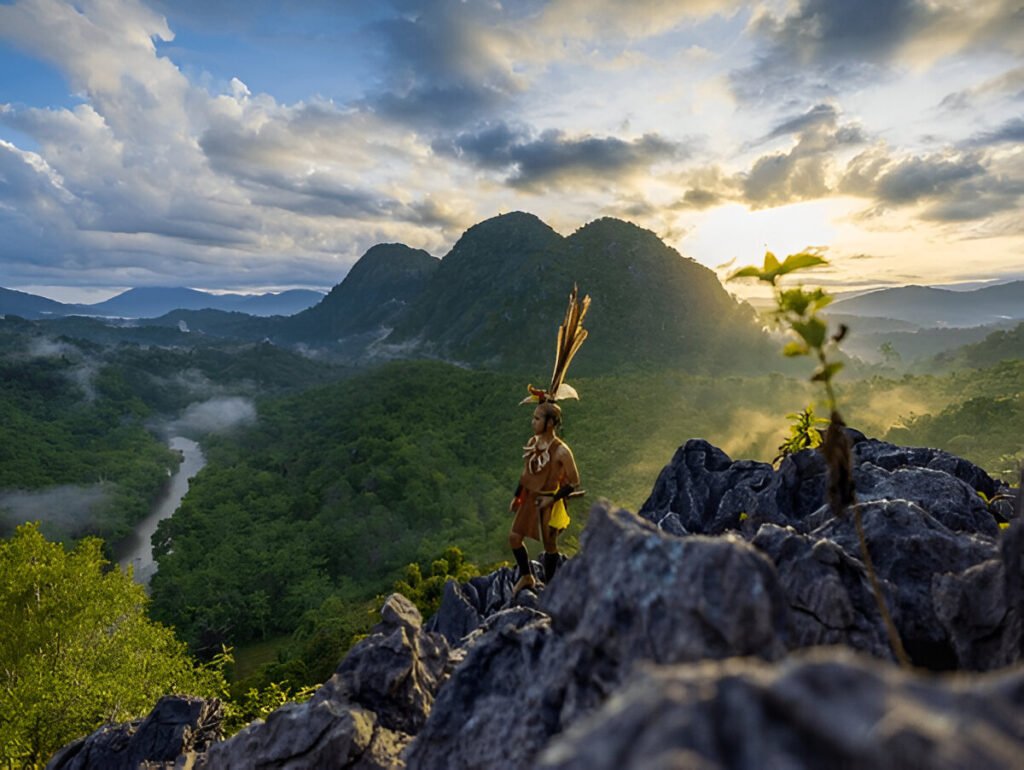
Traveling with children to Borneo is an amazing experience, all because of the island’s abundant wildlife and educational adventures. Tanjung Puting National Park offers unforgettable jungle exploration, where you can spot unique wildlife, including orangutans.
In Banjarmasin, where the floating markets exist and canal boat rides provide a glimpse into the river-based lifestyle of local children. A trip to Pontianak, situated on the equator, offers both historical and interactive experiences, especially at Kadriah Palace, where young visitors can explore the life of Borneo’s royalty.
Culinary Adventures: Tasting Borneo’s Rich Flavors
Borneo’s culinary offerings blend Dayak traditions with Indonesian, Chinese, and Indian influences. Rice, or nasi, features heavily in meals, prepared as steamed or fried and often paired with seafood. Meat dishes are typically limited to poultry due to the local Muslim population. Popular dishes include Soto Banjar, a spicy chicken soup from southern Kalimantan flavored with cinnamon, nutmeg, and cloves, and Patin Bakar, grilled river fish often marinated with spicy sambal sauce and grilled over a charcoal fire. Dayak cuisine is known for its aromatic spices and generous portions of sauce, providing a fiery kick to many meals.
Although alcohol is generally not common, there are regional exceptions, such as palm arak vodka and brem, a traditional rice wine. Nonalcoholic drinks like Es Jeruk, an orange-based beverage, and coconut milk with rice, sugar, and ginger offer refreshing options in Borneo’s tropical climate. Dining experiences extend to bustling fish markets where visitors can handpick fresh seafood and enjoy it grilled on the spot—a testament to Borneo’s rich fishing culture.
Responsible Tourism:
One of the most concerning challenges in Borneo is deforestation. Deforestation is linked with palm oil production. This industry is driven by global demand for palm oil. It has devastated large areas of rainforest and disrupted local wildlife habitats (the most impacting species include orangutans). Additionally, the conversion of forests into plantations has significantly decreased biodiversity and affected the livelihoods of indigenous species.
Palm oil plantations provide employment, but at a steep environmental and social cost. As consumers, travelers can help to overcome this problem by choosing products free of palm oil and supporting sustainable practices, protecting Borneo’s natural habitat for future generations.
Souvenirs and Handicrafts:
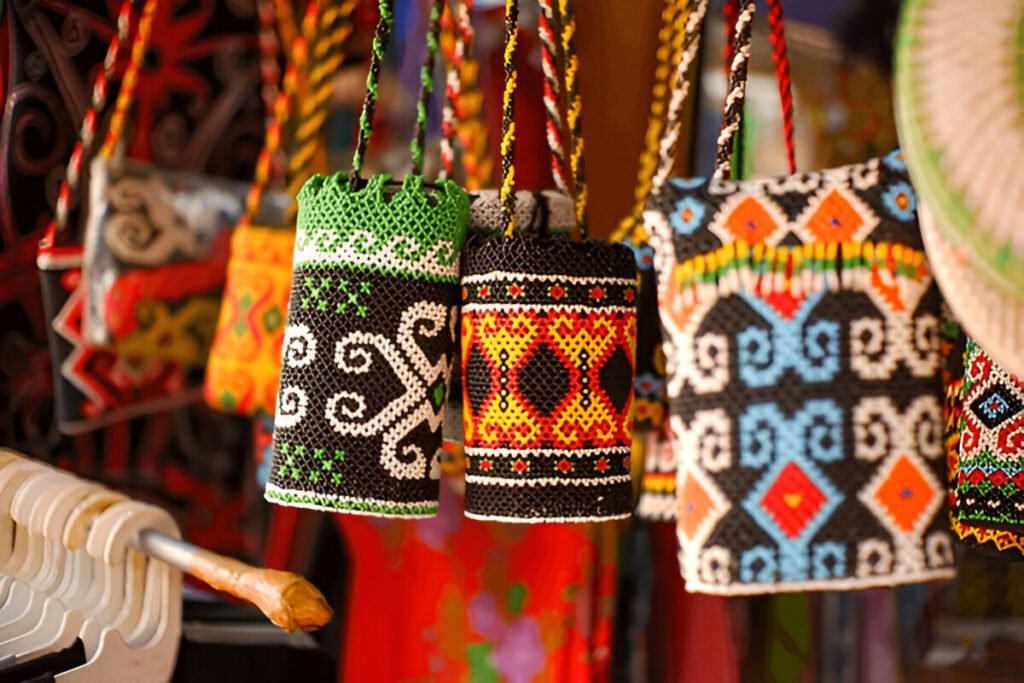
Borneo is also famous for its gemstones, mainly diamonds, sapphires, and rubies, thus making it a great destination for those having interests in jewelry. Shopping at local markets is an art in itself that you can do, and the competition among vendors allows fair pricing. Visitors who are interested in Bornean handicrafts will find amulets, figurines, and spirit-themed artwork available in the shops, reflecting the island’s spiritual traditions.
The morning markets are better for purchasing fresh food. Borneo’s cities, such as Balikpapan and Samarinda, also have shopping centers where traditional handicrafts blend with modern retail stores.
Transportation, Currency, and Practical Tips for Borneo
Borneo is very large, and flying between main cities is often the most practical option. For currency, the Indonesian Rupiah (IDR) is the only accepted form of cash. Large cities will have licensed exchange facilities, but travelers visiting remote areas are advised to exchange currency before starting their journey. To obtain better exchange rates, bring new currencies of large denominations, as banks in Indonesia are known to decline values of damaged or worn currency.
Conclusion
Borneo is an area with enormous beauty and cultural diversity. It also offers an unforgettable journey for the travelers searching for a unique experience. From exploring ancient Dayak traditions to immersing in their vibrant festivals, every moment offers its rich cultural heritage. By promoting responsible tourism and supporting sustainable practices, we can ensure that Borneo’s natural diversity and cultural treasures will be preserved for generations to come.