


Introduction:
Conceptualised as an innovative and sustainable city over an area of 4.38 square kilometres of desert wilderness, Expo City Dubai continues to live on both the promise and the legacy of Expo 2020. The epicentre of the grand global event of Expo 2020, the area has evolved as a sustainable, thriving tourist hub in the vast Arabian desert wilderness.
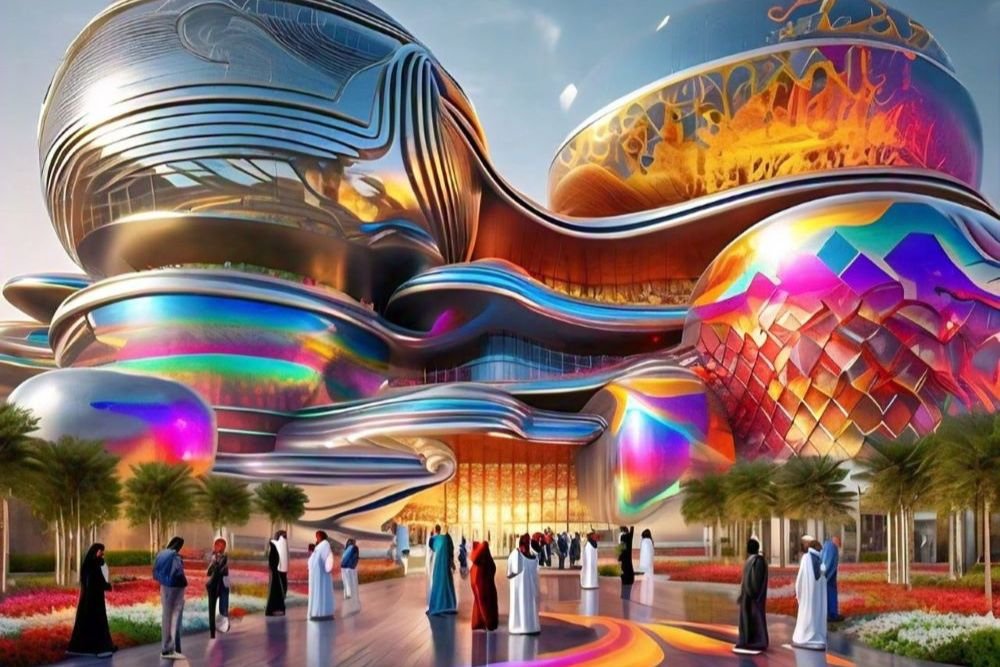
The destination that outgrew its raison detre has successfully implemented sustainability and circularity principles. This purpose-built, futuristic city has retained 80 per cent of the original infrastructure of the mega event hosted from 1 October 2021 until 31 March 2022.
Ideated as a true example of sustainability, the city’s planning was crucial in transitioning to the present-day avatar. The town that is now becoming a full-fledged tourist hub had always had a future canvas ready in the minds of planners and architects even before it started its journey.
Continuing as a shining example of the loop of circularity principle, the city now stands as an authentic symbol of innovation, sustainability, and futuristic tourism all rolled into one.
A Sustainable City Built on Global Dreams: The Expo Legacy Lives On:
Far from being consigned to a footnote at best—a sugary euphemism of oblivion—the Expo legacy lives on both for what it epitomised and for what it stands now so steadfastly. Innovative reuse is the cornerstone of the entire project, and the city’s master plan was aligned with Dubai’s 2040 Urban Master Plan, the UAE Centennial 2071 Plan, and the 2030 Agenda for Sustainable Development.
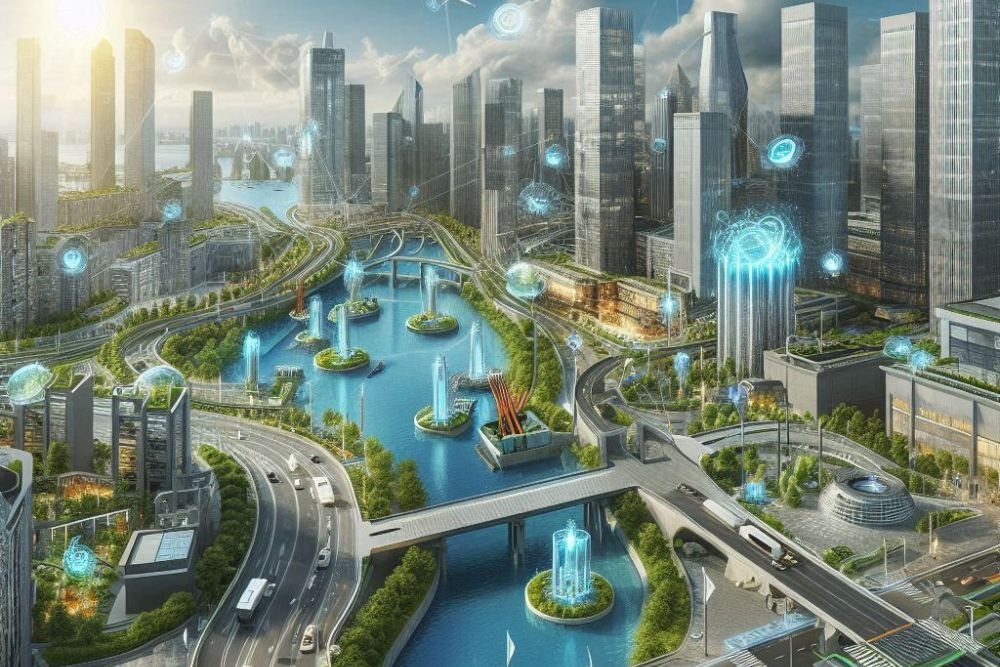
The infrastructure of the Expo City was futuristic and yet sustainable to the core. The facility was thrown open to visitors again on 1st October 2022. Many areas and portions of the city brought back memories of the event. For example:

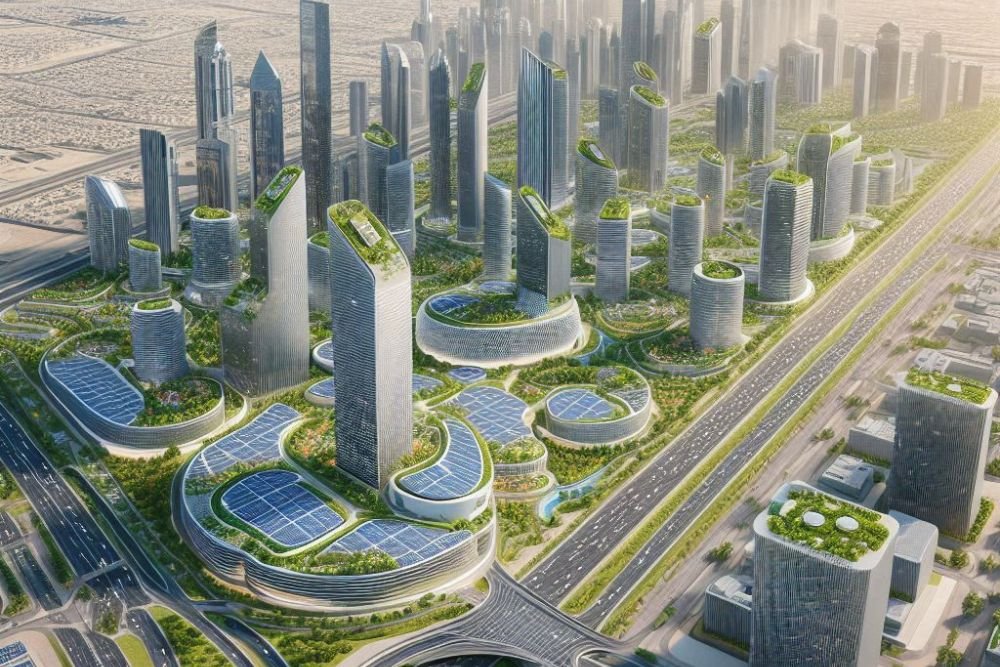
For energy purposes, the entire site heavily drew on the passive design strategy, which helped to reduce heat. Throughout the site, electric sensors and intelligent metering tools were employed to monitor power and water consumption and waste generation. Residential units were paired with intelligent energy-saving appliances.
Various other features were also used to offset the heat. They are:
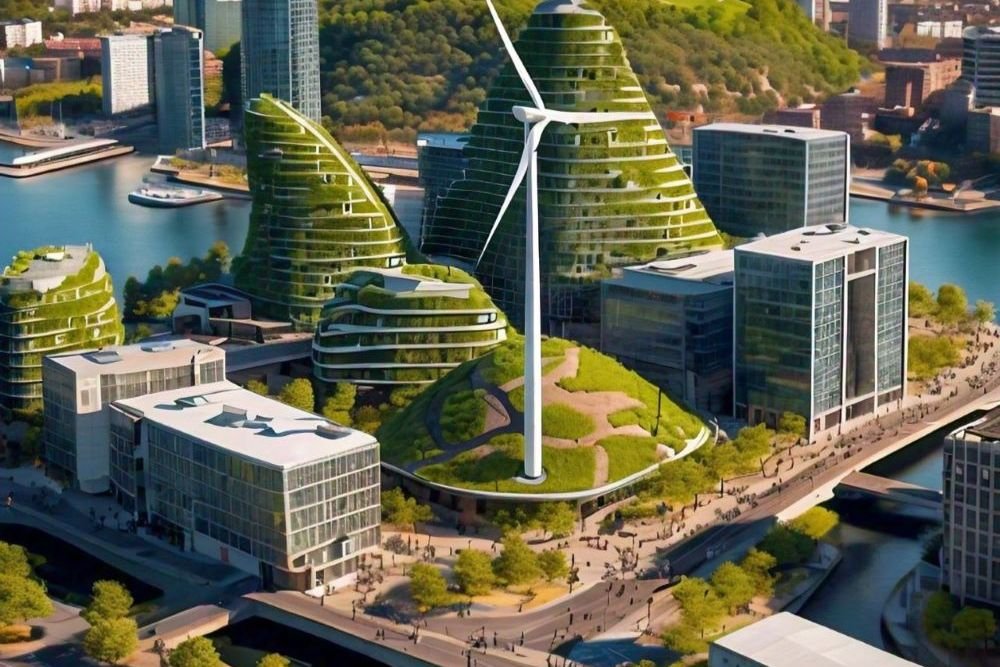
- Water features
- Shading structures
- Green roofs
- Trees and landscaping
- Lighter coloured materials
Interactive Wonders: Immersive Experiences for the Conscious Traveler:
Experiential Tourism: The Expo City area has been split into three parts around a central plaza. The point of prominence in the sustainability area was Terra, the pavilion exhibition space during the World Expo. This pavilion has now been transformed into an educational and immersive space that traces our environmental impact and offers sustainability skills to future generations.
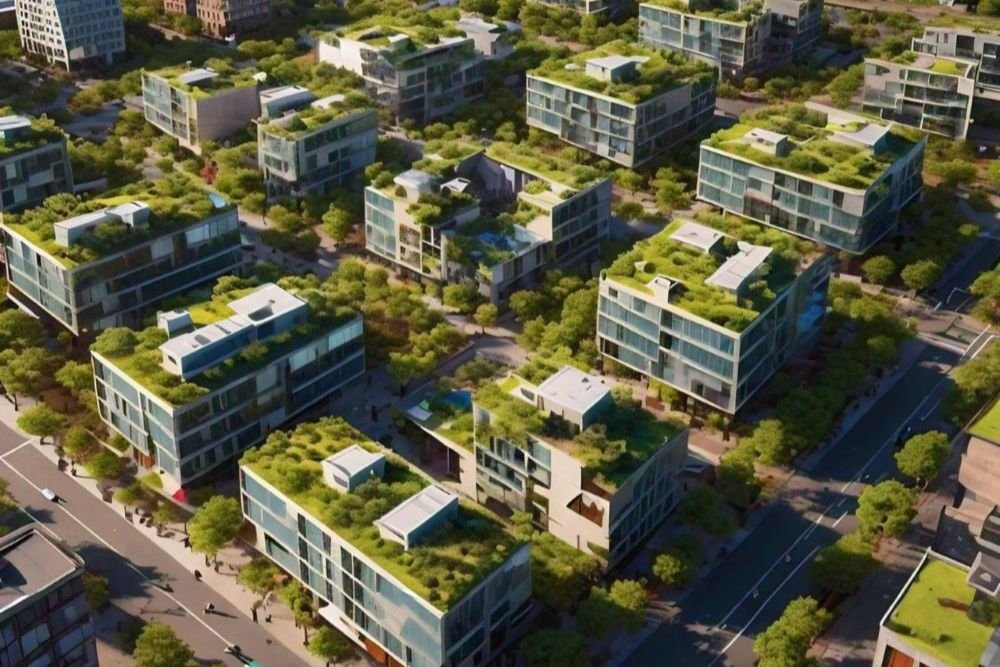
Sustainability Factor: In constructing the sustainability pavilion, every decision regarding the engineering and architectural decisions is factored into the sustainability aspect in a fundamental manner. The sustainability pavilion is LEED Platinum certified and designed to be Net Zero in energy and water usage.
Human-centric City: In designing the city, every effort was made to put humans at the centre of the architecture. So that whatever needs are there can be covered in a 15-minute walk, just like in an old, traditional city. The vast open space that was there in the project is now to be used for the following:
- Converting Homes
- Converting offices
- For leisure facilities
- For exercise grounds
- For constructing a mall
- For Metro station
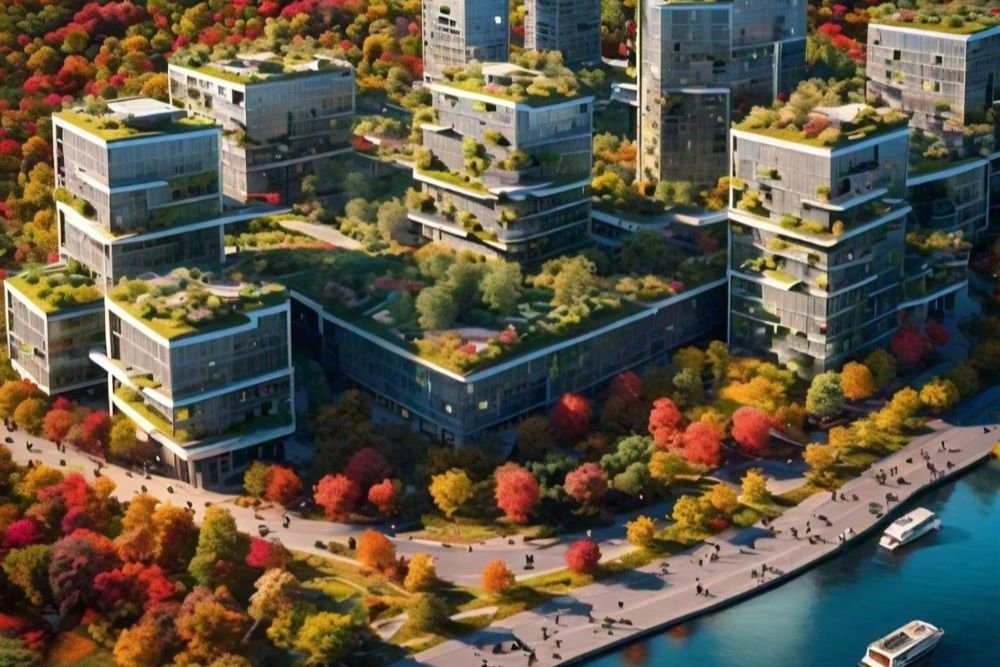
The new city will have 10 km of cycle tracks and 5 km of jogging paths, and the new town will retain 123 of the expo structures and buildings from the UAE pavilion to the massive steel and glass façade of the Al Wasl Plaza. In total, 2,60,000 square meters of repurposed expo buildings will be utilized for home and office purposes for about 1,45,000 people.
Green Spaces, Blue Skies: Exploring Expo City’s Eco-Friendly Attractions:
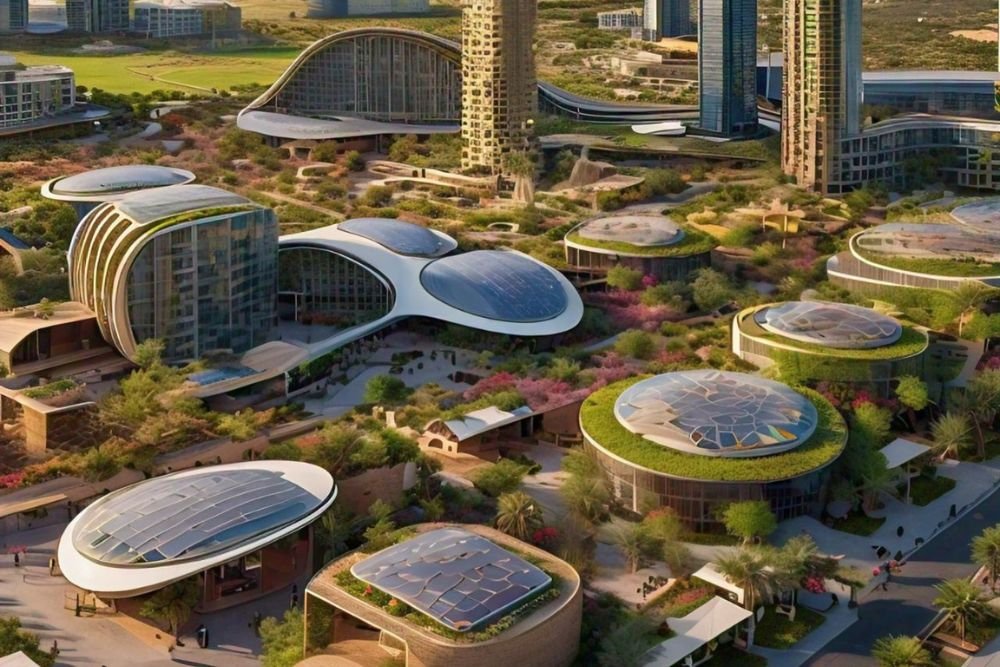
Despite being housed in an arid desert, the Expo City will have 45,000 square meters of greeneries and parks full of local native species like drought-tolerant Ghaf trees and Jasmine bushes. The buildings are also constructed with environment and sustainability in mind and will be paired with solar panels.
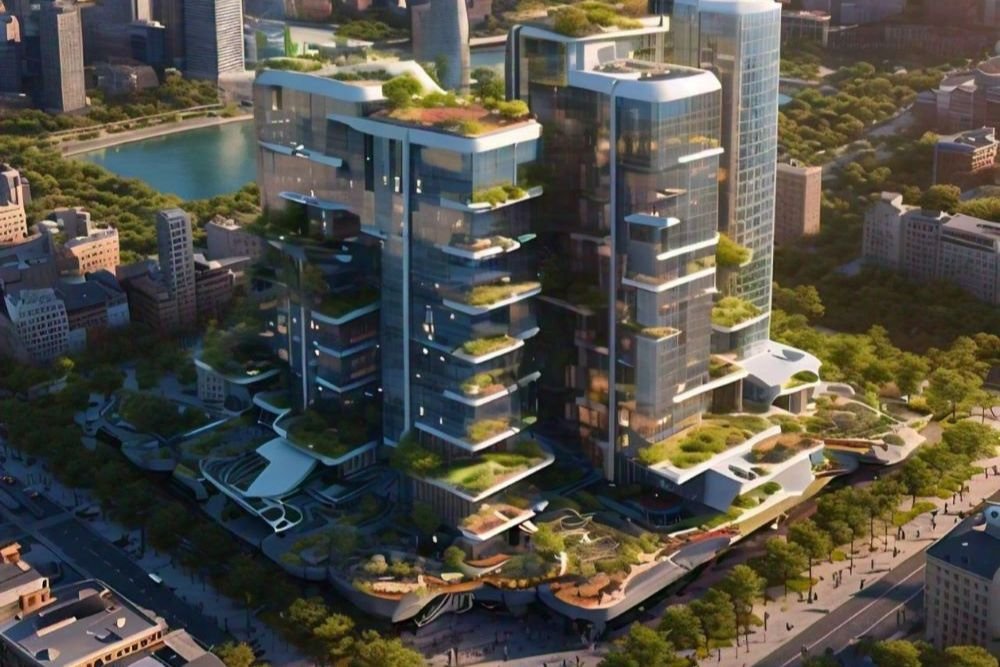
The sustainability pavilion has its main canopy covered with photovoltaic panels and 18 “energy trees” that are conspicuous around the prominent canopy. The building can generate enough electricity to power 370 average households. The energy produced is used to power cooling systems, harvest water, and recycle.
Furthermore, each energy tree was paired with a motorized gimbal that allowed it to track the Sun throughout the day so that the production process remained optimized for the entirety of the day. The energy trees are modelled and inspired by the desert ghaf trees, the national tree of the UAE.
The building is a source of inspiration to many because if a net zero facility can operate in as harsh as this arid desert condition, then why can’t other buildings be like this in other favourable places?
From the Expo to the Future: The Role of Innovation and Tech in Expo City:
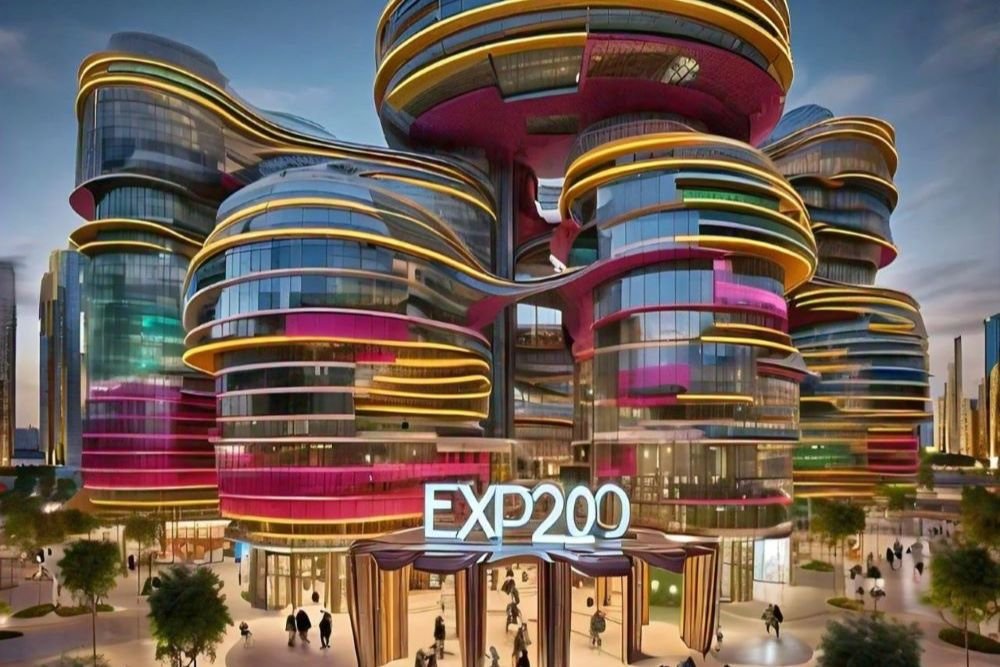
The Expo City is as much sustainability as is technology and innovation. The technology and innovation have been integrated into the tourist experience at Expo City. Visitors can experience augmented reality (AR) walking tours, intelligent transportation, and digital guides powered by artificial intelligence.
Expo City is now becoming a hub for technological advancement and creative industries. The Opportunity Pavilion now hosts Dubai’s leading tech start-ups, creating a vibrant space for innovation in sustainability and beyond.
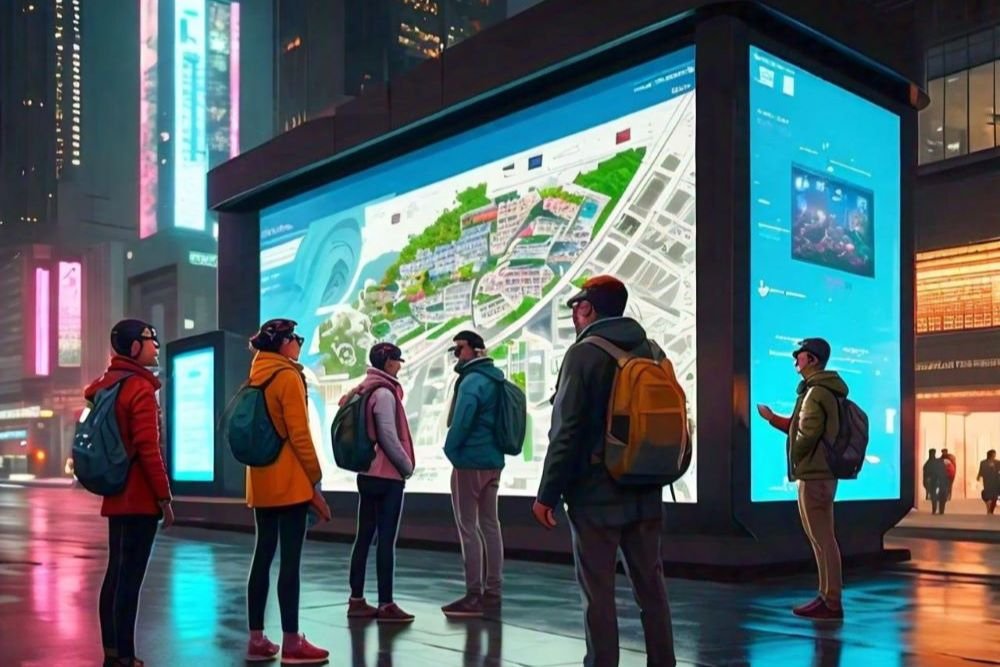 At Expo City, state-of-the-art technology is being used to further sustainability efforts in the city, from energy grids to waste management systems. Smart energy grids, automated waste sorting, and AI-driven resource management make Expo City an example to the outer world.
Conclusion:
Expo City will live on not only because of the legacy of Expo 2020 that it leaves but also because it shows how we can manage the future and all the issues and factors that can go beyond our control and grasp. The Expo City gave us all a blueprint. It is a way forward to the dark depths of the unknown- known as the future.
Expo City Dubai is relevant even in the future because of its grave relevance for now and for the future. The need to innovate while being sustainable hold the secret to our existence on this terra firma and Expo City showed it in the easiest and magnified manner.
So, what are you waiting for? Aren’t you thrilled with the prospect of seeing a replica of our future right now? You will be intrigued and moved from the core when you see how technology and sustainability melt and merge. Plan your trip to Expo City Dubai to see for yourself how the future of tourism unfolds itself right now!