


Introduction
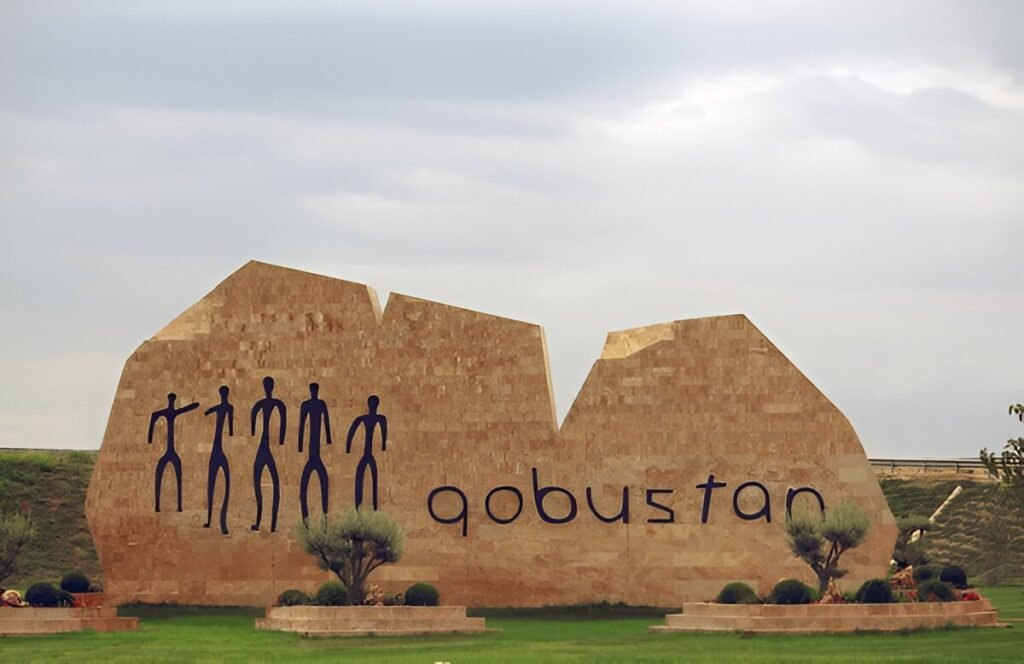
Located just 64 kilometers south of Baku, Azerbaijan, the Gobustan Rock Art Cultural Landscape stands as one of the most important and captivating historical sites in the country. Renowned for its ancient petroglyphs, this UNESCO World Heritage Site offers a fascinating glimpse into the lives of early human civilizations that inhabited the region thousands of years ago. The Gobustan petroglyphs—rock engravings depicting scenes of everyday life, hunting, rituals, and more—serve as one of the oldest forms of art and communication, providing insight into the spiritual, social, and cultural practices of prehistoric people.
In this article, we will delve into the history of Gobustan, the significance of its petroglyphs, the archaeological importance of the site, and why it continues to draw visitors and researchers alike from around the globe.
The Origins of Gobustan
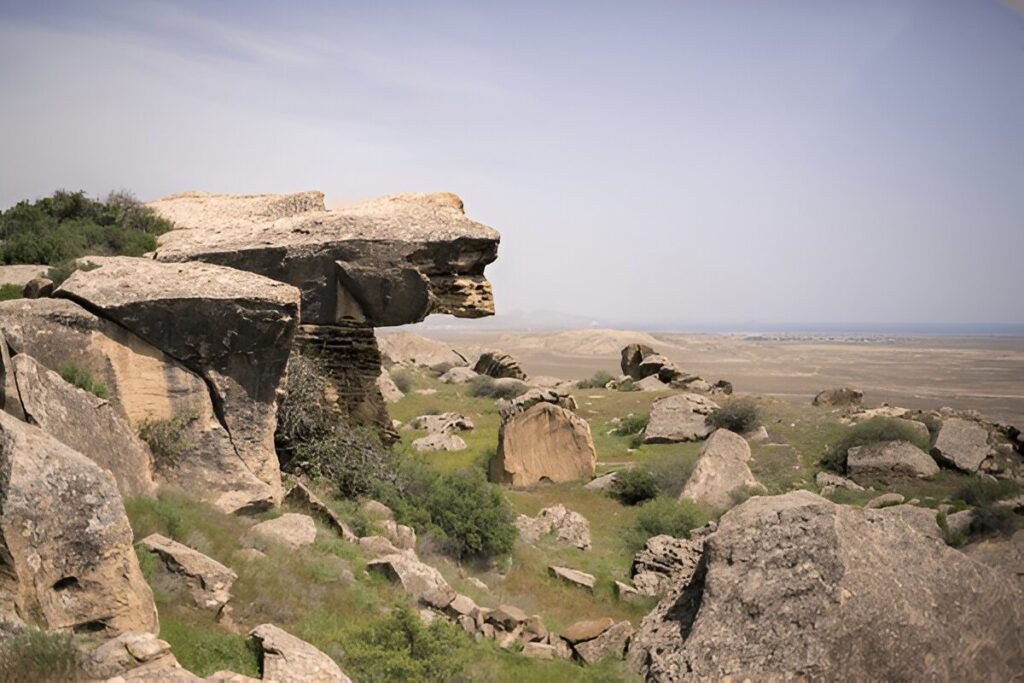
The Gobustan Rock Art is located in the Gobustan National Park—an area that has been inhabited by human civilizations since the Paleolithic period. The site itself, nestled in the Gobustan Plateau and surrounded by rocky hills and desert landscapes, was once home to early human settlements. This barren and arid environment might seem uninhabitable today, but over 5,000 years ago, Gobustan was part of a much different landscape—one that was rich in freshwater sources and wildlife, making it an ideal habitat for hunter-gatherer communities.
The Gobustan petroglyphs date back to the Upper Paleolithic (approximately 40,000 years ago) and extend through the Neolithic and Chalcolithic periods, continuing into the Bronze Age. Archaeological excavations in the area have uncovered evidence of prehistoric settlements, tools, and artifacts, shedding light on the lifestyles and customs of the ancient people who once called Gobustan home.
The Petroglyphs: A Window into Prehistoric Life
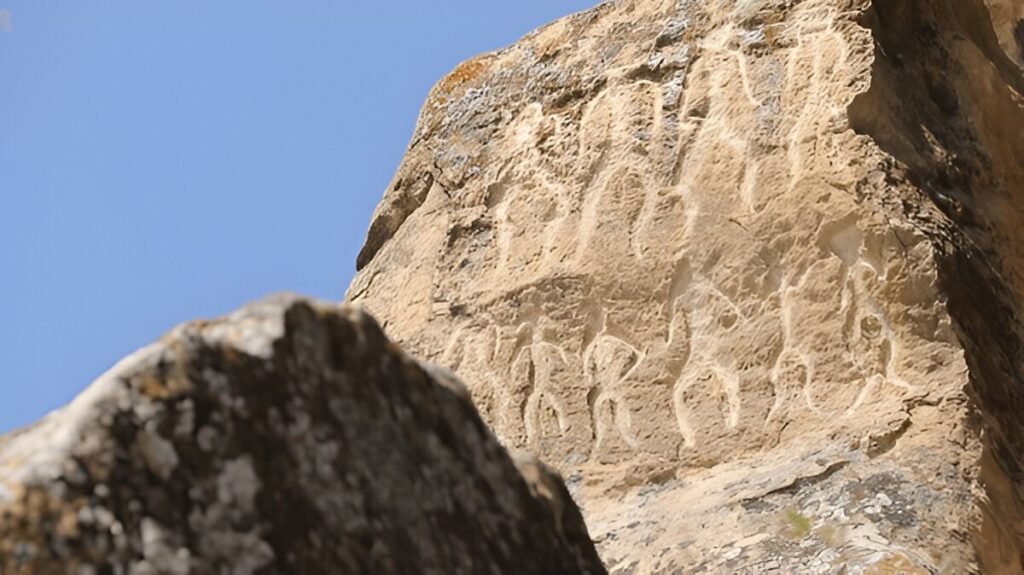
The most iconic feature of the Gobustan Rock Art is, of course, the petroglyphs themselves. Carved into the soft volcanic rock that is abundant in the region, these intricate images offer an invaluable record of the lives, beliefs, and activities of the ancient people of Azerbaijan. The petroglyphs depict a wide variety of scenes, including hunting, animal worship, ritualistic practices, and daily life, all of which provide insight into the cultural and social fabric of prehistoric societies.
Some of the petroglyphs feature hunting scenes, where human figures are shown engaged in activities such as chasing wild animals, using weapons, and hunting in groups. These depictions suggest the importance of hunting as a means of survival and a key aspect of the social structure of the time. The domestication of animals is also evident in many of the engravings, with scenes of cattle and sheep depicted alongside humans, reflecting the shift from hunting to pastoral life.
Other petroglyphs reveal ritualistic and spiritual practices, with images of shamanistic figures believed to be performing ceremonies related to fertility, the moon, or the sun. These figures are often shown in abstract poses, and many are accompanied by symbols that are difficult to interpret but are thought to represent spiritual or supernatural forces. It is clear from these representations that religion and spirituality played a significant role in the lives of these ancient people.
The Importance of Gobustan in Archaeology and History
Gobustan is more than just a collection of ancient artwork—it is a living museum that provides valuable information about early human societies. The petroglyphs found at Gobustan represent one of the most significant prehistoric art collections in the world, offering a unique perspective on the development of human culture and social structures.
The site is also a key archaeological resource, as it holds a wealth of material that helps researchers understand the evolution of early civilizations in the region. The petroglyphs provide clues about the early human relationship with nature, the development of artistic expression, and the ways in which prehistoric societies interacted with their environment. In particular, the Gobustan petroglyphs offer insights into the transition from a nomadic to a settled lifestyle, a shift that marked a turning point in the development of human civilization.
In addition to the rock art, the Gobustan archaeological complex includes numerous stone tools, pottery fragments, and skeletons, which have all contributed to the understanding of the region’s early inhabitants. These artifacts, discovered through extensive archaeological excavation, highlight the resourcefulness of the early people of Gobustan and their ability to adapt to the changing climate and landscape.
The UNESCO World Heritage Site: Protecting the Legacy
In recognition of its cultural and historical importance, the Gobustan Rock Art Cultural Landscape was designated as a UNESCO World Heritage Site in 2007. The site’s inclusion in the UNESCO list helps ensure that it is protected for future generations, allowing for continued research, preservation, and public education about the ancient petroglyphs and the broader archaeological landscape.
The site is also part of Azerbaijan’s effort to preserve its rich cultural heritage and to raise awareness about the significance of its prehistoric sites. In addition to its status as a UNESCO World Heritage Site, Gobustan is managed by the Gobustan National Historical and Artistic Reserve, which works to safeguard the rock art and ensure that the site remains accessible to visitors while preserving its integrity.
Visiting Gobustan: A Journey Through Time
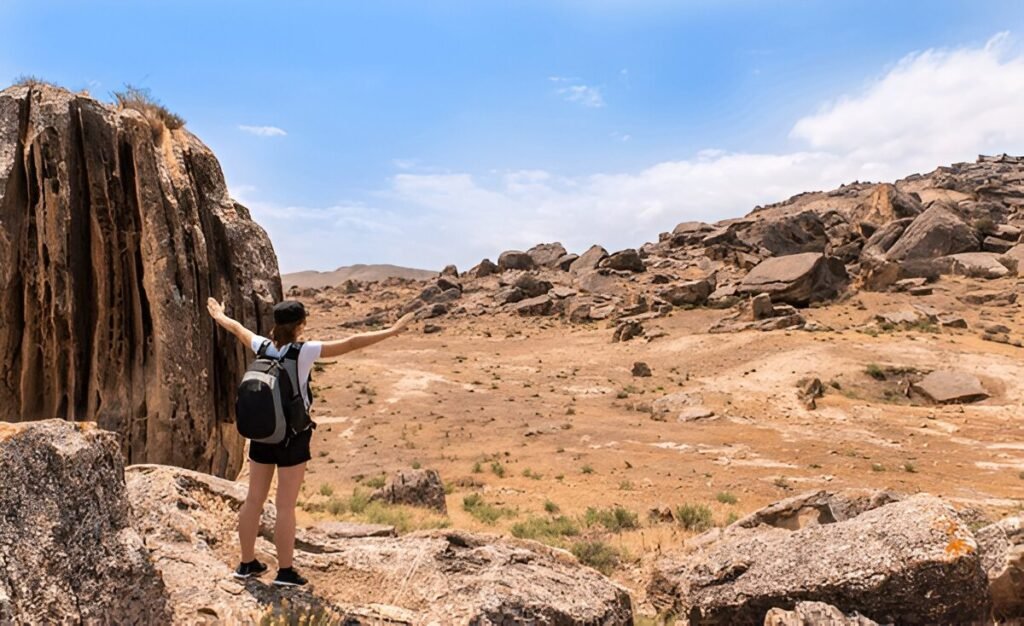
Today, Gobustan continues to attract visitors from around the world who come to witness its ancient rock art and experience the history of Azerbaijan’s earliest civilizations. The Gobustan Rock Art Museum, located at the entrance to the site, provides an informative and interactive experience for visitors. The museum features exhibits that explain the history of the petroglyphs, their significance, and the various theories about their meaning. Visitors can view photographs and replicas of the petroglyphs, along with displays of ancient tools and artifacts discovered at the site.
The museum also offers a guided tour of the petroglyph site, where trained guides explain the various scenes and symbols depicted on the rocks, offering insights into the prehistoric lifestyle of the region’s inhabitants. As visitors walk through the open-air gallery of rock carvings, they are able to view the petroglyphs up close and see firsthand the incredible craftsmanship of the ancient artists.
One of the highlights of a visit to Gobustan is the opportunity to explore the surrounding landscape, which is characterized by rugged hills, desert terrain, and sweeping views of the Caspian Sea. The landscape itself is part of the allure of the site, with its stark beauty and timeless atmosphere providing the perfect setting for the ancient rock art.
The Mystery of the Petroglyphs: Ongoing Research and Interpretations
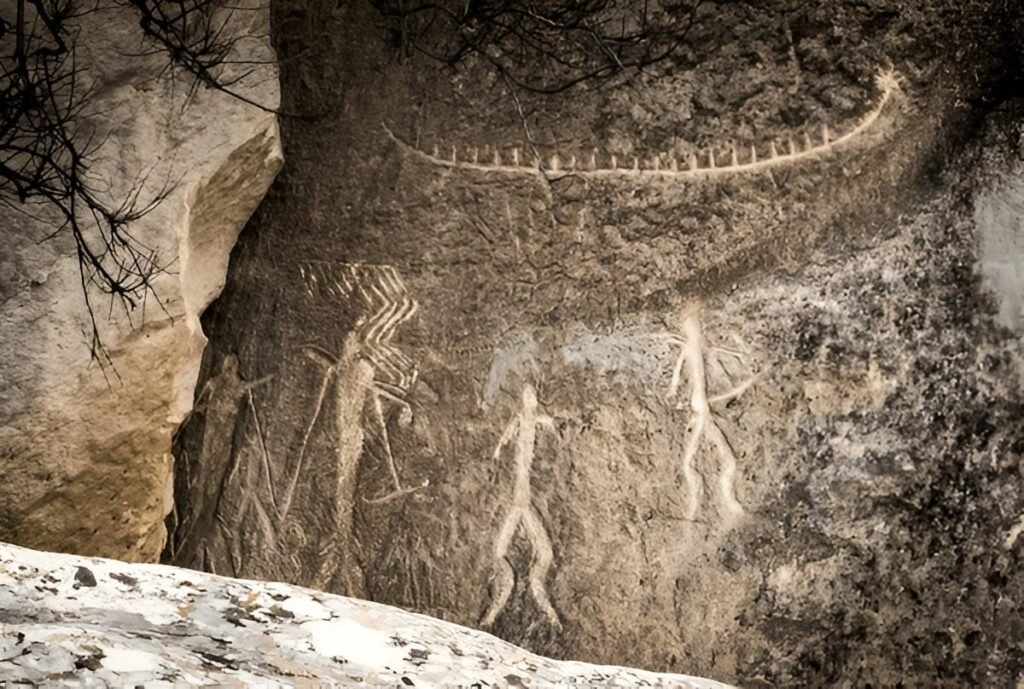
Despite years of research, many of the petroglyphs at Gobustan remain a mystery. Scholars continue to study the rock engravings, attempting to decipher the symbols and figures depicted in the petroglyphs. Some believe the petroglyphs represent shamanistic rituals, while others argue that they are a form of early communication or storytelling.
The interpretation of the petroglyphs is complex, and multiple theories exist regarding their meanings. What is clear, however, is that these ancient engravings were not merely decorative—they were created with intention and purpose, offering a unique window into the beliefs, rituals, and everyday lives of the prehistoric people who lived in this region.
As technology advances, new methods of research, such as digital imaging and 3D scanning, are being used to study the petroglyphs in greater detail. These innovative techniques are helping archaeologists uncover hidden details and gain new insights into the meaning behind the art.
Conclusion:
The Gobustan Rock Art is an awe-inspiring and invaluable cultural treasure that links modern-day Azerbaijan with its ancient past. The petroglyphs, with their intricate depictions of human life, rituals, and spirituality, serve as a testament to the creativity, resilience, and ingenuity of early human societies. They also remind us of the universal need for expression, connection, and understanding that has transcended millennia.
Visiting Gobustan is more than just a trip to see ancient artwork; it is an opportunity to connect with the earliest inhabitants of Azerbaijan and to step into a time long forgotten. The petroglyphs are not just stones etched with images—they are windows into the soul of a civilization that, like us, sought to make sense of the world around them and leave a legacy for future generations. Gobustan’s rock art offers an enduring reminder of the power of art and storytelling, and the timeless connection between humanity and the land we inhabit.