



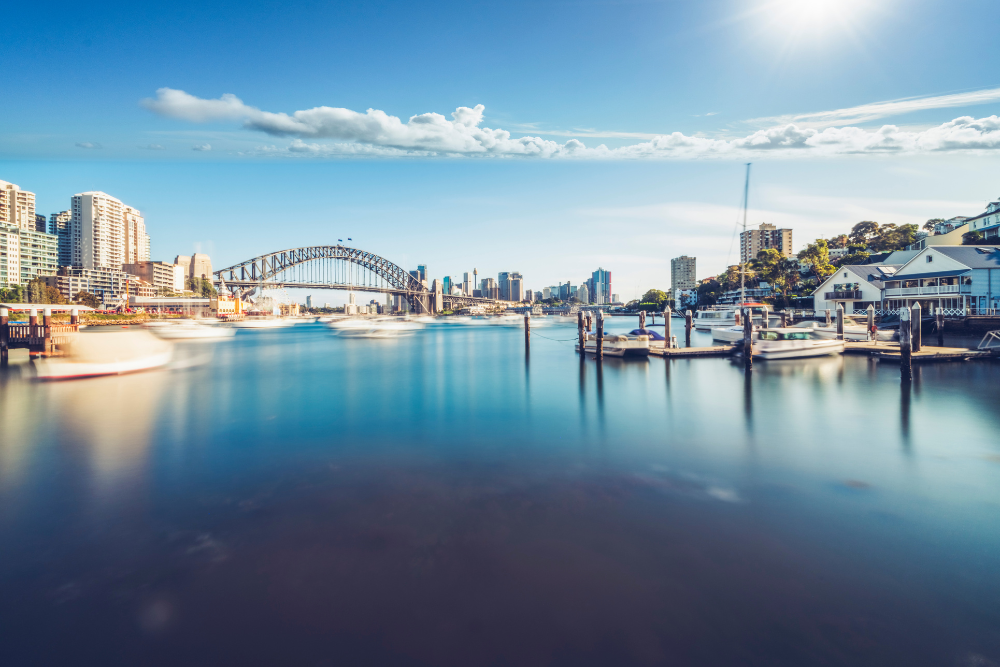
Australia is a land rich in cultural diversity, with a profound connection to its Indigenous peoples, who have inhabited the continent for over 65,000 years. Exploring Australia’s Indigenous culture and heritage sites offers travelers a unique opportunity to gain insight into the rich traditions, histories, and spiritual beliefs of Aboriginal and Torres Strait Islander communities. This guide will highlight some of the most significant Indigenous cultural experiences and heritage sites across Australia, ensuring a respectful and enriching visit.
1. Understanding Indigenous Cultures
Diversity of Cultures
Australia is home to over 250 Indigenous language groups, each with its own distinct cultural practices, stories, and traditions. The two primary groups are:
- Aboriginal Peoples: The original inhabitants of mainland Australia and Tasmania, who have diverse cultures across different regions.
- Torres Strait Islanders: Indigenous people from the islands situated between the northern tip of Queensland and Papua New Guinea, with their unique customs and languages.
Cultural Significance
Indigenous cultures are deeply connected to the land, with spiritual beliefs tied to the Dreamtime—an integral part of their lore that explains the creation of the world and its inhabitants. Understanding this cultural significance is essential for appreciating the sites and stories you’ll encounter.
2. Important Indigenous Heritage Sites
Uluru-Kata Tjuta National Park, Northern Territory
Significance: Uluru (Ayers Rock) is perhaps the most iconic symbol of Australia, sacred to the Anangu people. The park features stunning rock formations and is a UNESCO World Heritage Site.
What to Do:
- Guided Tours: Take a guided tour with an Anangu guide to learn about the cultural significance of Uluru and the surrounding landscape.
- Cultural Centre: Visit the Uluru-Kata Tjuta Cultural Centre to gain insights into Anangu culture, histo
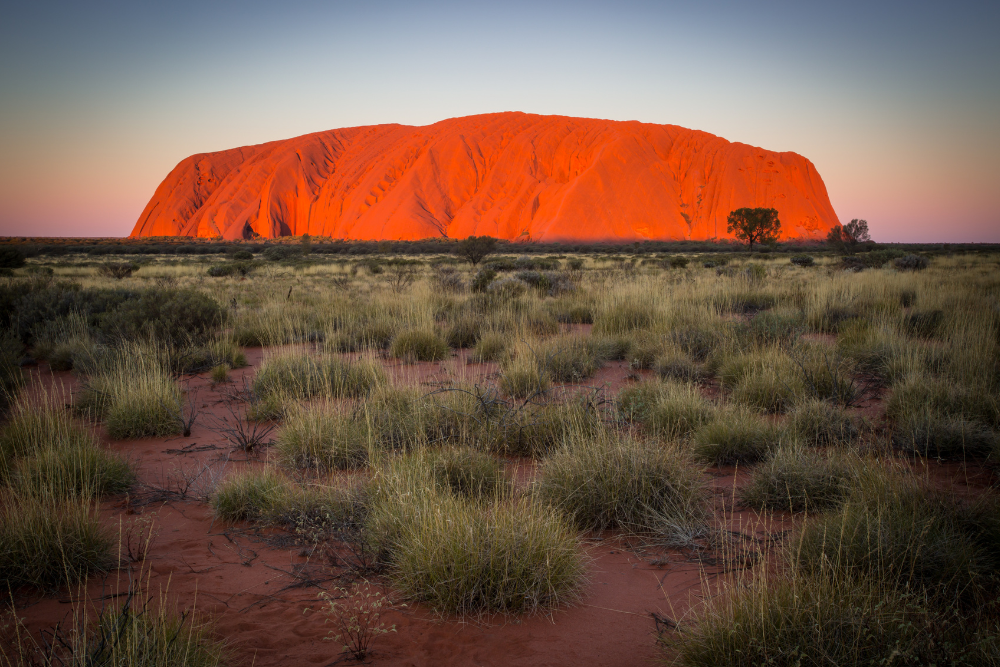 ry, and the natural environment.
Kakadu National Park, Northern Territory
Significance: Kakadu is a UNESCO World Heritage Site that showcases ancient rock art and diverse ecosystems. It is rich in cultural heritage, with Aboriginal people managing the land for thousands of years.
What to Do:
- Rock Art Sites: Explore the rock art galleries at Nourlangie and Ubirr, where you can see depictions of animals, people, and Dreamtime stories.
- Cultural Experiences: Join a guided tour with local Aboriginal rangers to learn about bush tucker, traditional crafts, and cultural practices.
Bunjilaka Aboriginal Cultural Centre, Victoria
Significance: Located within the Melbourne Museum, Bunjilaka celebrates Aboriginal culture and history in Victoria.
What to Do:
- Exhibitions: Discover the stories and art of the Kulin Nation and other Aboriginal communities through interactive exhibits.
- Workshops: Participate in workshops that teach traditional crafts like weaving or painting.
Daintree Rainforest, Queensland
Significance: The Daintree Rainforest is one of the oldest rainforests in the world, with significant cultural ties to the Kuku Yalanji people.
What to Do:
- Guided Walks: Take a guided walk through the rainforest with local Aboriginal guides to learn about traditional land management and bush tucker.
- Cultural Experiences: Engage in activities like traditional fishing and learning about the local flora and fauna.
The Dreamtime Cultural Centre, Queensland
Significance: Located in Brisbane, this cultural center is dedicated to sharing Indigenous stories and traditions.
What to Do:
- Live Performances: Enjoy traditional dance performances and storytelling sessions.
- Art Exhibitions: Explore artworks from local Indigenous artists and learn about their significance.
3. Indigenous Art and Music
Indigenous Art
Indigenous art is a vibrant expression of culture, often telling stories of the land, Dreamtime, and personal experiences. Key places to explore Indigenous art include:
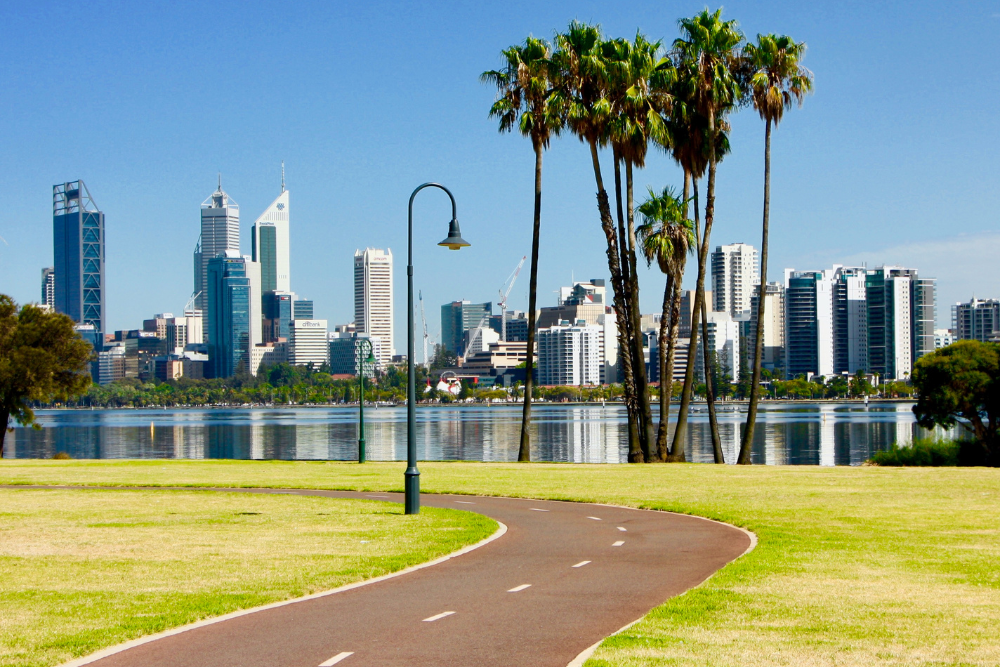
- Japingka Gallery, Perth: Showcases a wide range of Indigenous artworks from across Australia.
- Gallery of Modern Art (GOMA), Brisbane: Features exhibitions dedicated to contemporary Indigenous artists.
Music and Dance
Indigenous music and dance are integral to cultural expression. Attend performances at cultural centers or festivals to experience traditional songs, dances, and ceremonies. Look for events like:
- National Indigenous Music Awards (NIMA): Celebrating Indigenous musicians and artists.
- Corroboree Sydney: An annual festival showcasing Indigenous culture through performances and workshops.
4. Cultural Etiquette and Respect
When visiting Indigenous sites and engaging with Aboriginal and Torres Strait Islander cultures, it is essential to approach with respect and understanding. Here are some key etiquette tips:
- Ask for Permission: Always seek permission before taking photos, especially of sacred sites or ceremonies.
- Listen and Learn: Respect the knowledge and teachings of Indigenous guides. Be open to learning from their perspectives.
- Follow Guidelines: Adhere to any guidelines provided at cultural centers or heritage sites. This ensures that you contribute to the preservation of the culture and environment.
5. Indigenous Tourism: A Growing Industry
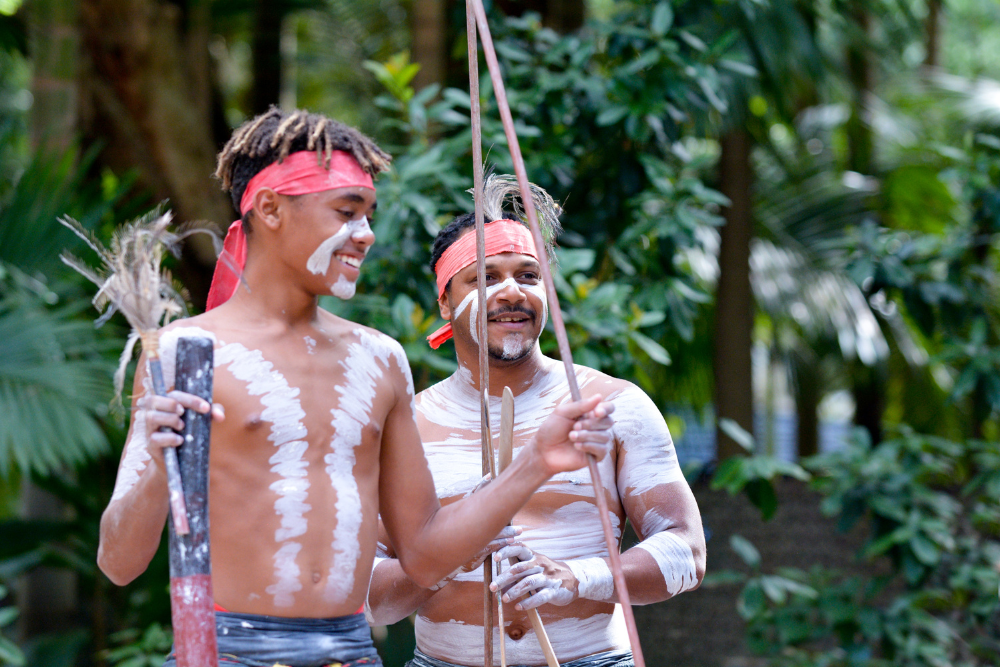
Indigenous tourism is an emerging sector that emphasizes cultural exchange and understanding. By participating in Indigenous-led tours and experiences, travelers can support local communities and contribute to cultural preservation. Here are some initiatives to consider:
- Indigenous Tours: Seek out tours operated by Indigenous people, such as Kuku Yalanji Eco Tours in Queensland or Mutawintji Eco Tours in New South Wales.
- Cultural Workshops: Engage in workshops that teach traditional crafts, cooking, or music.
6. Conclusion
Australia’s Indigenous culture is a treasure trove of history, spirituality, and artistry. By exploring the heritage sites and engaging with local communities, travelers can gain a deeper understanding of the rich tapestry that makes up Australia. Respectful engagement and cultural appreciation will not only enhance your travel experience but also support the ongoing efforts of Indigenous communities to share their stories and preserve their heritage.