




Discover how Japan blends tradition and innovation to preserve its cultural heritage in the modern era. Explore the methods and initiatives that help keep Japan’s history alive for future generations.
Introduction:
Japan, a country known for its rich cultural heritage, faces the challenge of preserving its traditional practices and historical sites amidst rapid modernization. As technology and urbanization continue to shape the country, Japan has adopted innovative methods to safeguard its cultural legacy while adapting to the demands of the modern world. In this blog, we will explore how Japan preserves its cultural heritage in the modern era, blending old and new to ensure that traditions continue to thrive for generations to come.
1. Government Efforts in Cultural Preservation
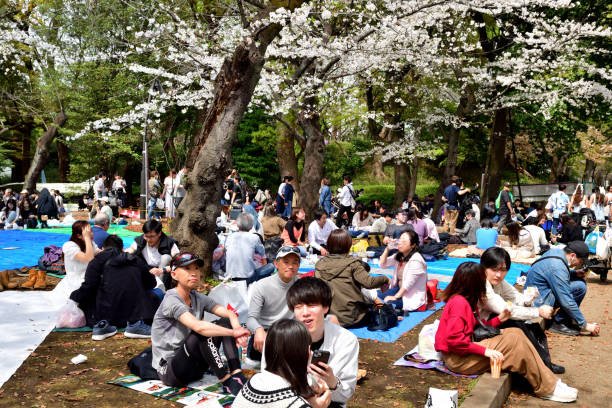
The Japanese government plays a crucial role in preserving the nation’s cultural heritage through legislation and dedicated programs. The “Cultural Property Protection Law,” enacted in 1950, aims to protect national treasures, including historical sites, art, and intangible cultural heritage. Under this law, cultural properties are designated as either “Important Cultural Properties” or “National Treasures,” offering them legal protection. In addition to the preservation of physical sites, the government also promotes the safeguarding of intangible elements, such as traditional festivals, crafts, and performing arts, ensuring that Japan’s heritage is kept alive in multiple forms.
2. The Role of UNESCO World Heritage Sites
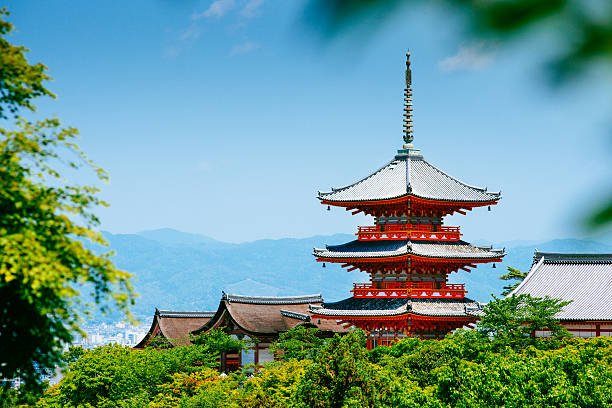
Japan’s commitment to preserving its cultural heritage is further exemplified by its numerous UNESCO World Heritage Sites. These include iconic locations such as Kyoto’s historic temples, the Sacred Sites and Pilgrimage Routes in the Kii Mountain Range, and the ancient village of Shirakawa-go. Being designated as a UNESCO World Heritage Site not only protects these landmarks but also brings global awareness to their significance. By maintaining these sites and sharing their cultural importance with the world, Japan helps preserve its history for future generations while fostering international appreciation.

3. Integration of Traditional Arts in Modern Life
Japan has managed to integrate its traditional arts into modern life, ensuring their survival and relevance in today’s society. For example, traditional crafts like pottery, calligraphy, and kimono-making continue to be practiced, with artisans passing down their skills to new generations. The government supports these arts through grants, workshops, and exhibitions, encouraging young people to take an interest in their cultural heritage. Additionally, many contemporary artists and designers incorporate traditional Japanese elements into modern art, fashion, and architecture, creating a fusion of past and present that keeps Japan’s cultural identity strong.
4. Preservation of Language and Literature
The Japanese language, with its rich literary traditions, is another essential part of Japan’s cultural heritage. The preservation of the language is supported through education, with Japanese language courses and literature classes being mandatory in schools. Classic works of Japanese literature, such as those by renowned authors like Natsume Soseki and Yukio Mishima, are studied by students across the country. In addition, Japan’s strong publishing industry ensures that traditional stories, folklore, and historical accounts are accessible to both local and international readers, keeping Japan’s literary history alive and vibrant.
5. Technological Innovations in Cultural Preservation
In the modern era, technology has become a key tool in preserving Japan’s cultural heritage. Virtual reality (VR) and 3D scanning are increasingly being used to digitally document and reconstruct historical sites, artifacts, and artworks. These technologies allow for the creation of virtual museums and online exhibits, making Japan’s cultural heritage more accessible to people around the world. Additionally, digital archiving ensures that traditional music, theater, and dance performances are preserved for future generations, even as the physical forms of these practices evolve. By leveraging technology, Japan can safeguard its cultural legacy in ways that were once unimaginable.
Conclusion:
Japan’s ability to preserve its cultural heritage in the modern era is a testament to the country’s commitment to both tradition and innovation. Through government policies, UNESCO recognition, the continuation of traditional arts, and the integration of technology, Japan ensures that its rich history and culture remain relevant and accessible to future generations. As the world changes, Japan continues to blend its past with the present, maintaining a delicate balance between preserving its heritage and embracing the future. This commitment to cultural preservation not only enriches Japan’s identity but also offers the world a glimpse into the timeless beauty of its traditions.