




Few experiences capture the beauty and serenity of Japan like a traditional tea ceremony beneath cherry blossoms. This unique cultural ritual, deeply rooted in Japanese history, becomes even more enchanting when performed outdoors under a canopy of delicate pink sakura. The combination of tea, tranquility, and natural beauty offers an unforgettable way to appreciate Japan’s spring season.
In this guide, we’ll explore the significance of the tea ceremony, the best places to experience it under cherry blossoms, how to participate, and tips for making the most of this once-in-a-lifetime opportunity.
1. The Significance of the Tea Ceremony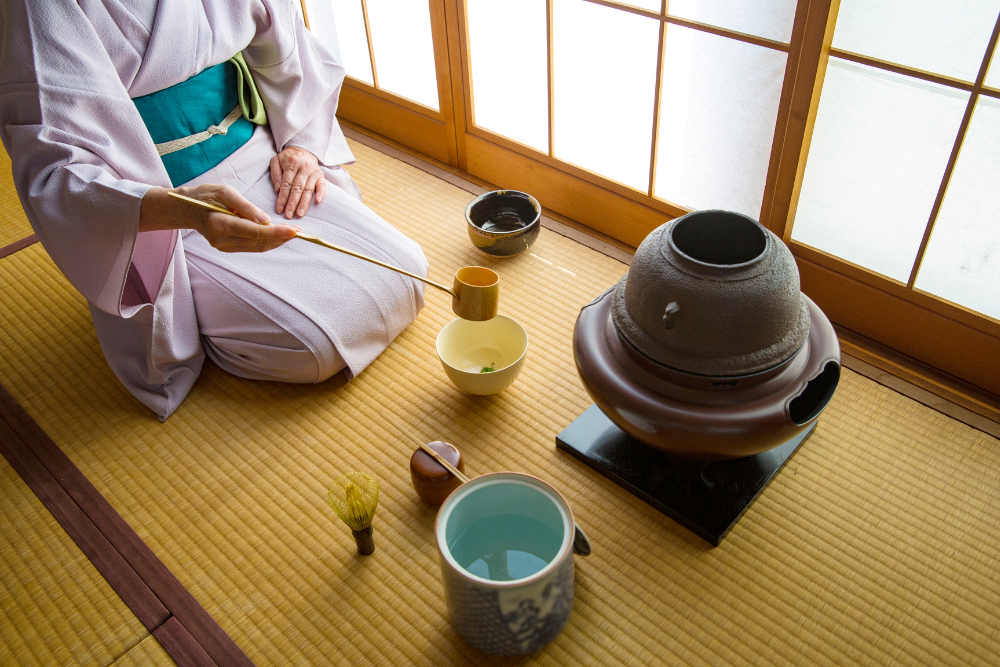
The Japanese tea ceremony, or chanoyu (茶の湯), is more than just drinking tea—it is a carefully choreographed practice that embodies harmony, respect, purity, and tranquility (wa, kei, sei, jaku). Originating from Zen Buddhism, the ceremony is a form of moving meditation, allowing participants to appreciate simplicity, mindfulness, and nature.
When held outdoors during cherry blossom season, the tea ceremony takes on an even deeper meaning, celebrating the transient beauty of life (mono no aware), much like the fleeting sakura blossoms themselves.
2. Best Places to Experience a Tea Ceremony Under Cherry Blossoms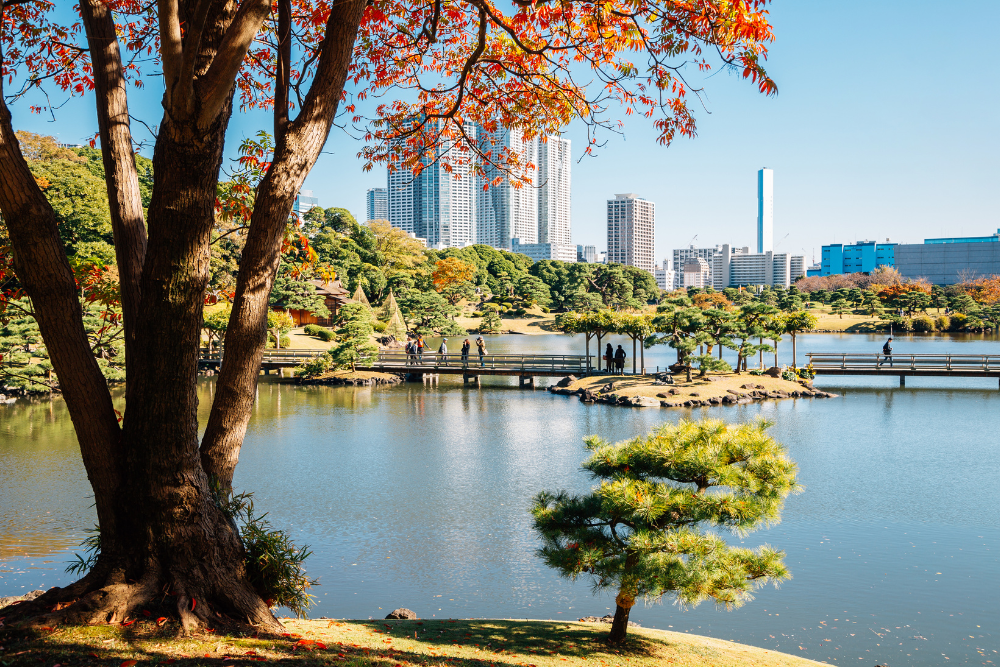
Tokyo
- Hamarikyu Gardens: Offers seasonal tea ceremonies in a beautifully landscaped Edo-period garden surrounded by sakura.
- Shinjuku Gyoen: Home to a traditional tea house where you can enjoy matcha while viewing cherry blossoms in full bloom.
Kyoto
- Maruyama Park: Kyoto’s most famous cherry blossom park often hosts open-air tea gatherings.
- Kodaiji Temple: A scenic spot where Zen aesthetics meet traditional tea culture under weeping cherry trees.
Nara
- Isuien Garden: A historic Japanese garden that offers an authentic tea ceremony with a stunning sakura backdrop.
Kanazawa
- Kenrokuen Garden: One of Japan’s top three gardens, where tea ceremonies are held seasonally under blooming cherry trees.
Hokkaido
- Maruyama Park (Sapporo): A later-blooming destination where travelers can enjoy a traditional tea ceremony in early May.
3. How to Participate in a Tea Ceremony Under Sakura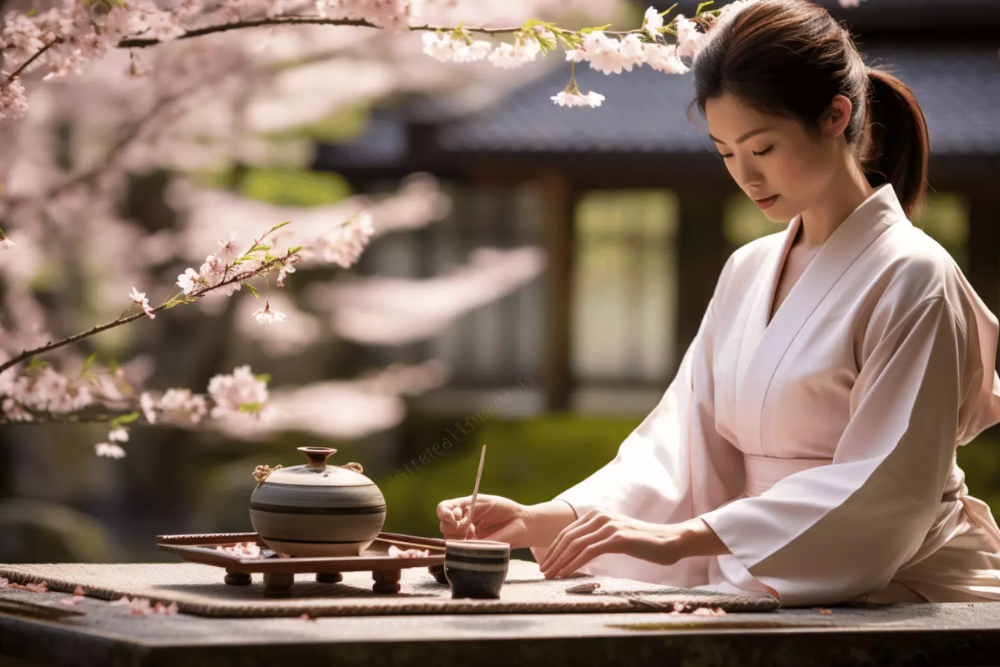
1. Choose the Right Type of Ceremony
There are different styles of tea ceremonies, ranging from short, casual experiences to highly formal multi-course rituals. Common options include:
- Casual Tea Ceremony (薄茶, Usucha): A simple and accessible experience where guests drink a single bowl of whisked matcha.
- Formal Tea Ceremony (濃茶, Koicha): A more elaborate event with thick matcha, multiple courses, and a deeper focus on etiquette.
2. Dress Appropriately
While casual clothing is acceptable for many tea ceremonies, some traditional events encourage guests to wear kimono or yukata for an immersive experience. Comfortable clothing is recommended, as you may need to sit in a formal seiza position on tatami mats.
3. Follow Proper Tea Etiquette
- Bowing: Show respect by bowing upon entering the tea area.
- Cleansing Rituals: The host may provide a bowl of water for symbolic hand cleansing.
- Tea Drinking: Turn the bowl slightly before sipping to avoid drinking from the front, showing appreciation to the host.
- Sweets First: Traditional wagashi sweets are served before tea to balance the bitterness of matcha.
4. Embrace the Moment
The tea ceremony is about mindfulness and presence. Appreciate the aesthetics of the setting, the aroma of matcha, and the fleeting beauty of cherry blossoms.
4. DIY Tea Ceremony Under Cherry Blossoms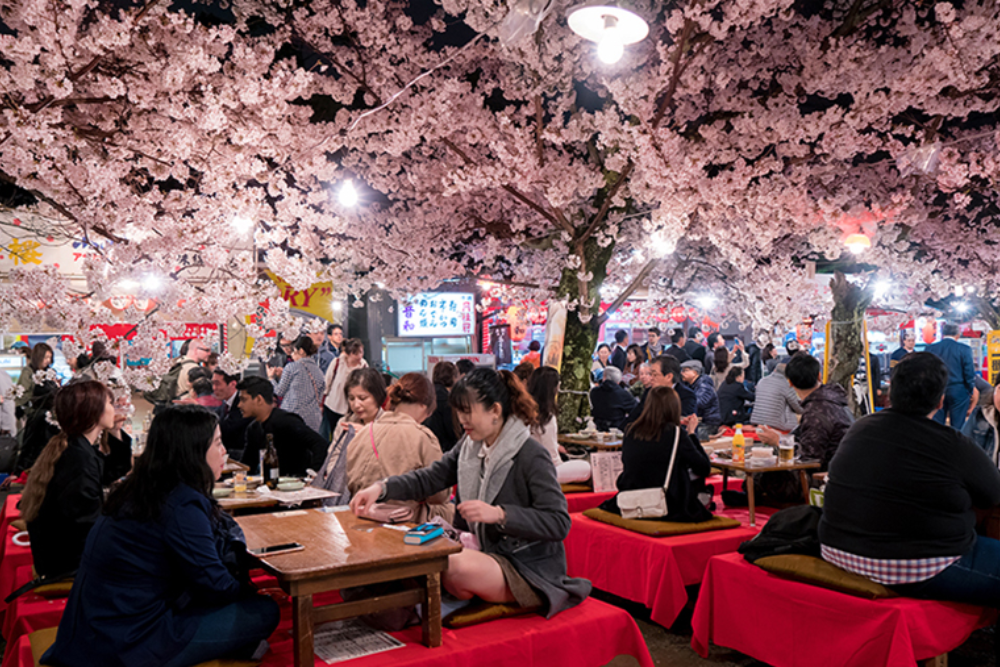
If you cannot attend an official tea ceremony, consider creating your own hanami (flower viewing) tea experience:
- Bring a thermos of matcha and traditional Japanese sweets (wagashi).
- Find a peaceful sakura park where you can sit on a picnic mat and enjoy the view.
- Practice simple tea-making steps—whisk matcha with hot water using a bamboo whisk (chasen).
- Observe nature and enjoy the moment with a slow, meditative approach.
Conclusion
Experiencing a traditional tea ceremony under cherry blossoms is a poetic and unforgettable way to celebrate Japan’s spring season. Whether you join a formal gathering in a historic garden or create your own tranquil tea moment beneath the sakura, this ritual allows you to connect deeply with Japanese culture, nature, and mindfulness.
Plan ahead, embrace the beauty of simplicity, and let the harmony of tea and cherry blossoms create a lasting memory.