




Explore Japan’s unique and vibrant costume culture. From traditional attire like kimono to modern cosplay, discover the significance and evolution of Japan’s fashion traditions.
Introduction:
Japan is renowned for its exceptional costume culture, where tradition and innovation seamlessly blend. From the graceful elegance of the kimono to the vibrant world of cosplay, Japan’s costume culture is a reflection of its rich history, art, and creativity. Costumes are not only an essential part of Japanese identity but also a form of expression, both in everyday life and in festivals or pop culture. In this blog, we will explore the various facets of Japan’s costume culture and how it has evolved over time.

1. The Timeless Elegance of the Kimono
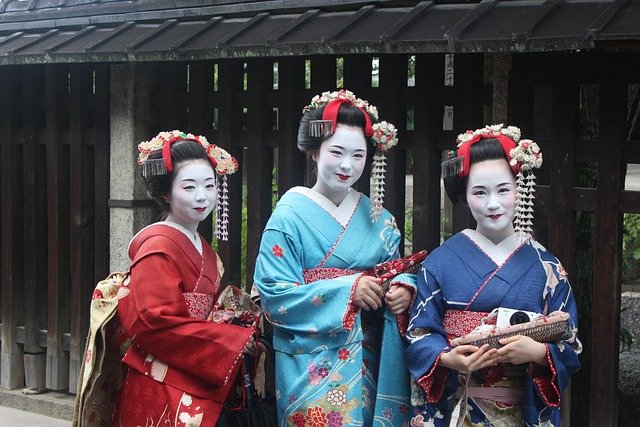
The kimono is arguably the most iconic traditional costume in Japan, representing grace, tradition, and cultural identity. Made from silk, the kimono features intricate designs and is worn on special occasions such as weddings, tea ceremonies, and festivals. Its structure and style can vary depending on the season, occasion, and the wearer’s status. The art of wearing a kimono involves careful attention to detail, from the right fabric choice to the arrangement of accessories like obis (belts) and obidome (decorative clips), making it a true representation of Japanese craftsmanship and elegance.
2. Yukata: A Lighter, Summer Alternative
The yukata is a lighter, more casual version of the kimono, typically worn during the summer months or at festivals such as the Obon Festival or fireworks displays. Unlike the formal kimono, the yukata is made from cotton and is more relaxed, offering comfort while maintaining its traditional charm. The bright, bold patterns often reflect nature, with designs ranging from floral motifs to waves and cranes. The yukata allows for personal expression, as many people select styles that reflect their taste while maintaining the timeless appeal of Japanese fashion.
3. The Rise of Cosplay in Japanese Culture
Cosplay, short for “costume play,” is a modern phenomenon that has become an integral part of Japanese costume culture. Originating in the 1980s, cosplay involves people dressing up as characters from manga, anime, video games, or even popular Western movies. Cosplayers often attend conventions, where they showcase their elaborate costumes and immerse themselves in the worlds of their favorite characters. The creativity and craftsmanship behind cosplay costumes are impressive, with fans creating highly detailed and accurate outfits, often spending months on their designs. Cosplay has transcended Japan’s borders, influencing global pop culture and fashion.
4. Fashion-Forward Japanese Street Style
Beyond traditional attire, Japan is home to a dynamic and influential street fashion culture. Areas like Harajuku in Tokyo are known for their bold, eclectic, and often avant-garde fashion choices. Styles such as Lolita fashion, Visual Kei, and Gyaru have made waves both domestically and internationally, with young people expressing their individuality through clothing. Each style has its own set of rules and aesthetics, whether it’s the doll-like frills of Lolita fashion or the rebellious, edgy look of Gyaru. Japanese street style is a testament to Japan’s ability to blend creativity, subculture, and global trends.
5. Costumes as Cultural Expression
Costumes in Japan are not merely about appearance—they are deeply tied to cultural expression and symbolism. Whether it’s the ceremonial kimono representing grace and respect or a cosplay outfit that brings fandoms to life, Japanese costumes reflect aspects of society, tradition, and personal identity. Festivals like the Gion Matsuri in Kyoto, where people dress in colorful, historic costumes, or the Awa Odori dance festival, where participants wear yukata and dance to traditional music, showcase how costumes are an integral part of cultural celebrations.

Conclusion:
Japan’s costume culture is a beautiful mix of tradition and modernity, where ancient practices like wearing a kimono coexist with the vibrant world of cosplay and innovative street fashion. Whether through traditional attire or creative subcultures, costumes in Japan offer a window into the country’s rich cultural heritage and its ever-evolving sense of self-expression. From the elegance of the kimono to the creativity of cosplay, Japan’s costume culture remains a dynamic and influential aspect of both its past and present.