


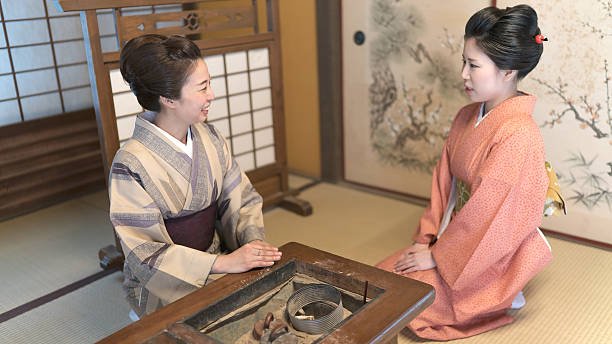

Japan, is a country which is based on its ancient ethos, culture and traditions. It is rightly referred to as a collectivist country and is amazingly beautiful in every aspect. The wonderful and unique experience that one gets in Japan, is marvelous and serene. Japan is rightly referred to as: The heaven on Earth. It should be visited once, in a lifetime!
Introduction:
Japan, which is a collectivist society is popular for its warmth and hospitality. It is referred to as one of the best locations in the world. It is famous for its world class inns and hotels which serve the tourist with the best food, wines and drinks. It is rightly referred to as one of the best destinations in the world.
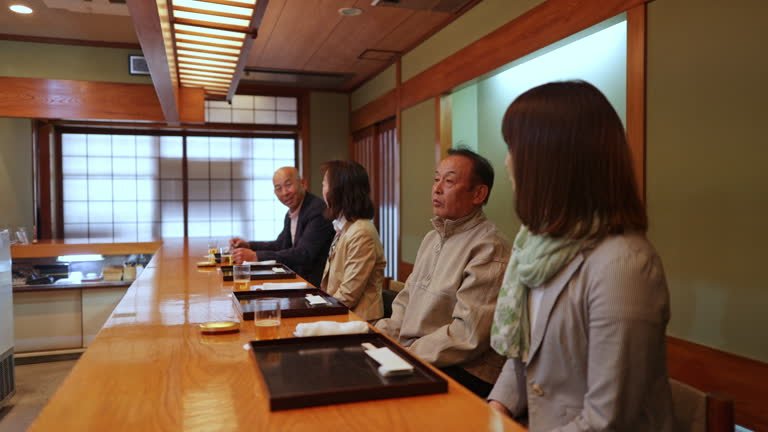
Here, are some features of “Collectivist Japan”:
1. Group Harmony (Wa)
Harmony, or “wa,” is a fundamental value in Japanese culture. Maintaining peaceful and cooperative relationships within groups is highly prioritized. This is evident in the workplace, schools, and even social interactions, where individuals strive to avoid conflict and uphold group consensus.
Examples:
- Consensus-based decision-making in organizations.
- Emphasis on polite communication to avoid offending others.
2. Strong Sense of Community
In Japan, communities often come together to support each other, especially during times of crisis. This strong sense of community fosters resilience and collective responsibility.
Examples:
- Neighborhood associations that organize events and mutual aid.
- Volunteers mobilizing quickly during natural disasters.
3. Importance of Etiquette and Manners
Japanese culture places great emphasis on etiquette as a way to show respect for others. Social norms and rituals ensure smooth interactions and contribute to group harmony.
Examples:
- Bowing as a sign of respect.
- Observing silence or low voices in public spaces like trains.
4. Teamwork in Education and Workplaces
From a young age, Japanese people are taught the importance of teamwork. Schools encourage group activities, and companies often prioritize collective success over individual achievements.
Examples:
- School cleaning duties shared among students.
- Corporate culture that rewards group efforts.

5. Festivals and Traditions
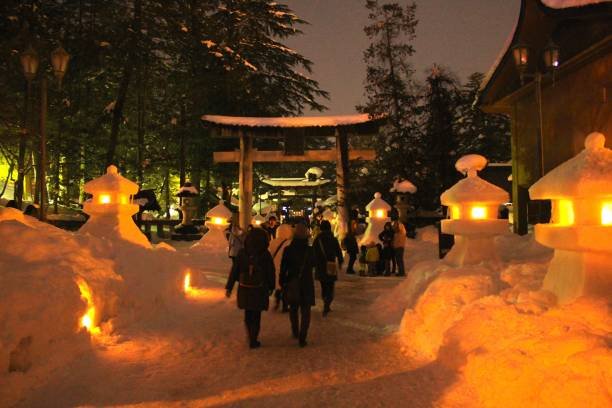
Japanese festivals and traditions are often community-centered, bringing people together to celebrate cultural heritage and shared values.
Examples:
- Matsuri (traditional festivals) where locals collaborate to organize events.
- Tea ceremonies emphasizing collective appreciation of art and culture.
Japan’s collectivist values create a society that emphasizes togetherness, cooperation, and shared responsibility. These principles not only ensure societal harmony but also make Japan a unique and inspiring country to experience. Whether through their customs, work ethic, or community spirit, the Japanese demonstrate the profound beauty of living collectively.
Conclusion:
Japan, is rightly referred to as a collectivist country. It has a very good hospitality sector. Its society is based on the ideas of collectivism, brotherhood and harmony. Japan is rightly the best country in the world that harnesses team spirit and team work. Cooperatives in Japan, are wonderful and are a huge success. This quality of Japan, should be admired once in a lifetime!