


Introduction
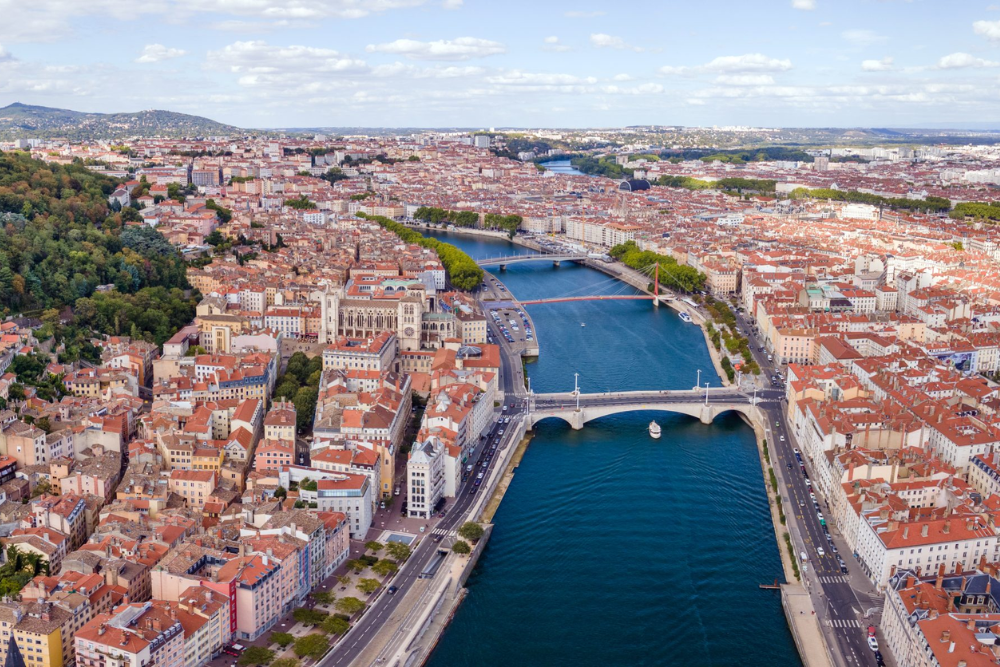
Lyon is a lively and generally rich city situated in the east-focal piece of France, settled between the Rhone and Saone waterways. Frequently alluded to as the “capital of gastronomy,” Lyon is famous for its outstanding culinary legacy, which is praised across its innumerable customary “bouchons” (nearby eateries). The city’s set of experiences traces all the way back to Roman times, and its very much safeguarded Old Town (Vieux Lyon) is an UNESCO World Legacy site, highlighting middle age and Renaissance design.
Traboules (Stowed away Ways)
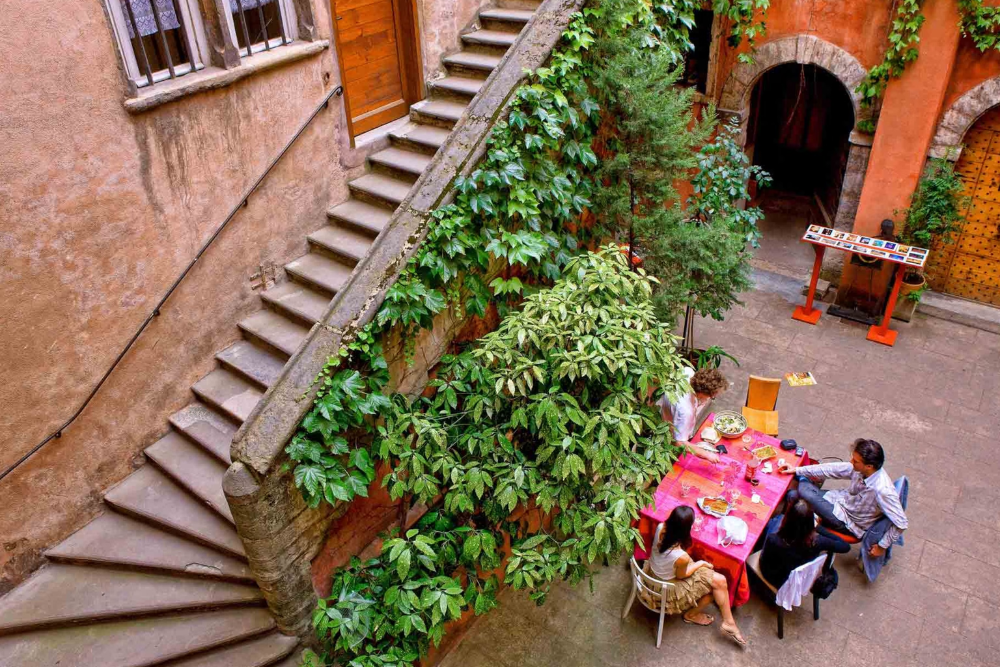
- Lyon is popular for its traboules, secret ways that associate structures and patios, basically in the Old Town (Vieux Lyon). These limited, labyrinth like ways date back to the Renaissance and were involved by silk laborers and during the Opposition in The Second Great War. Finding these unexpected, yet invaluable treasures offers a remarkable method for investigating the city’s rich history.
The Basilica of Notre-Lady de Fourviere
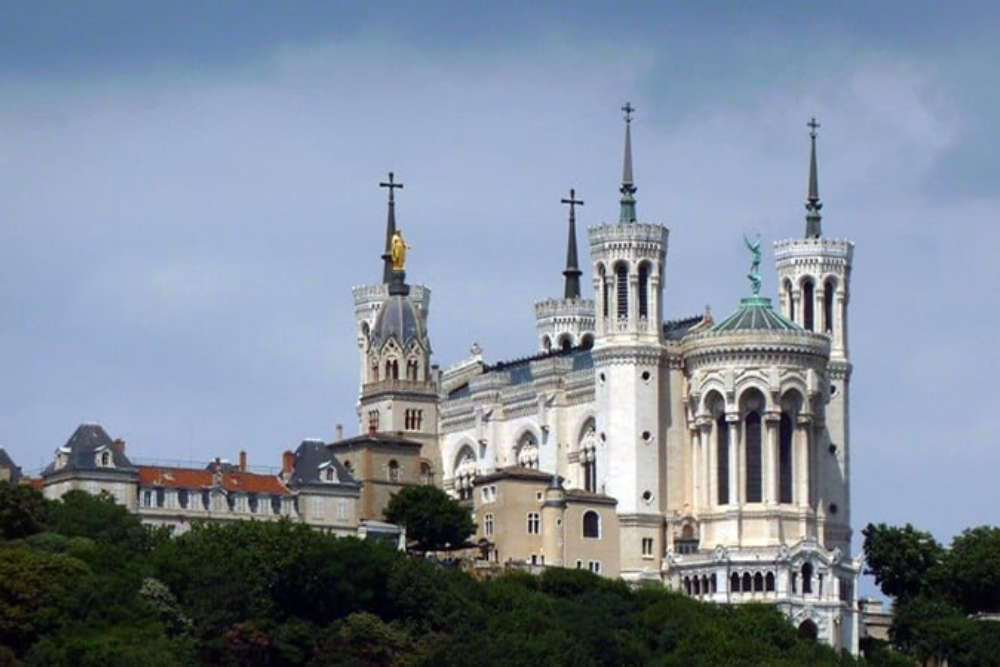
- For stunning perspectives on Lyon, leave up to the Basilica of Notre-Lady de Fourviere, roosted on a slope sitting above the city. The actual walk is a grand experience, and once at the top, you can investigate the shocking basilica and appreciate all encompassing perspectives on the whole city, the Rhône, and Saone waterways, as well as the encompassing scenes.
Kayaking or Paddleboarding on the Rhône and Saone Waterways
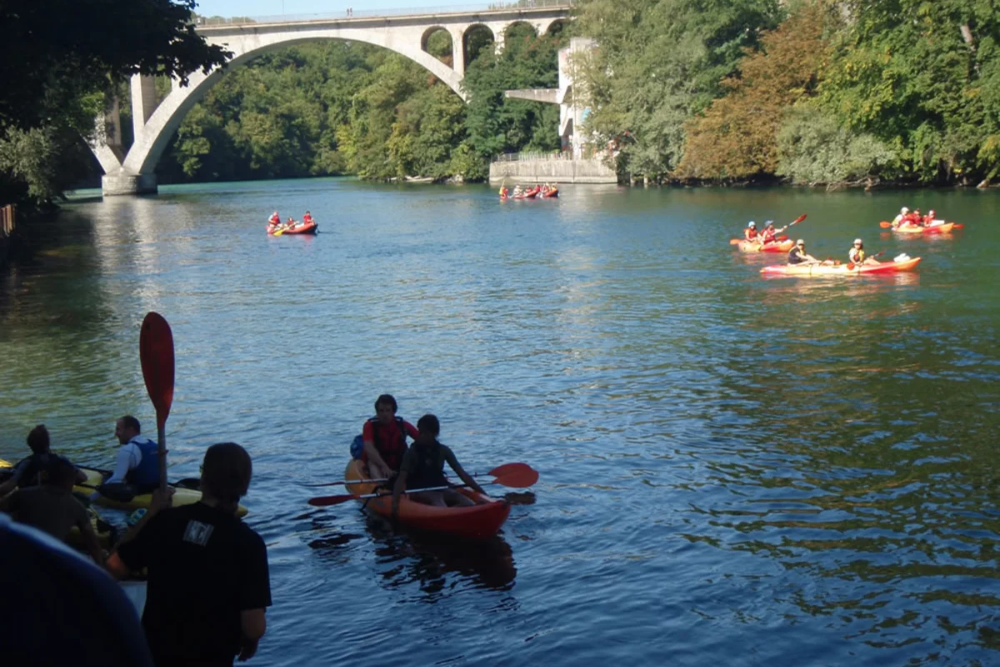
- Experience Lyon according to an alternate point of view by kayaking or paddleboarding on the Rhone or Saone streams. A few organizations offer rentals and directed visits along these picturesque streams, permitting you to see the city’s milestones from the water while partaking in the tranquil mood of the riverside.
Parc de la Tete d’Or (Lake Exercises and Natural life)
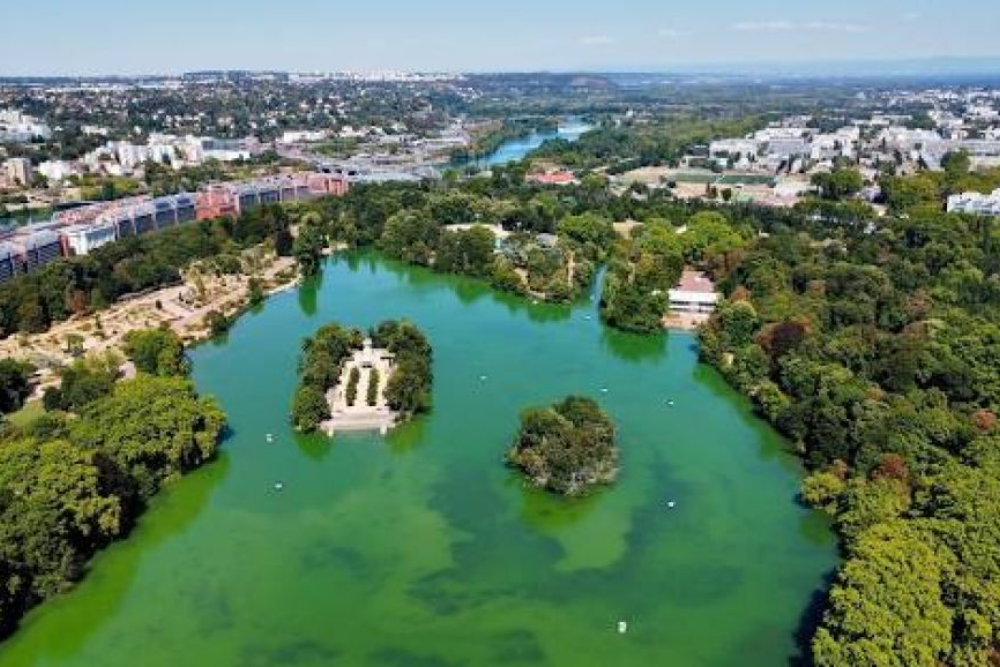
- Parc de la Tete d’Or is perhaps of France’s biggest metropolitan park, offering a wide assortment of exercises. You can lease a dinghy or pedal boat on the recreation area’s enormous lake, investigate the greenhouse, or cycle around the recreation area’s broad paths. The recreation area likewise houses a zoo, where you can detect an assortment of untamed life, making it an ideal spot for a brave day outside.
Sight-seeing Balloon Ride Over Lyon
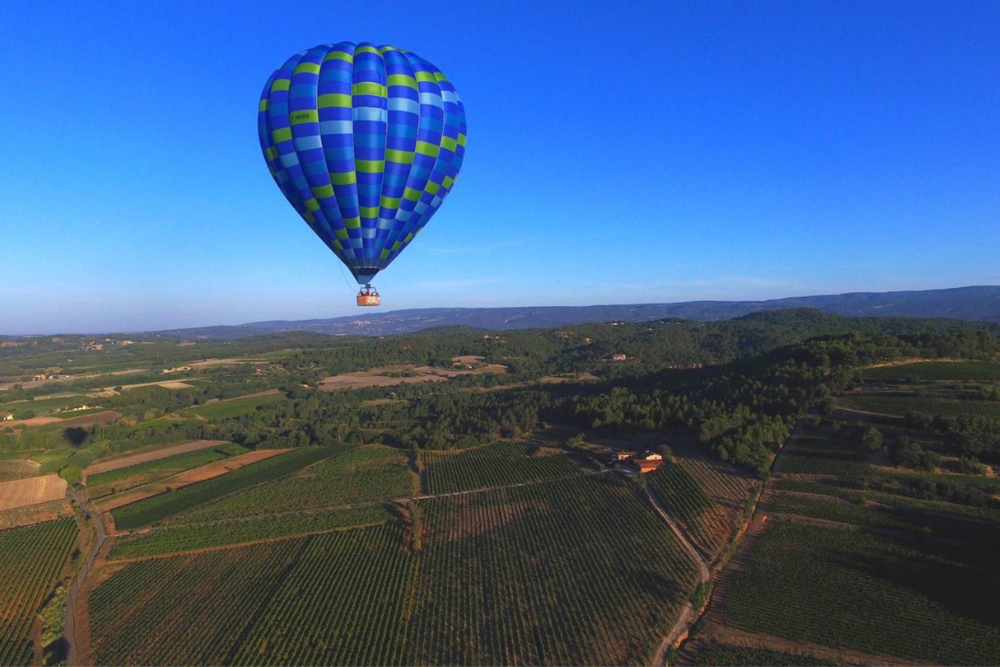
- For a really remarkable experience, take a tourist balloon ride over Lyon and the encompassing open country. This exceptional experience offers a higher perspective of the city, its beautiful streams, and the far off Alps. It’s a quiet yet thrilling method for taking in Lyon’s magnificence from a higher place.
Basilica of Notre-Woman de Fourviere
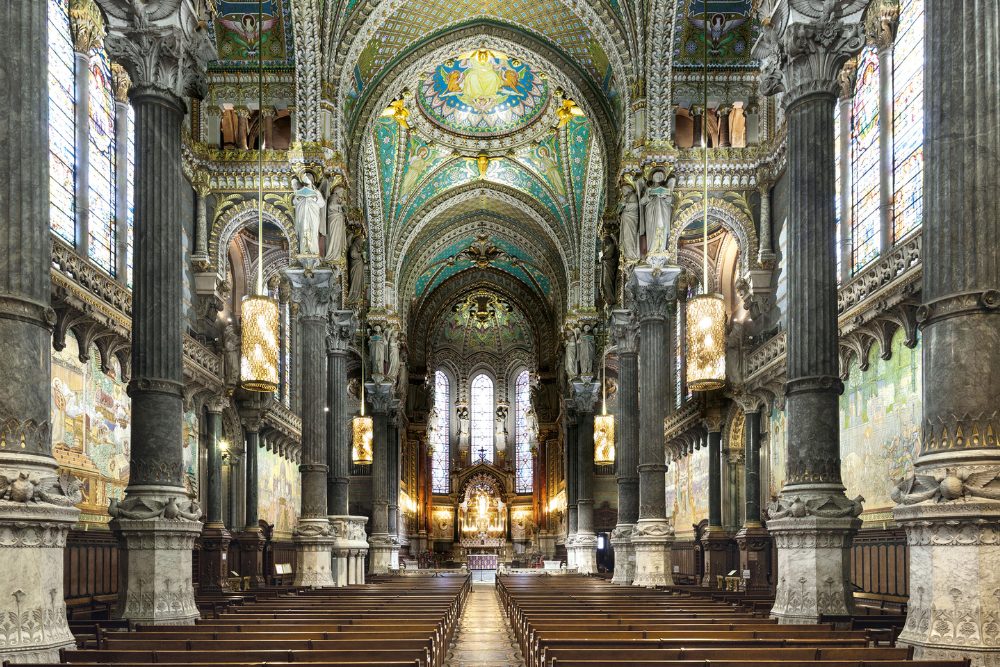
- Roosted on the Fourviere Slope, the Basilica of Notre-Woman de Fourviere is quite possibly of Lyon’s most notorious milestone. Its noteworthy design, staggering mosaics, and all encompassing perspectives on the city make it a must-visit. You can either climb up to the basilica or take the funicular for an all the more relaxed rising. Try not to pass up on the opportunity to visit the inside and partake in the broad vistas from the patio.
Vieux Lyon (Old Lyon)
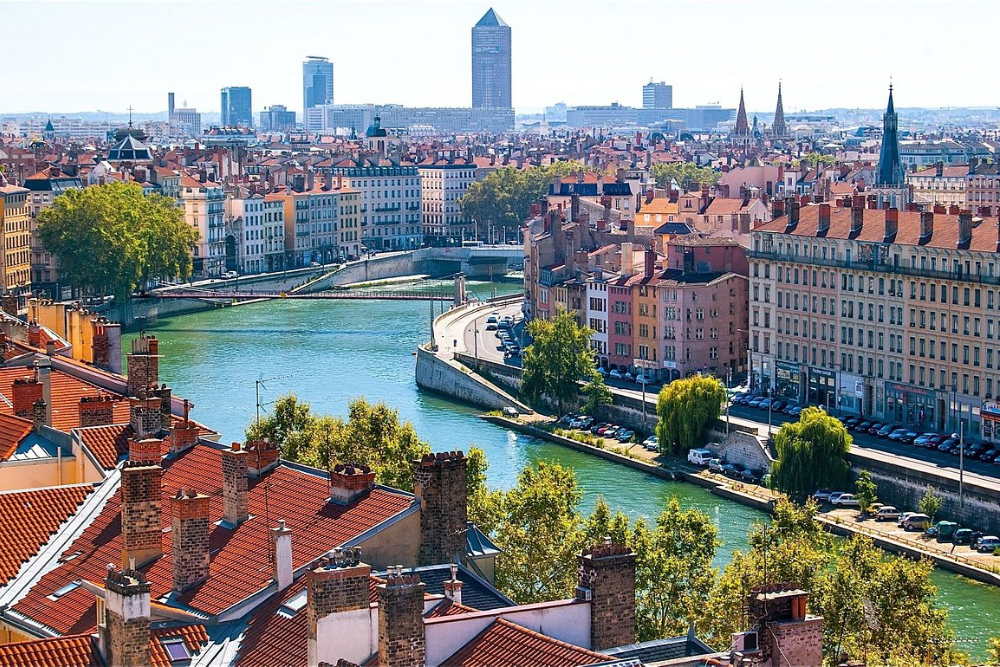
- Vieux Lyon is the memorable heart of the city, an UNESCO World Legacy site with cobblestone roads, Renaissance structures, and beguiling squares. Meander through its pleasant traboules (stowed away ways), find curious bistros, and investigate the lovely St. Jean Church building. It’s a spot to step back in time and submerge yourself in Lyon’s rich history.
Parc de la Tete d’Or
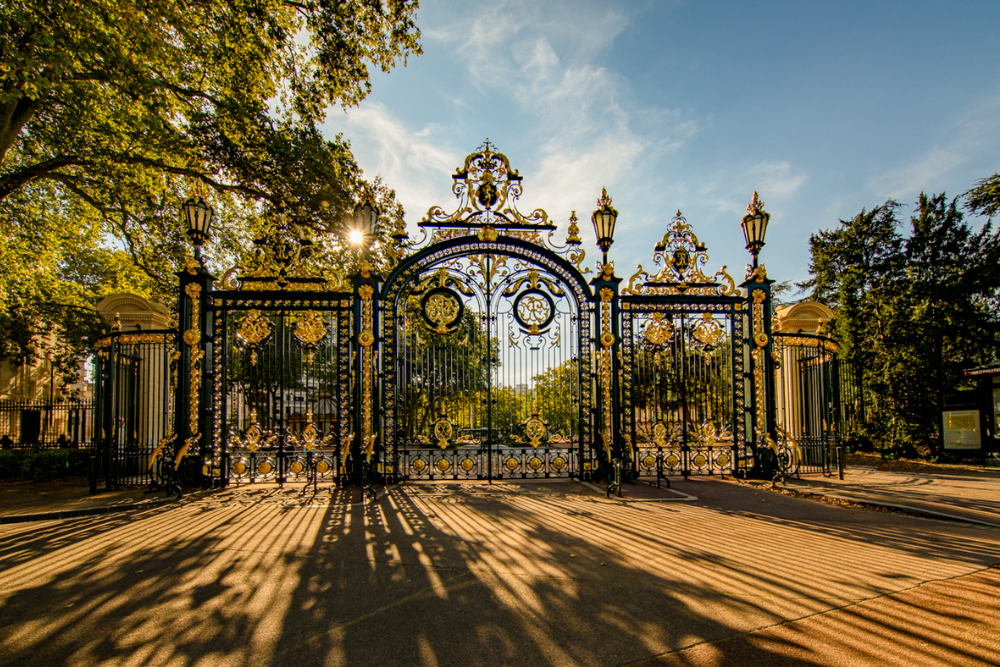
- Known as perhaps of the most lovely metropolitan park in France, Parc de la Tete d’Or is a tranquil green desert spring in the city. It includes a huge lake where you can lease boats, rich gardens, a greenhouse, and, surprisingly, a free zoo. It’s the ideal spot to unwind, go for a walk, or appreciate different open air exercises.
Lyon’s Historical center of Expressive arts (Musee des Beaux-Expressions de Lyon)
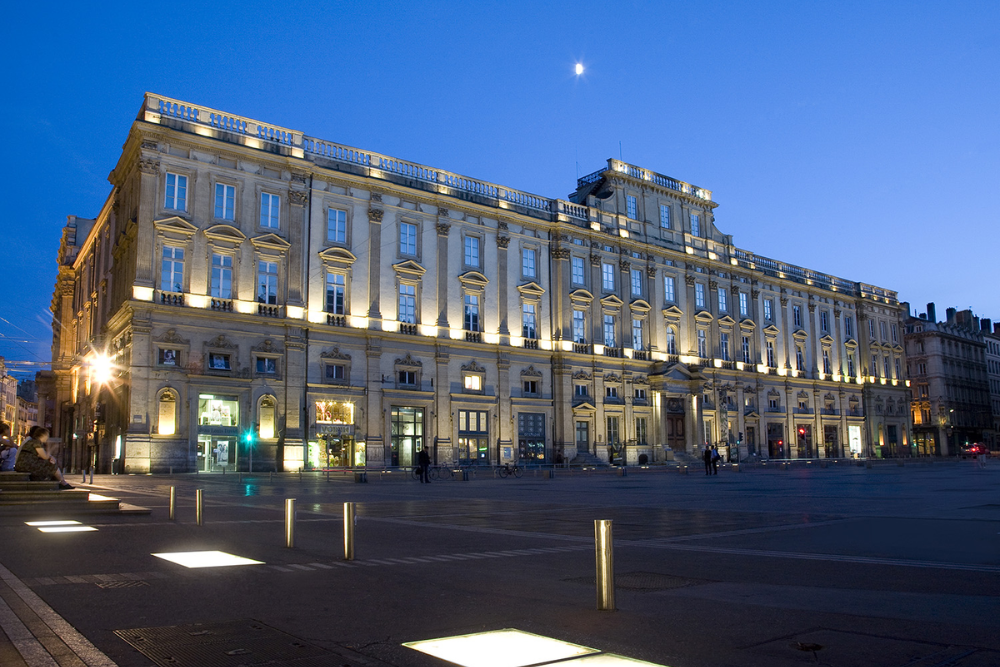
- Situated in a previous Benedictine religious community, this historical center is one of the biggest and most significant in France. It brags a tremendous assortment craftsmanship traversing from old Egypt to contemporary works. With show-stoppers from prestigious craftsmen like Rembrandt, Monet, and Picasso, it’s a social gold mine for workmanship sweethearts.
Dos and Don’ts in Lyon
Dos
Do Attempt Neighborhood Cooking: Lyon is known as the gastronomic capital of France, so try to test conventional dishes like quenelles, salade lyonnaise, and bouchons (neighborhood eateries). Try not to pass up on the chance to encounter Lyon’s food culture!
Do Welcome Individuals Appropriately: In France, good tidings are significant. While meeting somebody, it’s standard to welcome with a pleasant “Bonjour” (Great day) or “Bonsoir” (Great night) and a handshake or a cheek kiss in the event that you knew about the individual (regularly a few kisses).
Do Utilize Public Vehicle: Lyon has a productive public transportation framework, including transports, cable cars, and the metro. It’s a helpful method for getting around the city. The funicular to Fourviere is likewise a famous and grand method for arriving at the basilica and peak sees.
Don’ts
Don’t Tip Unnecessarily: While tipping is valued in France, it isn’t as standard or as high as in a few different nations like the U.S. A tip of around 5-10% is adequate, however it’s not normal for easygoing feasting or espresso. Administration charges are regularly remembered for your eatery bill.
Don’t Rush Feasts: Eating in France is in many cases a sluggish, social experience, especially in Lyon. Try not to race through feasts — partake in the food, enjoy each course, and take part in discussion. It’s standard to wait and partake in the organization of those you’re feasting with.
Don’t Speak Boisterously Openly: The French, especially in urban communities like Lyon, will more often than not esteem tact and tranquility in broad daylight spaces. Abstain from talking too noisily, particularly in calm settings, for example, bistros, public vehicle, or holy places.
Best time to reach in Lyon
The best opportunity to visit Lyon to a great extent relies upon what sort of involvement you’re chasing, yet by and large, the best times are throughout the spring (April to June) and fall (September to October).
1. Spring (April to June)
- Spring in Lyon is gentle and lovely, with temperatures going from 12°C to 20°C (54°F to 68°F). The weather conditions is ideal for investigating the city’s parks, strolling through Vieux Lyon (Old Lyon), or taking a boat ride along the Rhône and Saone streams.
- Spring is an incredible opportunity to encounter Lyon’s outside exercises, like visiting Parc de la Tete d’Or or investigating the city’s secret ways, the traboules.
2. Fall (September to October)
- Fall in Lyon is likewise very gentle, with temperatures going from 14°C to 22°C (57°F to 72°F). The weather conditions is still adequately warm to appreciate outside touring, however without the mid year swarms.
- It’s an incredible opportunity to partake in Lyon’s many stops and gardens, as they show the wonderful shades of pre-winter. The city’s riverside walkways are likewise especially picturesque.
3. Summer (July to August)
- Summer can be blistering in Lyon, with temperatures frequently coming to up to 30°C (86°F) or higher. In any case, the city is exceptional for sweltering climate, with numerous open air bistros and concealed parks.
- Summer offers a scope of celebrations, including the Nuits de Fourvière (a social celebration with shows, theater, and film held in an old Roman theater) and different outdoors exhibitions.
4. Winter (November to Spring)
- Winters in Lyon are generally cold, with temperatures averaging between 2°C to 8°C (36°F to 46°F). While snow is uncommon, it can at times cause the city to feel enchanted.
- Fete des Lumières, the Celebration of Lights, is a one of a kind feature, ordinarily held in December, which changes the city into a stunning scene of light establishments.