


Introduction
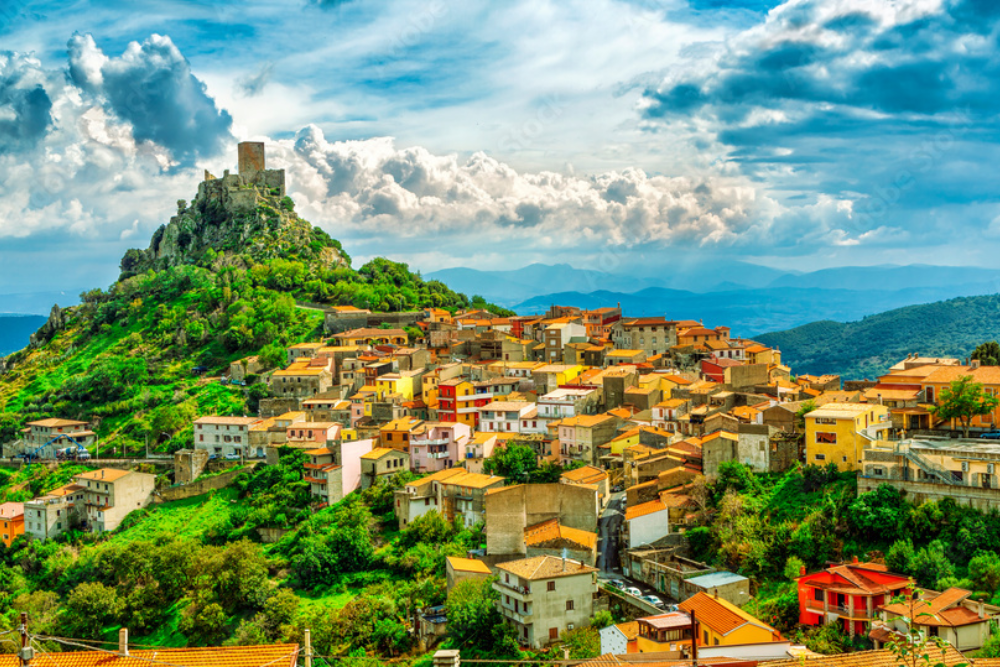
Burgos is a notable city in northern Spain, known for its rich social and compositional legacy. Established in the ninth 100 years, it assumed a critical part in middle age Spain and was once the capital of the Realm of Castile. Its most renowned milestone is the Burgos Church, an UNESCO World Legacy Site and one of Spain’s most shocking instances of Gothic engineering. The city is likewise known for its relationship with El Cid, an unbelievable Spanish knight. Burgos offers a mix of history, craftsmanship, and nearby gastronomy, with pleasant roads and conventional Castilian engage.
Burgos Cathedral
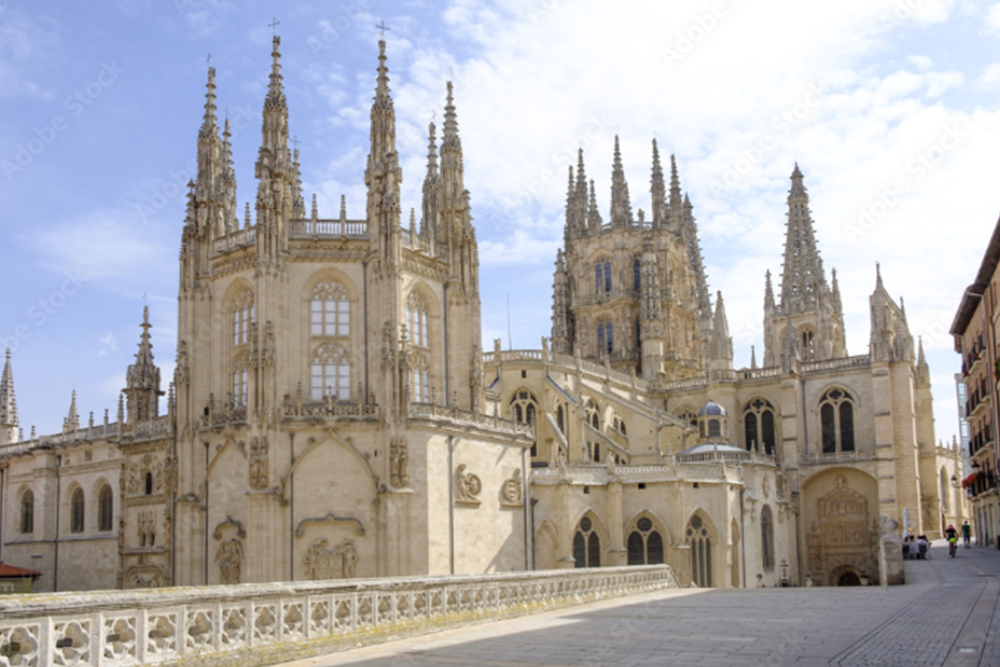
- Without a doubt the crown gem of the city, Burgos Basilica is an UNESCO World Legacy Site and quite possibly of the most momentous Gothic house of prayer in Europe. Development started in the thirteenth 100 years, and it flaunts unpredictable towers, point by point carvings, and sublime stained-glass windows. The loftiness of the outside is matched by the extravagance of the inside, which includes the burial chamber of El Cid, Spain’s popular archaic knight, and his significant other, Doña Jimena. Investigating its houses of prayer, altarpieces, and groups is an excursion through hundreds of years of Spanish strict workmanship and engineering.
Monastery of Las Huelgas
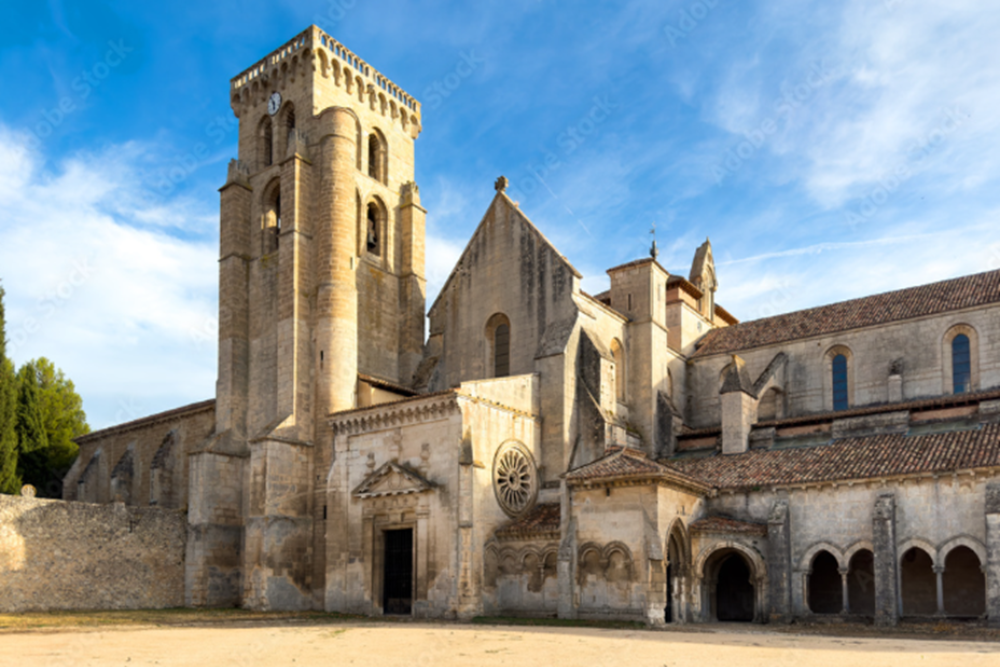
- This imperial Cistercian cloister, established in the late twelfth hundred years, is one more verifiable wonder in Burgos. It was laid out by Ruler Alfonso VIII and his better half, Sovereign Eleanor, and filled in as both a strict and political force to be reckoned with in middle age Spain. The cloister incorporates a congregation, a regal pantheon, and an exhibition hall with interesting materials from the medieval times. The serene air and Gothic engineering make it a must-visit for those keen on Spain’s devout history.
Museum of Human Evolution (Museo de la Evolucion Humana)
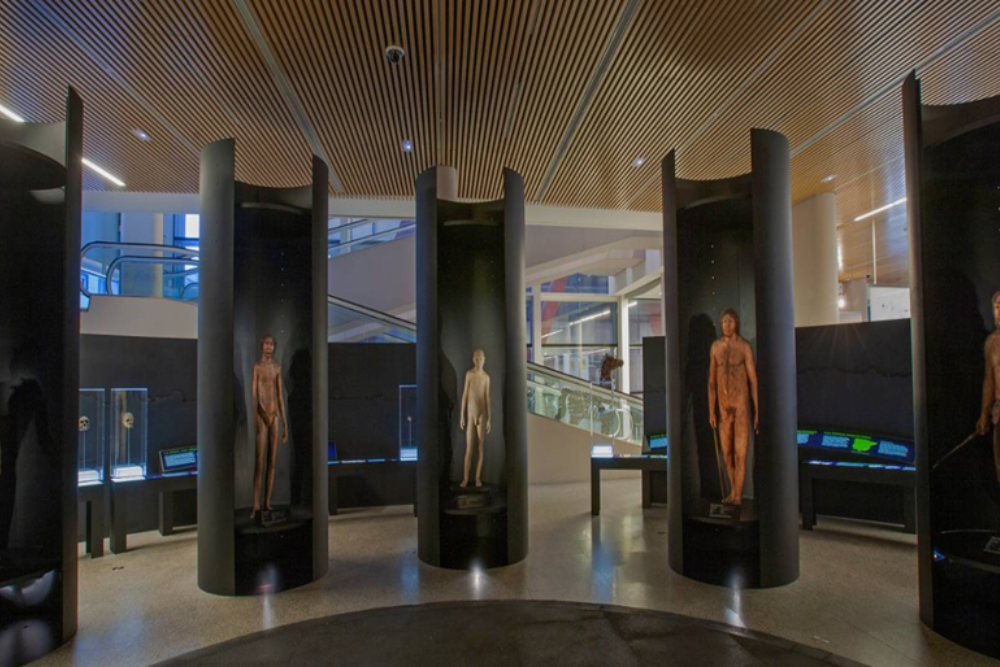
- Situated in the core of Burgos, this advanced exhibition hall features the ancient discoveries from the close by Atapuerca archeological site, which contains probably the earliest known human remaining parts in Europe. The historical center gives intuitive shows on human development, including life-size models and antiquated instruments. It’s an instructive and outwardly dazzling experience, making it ideal for families and history buffs the same.
Castle of Burgos (Castillo de Burgos)
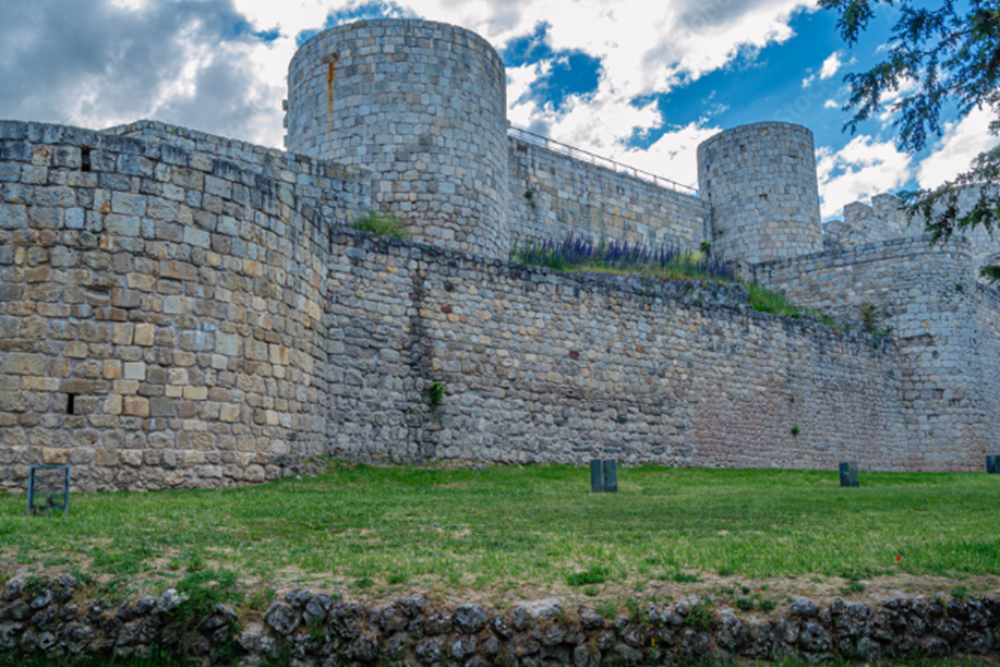
- Roosted on a slope sitting above the city, the Palace of Burgos offers verifiable experiences as well as all-encompassing perspectives on the city and encompassing scenes. While the actual palace has been generally in ruins since the Napoleonic Conflicts, the site stays a key fascination. Guests can investigate the underground passages, find out about the palace’s tactical history, and partake in the tranquil environmental elements.
Paseo Del Espolon
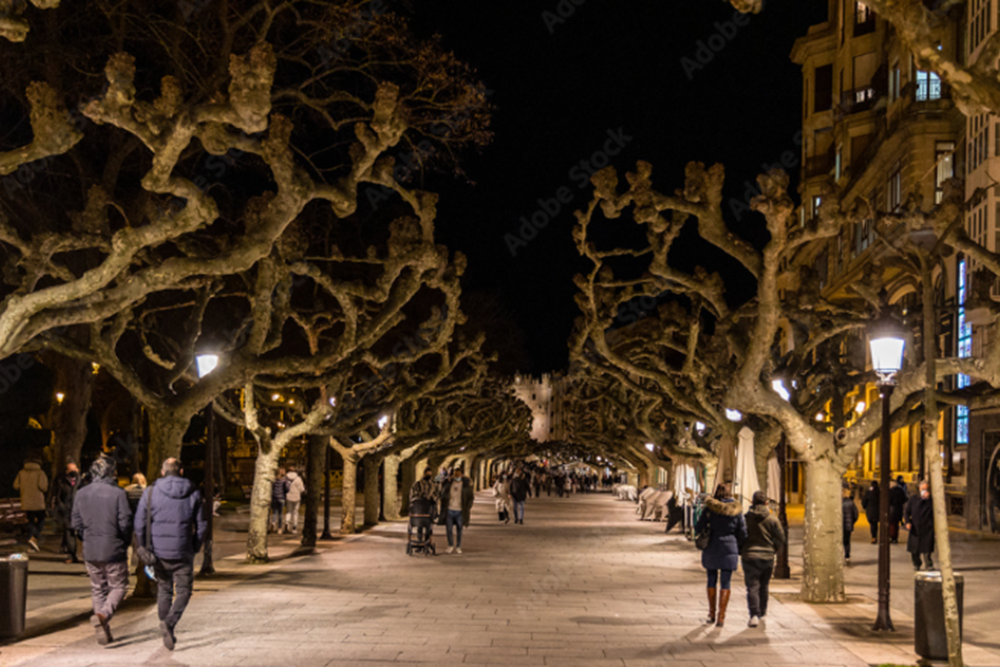
- This beautiful riverside promenade is one of the most beguiling spots in Burgos. Fixed with trees, sculptures, and wonderfully manicured gardens, Paseo del Espolón extends close by the Arlanzon Waterway and offers a loosening up place for a relaxed walk. It’s a most loved spot for local people and sightseers the same, particularly in the late evening when the sun projects a warm sparkle on the city’s old structures.
Arch of Santa Maria
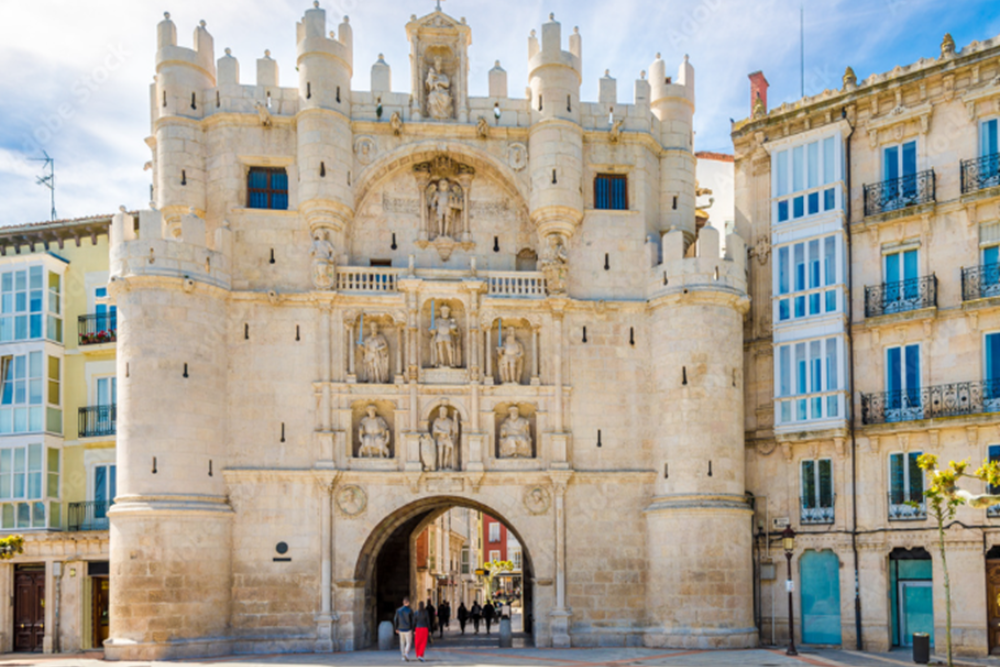
- The Curve of St Nick Maria, one of the old city entryways, is a building magnum opus that fills in as an emblematic access to Burgos’ noteworthy focus. Initially implicit the fourteenth 100 years and redesigned in the sixteenth 100 years, the curve is embellished with sculptures of significant figures from Burgos’ set of experiences, including Sovereign Charles V and El Cid. Inside, there’s a little gallery highlighting transitory workmanship presentations.
Atapuerca Archaeological Site
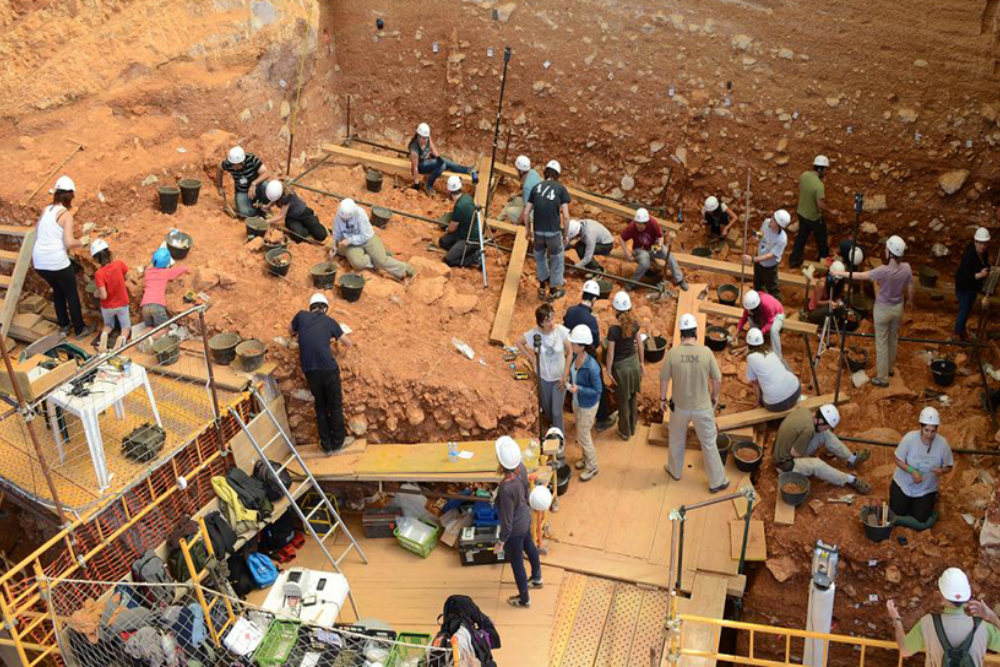
- Found right external Burgos, the Atapuerca site is perhaps of the main archeological site on the planet for concentrating on early human advancement. The remaining parts tracked down here, some going back north of 1,000,000 years, give significant bits of knowledge into the starting points of people in Europe. Directed voyages through the uncovering site are accessible, frequently related to a visit to the Gallery of Human Development in the city.
Miraflores Charterhouse (Cartuja de Miraflores)
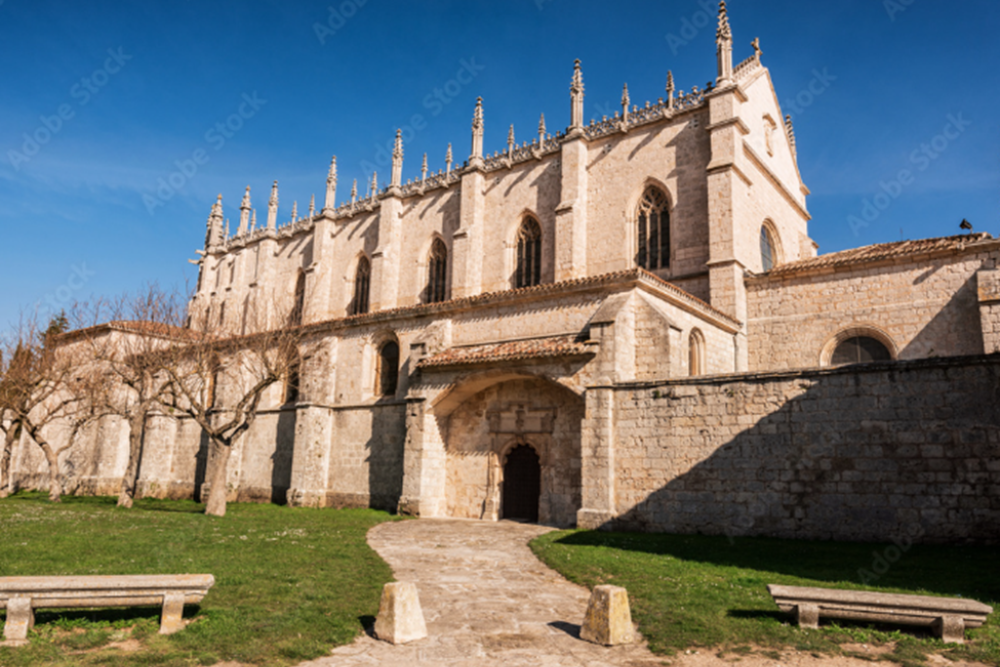
- The Miraflores Charterhouse, a Carthusian religious community situated around 3 km from the downtown area, is known for its staggering Isabelline Gothic design. Inside, guests can wonder about the burial chamber of Ruler John II of Castile and his significant other, Sovereign Isabella of Portugal, as well as a grand altarpiece by the stone worker Gil de Siloe The quiet environmental elements and definite creativity make this a tranquil yet dazzling visit.
Church of San Nicolas
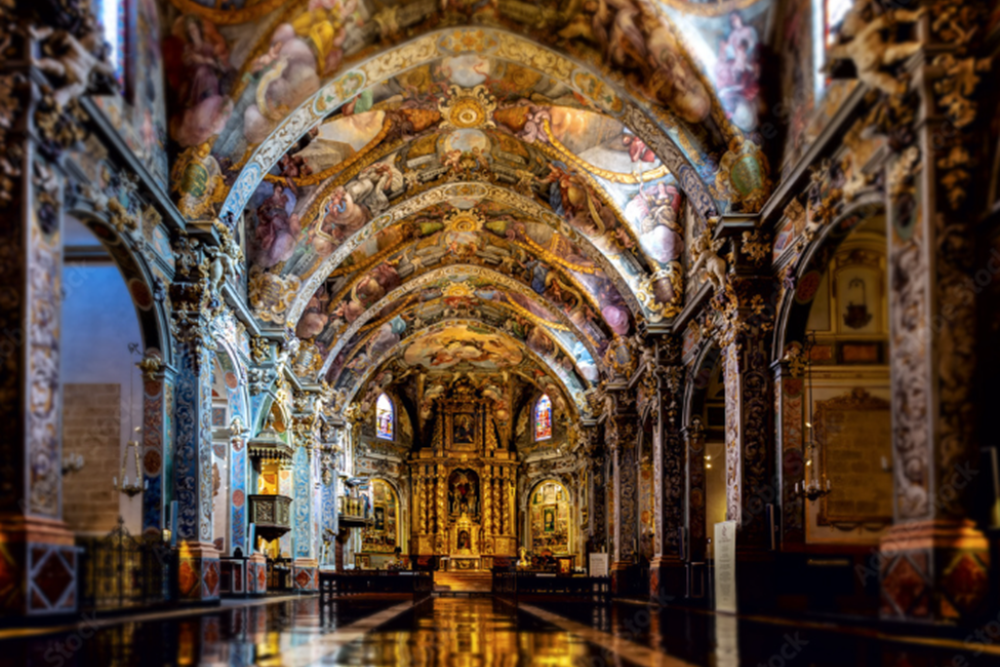
- This little, frequently neglected Gothic church close to Burgos House of prayer is an unlikely treasure. Its most striking component is the complicated altarpiece, a magnum opus cut in limestone in the late fifteenth hundred years by Simon de Colonia. The congregation additionally includes a few wonderfully protected middle age works of art.
El Cid Statue
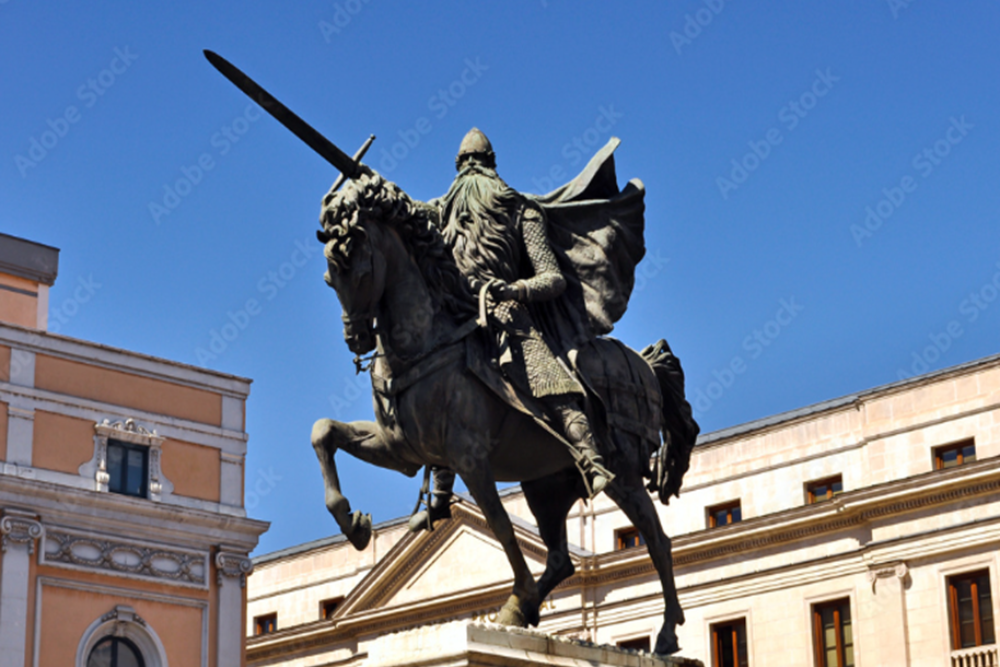
- The sculpture of El Cid, situated close to the scaffold over the Arlanzon Waterway, is a recognition for the unbelievable Spanish legend. El Cid, a local of Burgos, was a tactical forerunner in middle age Spain, and his sculpture remains as an image of the city’s pleased past. It’s an incredible spot for photographs and an indication of the city’s verifiable importance.
Monument to the Empecinado
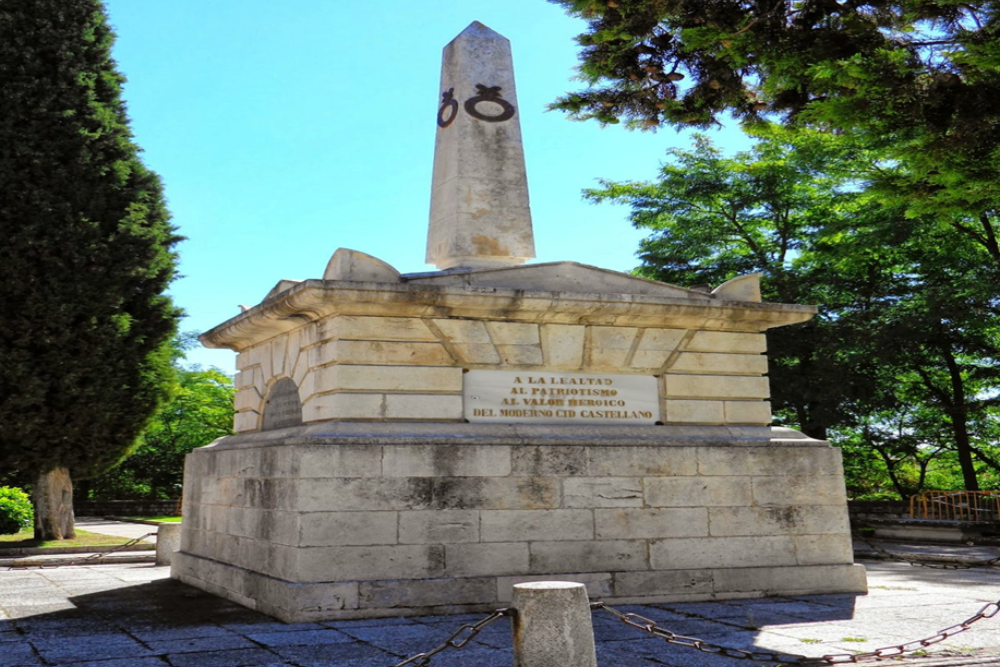
- This landmark praises Juan Martín Diez, known as El Empecinado, a legend of the Spanish Conflict of Freedom against Napoleon. The sculpture is situated close to the Palace of Burgos, adding to the authentic feel of the area. It’s a spot worth visiting to see the value in Spain’s tactical history.
Dos and don’ts in Burgos
While visiting Burgos, it’s useful to know about neighborhood customs and behavior. Here are a few customs to make your experience smoother and more charming:
Dos:
- Do visit the Burgos Cathedral: It’s the city’s most famous fascination, eminent for its Gothic engineering. Try to investigate both the inside and outside subtleties.
- Do try local cuisine: Taste customary dishes like morcilla de Burgos (blood wiener), cordero lechal (broil sheep), and neighborhood wines from the Ribera Del Duero locale.
- Do explore the historic center: Stroll through the old town, visiting milestones like the Palace of Burgos, Paseo del Espolón, and the Historical center of Human Development.
Don’ts:
- Don’t wear beachwear in public spaces: Burgos is inland and conventional, so ocean side clothing is unseemly around, during summer.
- Don’t expect restaurants to open early: Supper is regularly served after 8 or 9 pm in Spain, so don’t be astonished by delayed dinner times.
- Don’t be loud in public places: While Spaniards are amiable, it’s conscious to keep clamor levels down, particularly in holy places and memorable destinations.
Best time to reach in Burgos
The best chance to visit Burgos is during the pre-summer (May to June) and early harvest time (September to October). Here’s the reason:
1. Weather:
- Spring (May to June): The temperatures are gentle, regularly going from 15°C to 25°C (59°F to 77°F), making it ideal for touring. The city is rich and dynamic, with blossoming blossoms in parks like Paseo del Espolón.
- Fall (September to October): The weather conditions is as yet wonderful, with cooler nights, making it ideal for investigating the city without the extreme summer heat.
2. Festivals and Events:
- Celebrations: Assuming that you’re keen on social encounters, visiting in late June permits you to get the Holidays de San Pedro y San Pablo, the city’s significant yearly celebration with marches, music, and firecrackers.
- Less Groups: By visiting in May-June or September-October, you can stay away from the pinnacle traveler season in summer (July-August), meaning less groups at key attractions like the Burgos Basilica.
3. Cultural and Historical Sites:
- These months offer longer sunshine hours, permitting additional opportunity to investigate destinations like the Gallery of Human Development or the noteworthy old town at a relaxed speed.