


Introduction:
History has always been an ageless dynamic that has driven tourists and travellers across the globe to explore sites of historical charm and allure for years. Heritage tourism, as it is known popularly, is a sub-branch of worldwide tourism that impacts the ebb and flow of tourist activity the world over.
From being a prominent Roman occupation to being the avant-garde capital of global fashion and aesthetics, modern France is littered with vestiges of Roman antiquity. These not only dot the wide swathes of modern France, but collectively they also speak a language that narrates timeless tales of art, aesthetics, architecture, and historic battles that defined the course of history of France and even the rest of the world at times.
The concept of travelling to the farthest corner of the world from another only to witness something that reflects and echoes a moment lost perennially in the endless vortex of time is not something new. Historical cities and ancient ruins, cutting across the globe, have always symbolised a mystical magnetism that has intrigued and sparked the flames of curiosity and imagination alike of wanderlust aficionados.
This write-up highlights four prominent historic cities and five ancient ruins of France that tell the timeless stories of momentous significance both locally and globally from a myriad of perspectives even today.
Paris:
“Beneath the cobblestones of Paris lies not only its streets but the heartbeat of history itself.” – Anonymous
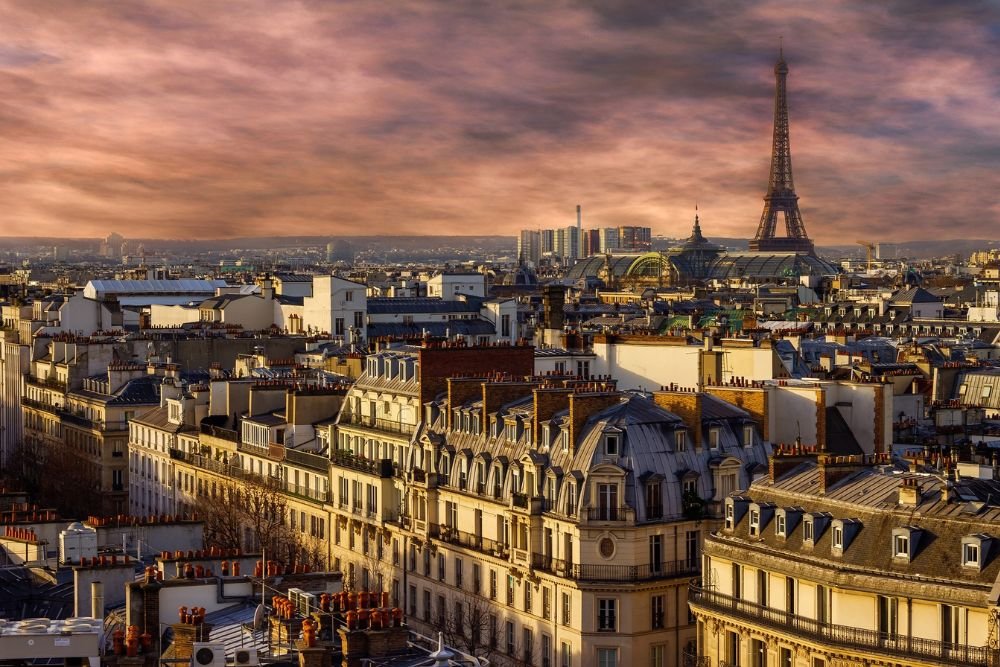
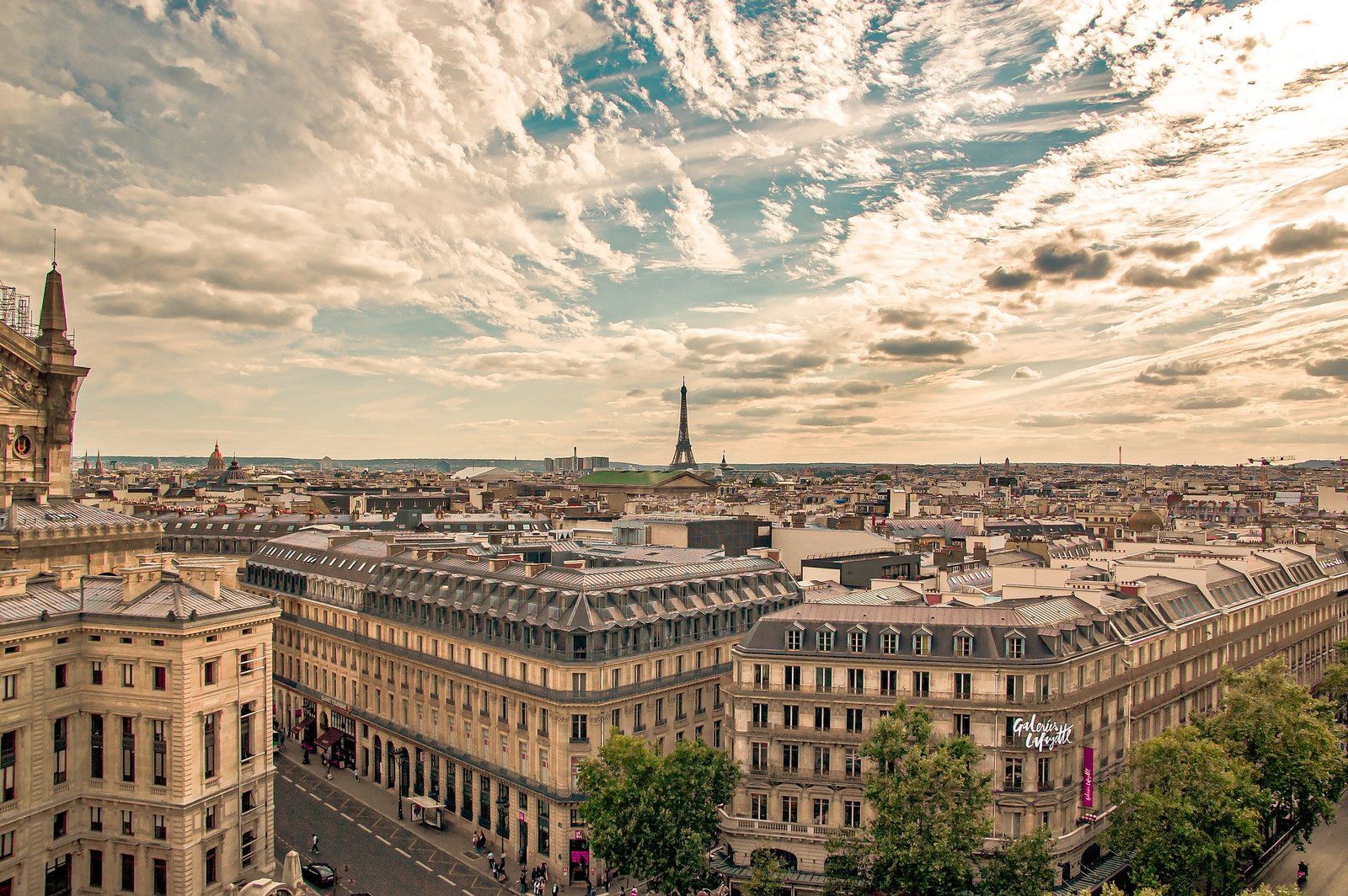
Euphemistically known globally as the city of lights, the modern city of Paris is dotted with historic monuments, palaces, and much more that befit its storied past. The journey of the little-known Roman city of Lutetia to becoming the global capital of aesthetics and uber-cool fashion, Paris has completed a chequered saga of history that spans two millennia at least. Among the various prominent historic sites and landmarks of Paris that deserve more than a cursory commitment of your curiosity do include the following things:
The Palace of Versailles, Paris:
Among the imposing edifices that singularly mirror yet the old grandeur and supremacy of French monarchy in a most flawless manner nothing still comes even close to the Palace of Versailles and its majestic architecture. The opulent palace has a storied history that traces its miraculous journey from a humble structure to the definitive insignia of French ascendancy.
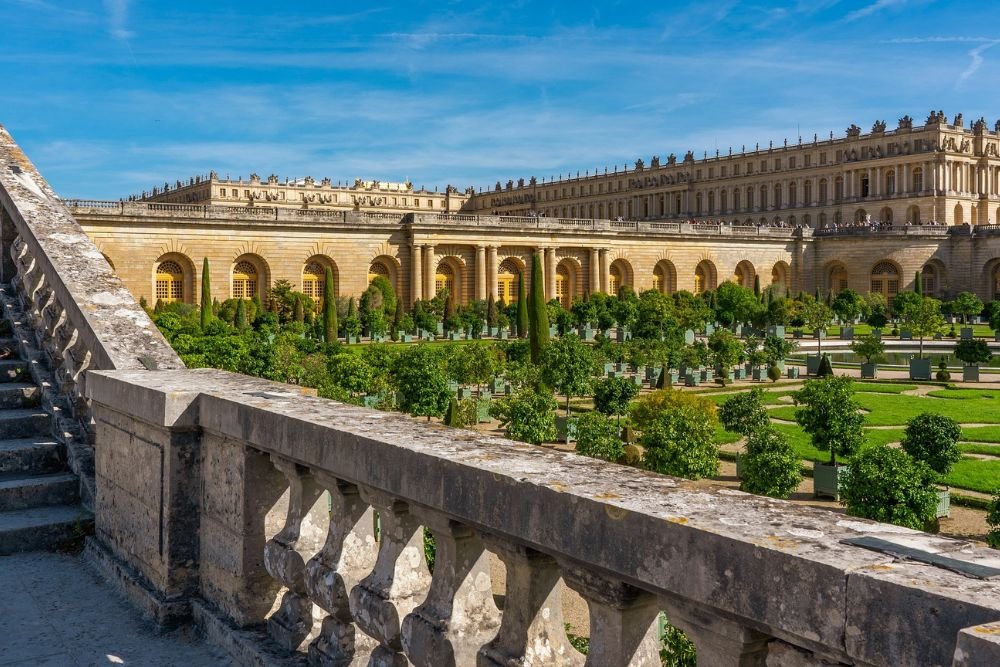
From being a modest hunting lodge erected by King Louis XIII in 1623 to its grandest coronation as the quintessential emblem of French power taking place with the stately expansion by his son Louis XIV, this palace radiated the ultimate aura of political power in France from 1682 to the French Revolution in 1789. The majestic edifice and the extent of its expansion in part owed their origin to the inordinate ambition of Louis XIV.
With notable architects of the then time like Jules Hardouin-Mansart and landscape designers like André Le Nôtre lending their expertise to its expansion plan, the palace did successfully manage to transcend its original confines of purpose and soon became the Palace of Versailles that later generations have come to identify it with.
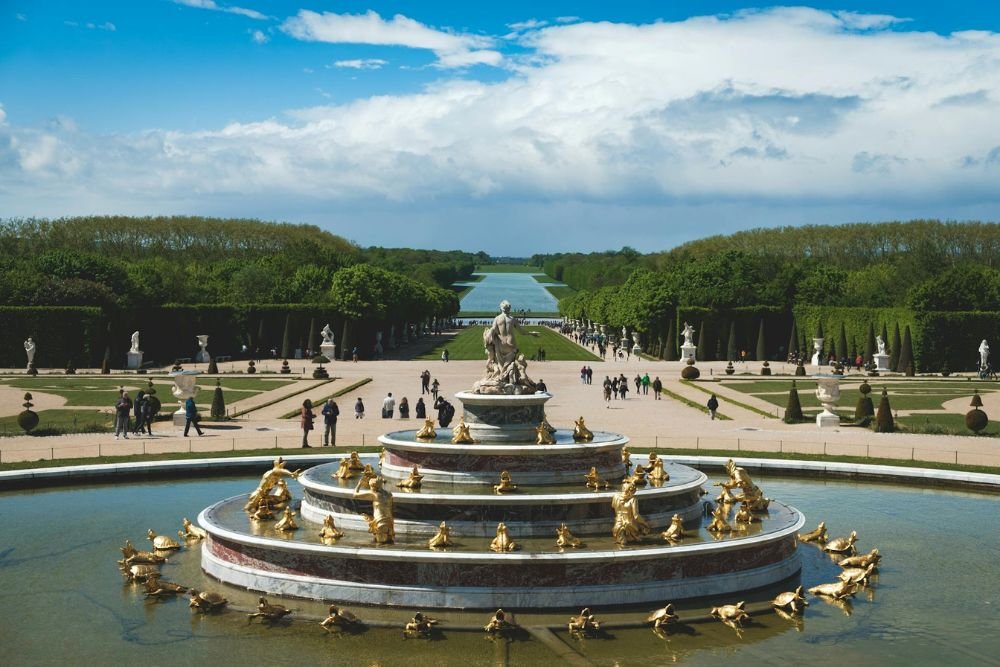
After the French Revolution, the palace somehow lost its regal aura of relevance and fell into a state of neglect and apathy. It was not until the 19th century that it was restored to its original glory and thrown open to the common public as a museum dedicated to the history of France.
Today the Palace of Versailles is not only a proud UNESCO World Heritage Site that attracts and wows zillions of global travellers but remains the most authentic French icon reflective of the tempestuous events that have shaped the trajectory of French history largely.
Notre Dame Cathedral, Paris:
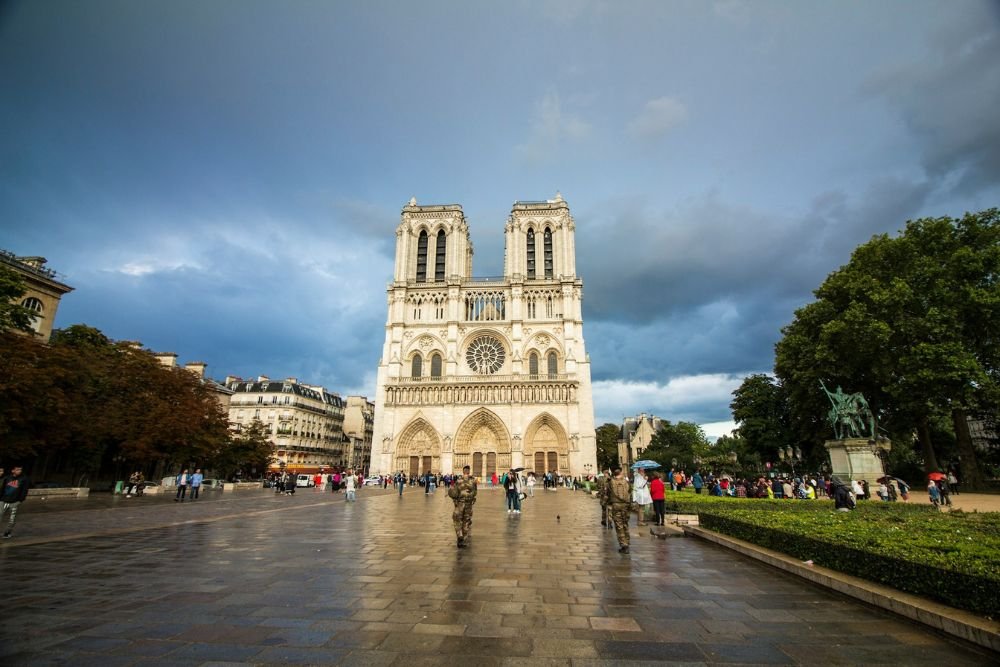
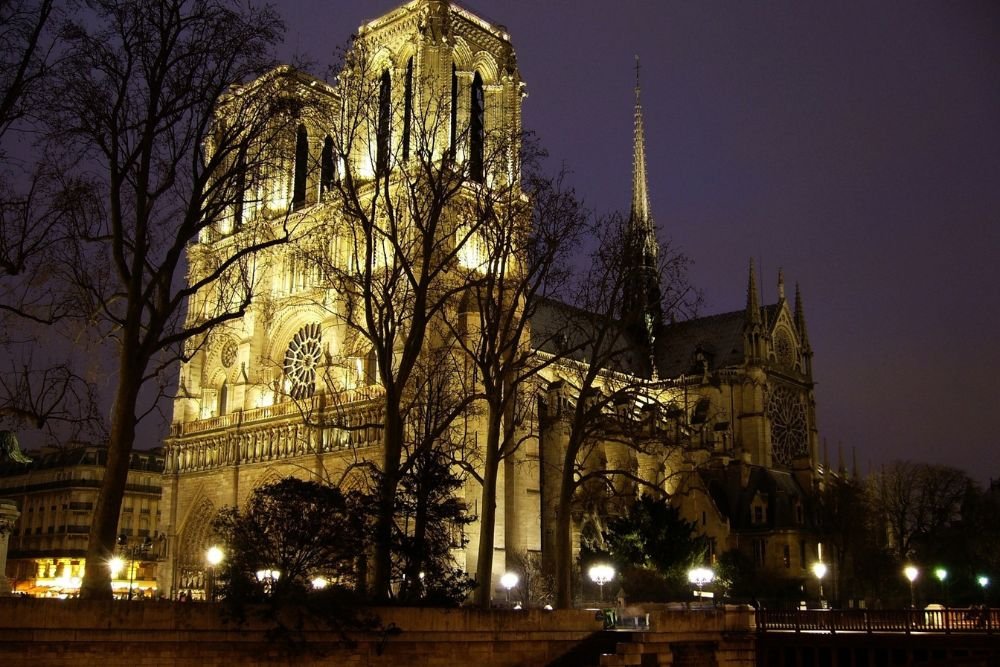
Notre Dame Cathedral is another major icon that Paris has come to be famous for. A masterpiece of Gothic architecture, this iconic landmark was finished in the 14th century. Today this cathedral is not only a UNESCO World Heritage Site but a definitive stop for all those travellers and tourists committed to a quest to understand the French and gothic architecture of the time.
Notre Dame Cathedral, which is located on an island right in the middle of the Seine River has achieved a near-household global renown due to the famous novel by Victor Hugo in 1831 named Notre Dame de Paris, or in English, The Hunchback of Notre Dame.
The Arc de Triomphe, Paris:
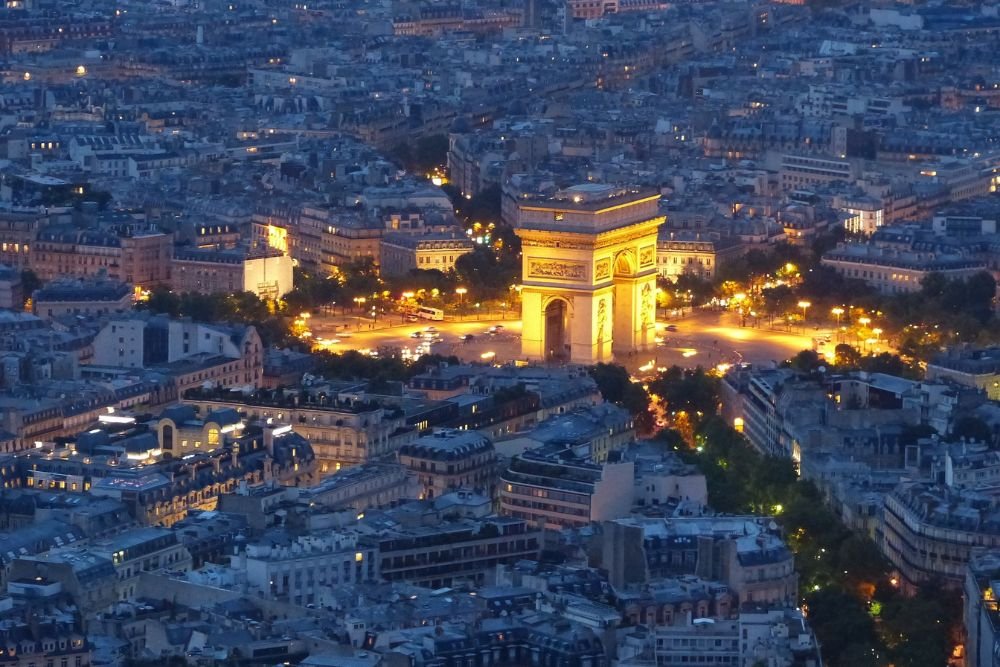
The Arc de Triomphe is another iconic structure that stands as a testament to French military triumphs and national identity. Commissioned in 1806 by none other than Emperor Napoleon Bonaparte after his victory at Austerlitz, this grandiose tribute to the French military might owe its origin in part to Napoleon’s inordinate ambition to glorify his empire in the grandest manner possible.
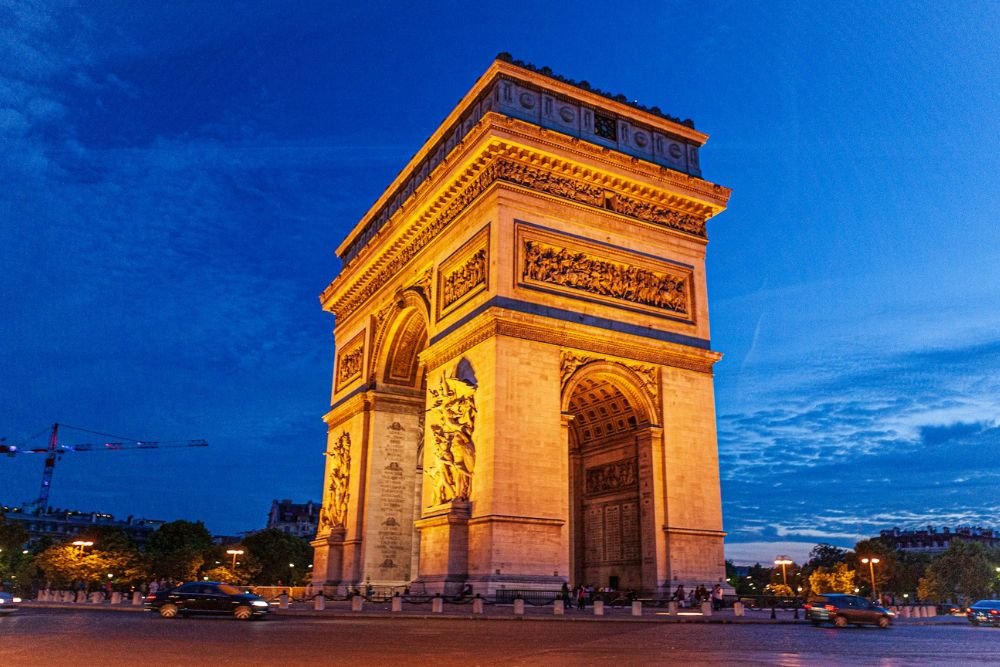
Designed by architect Jean Chalgrin, its construction though had spanned three decades owing to intervening political tumults and regime changes and was finally concluded in 1836 during the reign of King Louis-Philippe. The Arc is adorned with intricate sculptures that portray the historic battles, its key characters and military leaders to encapsulate French military prowess and triumphs alike.
Carcassonne:
Another prominent UNESCO World Heritage Site, Carcassonne is a citadel big enough to house a town in a fortified manner. Also known as “La Cite”, this strategically located city-state cum fortified citadel in southern France had a history of occupation that dates back to the pre-Roman era.
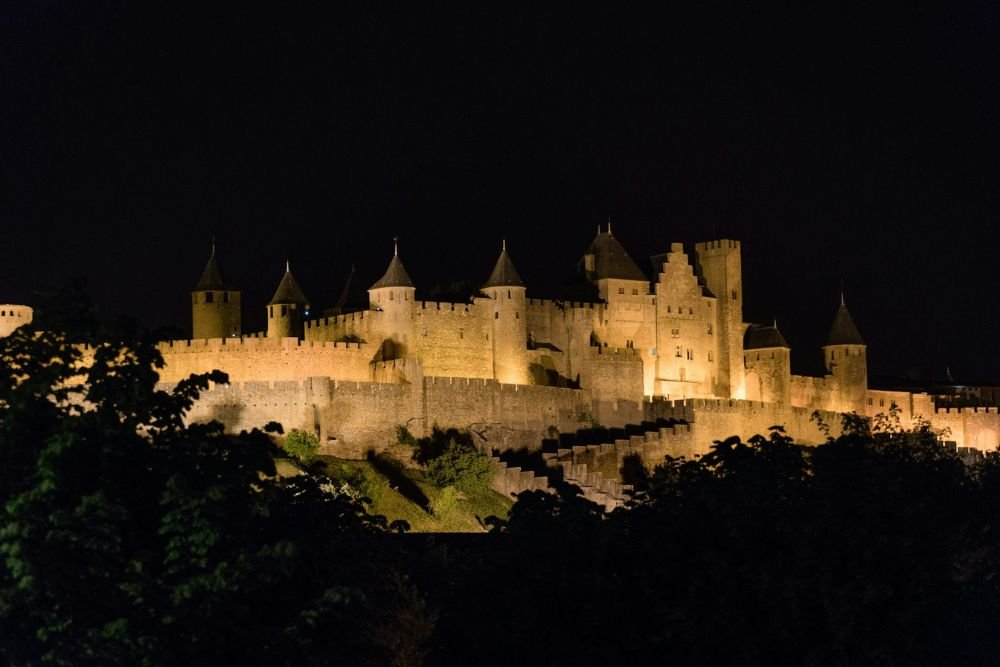
Carcassonne is widely believed to have been a hill fort or an “Oppidum” created in the sixth century BC that served as a crucial link between Europe and the Iberian Peninsula. The citadel’s story is replete with warfare history, as it was once a stronghold of Visigoth.
However, throughout its embattled history, this citadel had been successful in projecting an impression of invincibility and stood firm and undaunted in the face of two failed sieges during the thirteenth century. Even during the Hundred Years’ War, this so-called unbreachable fortress was not even attacked, thus contributing further to its air of impregnability.
Avignon:
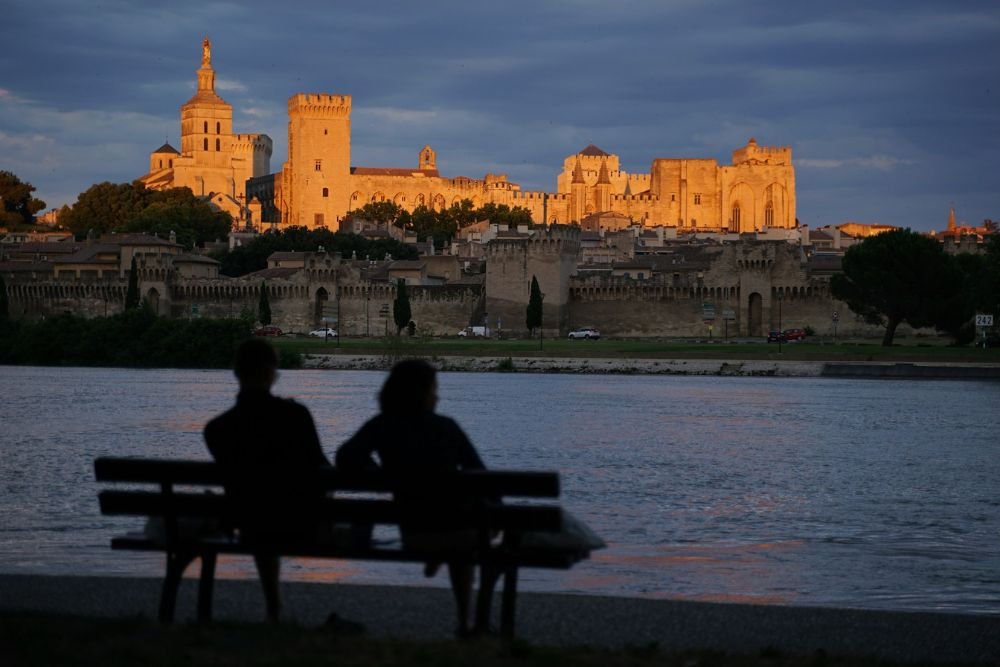
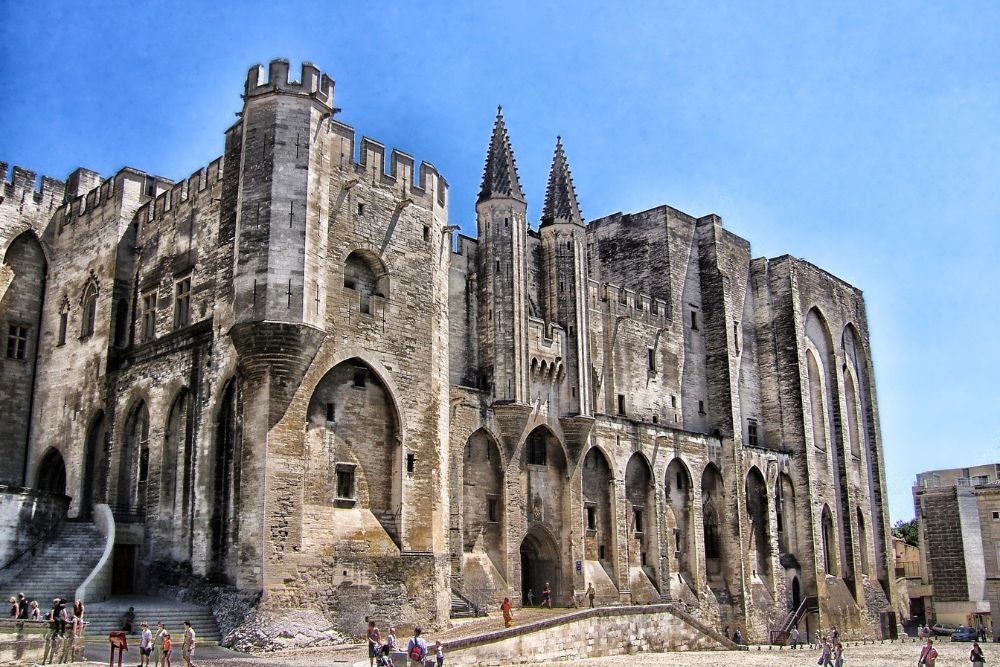
France is home to some of the beautiful walled towns and Avignon is one of them. A UNESCO World Heritage Site, Avignon was once the Papal nerve centre when the Pope lived here in the early 14th century. The old town of Avignon which is located on the southern banks of the Rhône River is a superb example of a fortified town that has stood the test of time making it one of the must-visits for all those history buffs and nerds alike.
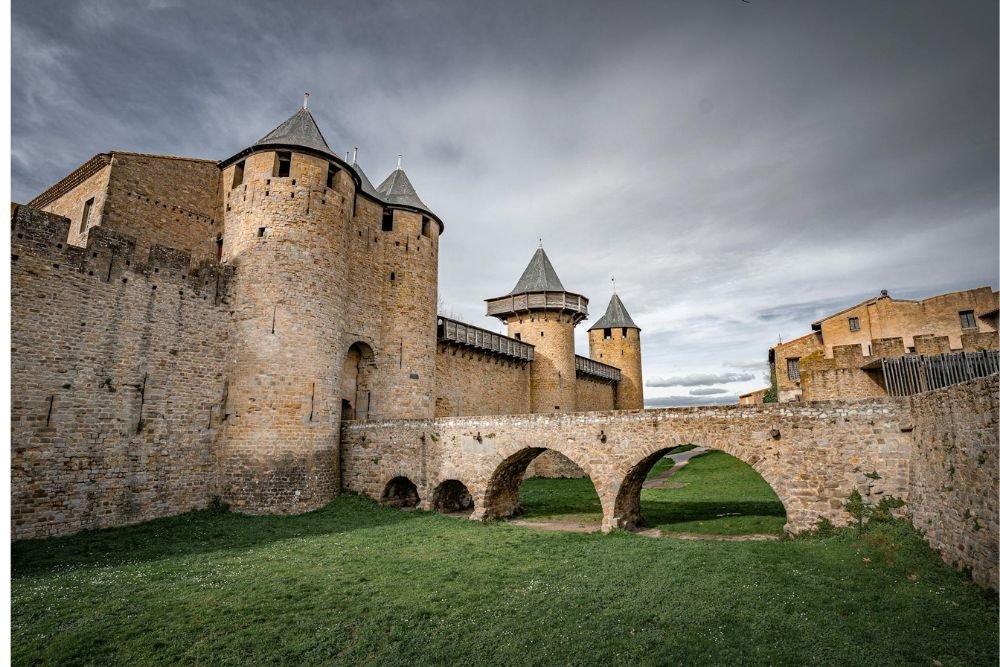
Once you are inside the walled town, the Papal Palace which is Palais des Papes, should be high on your itinerary. Although you can explore the two and a half miles of city ramparts, not all the gates among the many entrances that the town has, at all date back to remote antiquity. Some of them are original while some of them were built as late as the 19th and 20th centuries.
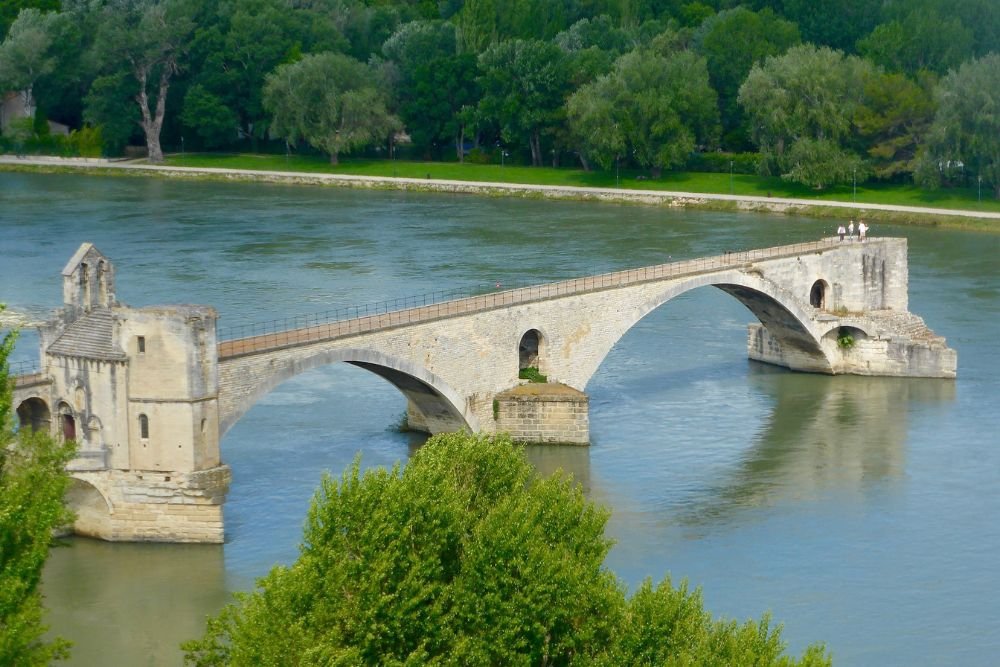
Another highlight of Avignon is the Avignon Bridge or the Pont Saint-Bénézet which extends out incompletely into the Rhone River. The bridge in its present form is not what it was previously with substantial parts of it either getting withered away by the elements or washed away.
Lyon:
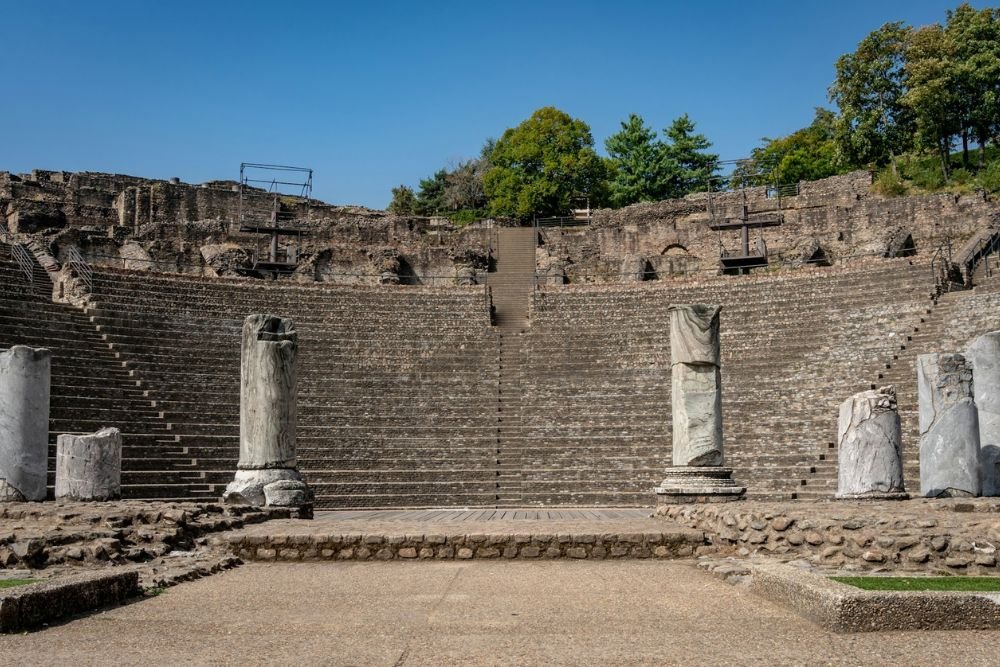
Lugdunum, as Lyon was known during the Roman reigns was a crucial strategic city with a population of 50,000 inhabitants and was located at the confluence of two major rivers namely the Saône and the Rhône. Lyon is one of those rare European cities that boasts the presence of two Roman amphitheatres with one of them dating back to 15 BCE.
Situated in the Fourvière area of Lyon, both amphitheatres are in a remarkably preserved state, which should feature prominently in your next French sojourn. The older and larger one dating back to 15 BCE still has all the embellishments of an extensive stage and is still used for performances. This amphitheatre had a seating capacity of almost 10,000 people within it.
The smaller one is the one that is more ornately designed and one can behold the old inlaid marble on the floor. Called the Odeon (or sometimes Odeum), this small stage was used for poetry and musical performances. The smaller one is pretty close to the bigger theatre, as is seen quite clearly.
Apart from all these historic places and cities, France is also punctuated with beautiful ancient ruins that are flavoured with the rich history and aroma of Roman antiquity. Some of them are:
Pont du Gard (Nîmes):
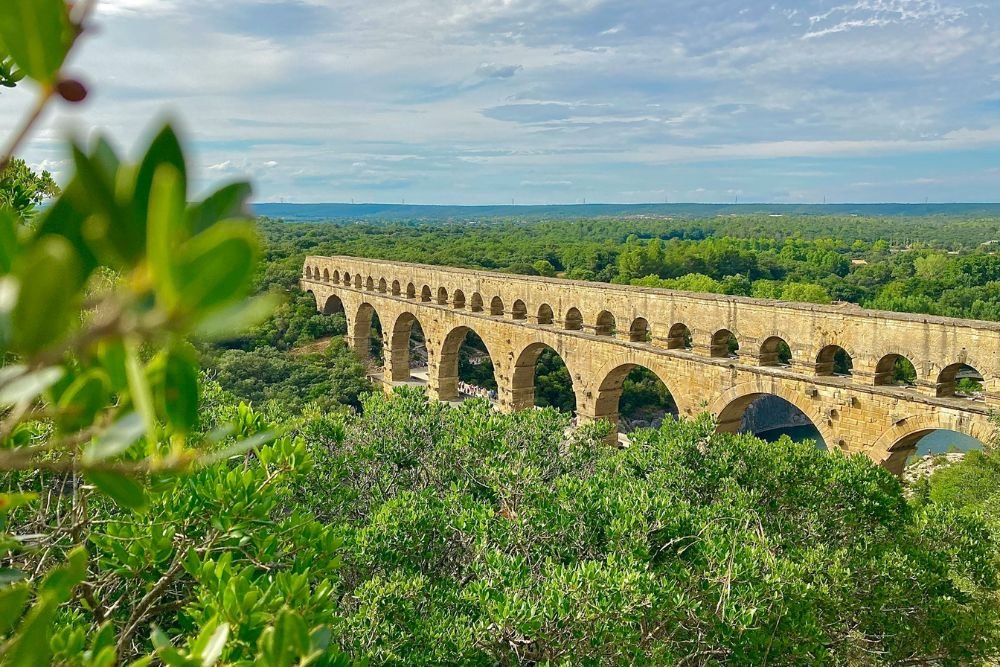
Pont du Gard is an iconic Roman bridge and aqueduct rolled into one that still stands today with all its glory and beauty. This was built in the first century AD and situated near the Nimes in France. Nimes was a prominent city of Gaul before 45 BC and this aqueduct was constructed to cater to the additional water demands of the city.
Arles Amphitheatre (Arles):
Arles is one of the major southern cities that is rich in Roman history. The monuments at Arles date back to 2000 years in remote antiquity and were constructed when the Roman onslaught started in Provence. These monuments are now protected and covered under the UNESCO World Heritage List.
The Roman Theatre of Orange (Orange):
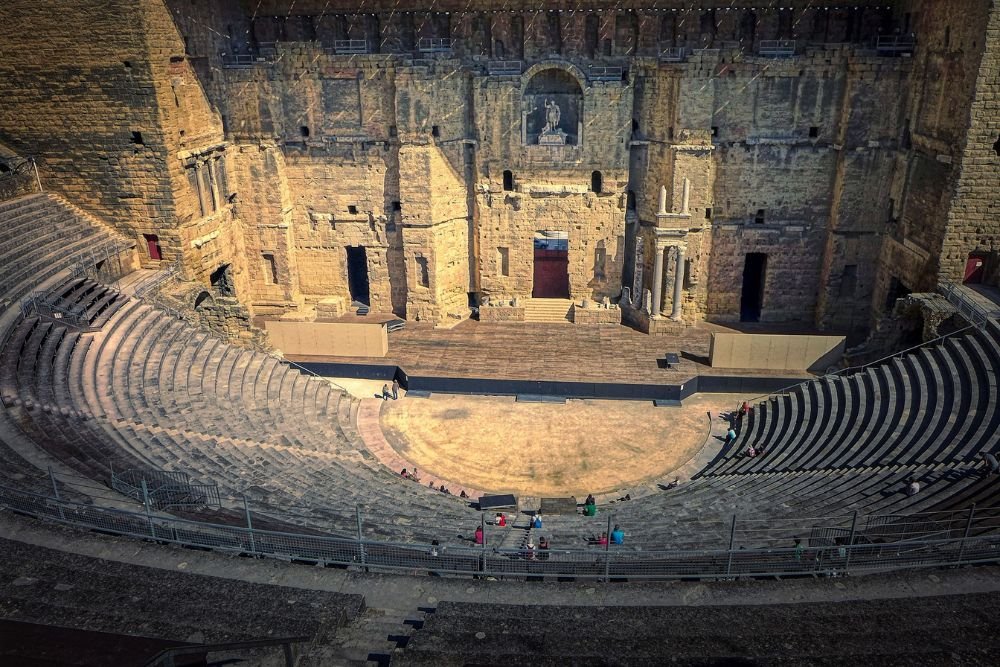
Orange is a small French town lying about 20 km north of Avignon with an estimated population of 28000. Positioned at the heart of the Rhône Valley, the Théâtre antique d’Orange is where history comes alive and speaks to you without saying a word. Part of the mystical allure of this magnificent ancient ruin lies in the fact that this is one of the best-preserved historical sites in France and still retains the old intriguing charm of its own.
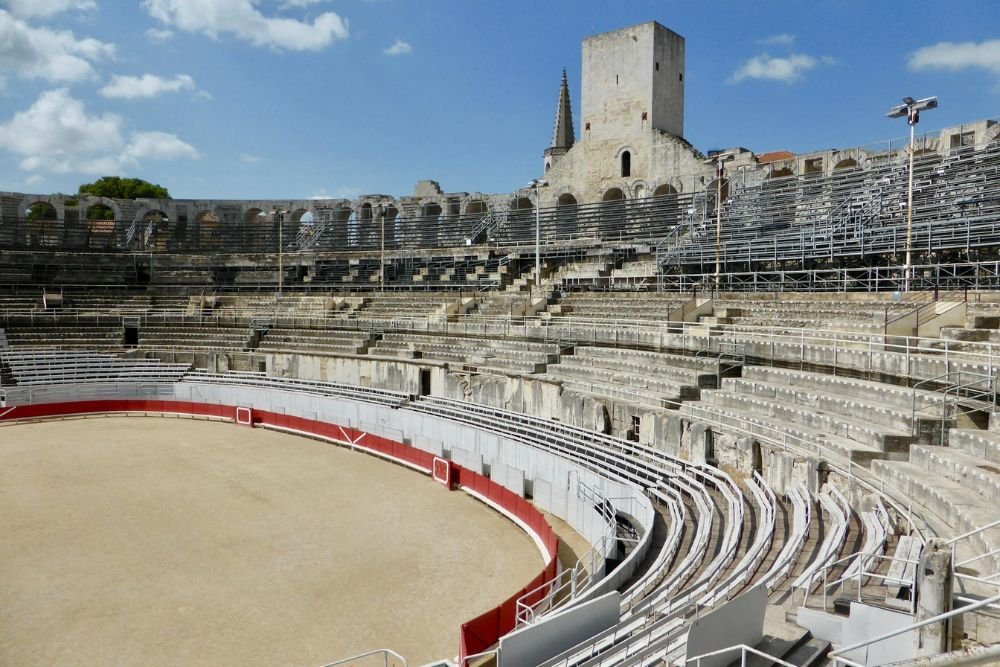
Doubtless, one of the most captivating ruins of the Roman period and a UNESCO World Heritage site, this Roman theatre of yore will leave you spellbound both with its structure and dimension. Built with a seating capacity of around 10,000 people, the spectators were then trifurcated into three distinct sections according to their social rank and stature.
This Roman theatre of Orange was a great source of entertainment at the then time and is still being used for musical performances drawing large audiences as well.
La Grotte de Lascaux (Dordogne):
Dubbed as the “Sistine Chapel of Prehistory”, the pre-historic Lascaux caves feature some of the most wondrous paintings of the early Palaeolithic era that date back to a mind-numbing 17000 years of remote antiquity. This cave and its paintings were thrown open to the public after World War II.
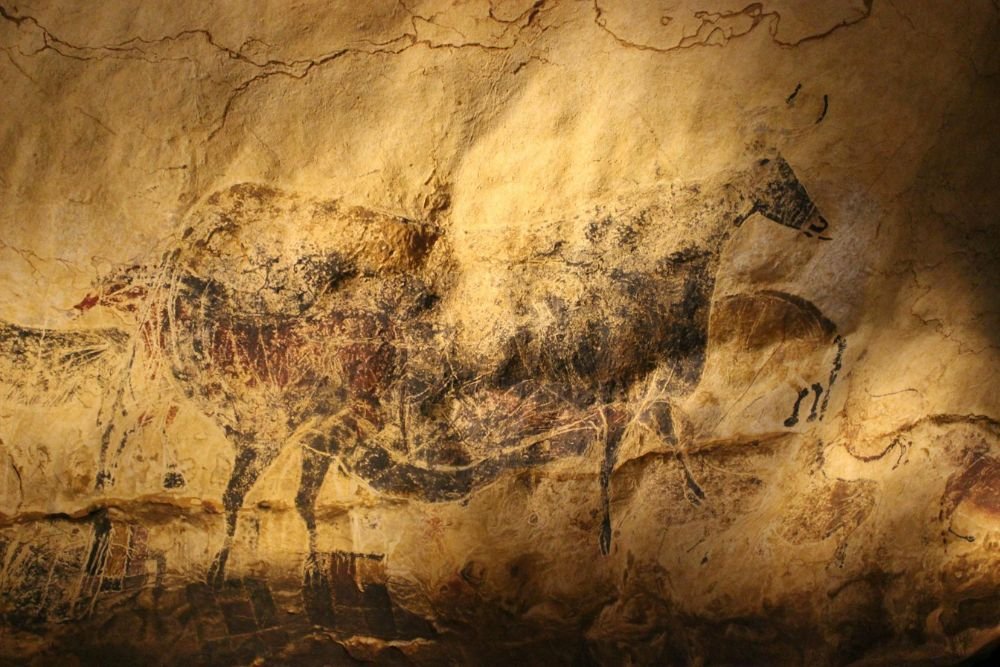
However, due to the gradual deterioration of the inner atmosphere of the cave and degrading the wall paintings due to the mass influx of tourists each day, access to this pre-historic cave is now confined to a decreasing number of scientists and field experts.
Conclusion:
France is a virtual treasure trove of medieval marvels, some of which hark back to an era earlier than the last great Ice Age itself, making France a dream of every traveller in love with the concept of heritage tourism. Moreover, the eventful and often turbulent history of France is integrally intertwined with the history of not only Europe but of world at large.
Being a prominent habitat of ancient Romans, France is dotted with ruins and relics of Roman origin on an incredible scale making it the next best place to travel and explore, besides Italy especially if your curiosity and imagination are genuinely piqued and fired by the history of Roman empire and its key protagonists.
“The world is a book, and those who do not travel read only one page.” –
Saint Augustine