


Introduction
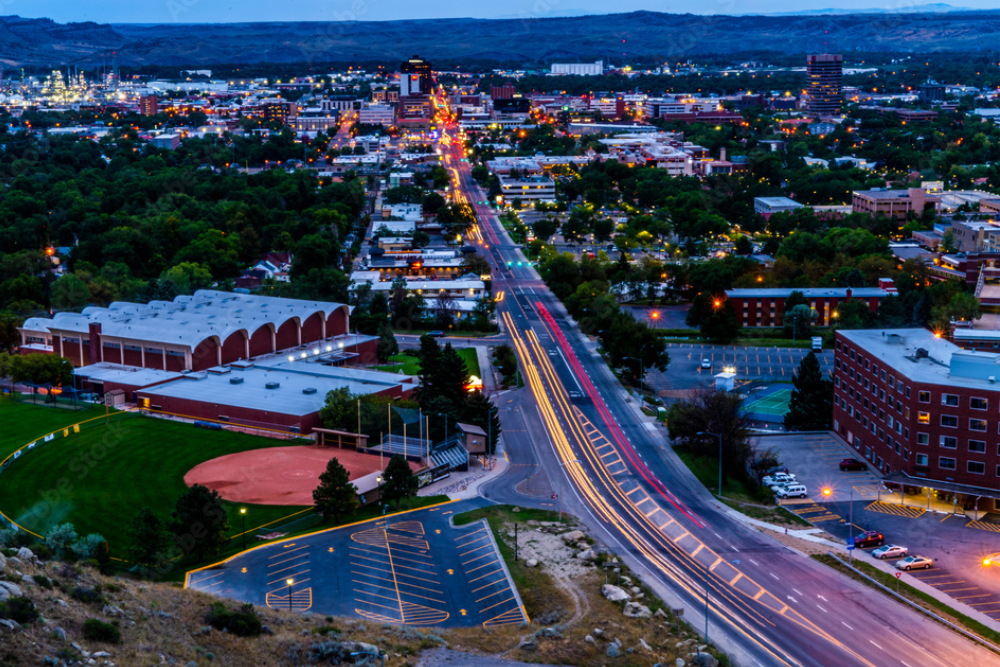
Montana, known as “Large Sky Nation,” is a state in the northwestern US that flaunts huge scenes, including great mountains, sweeping fields, and unblemished waterways. Its normal magnificence is featured by Icy mass Public Park and Yellowstone Public Park, the two of which deal climbing, natural life seeing, and stunning landscape. Montana is a sanctuary for open air lovers, offering exercises like fishing, skiing, and horseback riding. The state’s country enchant is matched with rich Local American history and a dynamic cowpoke culture. With its huge expanses and modest community feel, Montana gives a quiet and tough getaway from the clamoring speed of metropolitan life.
Glacier National Park
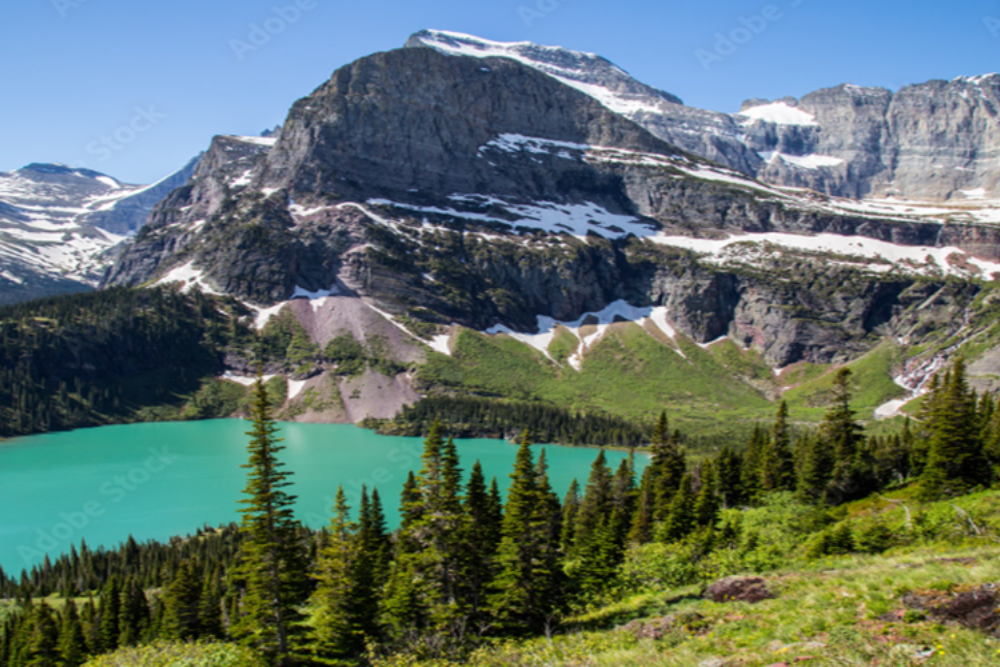
- Known as the “Crown of the Landmass,” this public park offers sensational mountains, unblemished lakes, and north of 700 miles of climbing trails. Key spots incorporate the Going-to-the-Sun Street, Lake McDonald, Grinnell Icy mass, and Numerous Glacial mass. The recreation area is ideal for natural life review, climbing, and photography.
- Open air fans, photographic artists, untamed life sweethearts.
Yellowstone National Park (Montana Entrance)
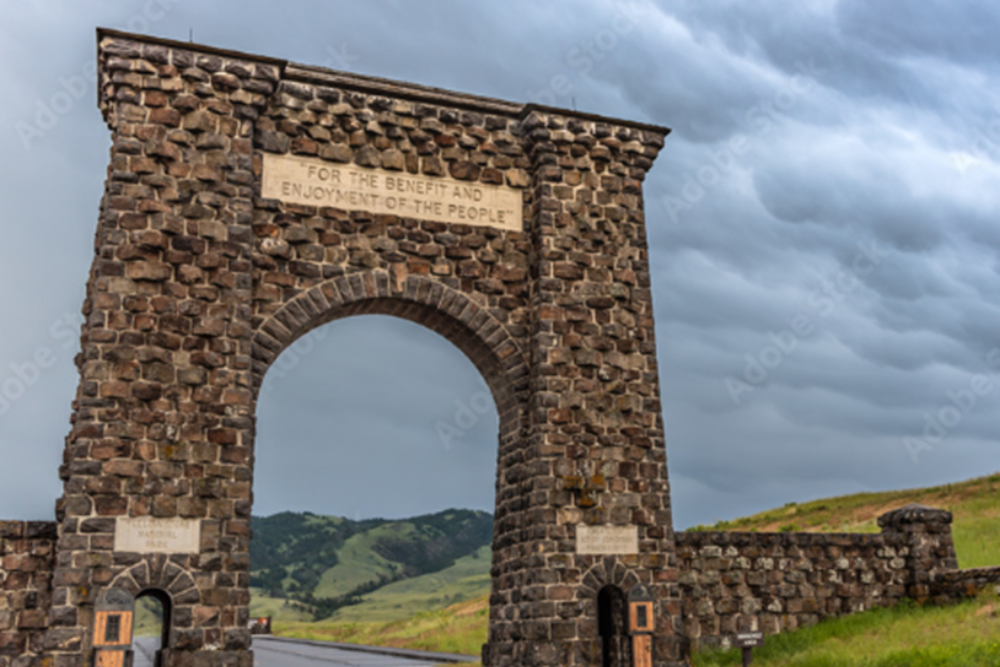
- Albeit the majority of Yellowstone is in Wyoming, Montana’s northern and western passages give admittance to famous regions like Mammoth Natural aquifers and the Lamar Valley. See geothermal marvels, bountiful untamed life, and breathtaking scenes.
- Nature sweethearts, geothermal aficionados, and families.
Bozeman
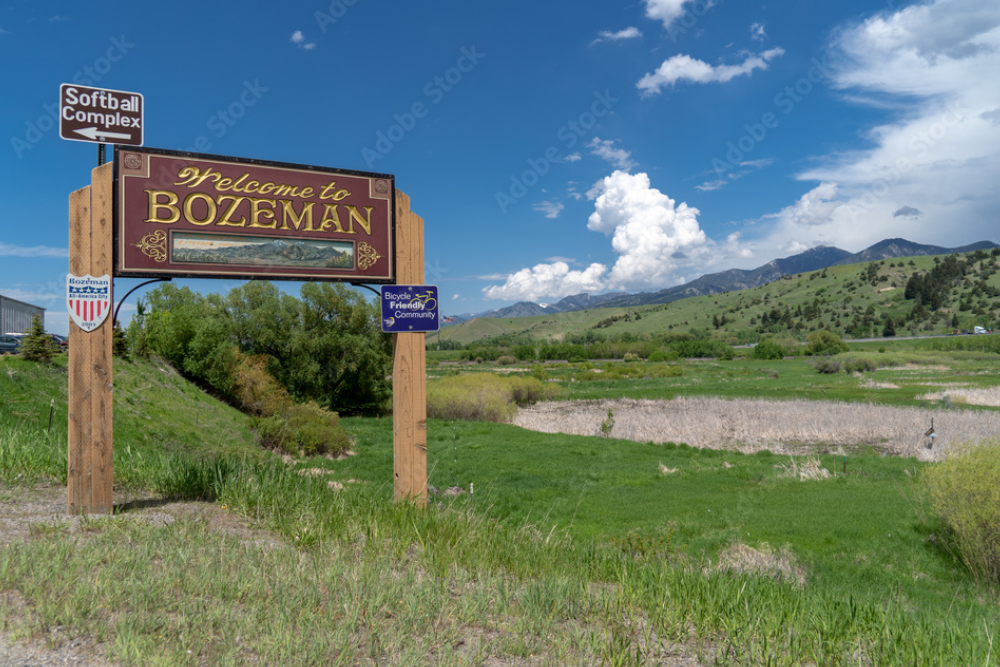
- This energetic school town is known for its blend of open air exercises, culture, and history. Visit the Historical center of the Rockies (popular for its dinosaur shows), investigate close by climbing trails, or ski at Huge Sky Resort in winter.
- Historical center participants, climbers, skiers, and foodies.
Big Sky Resort
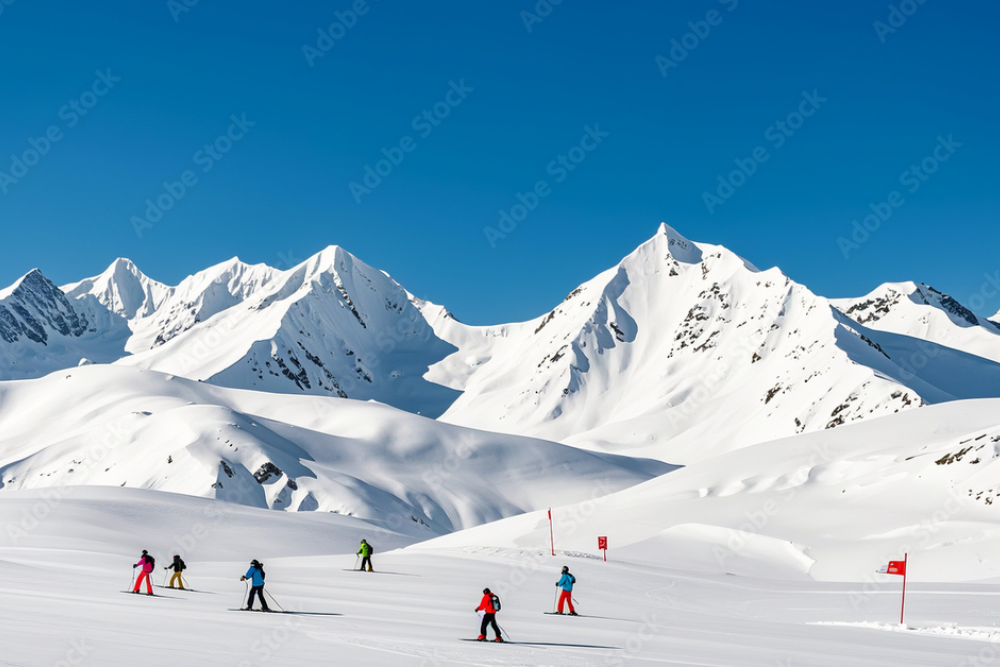
- One of the biggest ski resorts in the U.S., Enormous Sky offers fabulous skiing, snowboarding, zip-coating, and mountain trekking. The close by Gallatin Stream is ideal for wilderness boating and fly-fishing.
- Winter sports aficionados, experience searchers.
Missoula
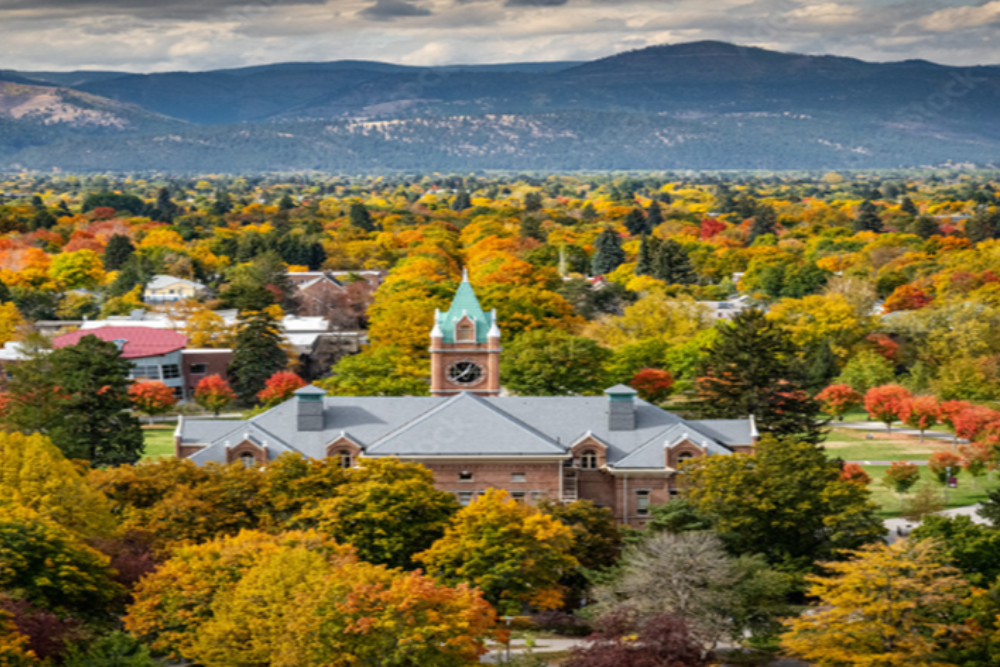
- Settled along the Clark Fork Waterway, Missoula is known for its specialties scene, open air exercises, and noteworthy midtown. The Missoula Ranchers Market, neighborhood distilleries, and close by climbing trails like the M Path on Mount Sentinel are features. It’s likewise an entryway to Bitterroot Valley.
- Culture, foodies, nature sweethearts.
Flathead Lake
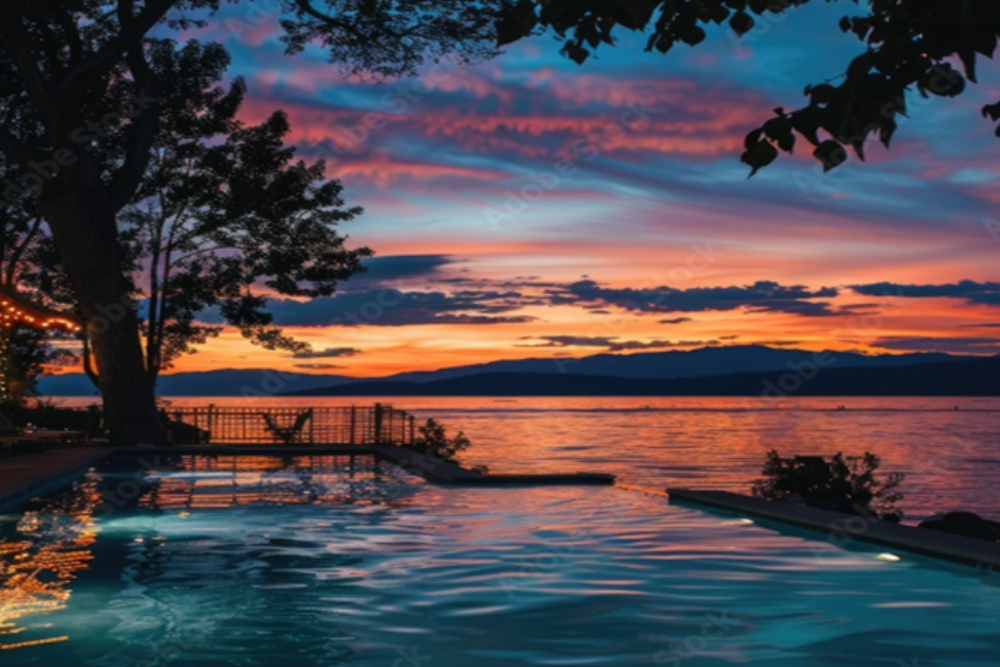
- The biggest freshwater lake west of the Mississippi, Flathead Lake is great for sailing, fishing, and swimming. Visit the enchanting town of Polson or investigate the Flathead Cherry Plantations for occasional treats.
- Water sweethearts, picnickers, and families.
Whitefish
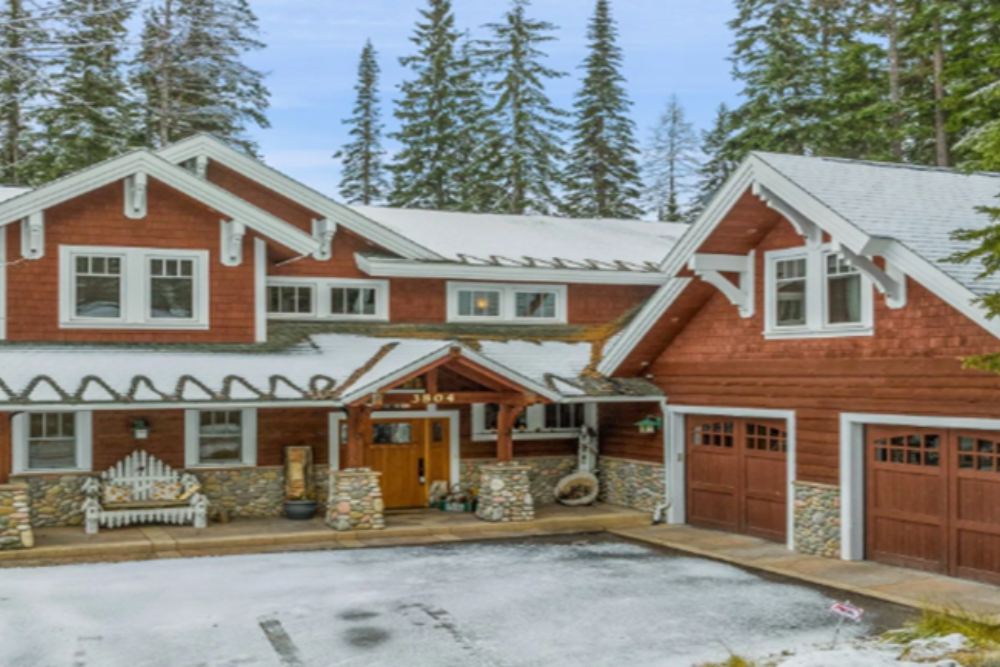
- Known for its outside experiences, Whitefish is an enchanting town close to Icy mass Public Park. Whitefish Mountain Resort offers skiing in the colder time of year and climbing, trekking, and zip-lining in summer. Whitefish Lake is perfect for kayaking and swimming.
- Skiing, climbing, outside exercises.
Helena
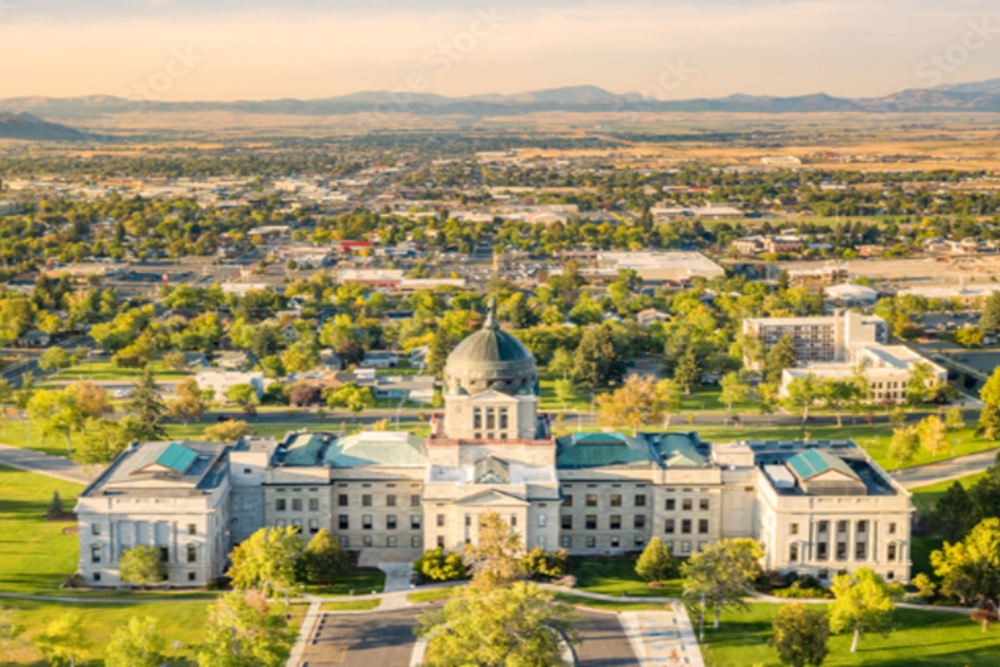
- Montana’s capital city, Helena, flaunts rich history and social tourist spots. Investigate the Montana State Legislative hall, the Helena Church, and the Entryways of the Mountains boat visit, which follows part of the Lewis and Clark Trail.
- History buffs, engineering sweethearts.
Bitterroot Valley
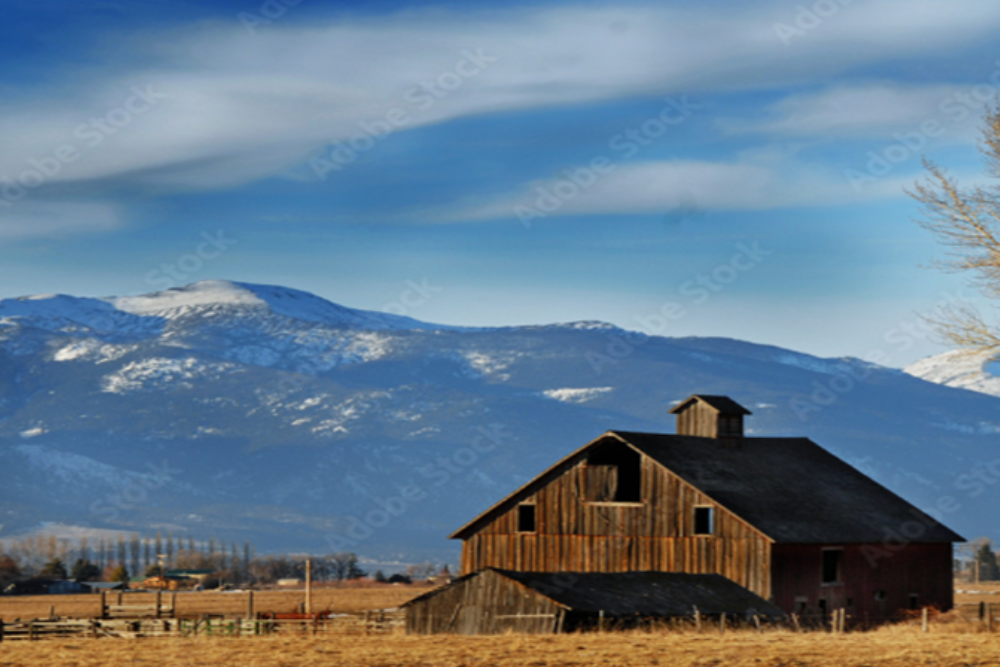
- Known for its grand magnificence, the Bitterroot Valley extends from Missoula to the Idaho line, with the dazzling Bitterroot Mountains as a background. The valley offers climbing, fishing, and beguiling towns like Hamilton and Stevensville.
- Grand drives, fishing, climbing.
Lewis and Clark Sinkholes State Park
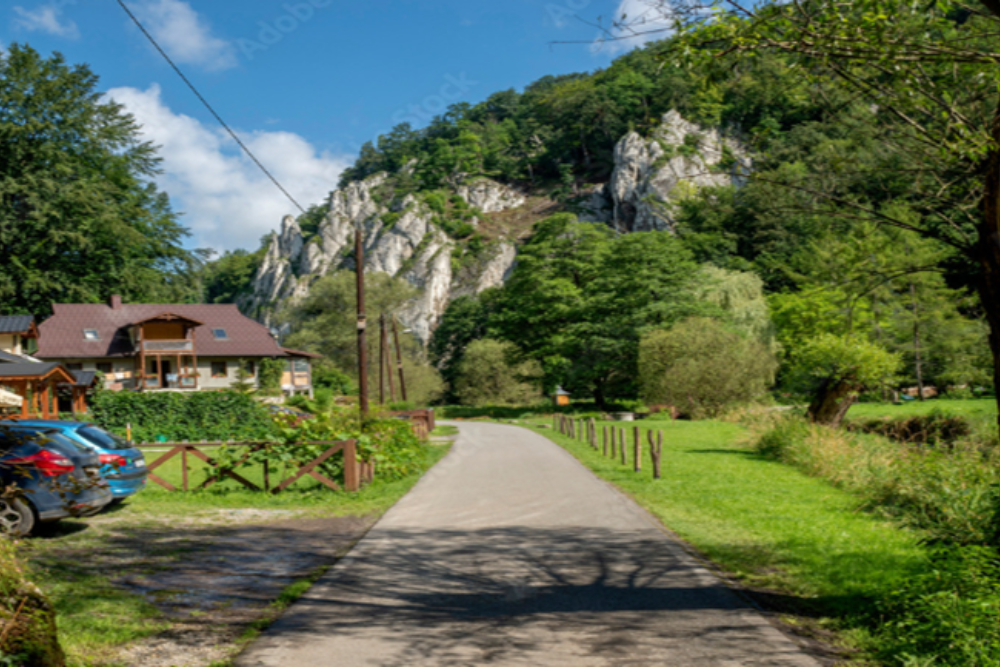
- Investigate one of the biggest realized limestone caves in the Northwest. The directed cavern visits uncover shocking stone arrangements, and the recreation area offers climbing trails, setting up camp, and untamed life seeing.
- Topography devotees, families, climbers.
Dos and Don’ts in Montana
When visiting Montana, it’s helpful to be aware of some key dos and don’ts to ensure a smooth and respectful experience. Here’s a guide to the dos and don’ts in Montana:
Do
- Respect Nature: Montana is known for its beautiful natural landscapes, including national parks and wilderness areas. Stay on designated trails, pack out your trash, and follow park guidelines to help preserve the environment.
- Prepare for Weather: The weather in Montana can change quickly, especially in mountainous areas. Bring layers and be prepared for sudden drops in temperature, even in summer.
- Be Bear Aware: If you’re hiking or camping, be mindful of wildlife, especially bears. Carry bear spray, make noise while hiking to avoid surprise encounters, and store food securely when camping.
- Support Local Businesses: From small-town diners to local craft stores, Montana has a vibrant local economy. Supporting local businesses helps the community and enhances your experience with unique, authentic offerings.
- Observe Fishing and Hunting Regulations: Montana is a haven for fishing and hunting enthusiasts. Make sure you have the proper licenses and follow local regulations to respect wildlife and maintain the ecosystem.
Don’ts:
- Don’t Approach Wildlife: While it’s exciting to see wildlife like bison, elk, or bears, keep a safe distance. Approaching or feeding wild animals can be dangerous for both you and the animals.
- Don’t Litter: Montanans take great pride in keeping their environment clean. Dispose of your trash properly and be mindful of leaving nature as you found it.
- Don’t Underestimate Distances: Montana is vast, and driving distances between towns or attractions can be long. Plan your trips carefully and ensure your vehicle has enough fuel, especially in remote areas.
- Don’t Trespass on Private Land: Much of Montana’s land is privately owned. If you’re exploring rural areas or farmland, respect “No Trespassing” signs and ask permission if necessary.
- Don’t Ignore Local Customs: Montana has a strong rural and ranching culture. Be respectful of local traditions, whether you’re visiting a small town rodeo or chatting with ranchers.
Best time to reach in Montana
The best opportunity to visit Montana generally relies upon the exercises you’re keen on:
1. Summer (June to August):
- Best for Open air Exercises: Climbing, setting up camp, fishing, and investigating public parks like Ice sheet Public Park and Yellowstone.
- Climate: Warm and charming with temperatures going from 70°F to 90°F (21°C to 32°C), ideal for open air experiences.
- Swarms: It’s the pinnacle traveler season, so anticipate more guests, particularly in famous objections.
2. Fall (September to October):
- Best for Fall Tones and Less Groups: The pre-winter foliage is shocking in places like the Bitterroot Valley and Gallatin Valley.
- Climate: Gentle temperatures during the 50s-70s°F (10-25°C), making it ideal for climbing and touring without the late spring swarms.
- Natural life Review: Fall is additionally perfect for spotting untamed life as creatures plan for winter.
3. Winter (December to February):
- Best for Skiing and Snowboarding: Assuming you’re into winter sports, Montana has brilliant ski resorts like Huge Sky Resort and Whitefish Mountain Resort.
- Climate: Cold, with temperatures frequently going from 20°F to 40°F (- 6°C to 4°C) in many regions, yet colder in the mountains.
- Exercises: Snowshoeing, ice fishing, and underground aquifers are additionally well known during this season.
4. Spring (Walk to May):
- Best for a Calmer Encounter: Less travelers visit Montana in spring, so you can appreciate more isolation.
- Climate: Variable, going from cold to gentle with temperatures somewhere in the range of 30°F and 60°F (- 1°C to 16°C). Late-winter can in any case have snow at higher heights.
- Untamed life: This is the season when you can observer child creatures and wildflowers beginning to sprout.