


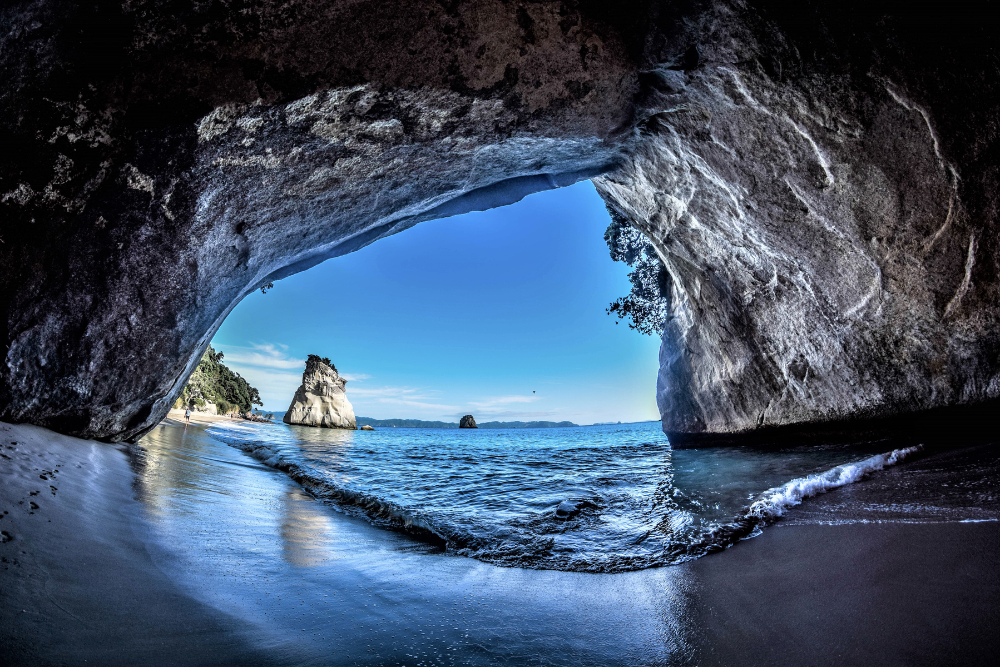

New Zealand, an enchanting land of breathtaking vistas, is renowned for its diverse landscapes, ranging from lush green hills to rugged coastlines. However, one of its most striking features is its volcanic landscapes. With dramatic geothermal activity and a unique topography shaped by volcanic forces, New Zealand offers an unparalleled experience for travelers eager to explore its geological marvels. In this blog, we will journey through some of the most iconic volcanic sites, delve into the science behind them, and highlight the experiences that await adventurers in this spectacular country.
The Volcanic Origin of New Zealand
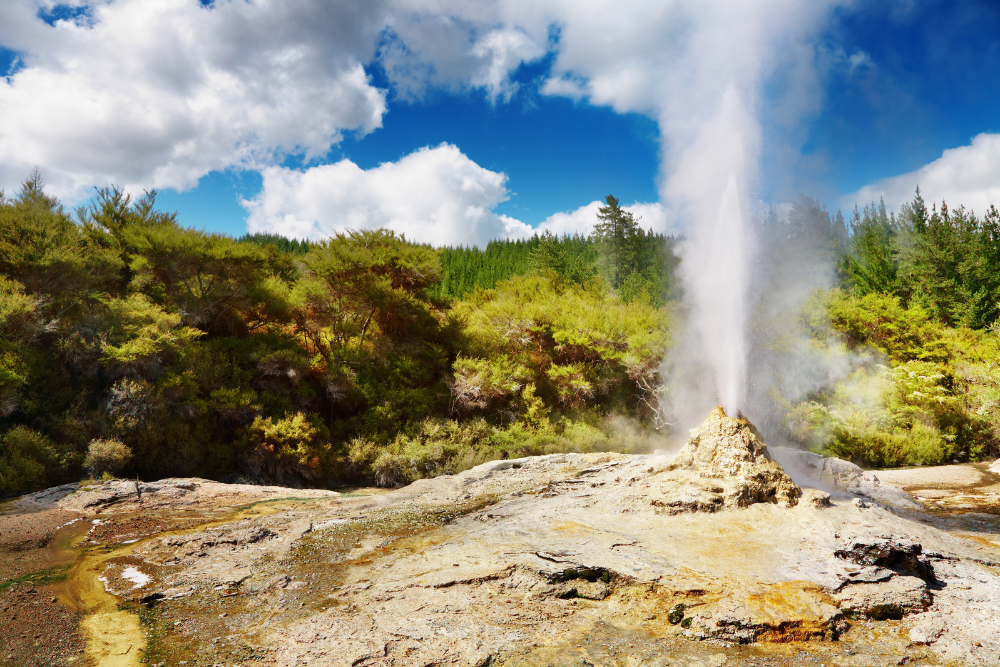
Before we dive into the specific locations, it’s essential to understand the geological origins of New Zealand. The country sits on the boundary of the Pacific and Australian tectonic plates, making it a hotspot for volcanic activity. This geological dynamic has created stunning landscapes, from towering mountains to bubbling geothermal pools. The North Island, in particular, is home to most of New Zealand’s active volcanoes and geothermal areas.
1. Tongariro National Park: A UNESCO World Heritage Site
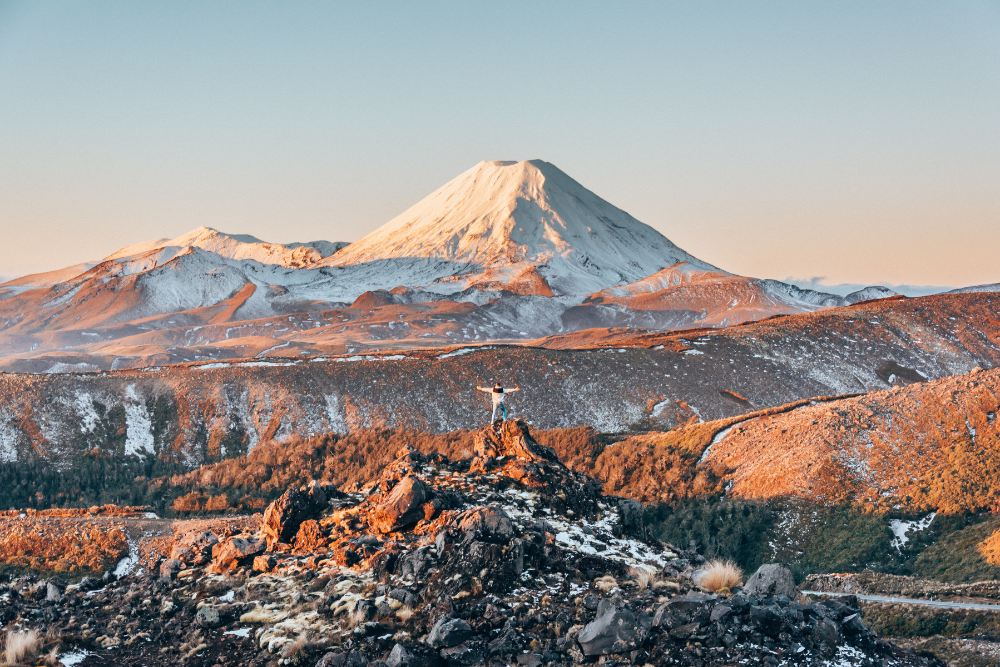
Located in the central North Island, Tongariro National Park is New Zealand’s oldest national park and a UNESCO World Heritage site. The park features three active volcanoes: Tongariro, Ngauruhoe, and Ruapehu. Each volcano has its unique characteristics and historical significance.
- Tongariro: The first national park in New Zealand, it is rich in Maori cultural heritage. The Tongariro Alpine Crossing is a world-famous trek that takes hikers through emerald lakes, volcanic craters, and sulfurous vents. The trek spans 19.4 kilometers and is considered one of the best day hikes in the world.
- Ngauruhoe: Famously known as “Mount Doom” from the Lord of the Rings trilogy, Ngauruhoe offers a challenging climb. Adventurers can trek to the summit, where they are rewarded with stunning views of the surrounding landscapes and the crater itself.
- Ruapehu: This active stratovolcano is also home to the Whakapapa ski area, making it a popular destination year-round. In the summer, hiking trails lead to the mountain’s stunning glacier-fed lakes, while winter brings skiing and snowboarding opportunities.
2. Rotorua: The Geothermal Wonderland
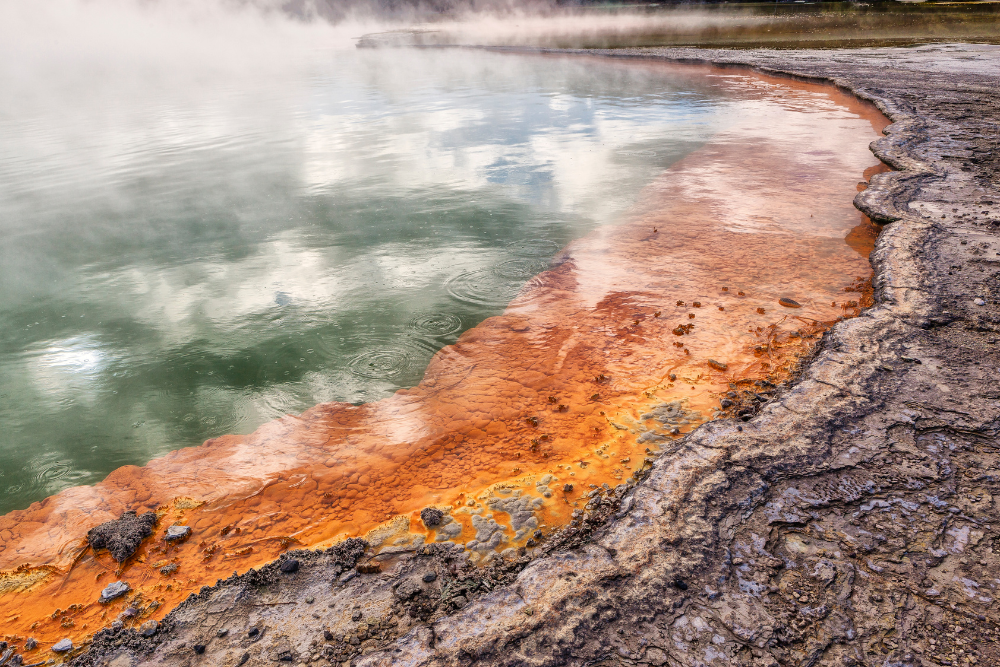
Rotorua is a hub of geothermal activity and cultural experiences. Known for its bubbling mud pools, geysers, and hot springs, it offers visitors a unique glimpse into the Earth’s geothermal forces.
- Te Puia: Home to the famous Pohutu Geyser, Te Puia is a must-visit. Visitors can witness the geyser’s eruptions and explore the rich Maori culture through traditional performances and crafts. The site also features stunning geothermal features, including boiling mud pools and silica formations.
- Wai-O-Tapu: This geothermal park is known for its colorful hot springs, such as the vibrant Champagne Pool and the Devil’s Bath, with its striking green waters. The area is perfect for leisurely walks along well-marked paths that allow for stunning photo opportunities.
- Polynesian Spa: After a day of exploration, unwind at the Polynesian Spa, where you can soak in natural mineral pools overlooking Lake Rotorua. It’s the perfect way to relax and rejuvenate amidst the breathtaking scenery.
3. Mount Taranaki: A Symmetrical Marvel
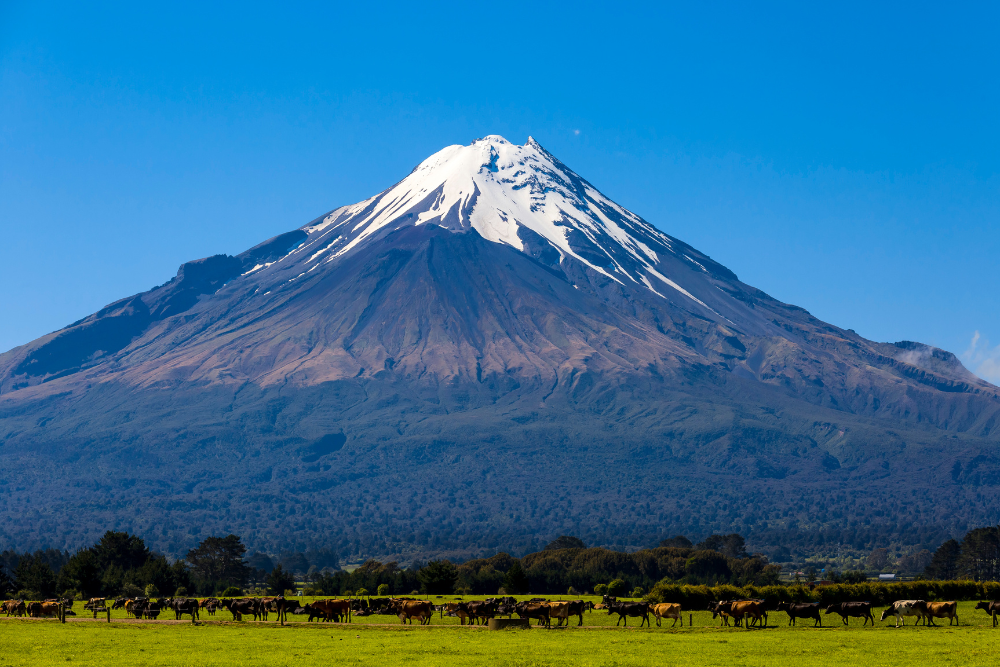
Mount Taranaki, or Egmont, is a dormant stratovolcano that dominates the landscape of Taranaki province. Its nearly perfect conical shape is iconic and provides a stunning backdrop for outdoor adventures.
- Egmont National Park: Hiking trails in this park lead to the summit of Mount Taranaki, offering panoramic views of the surrounding countryside and, on clear days, the distant coastline. The circuit track around the base of the mountain is a popular option, providing varying landscapes and a chance to encounter diverse wildlife.
- The Pouakai Circuit: This multi-day trek offers some of the best views of Mount Taranaki. The circuit includes lush rainforest, alpine scenery, and the iconic reflection of the mountain in the Taranaki lakes. It’s a must-do for serious hikers looking for a challenge.
4. White Island (Whakaari): An Active Volcanic Island
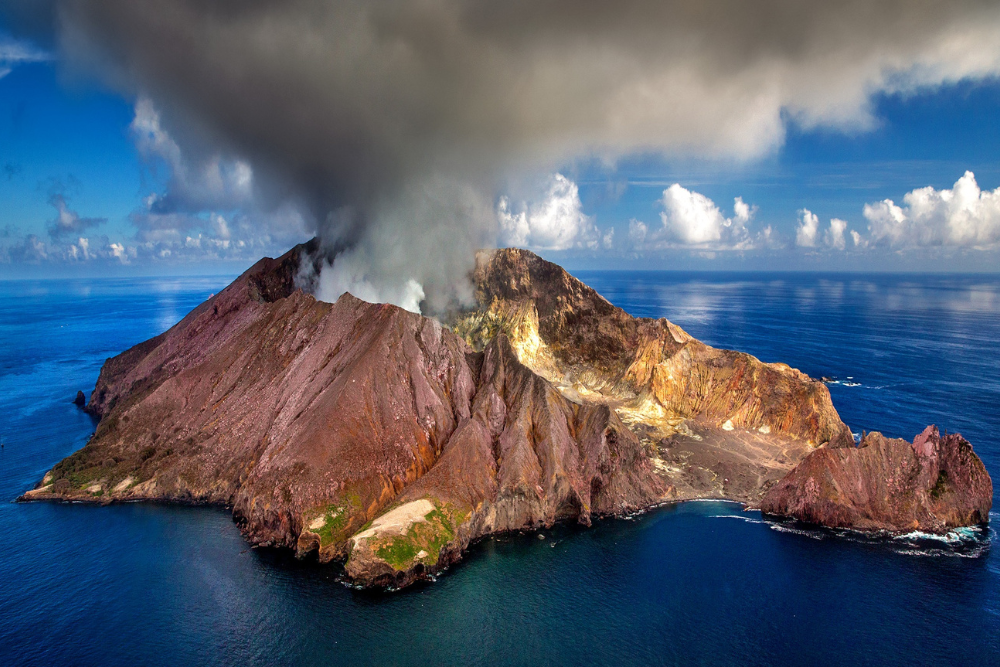
White Island, located off the coast of the Bay of Plenty, is one of New Zealand’s most active volcanoes. While visits require a guided tour for safety reasons, the experience is unforgettable.
- Guided Tours: Take a boat or helicopter tour to the island, where you can walk on the crater floor, observe steaming fumaroles, and see the sulfur deposits that give the island its otherworldly appearance. The site’s raw beauty and geological activity make it a photographer’s paradise.
- Safety Considerations: Due to its active status, it’s crucial to stay informed about volcanic activity. Tour operators provide updates and safety briefings to ensure a safe visit.
5. Akaroa and the Banks Peninsula: Volcanic History
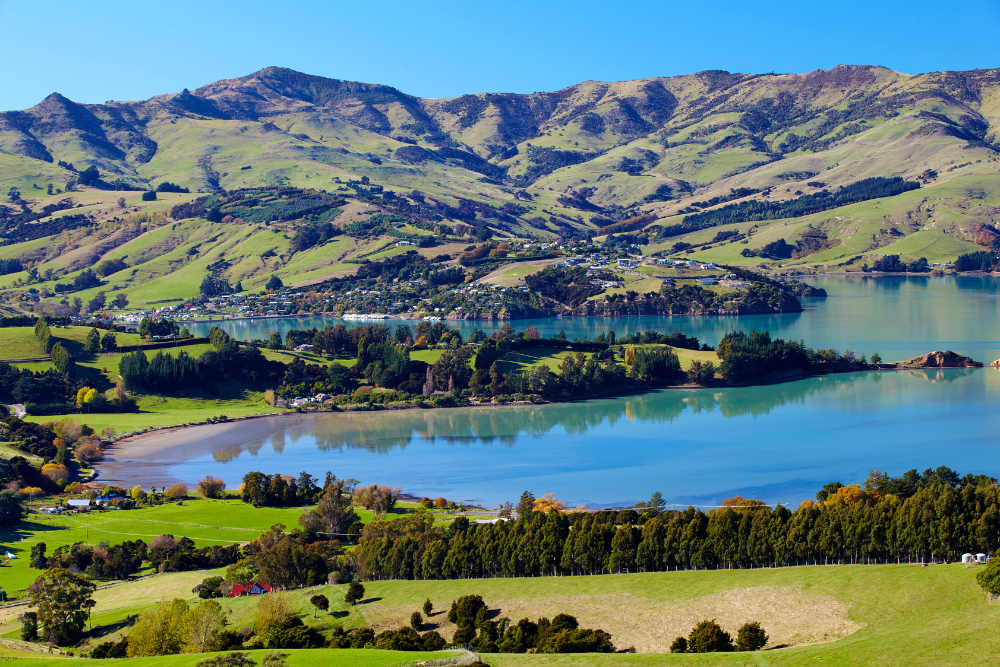
The Banks Peninsula, located near Christchurch, is a stunning example of how volcanic activity shapes landscapes. The peninsula was formed by volcanic eruptions millions of years ago and is characterized by steep cliffs and scenic harbors.
- Akaroa: This charming French-inspired town offers a unique blend of cultural experiences and stunning scenery. Enjoy a harbor cruise where you can spot dolphins and seals while learning about the area’s volcanic history.
- Hiking Trails: Numerous trails around the peninsula provide breathtaking views of the surrounding bays and the unique volcanic topography. The Akaroa Heritage Walk is a great way to explore the town’s history while enjoying the natural beauty.
Conclusion: Embrace New Zealand’s Volcanic Wonders
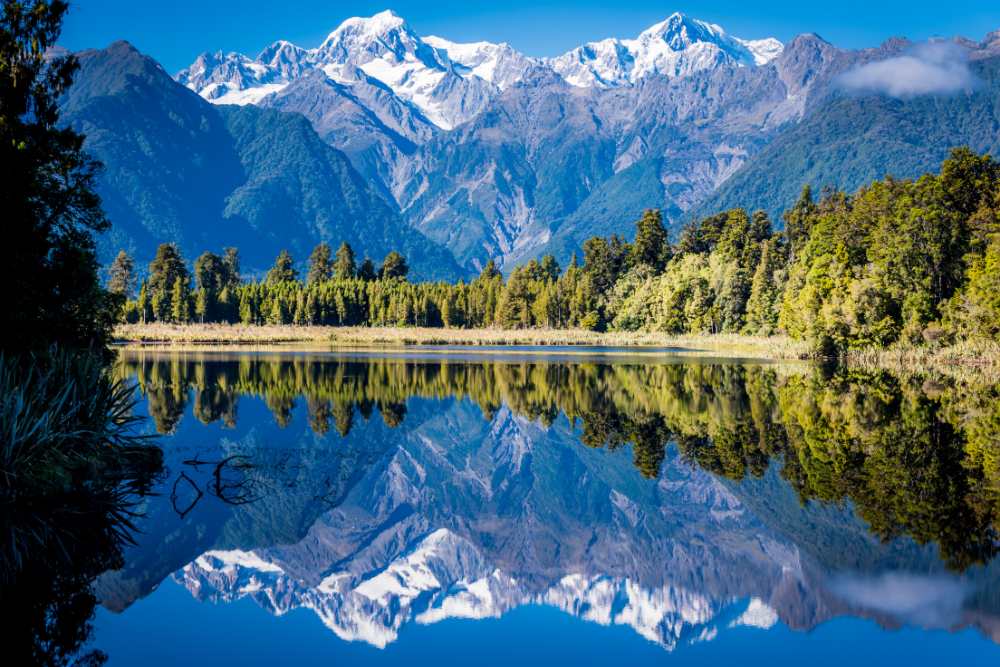
New Zealand’s volcanic landscapes are not just geological wonders; they are gateways to adventure, culture, and breathtaking beauty. From the iconic peaks of Tongariro National Park to the geothermal marvels of Rotorua, every corner of this country tells a story of the Earth’s dynamic processes. Whether you’re an avid hiker, a photography enthusiast, or simply seeking a unique travel experience, New Zealand’s volcanic wonders will leave you in awe.
Tips for Exploring New Zealand’s Volcanic Landscapes
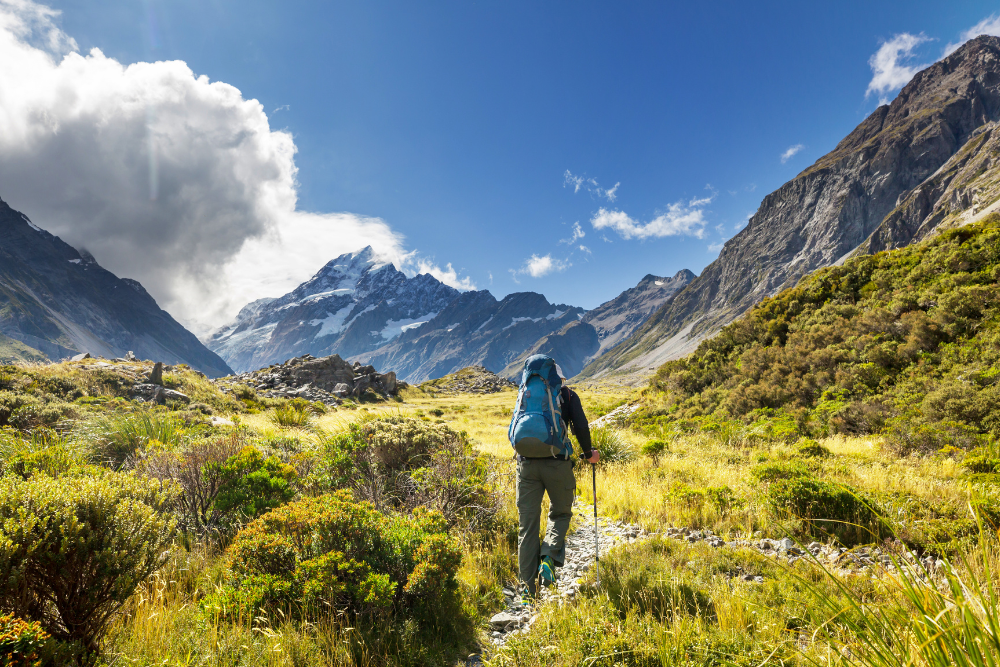
- Plan Ahead: Some areas may require permits or advance bookings, especially during peak seasons.
- Dress Appropriately: Weather can change rapidly, particularly in alpine areas. Layered clothing and sturdy footwear are essential.
- Stay Informed: Always check for volcanic activity updates and safety advice before venturing to active sites.
- Respect the Environment: Follow designated trails and guidelines to preserve these natural wonders for future generations.
By exploring New Zealand’s volcanic landscapes, you embark on a journey that is both adventurous and educational, immersing yourself in the raw beauty of nature. Prepare for an unforgettable experience that will resonate long after your travels have ended.