



Introduction
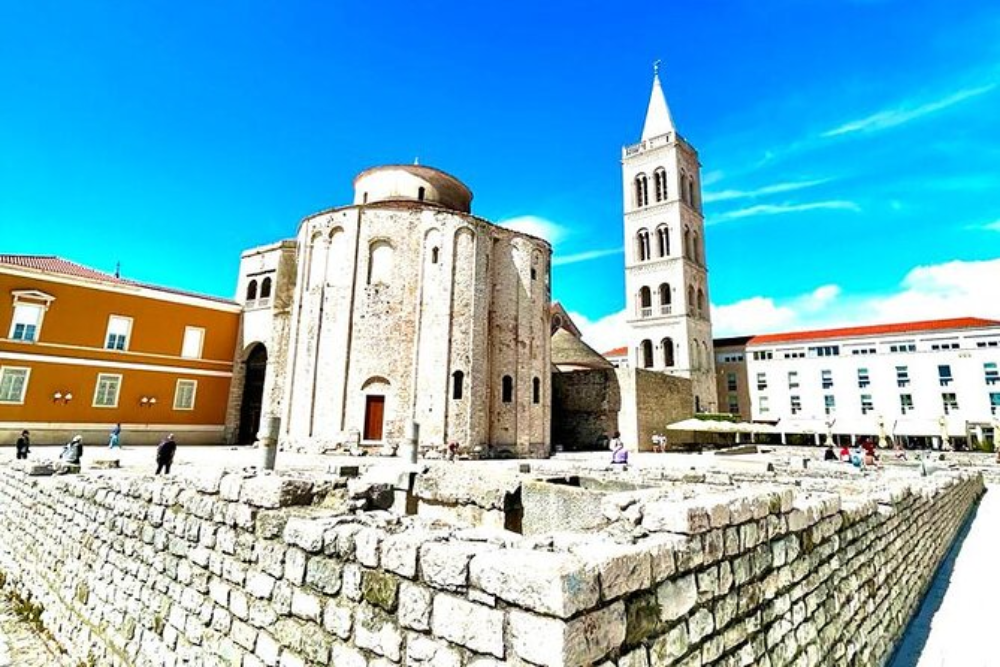
Nin is an enchanting, memorable town situated on the northern Dalmatian bank of Croatia, known for its rich social legacy, old vestiges, and lovely sea shores. It is quite possibly of the most seasoned town in Croatia, tracing all the way back to Roman times, and offers a mix of history and normal magnificence. Guests can investigate the archaic old town, home to antiquated places of worship, Roman remains, and the renowned Church of St. Nicholas.
Nin Old Town (Stari Grad)
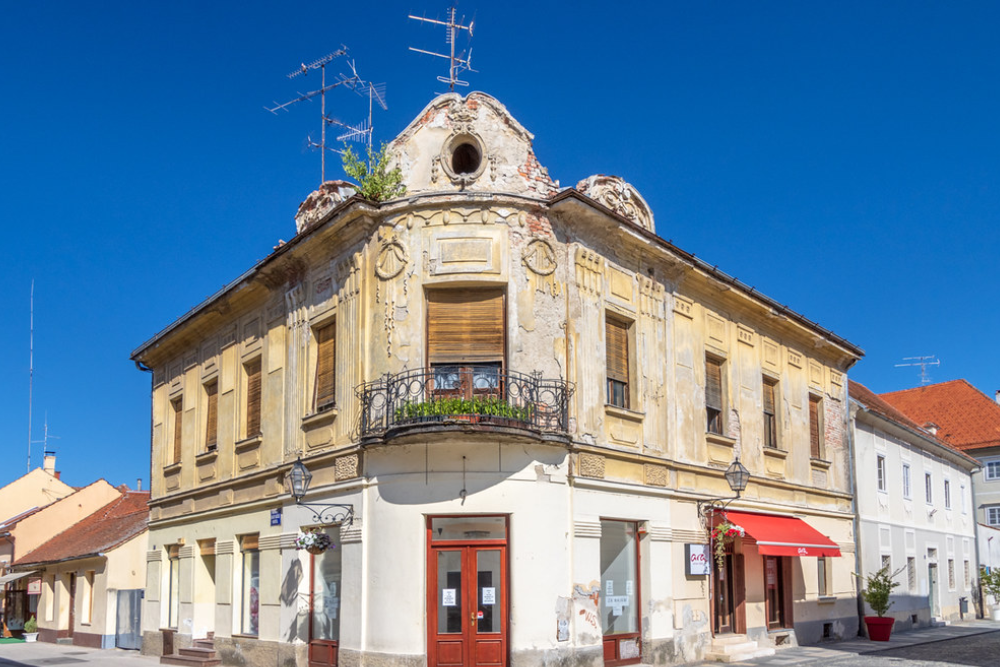
- The charming old town of Nin is built on a small island, connected to the mainland by a bridge. It’s a treasure trove of history, filled with Roman and medieval architecture. Wander through the narrow streets to explore old stone houses, quaint shops, and historic buildings.
Church of St. Donatus and St. Nicholas
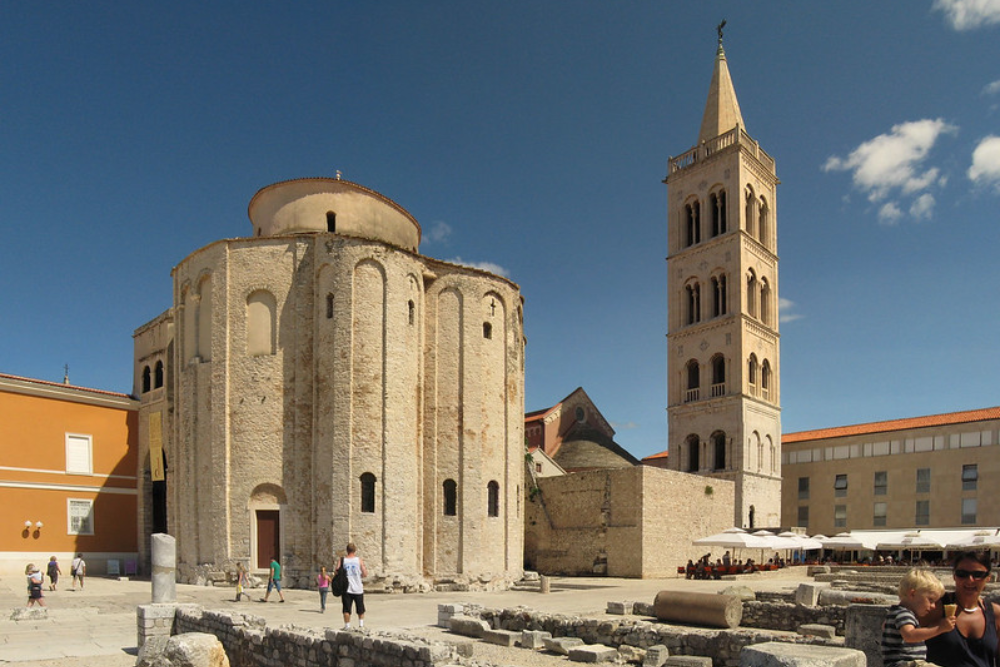
- The Church of St. Nicholas is one of Nin’s most iconic landmarks. Built in the 9th century, it is one of the smallest churches in Croatia and is often considered a symbol of the town.
Nin Salt Pans (Solana Nin)
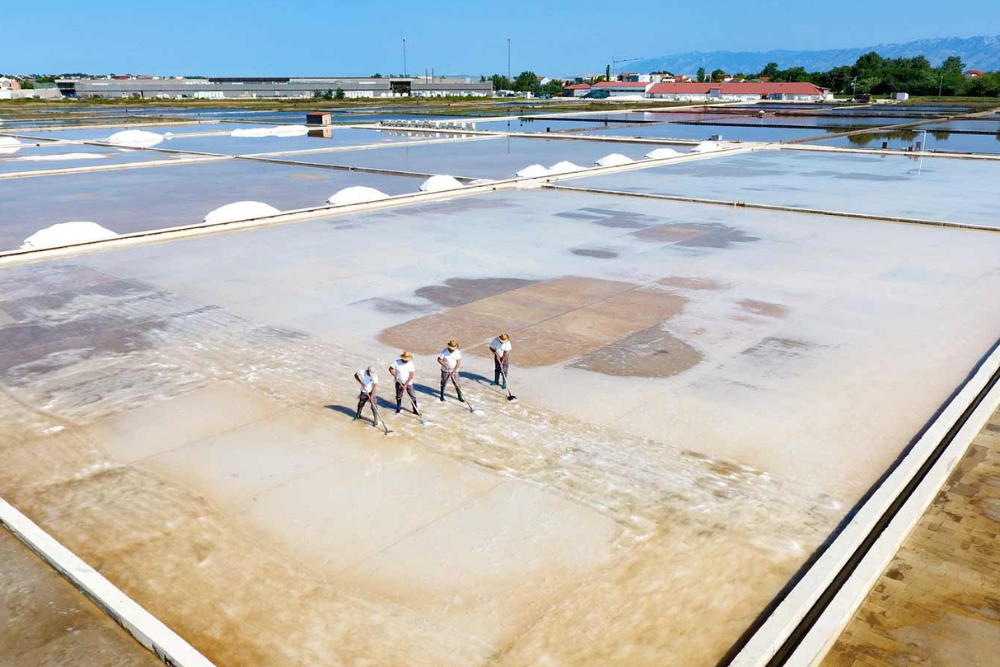
- Nin’s salt pans have been in operation for over 1,000 years. The salt produced here is of exceptional quality and is considered some of the best in the world. The salt pans are a great place to visit for those interested in local traditions and sustainable production methods.
Queen’s Beach (Kraljičina Plaža)
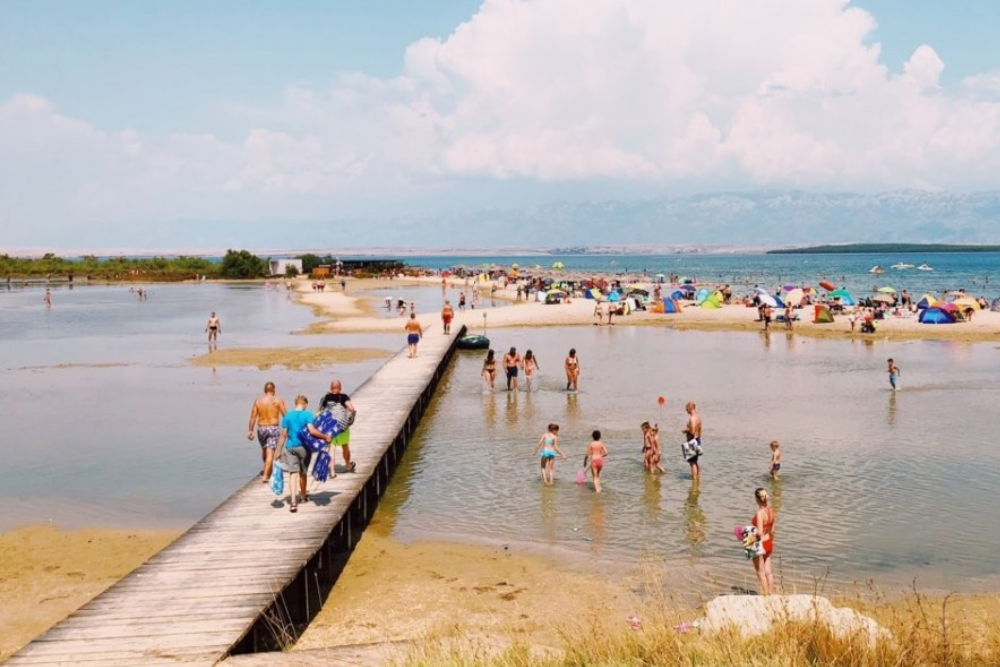
- One of the most beautiful beaches in the area, Queen’s Beach is known for its clear waters, shallow shore, and sandy landscape, making it ideal for families and those seeking a relaxing day by the sea. It’s also famous for its healing mud, believed to have therapeutic properties.
Nin Lagoon and the Vrana Lake Nature Park
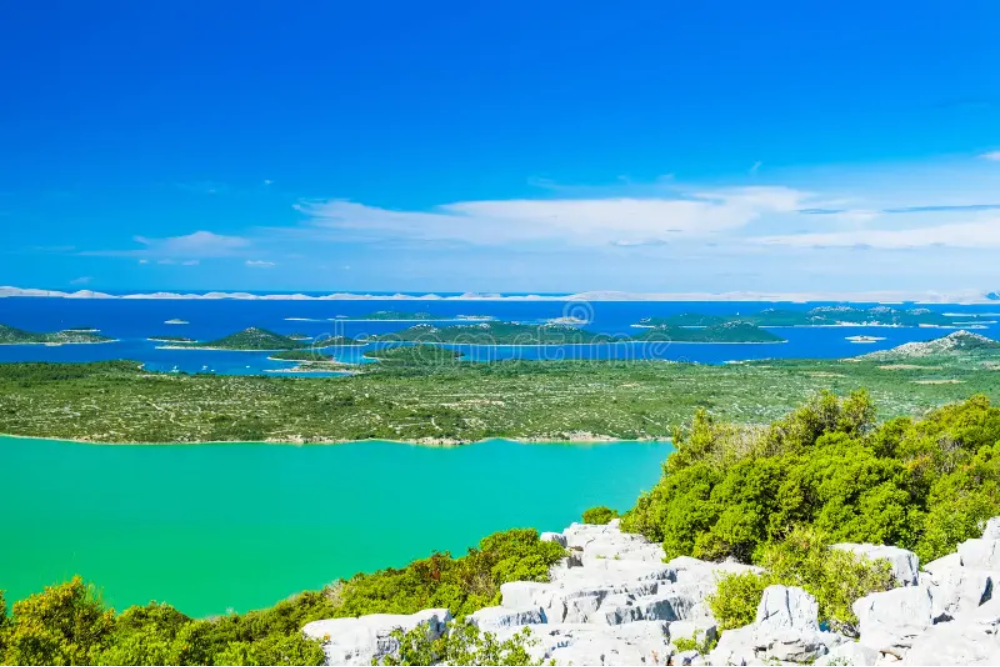
- The Vrana Lake Nature Park is Croatia’s largest freshwater lake and one of the best places for bird watching in the region. The Nin Lagoon is part of the park, offering stunning views, tranquil surroundings, and an opportunity to explore local flora and fauna.
Roman Temple of Jupiter
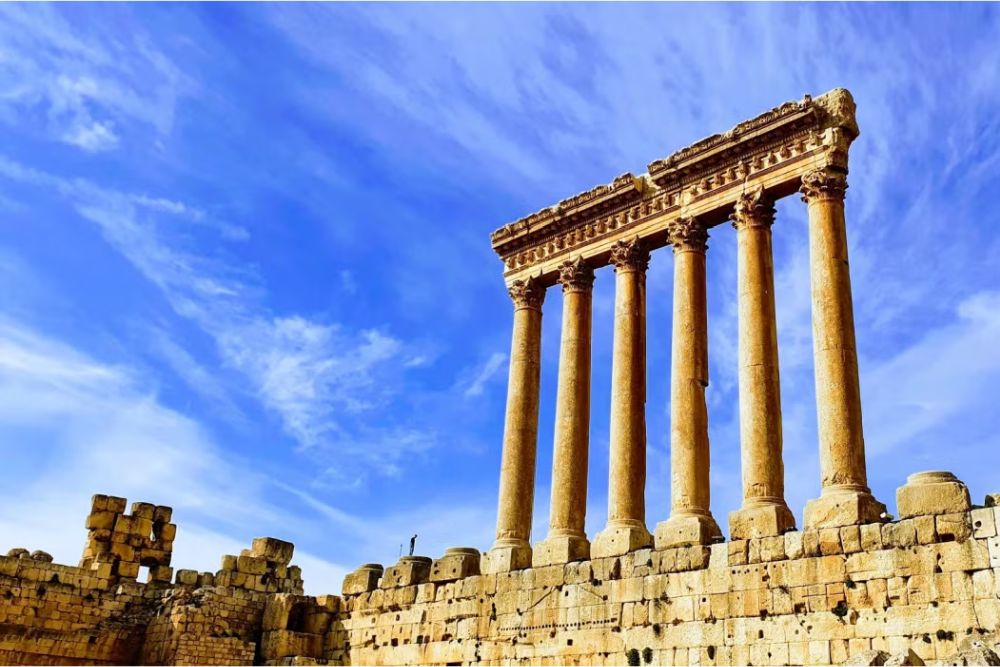
- This ancient Roman structure, built in honor of Jupiter, is one of the best-preserved ruins in Nin. The site provides insight into the Roman period in Croatia and is a fascinating stop for history enthusiasts.
Nin Archaeological Museum
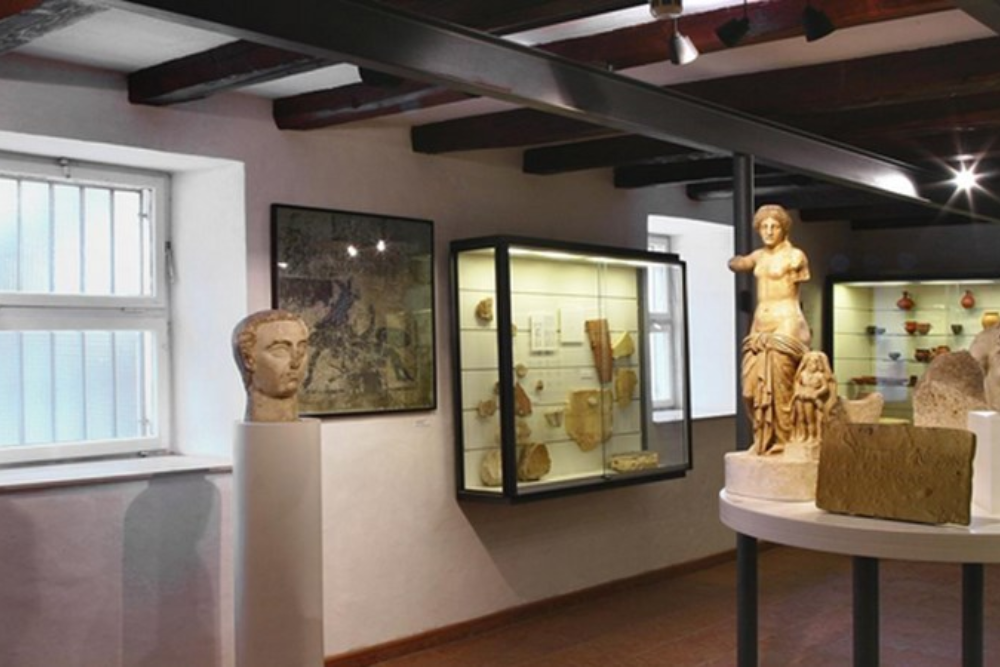
- For those interested in ancient history, the Nin Archaeological Museum offers a wealth of artifacts from the Roman, medieval, and prehistoric periods. It is housed in an old Venetian tower, providing an immersive experience into Nin’s fascinating past.
Windsurfing and Kitesurfing

- Nin is known for its favorable wind conditions, making it an excellent spot for windsurfing and kitesurfing. Queen’s Beach and the surrounding areas offer perfect conditions for both beginners and experienced enthusiasts.
Dos and Don’ts in Nin
When visiting Nin, it’s helpful to know some dos and don’ts to ensure you have a respectful and enjoyable experience. Here are some tips:
Dos
- Do respect local customs and history: Nin is a town rich in history, so take time to appreciate the ancient ruins and monuments. Respect the historical sites and keep noise to a minimum in sacred or quiet areas.
- Do visit the salt pans: Don’t miss the opportunity to visit Nin’s ancient salt pans, which have been in operation for over a thousand years. Learn about the traditional methods of salt production.
- Do try the local cuisine: Taste some of the region’s specialties, like pašticada (a slow-cooked beef dish), fresh seafood, and traditional Dalmatian prosciutto.
Don’ts
- Don’t disturb the local wildlife: If you’re in the Vrana Lake Nature Park or near the salt pans, avoid disturbing wildlife, especially birds, by staying at a respectful distance.
- Don’t leave trash behind: Make sure to dispose of your waste responsibly and avoid littering, especially at beaches or natural reserves.
- Don’t touch the ancient ruins: Many of the ruins in Nin are delicate and historical. Avoid climbing on or touching them to help preserve these sites for future generations.
Best time to reach in Nin
The best time to visit Nin largely depends on the type of experience you’re seeking, but generally, the spring (April to June) and early autumn (September to October) are ideal for most tourists.
Spring (April to June):
- The weather is pleasant, not too hot, and the town is less crowded than in the peak summer months. This is the perfect time for outdoor activities like hiking, cycling, and exploring the historical sites without the hustle and bustle of the high season. The salt pans and nature reserves are particularly beautiful in spring, with the blooming flora adding to the charm of the area.
Summer (July to August):
- If you prefer beach vacations and water sports, the summer months offer warm temperatures and clear waters, making it perfect for swimming, windsurfing, and enjoying Nin’s beautiful beaches like Queen’s Beach. However, this is also the peak tourist season, so the town can be crowded and accommodations may be more expensive.
Autumn (September to October):
- Early autumn is one of the best times to visit Nin. The weather is still warm, but the summer crowds begin to thin out. The sea is warm enough for swimming, and the town is less crowded, making it easier to enjoy its historical sites and natural beauty at a more relaxed pace. Additionally, this is harvest time, and you may get the chance to sample local fresh produce and enjoy cultural events.
Winter (November to March):
- While winter offers a quieter, more serene atmosphere, it can be chilly and some attractions or activities (especially water-based ones) may be closed or limited. However, if you enjoy a peaceful getaway and want to explore Nin’s history without the crowds, this can be a good time to visit. The town is not as vibrant as during the warmer months, but the coastal winter views can be striking.