



Introduction
Opolskie (Opole Voivodeship) is a picturesque region in southwestern Poland, known for its rich cultural heritage, charming landscapes, and historical significance. The capital city of the region, Opole, is one of the oldest cities in Poland, with a history that dates back over a thousand years. Opolskie is often referred to as the “Gateway to Silesia,” due to its location between the historic Silesian region and the rest of Poland. Opolskie is famous for its diverse mix of landscapes, including lush forests, tranquil lakes, and beautiful river valleys. The region is also known for its strong cultural identity, influenced by Polish, Silesian, and German traditions. It is home to the renowned Opole Song Festival, one of the oldest and most prestigious music festivals in Poland, which celebrates the country’s musical heritage. Visitors to Opolskie can explore its beautiful countryside, historic castles, and charming towns, such as Krapkowice and Nysa, while also enjoying the vibrant atmosphere of Opole city, which boasts an impressive Old Town, medieval architecture, and cultural venues. The region is also rich in natural beauty, with the Opole Landscape Park and numerous nature reserves offering opportunities for outdoor activities like hiking, cycling, and birdwatching.
Opole Zoo
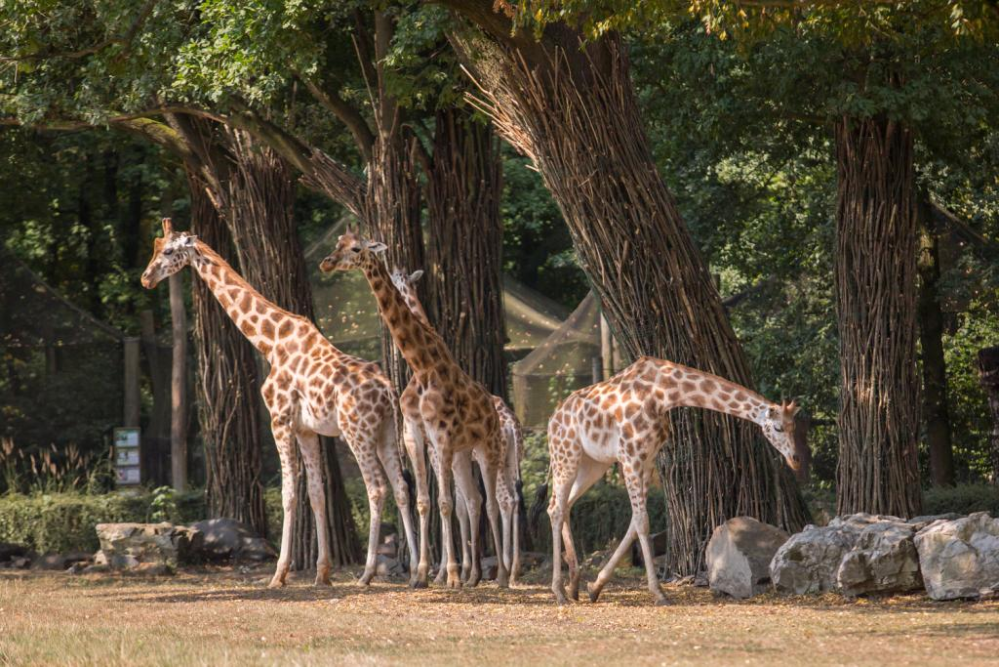
Located in the picturesque Opole Castle Park, the Opole Zoo is a great family-friendly attraction. It houses a variety of animal species and is perfect for a fun and educational day out, with scenic walking paths and lush greenery.
Opole Amphitheatre
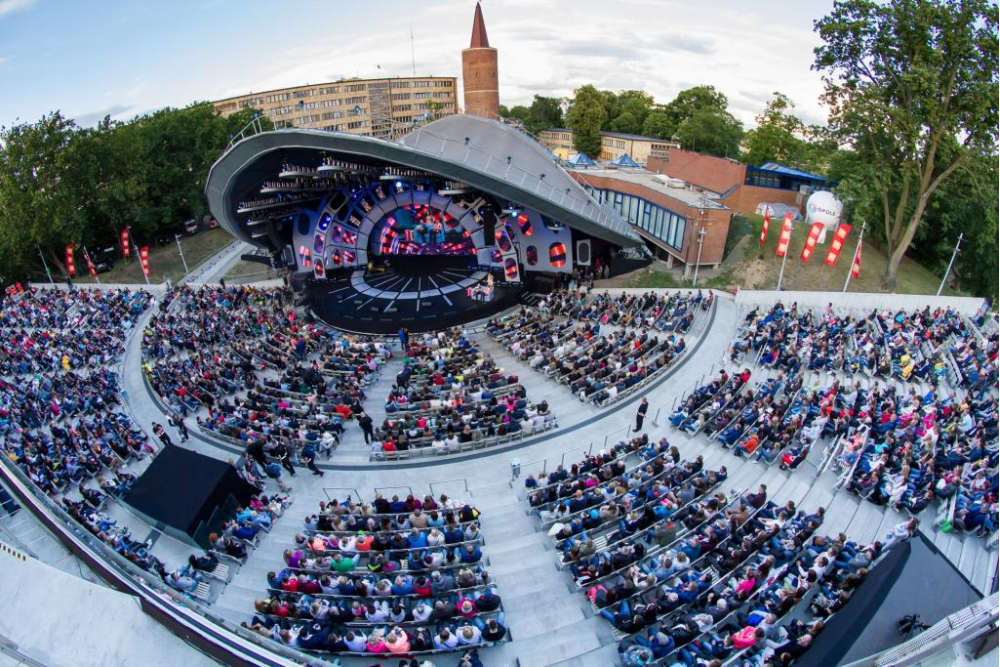
A major cultural landmark, the Opole Amphitheatre is where the annual Opole Song Festival is held. Even outside the festival, the amphitheatre is an impressive structure with beautiful views of the river, making it a must-visit for music and history lovers.
Opole Old Town
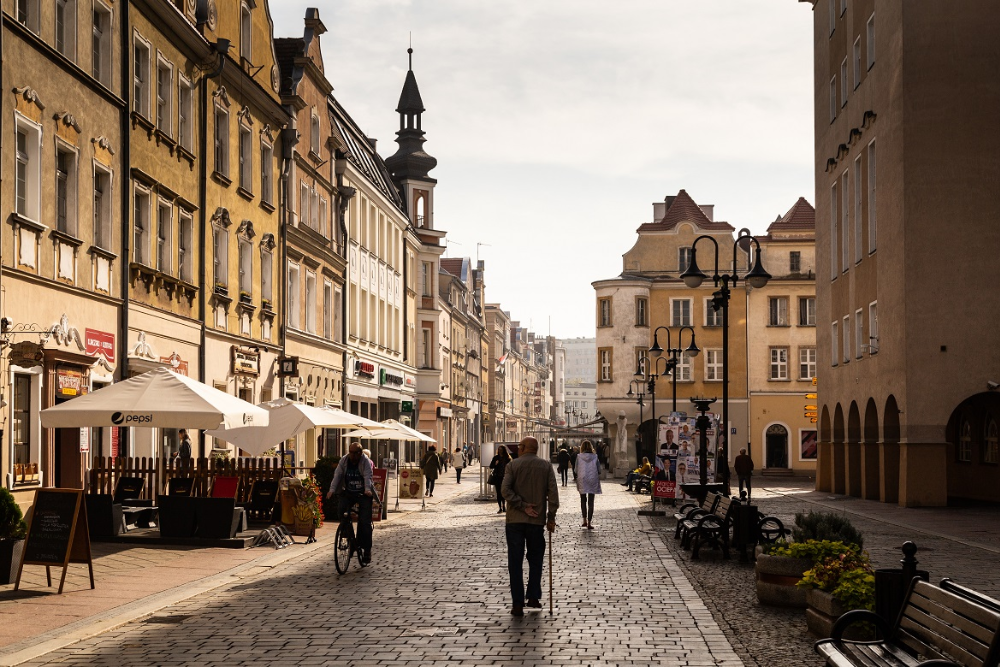
Opole’s Old Town is a charming area full of colorful buildings, cobbled streets, and historic landmarks. The Opole Cathedral and the Town Hall are key sights, and the atmosphere here is perfect for a leisurely stroll through history.
Moszna Castle
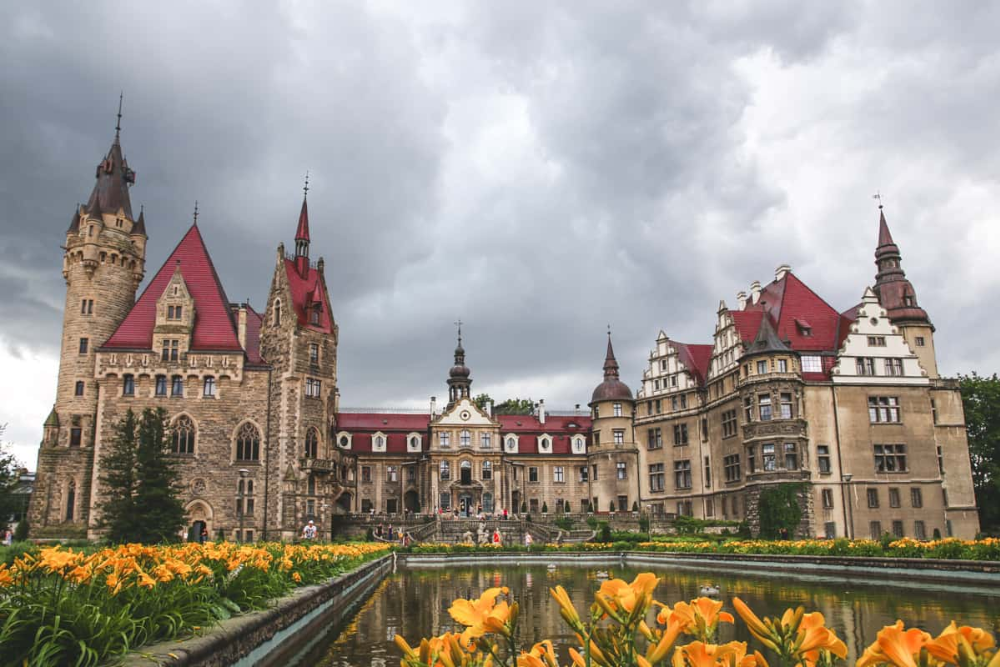
Often called the “Polish Loire,” Moszna Castle is one of the most beautiful and unique castles in Poland. With over 99 towers and turrets, this fairytale-like structure is set amidst beautiful gardens and parks, offering a picturesque setting and rich history to explore.
Kayaking on the Oder River
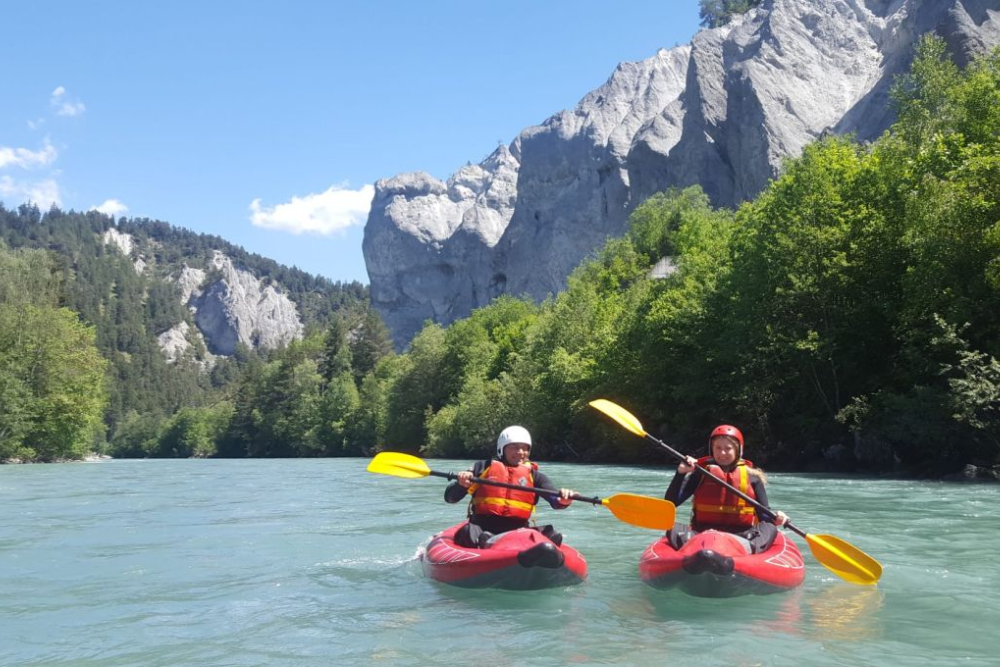
The Oder River flows through Opole, offering opportunities for kayaking and canoeing. Paddle along the river, taking in the scenic views of the city and the surrounding countryside, and explore its peaceful waters for a unique adventure experience.
Hiking in Opole Landscape Park
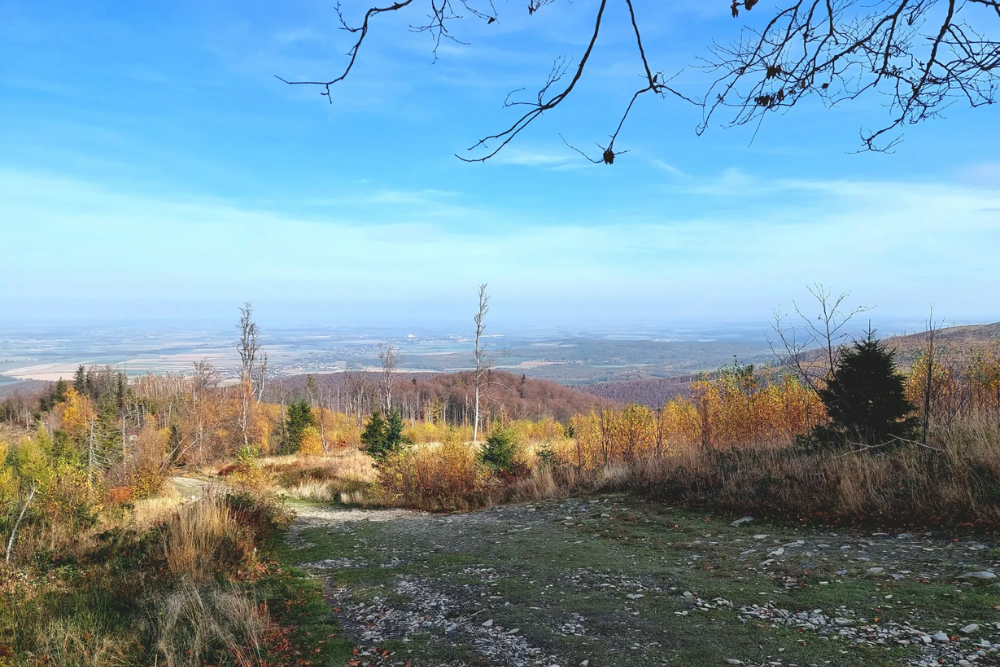
This protected natural area near Opole offers a variety of trails for hiking. With forests, meadows, and rolling hills, it’s an excellent spot for outdoor enthusiasts to explore nature, birdwatch, or simply enjoy the tranquility of the park.
Cycling Around the Nysa Lake
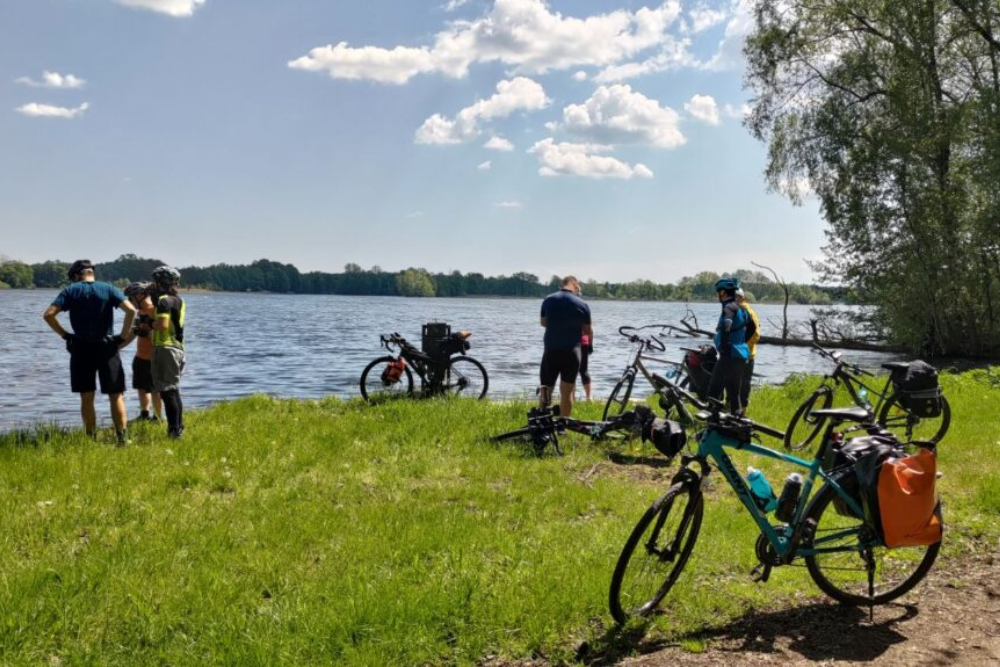
Nysa Lake, located in the region, is surrounded by picturesque cycling paths that offer stunning views of the water and nearby forests. It’s a fantastic location for cyclists of all levels, with routes ranging from easy-going to more challenging trails.
Climbing at the Ksiaz Castle
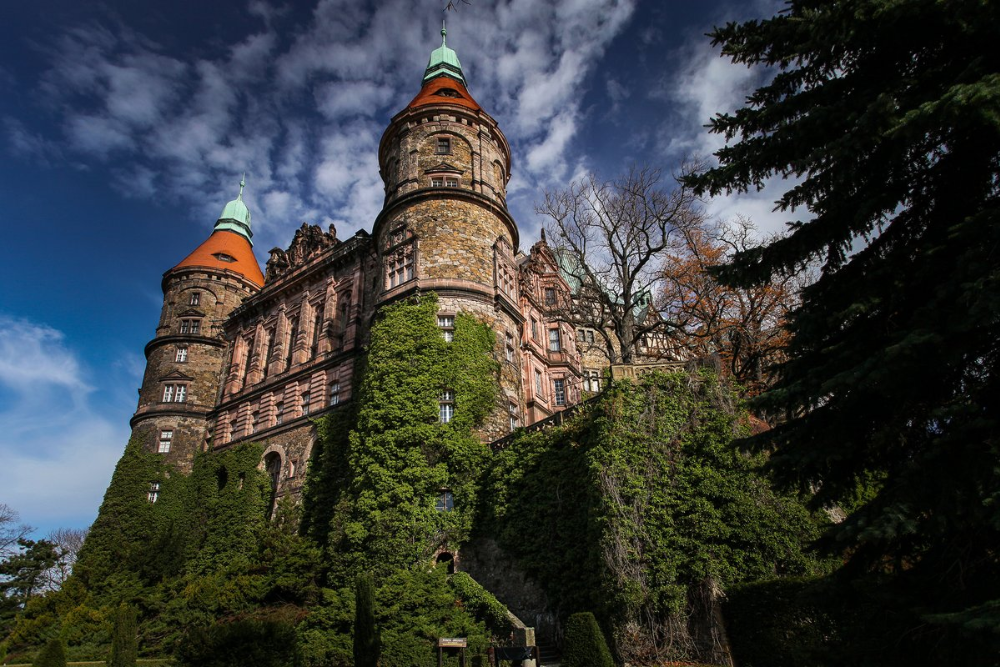
While the Książ Castle is primarily known for its historical significance, the surrounding area also offers opportunities for rock climbing. The castle’s scenic location in the landscape provides an adventurous backdrop for outdoor activities like climbing and hiking.
Biking on the Oder River Cycle Trail
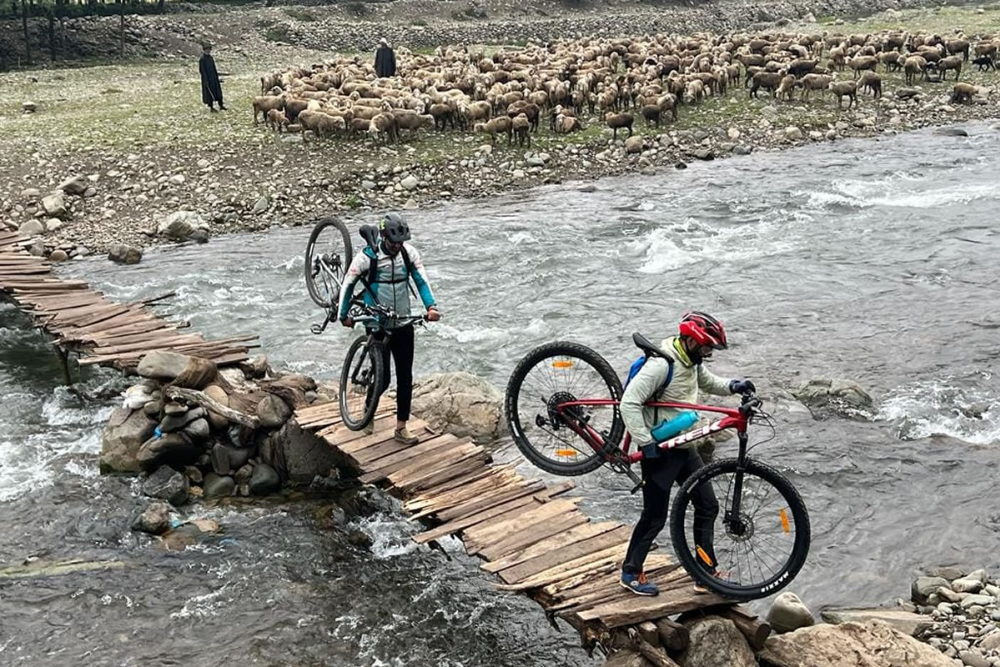
The Oder River Cycle Trail stretches across the region and offers bike enthusiasts the chance to explore Opolskie’s diverse landscapes, from forests and farmland to riverside views. It’s ideal for cyclists looking for an active way to experience the region’s beauty.
Dos and Don’ts in Opolskie (Opole)
Dos
- Do Greet People Politely
- In Opole, greetings are important in social settings. When meeting someone, greet them with a handshake and say “Dzien dobry” (Good day) or “Czesc” (Hi). Using formal titles, such as Panie (Mr.) and Pani (Mrs.), is appreciated, especially with strangers.
- Do Respect Religious Sites and Traditions
- Opole has several churches and religious landmarks. When visiting these places, dress modestly and behave respectfully. If you enter a church or cathedral, keep noise to a minimum, and avoid taking photos unless permitted.
- Do Try the Local Cuisine
- Mazovian cuisine, influenced by both Polish and Silesian traditions, is a highlight of the region. Don’t miss out on local dishes like kluski slaskie (Silesian dumplings), bigos (hunter’s stew), and silesian kopytka (potato dumplings). A warm “smacznego” (enjoy your meal) is always appreciated!
Don’ts
- Don’t Be Late
- Punctuality is important in Poland. Arriving late for social gatherings, meetings, or appointments is considered impolite. Be sure to arrive on time to show respect for other people’s time.
- Don’t Point at People
- Pointing at people with your finger is considered rude in Poland. If you need to gesture towards something or someone, use your whole hand or a less direct gesture.
- Don’t Discuss Politics or Sensitive Topics
- Topics like politics, religion, or historical matters, especially related to Poland’s history in WWII and communism, can be sensitive. It’s best to avoid these discussions with people you don’t know well unless the conversation naturally leads there.
Best time to reach Opolskie (Opole)
The best time to visit Opolskie (Opole) depends on what type of experience you’re looking for, as each season offers something unique. Here’s a breakdown of the seasons to help you decide:
1. Spring (April to June)
- Spring in Opolskie is mild, with temperatures ranging from 10°C to 20°C (50°F to 68°F). The region starts to bloom, with lush greenery and flowers appearing in parks and gardens.
- Spring is a great time for outdoor activities like hiking in the Opole Landscape Park or cycling around Nysa Lake.
- The weather is pleasant and not too hot, making it ideal for sightseeing. Plus, the tourist crowds are lighter compared to the summer months.
2. Summer (July to August)
- Summer in Opolskie is warm, with temperatures typically between 20°C and 30°C (68°F to 86°F), and long daylight hours.
- Summer is the peak tourist season, especially for cultural events. The Opole Song Festival, one of Poland’s most famous music festivals, takes place in June, drawing many visitors.
- It’s also a fantastic time for enjoying outdoor activities, such as sailing, kayaking on the Oder River, or relaxing by Nysa Lake. The region is vibrant, with many festivals, outdoor concerts, and events.
3. Autumn (September to November)
- Autumn brings cooler temperatures ranging from 10°C to 20°C (50°F to 68°F) in early autumn, dropping significantly in November. The foliage turns colorful, creating beautiful landscapes.
- Autumn is a great time for photography, hiking, and enjoying the changing colors of the leaves in Opole Landscape Park.
- The weather is still mild early in the season, and the crowds from the summer months have thinned, offering a more peaceful and relaxed experience.
4. Winter (December to February)
- Winters in Opolskie can be cold, with temperatures ranging from -5°C to 5°C (23°F to 41°F). Snow is common, especially in January and February.
- Winter is a magical time, especially in the city of Opole with its Christmas markets, holiday decorations, and winter festivals.
- The winter season is ideal for those who enjoy cozy indoor experiences like visiting museums, galleries, and enjoying Polish winter cuisine. It’s also a quiet time to explore historical sites without the crowds.