


Introduction
Indonesia is known for it’s diverse culture. One of the most attractive part of Indonesian culture is its traditional wearing or attire, which reflects the country’s vast history and artistry. From the colourful sarongs of Bali to the intricate weaves of Sulawesi, these attires shows Indonesia’s diversity and culture.
With this guide, we’ll delve into the Indonesia’s diverse cultural heritage, explore it’s different traditional attires, revealing the reasons and thoughts behind these attires, the materials and craftsmanship involved in making them, and the occasions on which they are worn. Each type of attire tells its own story and upholds the legacy of ethnic groups who had preserved their traditions through generations.
1. Babu Nggawi: Southeast Sulawesi
Babu Nggawi is the traditional attire of the Tolaki tribe in Southeast Sulawesi, often worn during ceremonies that honor the tribe’s rich heritage. The attire includes vibrant sarongs, intricately designed blouses, and various accessories showcasing the Tolaki’s unique artistry. The bold colors and detailed patterns of Babu Nggawi express the Tolaki community’s identity and serve as a tribute to their cultural skills and heritage, symbolizing unity and pride within the tribe.
These attires are important for the tribe’s identity and are reserved for important events. Wearing Babu Nggawi not only preserves Tolaki tradition but also strengthens bonds between them and their communities. It symbolizes the Tolaki people’s pride in their history and the values that have been passed down through generations.
2. Bodo and Pokko: South Sulawesi
The Bugis and Toraja tribes of South Sulawesi wear distinct traditional attire that marks significant aspects of their heritage and social hierarchy. Baju Bodo, a traditional garment of the Bugis tribe, is among the oldest in Indonesia. Its loose, shortsleeved structure comes in various colors that represent age and social status: green for nobility, white for shamans, purple for widows, and orange and red for young women. Often paired with checkered sarongs and goldplated jewelry, Baju Bodo stands as a vibrant representation of Bugis culture.
Baju Pokko, another traditional attire from the Toraja tribe, features bold colors like yellow, red, and white and is often adorned with accessories such as headbands and belts. These garments are reserved for formal events and significant ceremonies, symbolizing the values and traditions of the Bugis and Toraja people. Together, Baju Bodo and Baju Pokko are not only clothing but also expressions of cultural identity that reinforce the social structures within these communities.
3. Lambung and Pegon: West Nusa Tenggara
The Sasak tribe of Lombok, West Nusa Tenggara, has its own unique traditional attire known as Lambung and Pegon. Lambung is worn by women and it is basically a sleeveless black dress with v-neckline, complemented by a shawl and silver accessories. For men, Pegon blends Javanese and European style along with a jacket and headpiece. These attires are typically used in ceremonies and festivals, where they symbolize the Sasak people’s rich cultural heritage.
The Lambung and Pegon attire serves as an expression of the Sasak community’s values, which shows their creativity and respect for tradition. These garments are not only worn for ceremonial purposes but are also a way of preserving and honoring the Sasak tribe’s identity as well as history.
4. Hinggi: East Nusa Tenggara
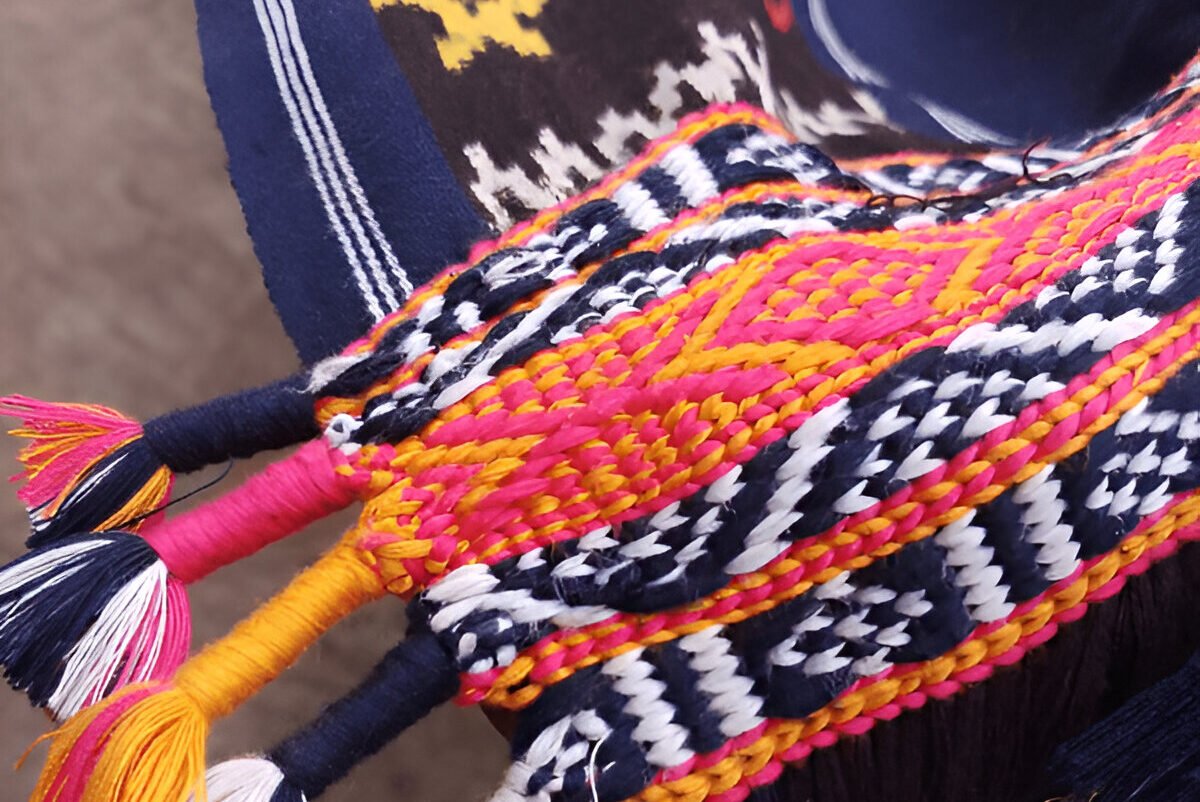
Hinggi is the traditional attire of East Nusa Tenggara, particularly from the Sumba region. Known for its ikat weaving, this attire holds social and symbolic value. Sumba men wear Hinggi headpieces styled to signify different symbols, along with traditional weapons at the waist, symbolizing strength. Women’s clothing includes intricately woven fabrics like Lau Kawar, complemented by jewelry.
Hinggi garments are often showcased during significant ceremonies, where they celebrate Sumba’s unique textile heritage and the skills of its people. The ikat technique used in Hinggi weaving is intricate and reflects the rich cultural traditions of East Nusa Tenggara, making Hinggi not only a piece of clothing but a canvas of history and artistic mastery.
5. Cele: Maluku
In Maluku, the people of Ambon have traditional attire known as Baju Cele, which features kurungstyle geometric patterns in red, symbolizing joy and agility. The attire is commonly worn during adat ceremonies, royal events, and festivals and is accompanied by accessories such as the sanggul or konde bulan hairstyle.
Baju Cele embodies the spirit of Ambonese culture, with each element representing aspects of Maluku’s identity. Its bright colors and intricate patterns make Baju Cele a striking example of how clothing can serve as a marker of cultural pride and tradition.
6. Manteren Lamo: North Maluku
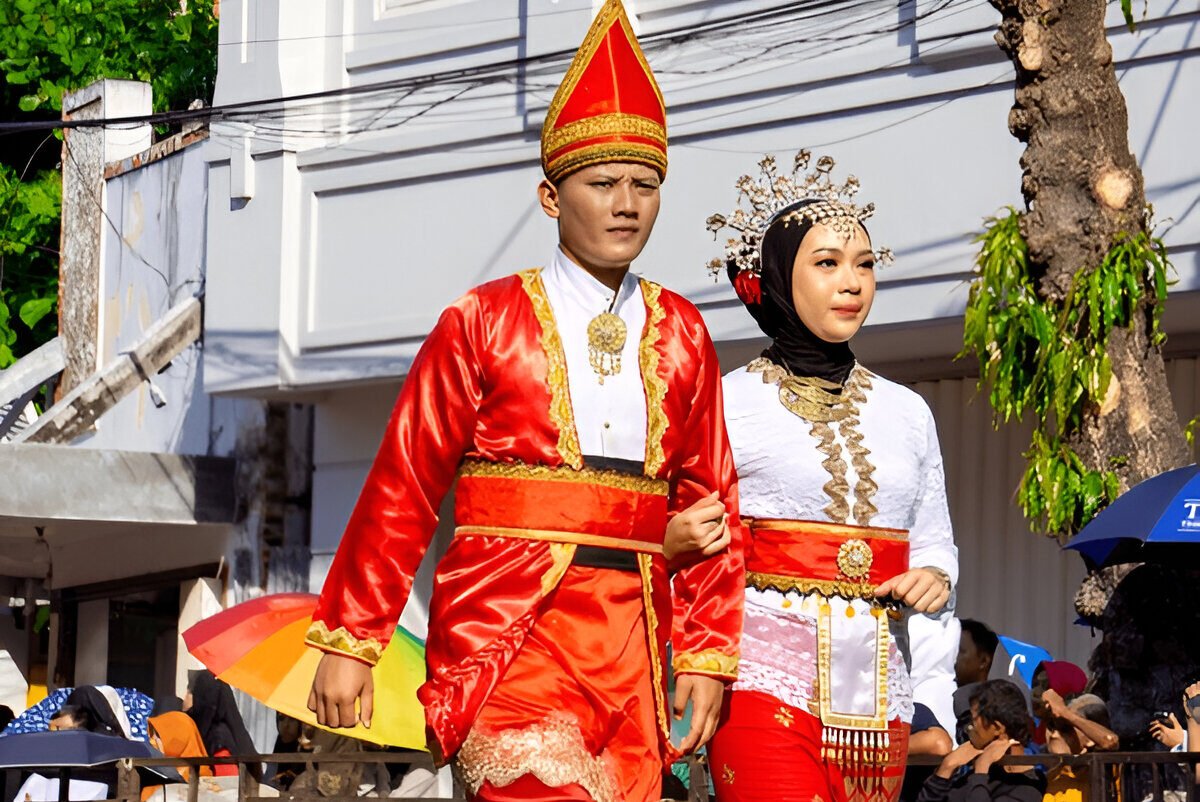
Manteren Lamo is the traditional attire of North Maluku, tracing back to the Maluku Sultanate. This attire includes a red jacket adorned with silver buttons and gold embroidery, symbolizing bravery and luxury. Once worn by sultans, it now represents North Maluku’s royal heritage and is typically worn at significant events.
Manteren Lamo showcases the grandeur and nobility of North Maluku’s past, with its detailed craftsmanship and luxurious materials highlighting the Maluku Sultanate’s historical significance. The attire is a proud symbol of the region’s royal heritage, connecting current generations to a rich cultural legacy.
7. Koteka: Papua
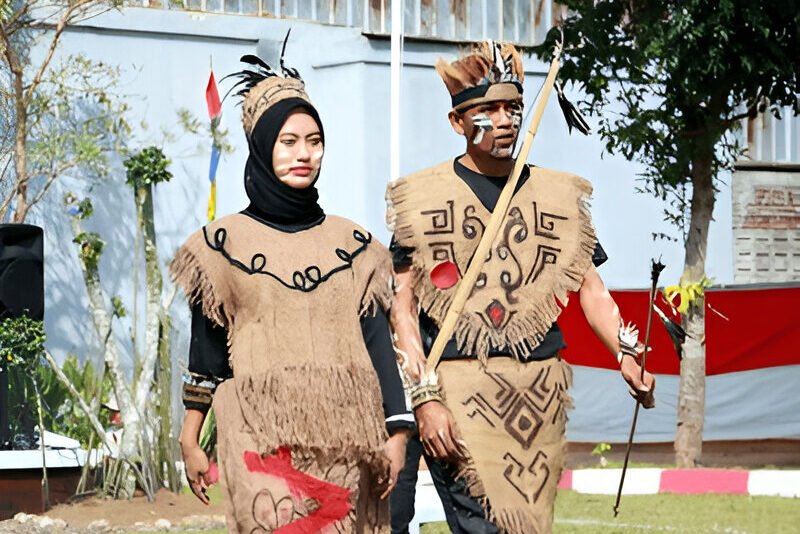
Koteka, one of the most distinctive traditional attires from Papua, serves as a covering for men, crafted from gourd skins and birdbeak casings. The design of a koteka varies by tribe and signifies social standing, with tribal leaders often wearing more elaborately shaped kotekas to reflect their rank.
This unique attire highlights the traditional practices and social structure within Papuan society. Each koteka serves as a badge of identity, representing the wearer’s role in the community and the cultural values that the tribes continue to honor and protect.
8. Ewer: West Papua
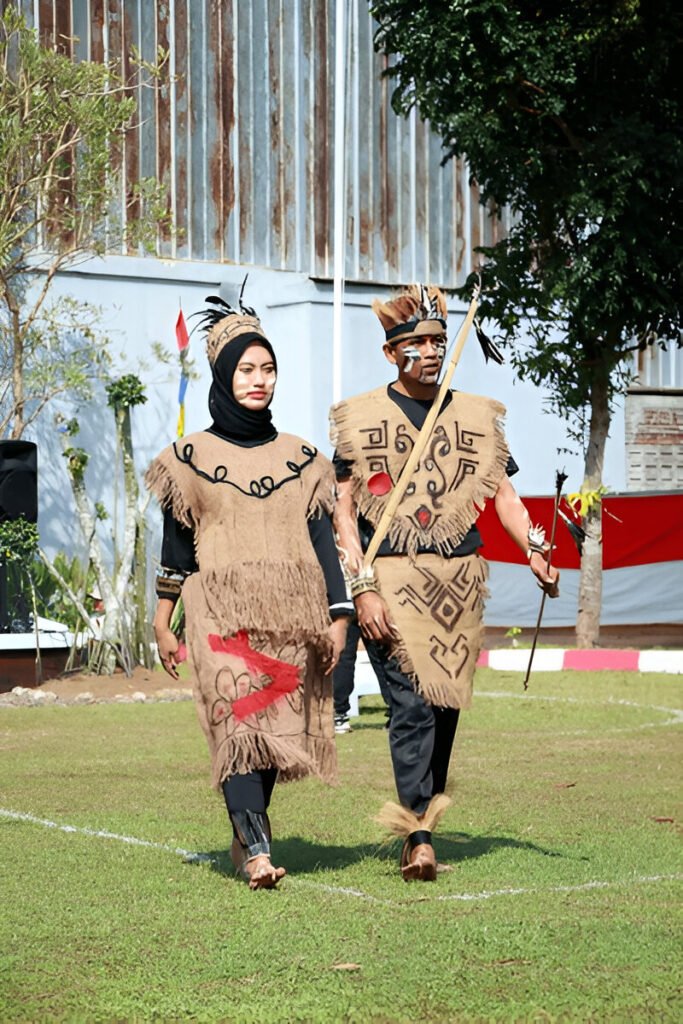
Ewer attire in West Papua includes skirts made from dried straw, traditionally worn by men and women. Modern Ewer clothing now incorporates fabric tops alongside natural materials, making it a blend of tradition and contemporary style. The attire, often adorned with headpieces featuring West Papuan motifs, is worn during ceremonies and formal events.
Ewer attire embodies the cultural essence of West Papua, using natural materials to reflect the community’s connection to the land. This attire serves as a means of preserving traditional practices while adapting to modern influences, showcasing West Papua’s unique cultural identity.
9. Sali and Yokal: Southwest Papua
In Southwest Papua, the traditional garments of Sali and Yokal are crafted from sago bark, marking life stages for women. Sali is worn by single women, while Yokal is for married women, each garment symbolizing a different phase of life. The attire reflects the values and traditions of Papuan society, where clothing serves as an indicator of status and identity.
Both Sali and Yokal capture the essence of the Papuan way of life, highlighting the role of women in their communities. By wearing these garments, Papuan women celebrate their heritage and the customs that define their identities within the community.
Conclusion
Indonesia’s traditional attire is a collection of its cultural diversity. Each cloth, from the colorful Baju Bodo of South Sulawesi to the unique Koteka of Papua, holds a deep significance and tells us the stories and values of the people who wear them. As we continue to appreciate Indonesian culture, it is essential to preserve and promote these traditional attires, ensuring they remain cherished symbols for future generations. By understanding and honoring these beautiful and unique attires, we can have more respect for Indonesia’s cultural heritage and the communities that have shaped it.