


Introduction
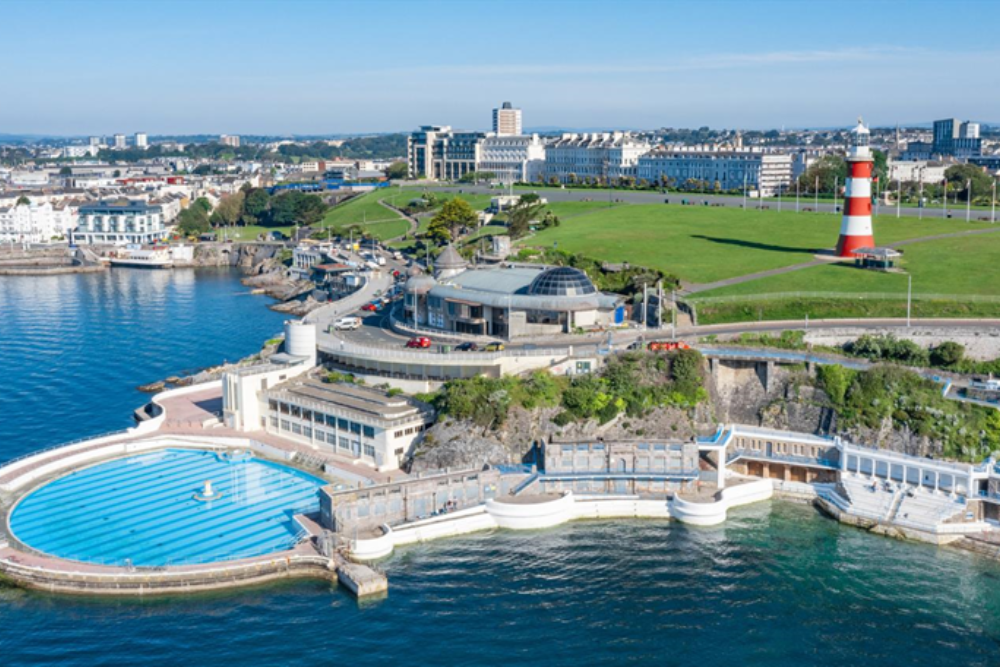
Plymouth is an energetic port city situated on the southwest bank of Britain, known for its rich sea history, dazzling beach front scenes, and social attractions. As a noteworthy maritime city, it brags an abundance verifiable locales, for example, the Mayflower Steps, denoting the takeoff point of the Explorers to America in 1620, and Illustrious William Yard, an assortment of flawlessly reestablished maritime structures presently home to cafés and shops.
Royal William Yard
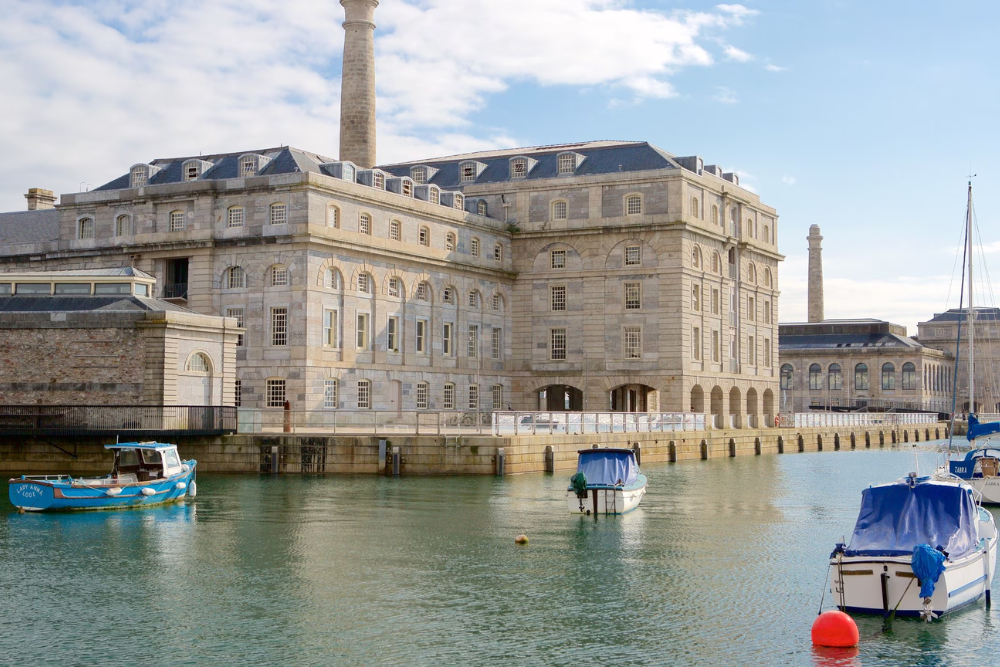
- Quite possibly of the most notable site in Plymouth, the Illustrious William Yard is an assortment of memorable maritime structures, which have been wonderfully reestablished and are currently home to in vogue bistros, cafés, and shops.
Plymouth Hoe
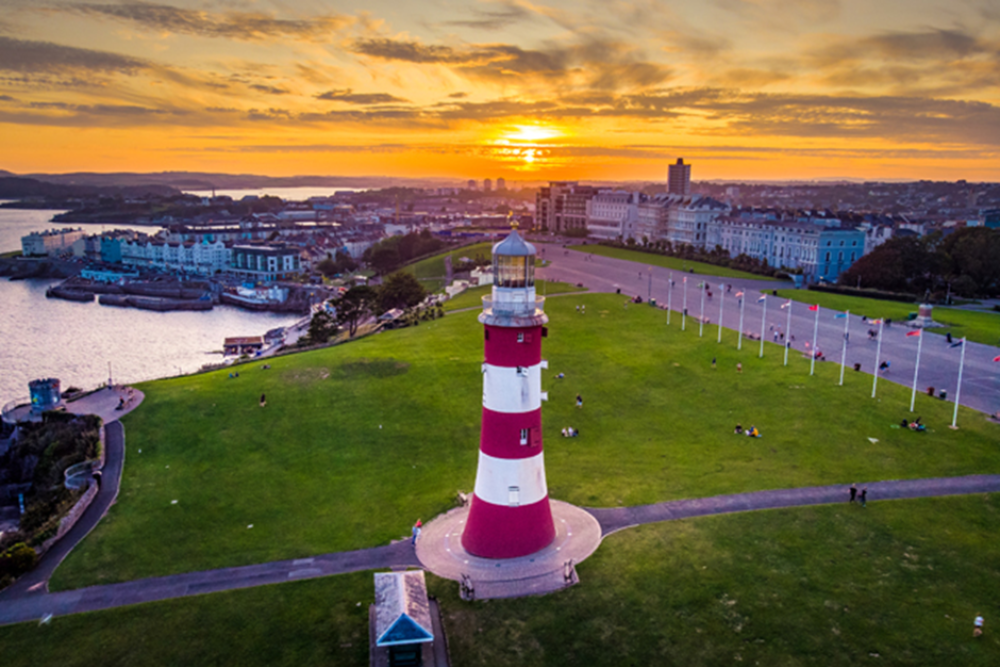
- Plymouth Digger is a notorious region that offers staggering perspectives on Plymouth Sound and the English Channel. It’s an extraordinary spot for a loosening up walk or an outing.
National Marine Aquarium
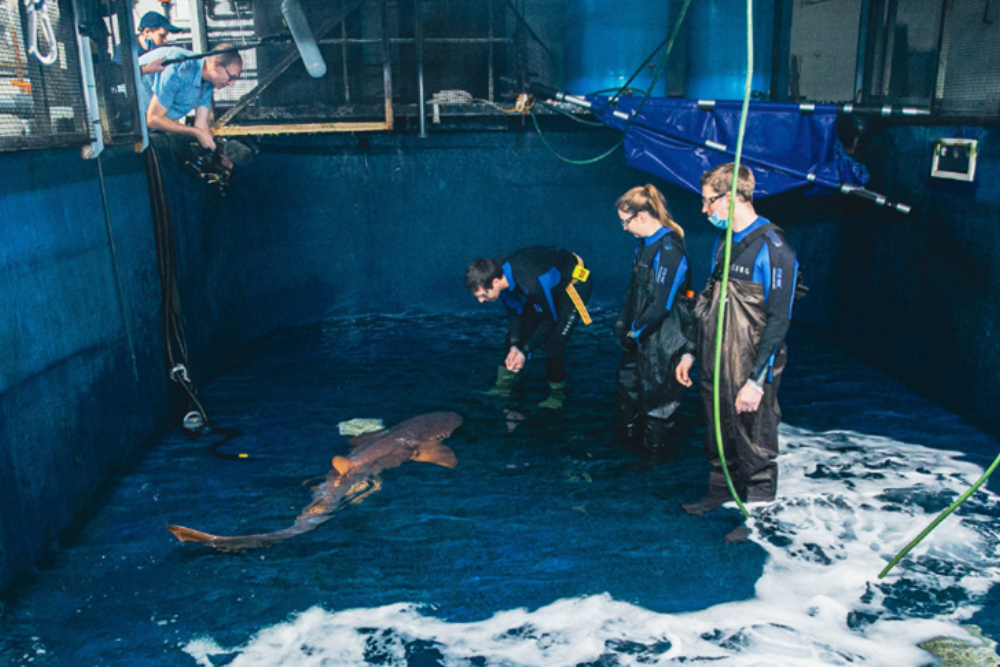
- As the biggest aquarium in the UK, the Public Marine Aquarium gives an unbelievable chance to find out about marine life and the waters around Plymouth.
Mount Edgcumbe Country Park
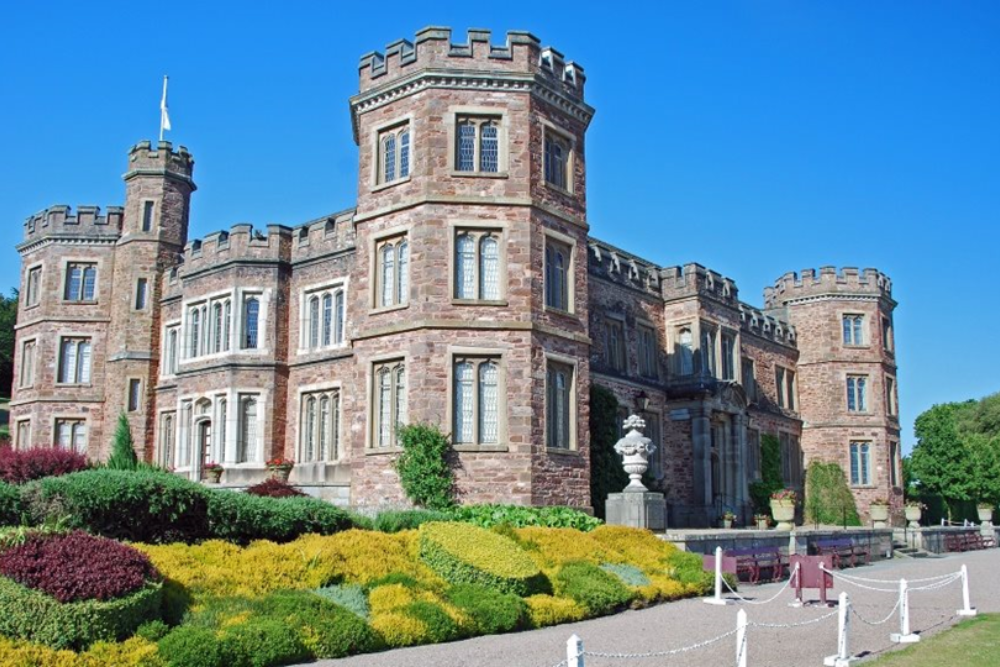
- Right across the stream from Plymouth, Mount Edgcumbe Nation Park is a dazzling eighteenth century domain set in more than 800 sections of land of parkland, nurseries, and forest.
The Barbican
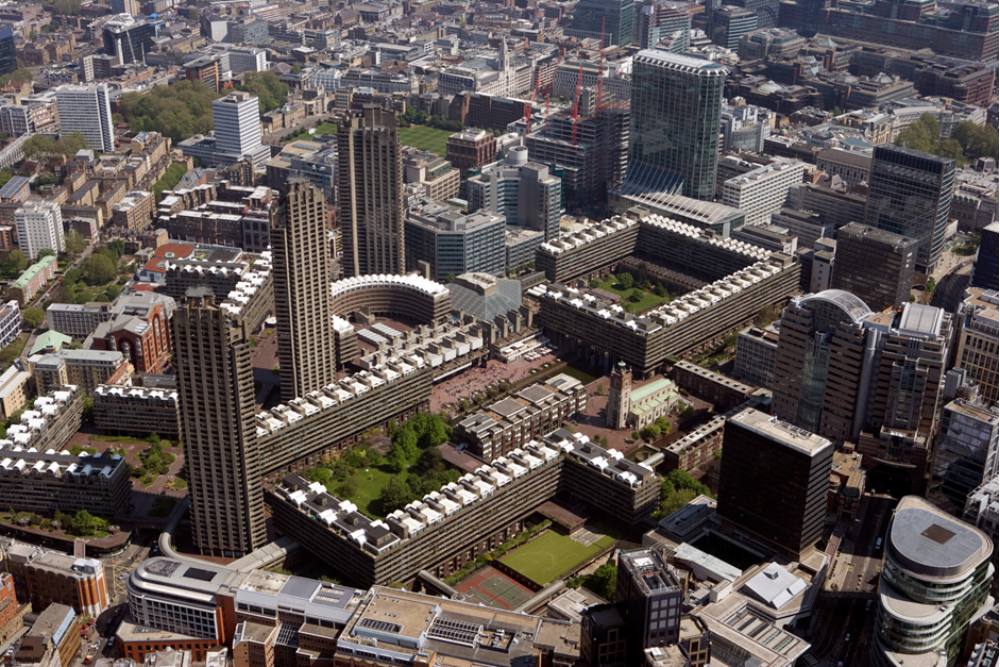
- The Plymouth Barbican is an architecturally significant area loaded with cobbled roads, lively bars, shops, and displays. It’s a beautiful region to meander and absorb the old-world appeal.
Plymouth Sound and Watersports

- Plymouth Sound is quite possibly of the most gorgeous normal harbor on the planet, offering a lot of chances for outside water exercises.
Drake’s Island
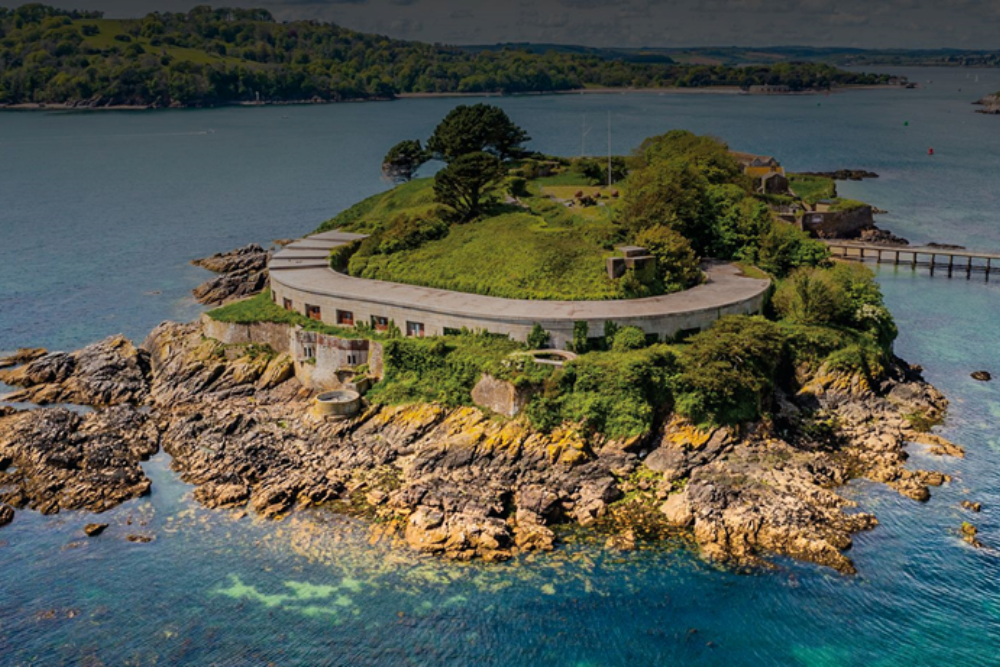
- A short boat trip from the downtown area, Drake’s Island is an entrancing objective saturated with history. It has been utilized for various purposes throughout the long term, including as a fort, jail, and maritime station.
Bovisand Beach
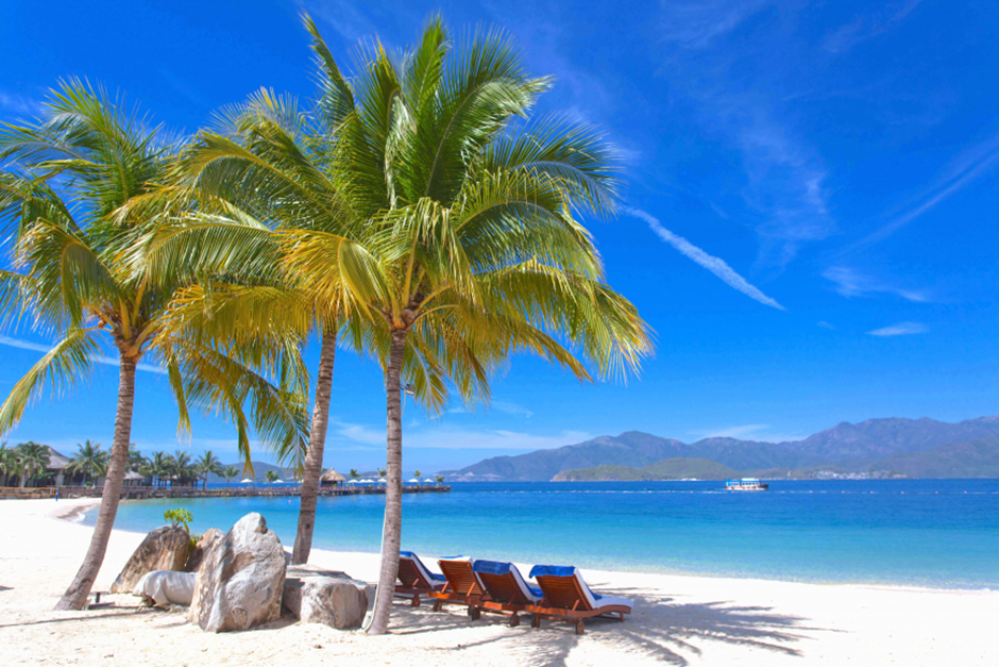
- For a quiet ocean side day, Bovisand Ocean side is a disconnected diamond situated in a protected bay on the south shore of Plymouth. It’s ideal for unwinding or participating in water sports.
Tamar Valley
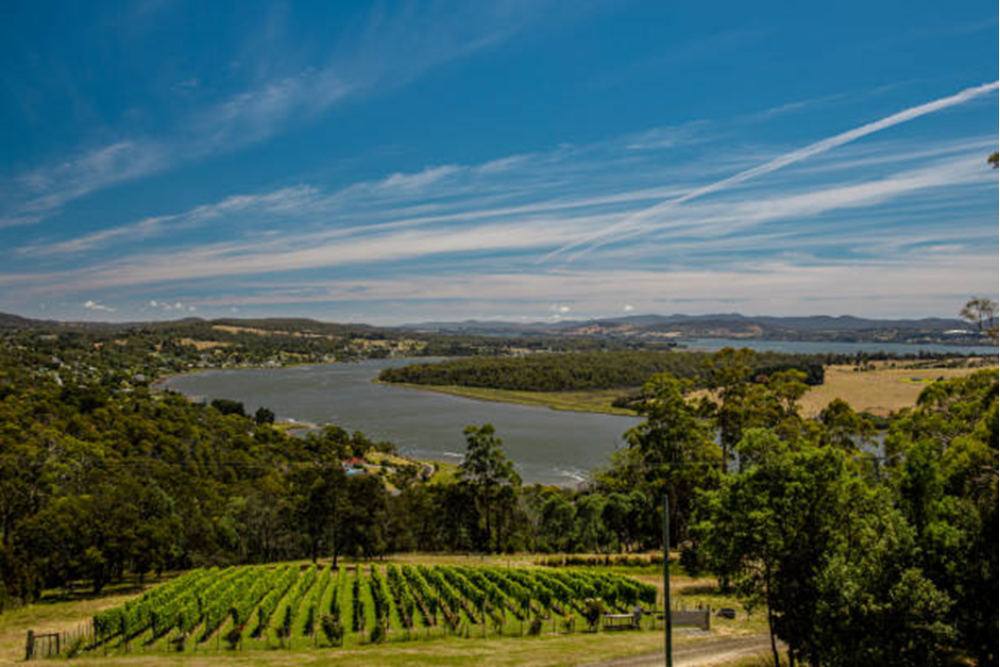
- Right beyond Plymouth, the Tamar Valley offers exceptional regular magnificence and an abundance of outside exercises.
Dos and Don’ts in Plymouth
While visiting Plymouth, it’s critical to know about neighborhood customs and rules to make your visit charming and deferential. Here is a rundown of would’s and don’ts to keep in care:
Dos
- Explore the Maritime Heritage– Plymouth has a rich maritime history, so make certain to visit the Illustrious William Yard, Plymouth Cultivator, and the Public Marine Aquarium to find out about the city’s sea inheritance.
- Respect Local Nature – Whether you’re climbing in Mount Edgcumbe Nation Park or strolling along the shore, be aware of nearby untamed life and the regular habitat. Stick to stamped trails to protect the magnificence of the area.
- Try Local Seafood – Plymouth is known for its new fish. Try not to pass up attempting dishes like fried fish and French fries, or nearby strengths in the waterfront eateries, especially in the Barbican region.
Don’ts:
- Don’t Litter – Plymouth is a perfect city, and littering isn’t endured. Make certain to discard squander in assigned canisters and reuse where conceivable.
- Don’t Ignore Local Laws and Regulations – Regard the city’s standards, particularly in places like parks or authentic destinations where certain regions might have confined admittance.
- Don’t Skip Public Transportation Etiquette – While utilizing public vehicle like transports or ships, be respectful and surrender your seat to older or crippled travelers if important.
Best time to reach in Plymouth
The best opportunity to visit Plymouth to a great extent relies upon the sort of involvement you’re searching for. Notwithstanding, the best times to visit for the most part are during pre-summer to early fall (May to September), as the weather conditions is gentle, and there are various outside occasions and exercises to appreciate. Here is a breakdown:
1. Late Spring (May to June)
- Temperatures range from 11°C to 17°C (52°F to 63°F), making it a lovely opportunity to investigate the city and its outside attractions like Plymouth Digger, Mount Edgcumbe, and the sea shores.
2. Summer (July to August)
- Temperatures reach 15°C to 21°C (59°F to 70°F), with longer light hours, making it the ideal opportunity to visit Plymouth’s sea shores, appreciate watersports in Plymouth Sound, or go on a boat outing around Drake’s Island.
3. Early Autumn (September to October)
- Temperatures range from 12°C to 18°C (54°F to 64°F), with a slight dunk in stickiness, offering gentle and lovely circumstances for investigating the city and its open air attractions.
4. Winter (November to February)
- Temperatures range from 5°C to 10°C (41°F to 50°F), with the potential for additional precipitation and colder, windier circumstances.