


Introduction
Salaspils is a memorable town found only southeast of Riga, Latvia. Known for its critical job during The Second Great War, it is home to the Salaspils Remembrance Troupe, a dismal recognition for the survivors of the close by Nazi death camp. The town is likewise wealthy in normal magnificence, with attractions like the Salaspils Professional flowerbed and the picturesque Daugava Waterway giving guests sufficient chances for outside exercises and unwinding.
Salaspils Memorial Ensemble
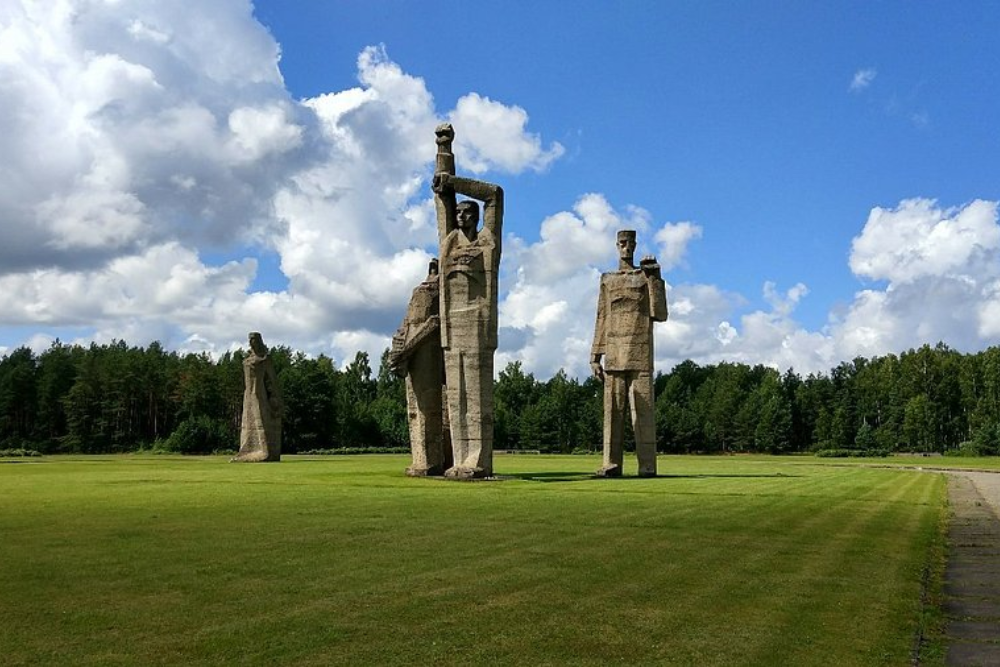
- One of the most significant and poignant attractions in Salaspils is the Salaspils Memorial Ensemble, located at the site of the former Salaspils concentration camp, which operated during World War II. It serves as a memorial to the many thousands who perished in this tragic place.
Salaspils Botanical Garden
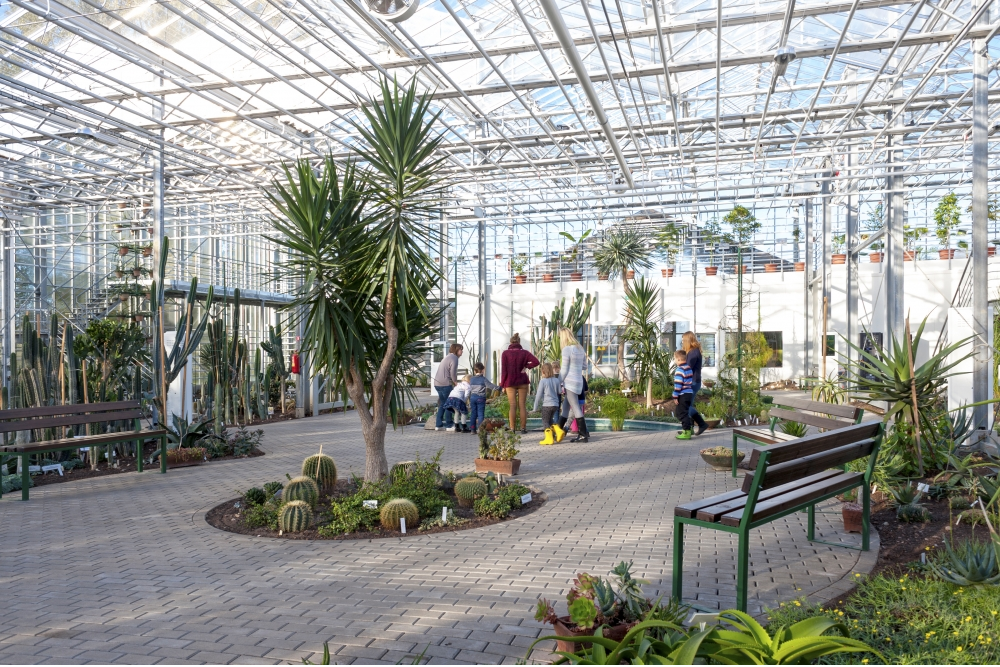
- Nature enthusiasts will appreciate the Salaspils Botanical Garden, a peaceful escape featuring a wide variety of plant species, both native and international.
- The garden spans over 70 hectares and is home to numerous collections of plants, including medicinal herbs, ornamental plants, and trees. It’s a perfect spot for a leisurely walk, photography, or simply enjoying the tranquility. The garden also hosts educational events and plant sales throughout the year.
Daugava River and its Surroundings
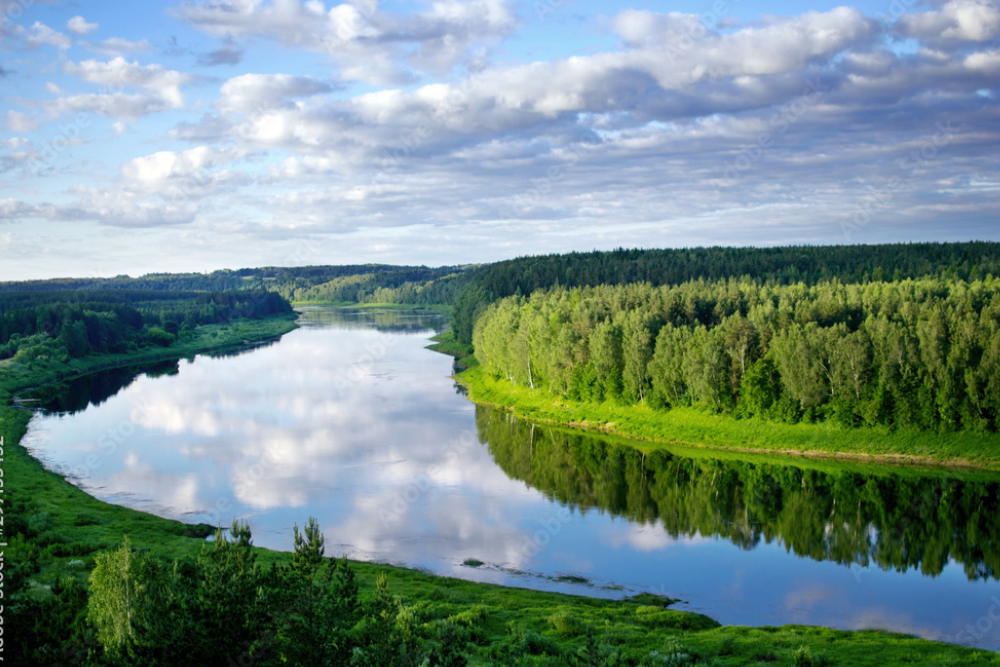
- The Daugava River, which flows through Salaspils, provides picturesque views and a chance to experience the natural beauty of the region.
- Visitors can enjoy walking or cycling along the riverbank or take a boat tour to explore the scenic views from the water. The Daugava River is also ideal for birdwatching, as the area is home to diverse wildlife, including swans, ducks, and various migratory birds.
The Riekstukalns Hill
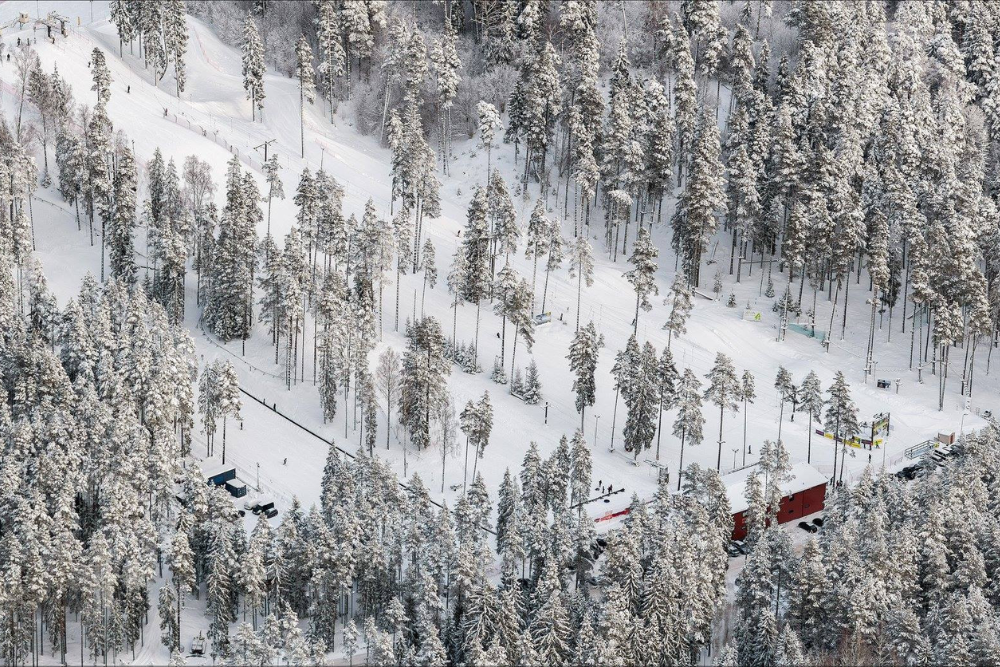
- For those interested in archaeology and ancient history, the Riekstukalns Hill is an essential stop. This hill is believed to have been a fortified settlement during the Bronze and Iron Ages.
- The hill offers both historical interest and a beautiful natural setting. From the top of Riekstukalns Hill, visitors are rewarded with stunning panoramic views of the surrounding landscape, including the Daugava River. It’s an excellent location for hiking, picnicking, and taking in the natural beauty of the area.
The Salaspils Church
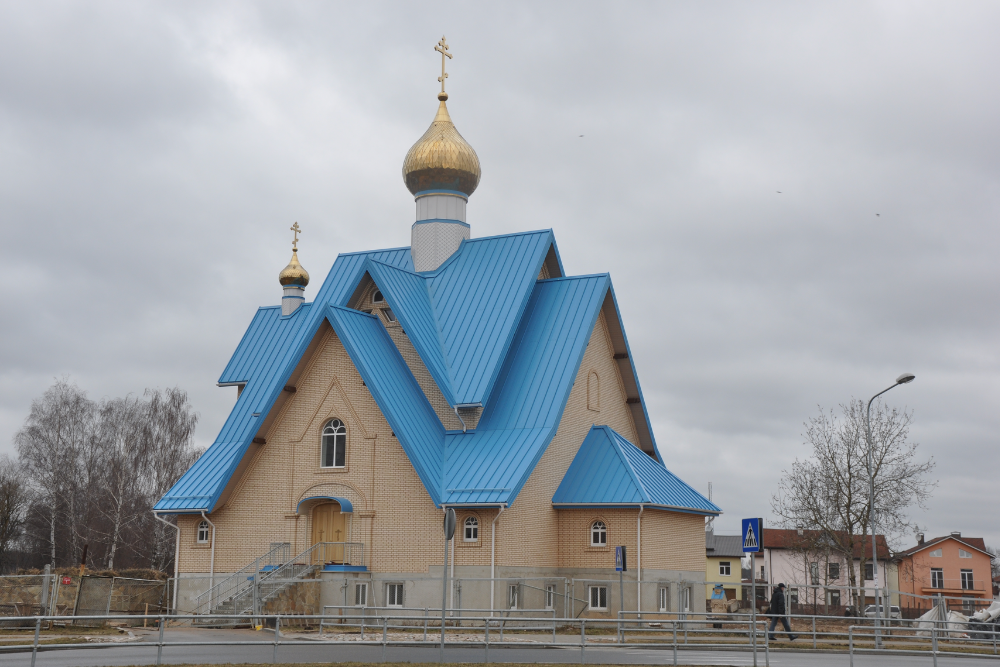
- The Salaspils Church is a significant architectural landmark in the town, offering insight into the region’s religious and cultural heritage.
- Built in the early 20th century, the church is known for its peaceful interior and beautiful wooden design. It is a calm space for reflection and a wonderful example of Latvian religious architecture. The church grounds also feature a small park with statues, making it a lovely place to walk around and relax.
The Latvian Ethnographic Open-Air Museum
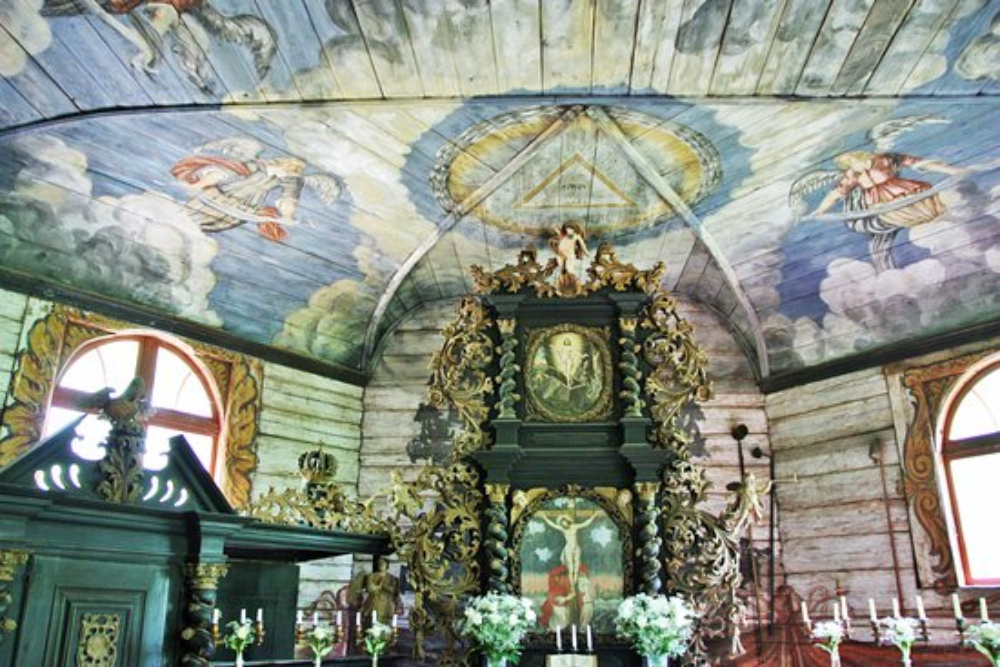
- Although not directly in Salaspils, the Latvian Ethnographic Open-Air Museum is located nearby, just a short drive from the town. This museum offers visitors a comprehensive look at Latvia’s traditional rural life.
- The museum features over 100 historical buildings, including farmhouses, windmills, and barns, that have been relocated from various parts of Latvia. It offers a fascinating insight into traditional Latvian craftsmanship, architecture, and agricultural practices. The museum is also a great spot to experience folk music and dance performances, especially during festivals.
Dos and Don’ts in Salaspils
When visiting Salaspils, it’s important to be respectful of the town’s history, nature, and local culture. Here are some dos and don’ts to help you make the most of your visit:
Dos
- Do Visit the Memorial Ensemble: The Salaspils Memorial Ensemble is a significant historical site. It’s essential to approach the area with respect and allow yourself time to reflect on its importance. Learn about its history to honor the victims of the concentration camp.
- Do Enjoy the Natural Attractions: Take time to explore the town’s botanical gardens, nature parks, and the Daugava River. Salaspils is known for its natural beauty, so walking or cycling through the scenic areas is highly recommended.
- Do Learn About the Local History: Stop by the Salaspils Local History Museum to gain insights into the town’s past, from ancient settlements to more recent history, including its role in World War II.
Don’ts
- Don’t Be Disrespectful at the Memorial Ensemble: The Salaspils Memorial Ensemble is a solemn place commemorating the victims of the concentration camp. Do not make loud noises, take photos without sensitivity, or treat the site as a tourist attraction rather than a place of remembrance.
- Don’t Litter in Nature Areas: Keep Salaspils’ natural environments clean by disposing of trash properly. Littering is not only harmful to the environment but also disrespectful to the beauty of the area.
- Don’t Ignore Local Etiquette: Latvians are generally polite and reserved. Be mindful of your behavior, especially when interacting with locals. Avoid being overly loud or intrusive in public spaces.
Best Time to reach in Salaspils
The best time to visit Salaspils largely depends on the type of experience you’re seeking. Here’s an overview of the different seasons to help you decide:
1. Summer (June to August) – Ideal for Outdoor Exploration and Festivals
- Nature Exploration: The warm weather is perfect for visiting natural attractions such as the Salaspils Botanical Garden, Daugava River, and nearby nature parks. Hiking, cycling, and walking along the river are all enjoyable during this time.
- Festivals and Events: Summer also marks the time for local festivals, such as the Salaspils City Festival, where you can enjoy local traditions, music, and food.
- Longer Days: Longer daylight hours mean more time to explore the town and its surroundings.
2. Autumn (September to November) – Best for Fall Foliage and Peaceful Visits
- Fall Foliage: The changing leaves around the Daugava River and Salaspils Botanical Garden create a beautiful, vibrant setting, making it an excellent time for photography and leisurely walks.
- Peaceful Atmosphere: With fewer tourists, autumn offers a quieter experience, ideal for those seeking a calm and reflective visit.
- Milder Weather: The temperatures are cooler than summer, which can make outdoor activities more comfortable.
3. Winter (December to February) – Perfect for Winter Sports and Holiday Atmosphere
- Winter Activities: While Salaspils itself isn’t a major winter sports hub, you can still enjoy activities like snowshoeing or cross-country skiing in nearby parks or forests.
- Christmas Celebrations: The town is beautifully decorated for the holiday season, and you can experience the festive spirit through local markets and events.
- Snowy Landscape: The snow-covered Daugava River and the Salaspils Memorial Ensemble create a magical winter scene, perfect for photography.
4. Spring (March to May) – Best for Mild Weather and Nature Awakening
- Nature Reawakens: Spring is a beautiful time to visit if you enjoy seeing nature come to life. The botanical garden and local parks burst into bloom, making it a scenic time for outdoor walks and photography.
- Fewer Tourists: Spring sees fewer tourists compared to the summer, allowing for a more relaxed experience.
- Milder Weather: The weather is cool enough for outdoor activities without the chill of winter, offering a comfortable experience for sightseeing.