


Introduction
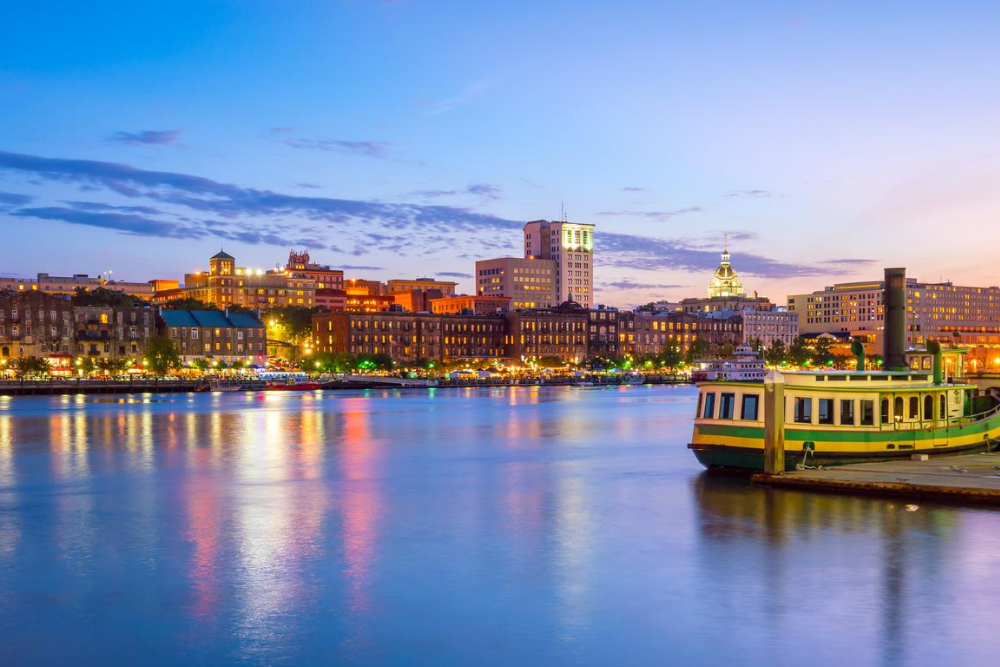
Savannah, Georgia, is a noteworthy seaside city known for its enchanting Southern air, cobblestone roads, and greenery hung oak trees. Established in 1733, it’s one of the most seasoned urban communities in the U.S., renowned for its very much safeguarded engineering, delightful public squares, and notable destinations like Forsyth Park and Bonaventure Burial ground. The city’s midtown is a Public Noteworthy Milestone Locale, offering a mix of craftsmanship, history, and culture. Savannah is likewise home to a dynamic food scene, particularly known for its Southern cooking. Its waterfront area gives simple admittance to sea shores like close by Tybee Island.
Forsyth Park
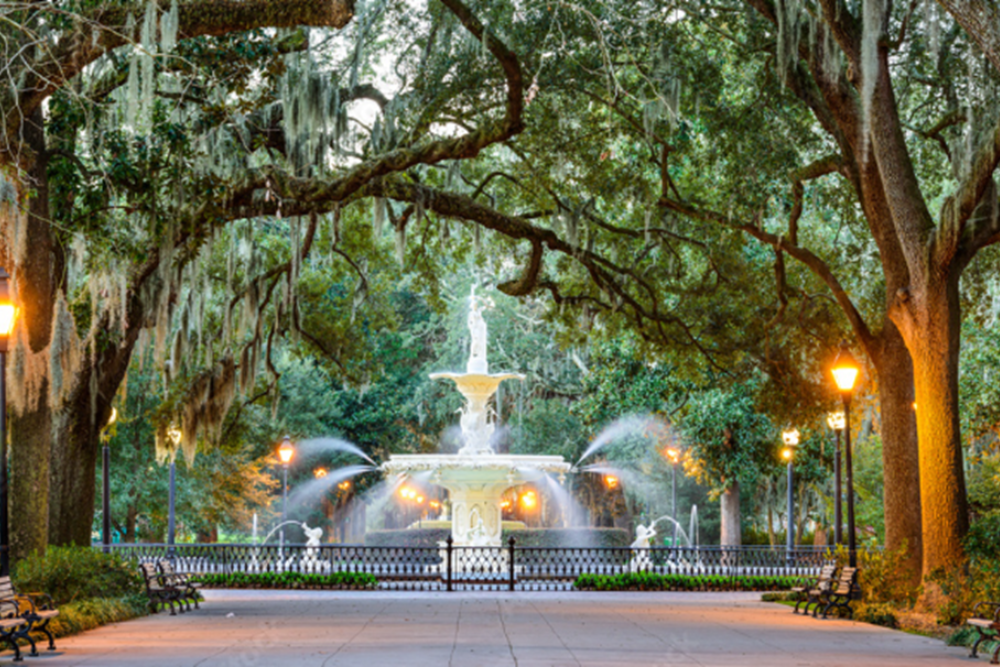
- Forsyth Park is perhaps of Savannah’s most notorious milestone. Laid out during the 1840s, this 30-section of land park is known for its renowned wellspring, which was introduced in 1858 and fills in as a dazzling focal point. The recreation area is a most loved spot for the two local people and travelers, offering strolling ways, plants, a Fragrant Nursery for the visually impaired, and regions for picnicking. It’s likewise a setting for open air occasions and celebrations, and an extraordinary spot to unwind in the midst of Savannah’s unique greenery hung oak trees.
Historic District
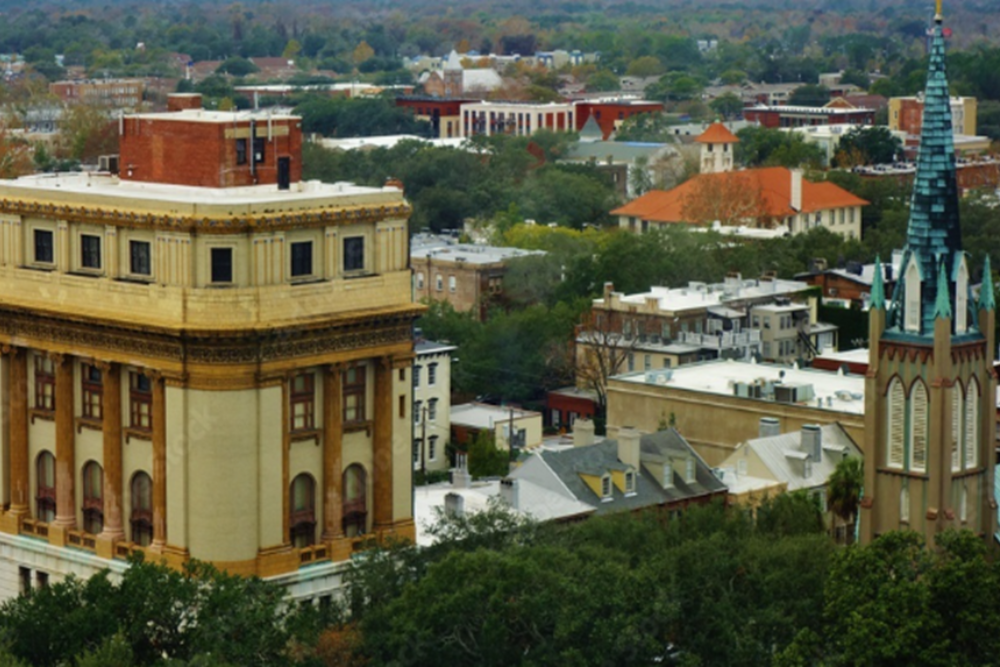
- Savannah’s historically significant area is an unquestionable requirement for anyone with any interest in history and design. The region is known for its cobblestone roads, noteworthy homes, and beautiful public squares. There are 22 squares altogether, each with its own remarkable person, for example, Chippewa Square, where the well-known seat scene in Forrest Gump was shot. Strolling or taking a directed visit through this locale provides you with a feeling of Savannah’s pioneer past, with numerous structures tracing all the way back to the eighteenth and nineteenth hundreds of years.
River Street
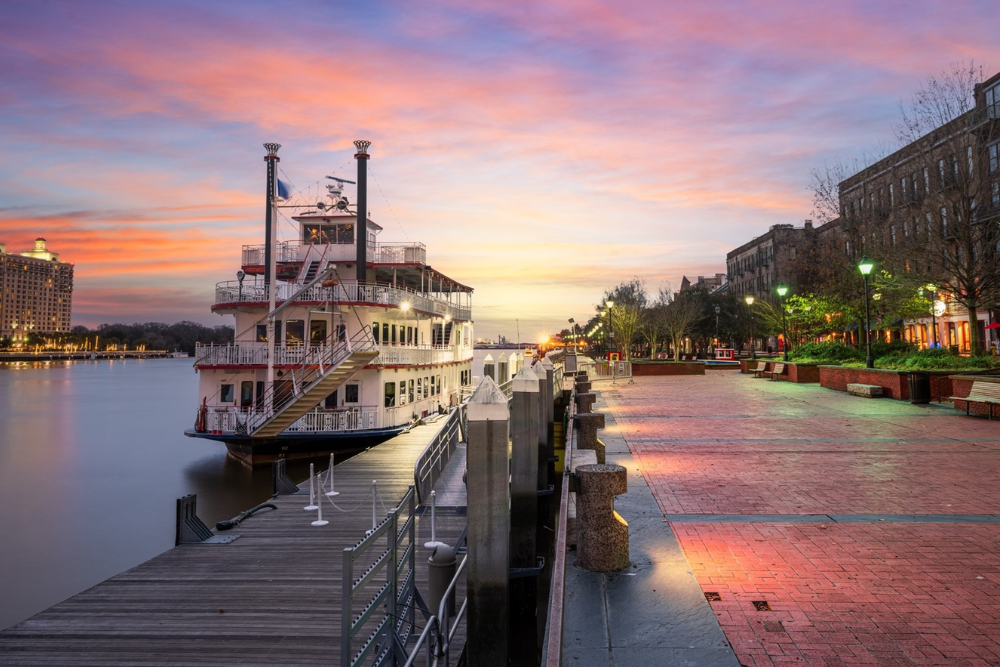
- Running along the Savannah Stream, Waterway Road is an exuberant waterfront region loaded up with shops, cafés, and memorable structures. The road was once a center for cotton stockrooms yet has since changed into a famous region for guests. You can walk around the waterway, search for gifts, or eat in one of the numerous riverside cafés. Waterway Road is likewise an extraordinary spot to get a perspective on the Talmadge Commemoration Extension and passing boats.
Bonaventure Cemetery
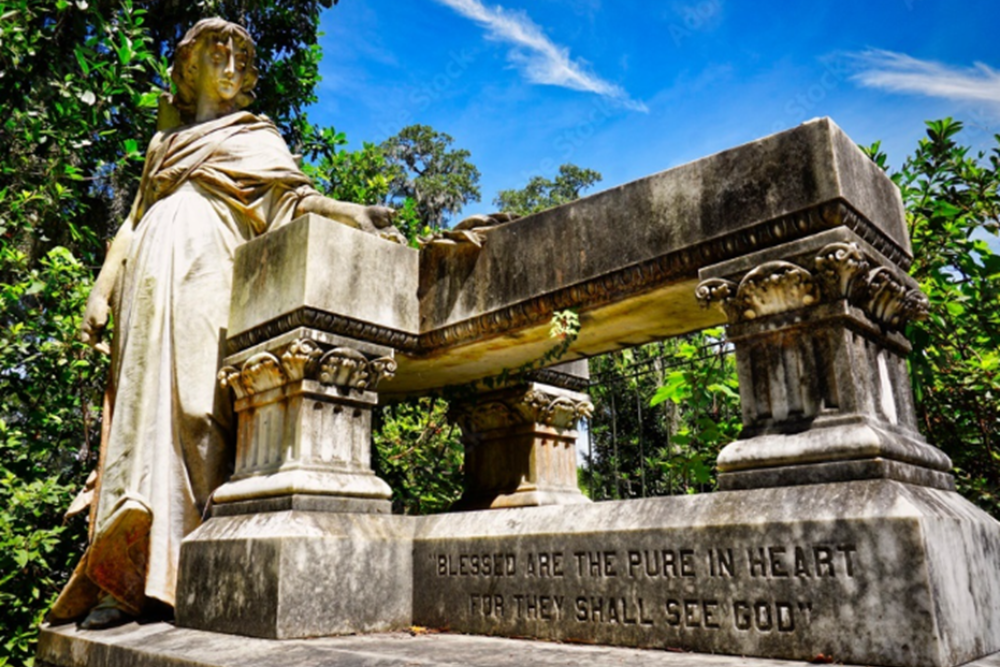
- Popular for its frightful excellence, Bonaventure Burial ground is one of the most notable graveyards in the U.S. It’s situated on a feign disregarding the Wilmington Stream and is loaded up with fancy headstones and landmarks, all encompassed by greenery hung oaks. This graveyard acquired worldwide consideration through the clever 12 PM in the Nursery of Good and Evil by John Berendt. Many stay with the graves of prominent figures like lyricist Johnny Mercer and to respect the peaceful, noteworthy scene.
The Cathedral of St. John the Baptist
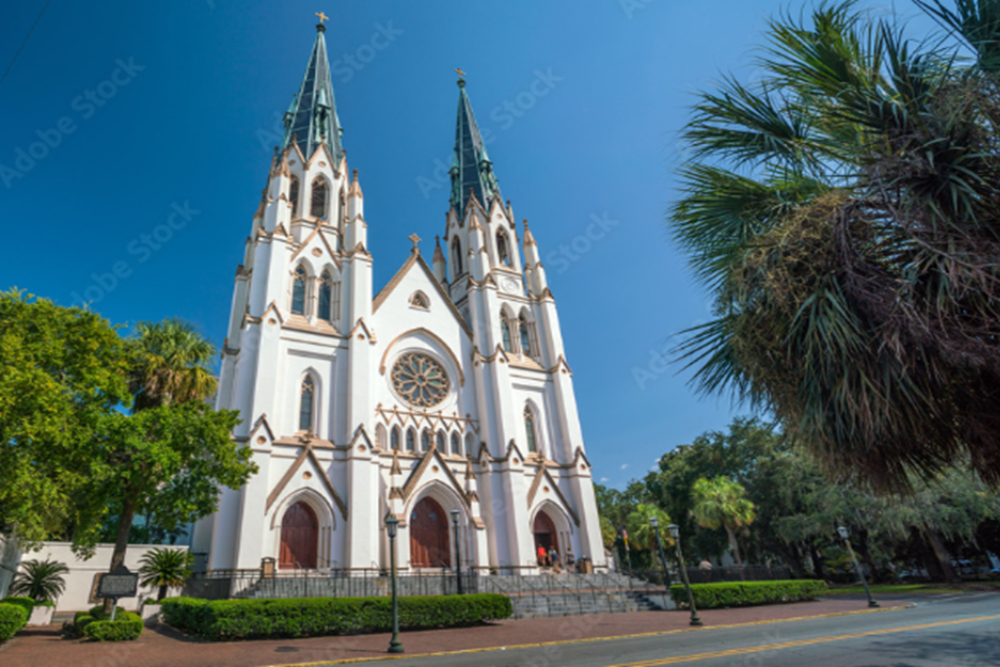
- Perhaps of the most striking compositional marvel in Savannah is the Church building of St. John the Baptist. This French Gothic-style basilica is eminent for its twin towers, complex stained glass windows, and flawlessly nitty gritty inside. It’s a significant milestone in the city, open for visits, regardless capabilities as a functioning spot of love. The house of God’s excellent plan and history make it a feature for engineering and history fans.
Savannah’s Squares
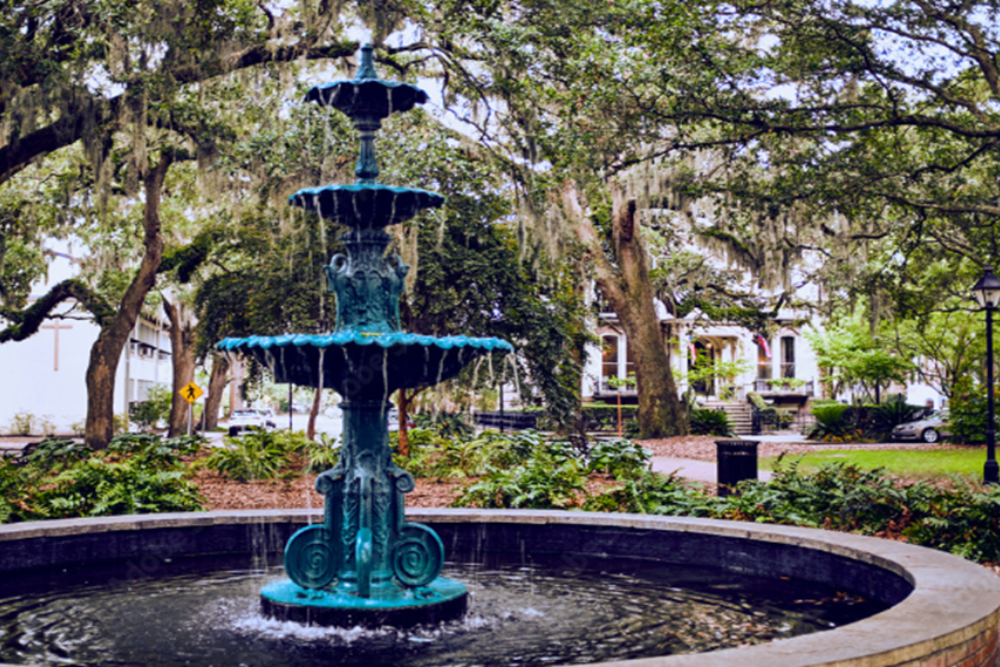
- The 22 public squares dissipated all through the architecturally significant area are among the city’s most popular highlights. Initially some portion of James Oglethorpe’s city plan, these squares offer quiet green spaces encompassed by noteworthy structures. Each square has an exceptional history, frequently honoring significant occasions or people from before. Well known squares include:
- Chippewa Square: Known for the Forrest Gump seat scene.
- Monterey Square: Home to the Mercer-Williams House, made well known in 12 PM in the Nursery of Good and Fiendishness.
- Madison Square: Including a sculpture of Sgt. William Jasper, a legend of the American Unrest.
The Owens-Thomas House & Slave Quarters
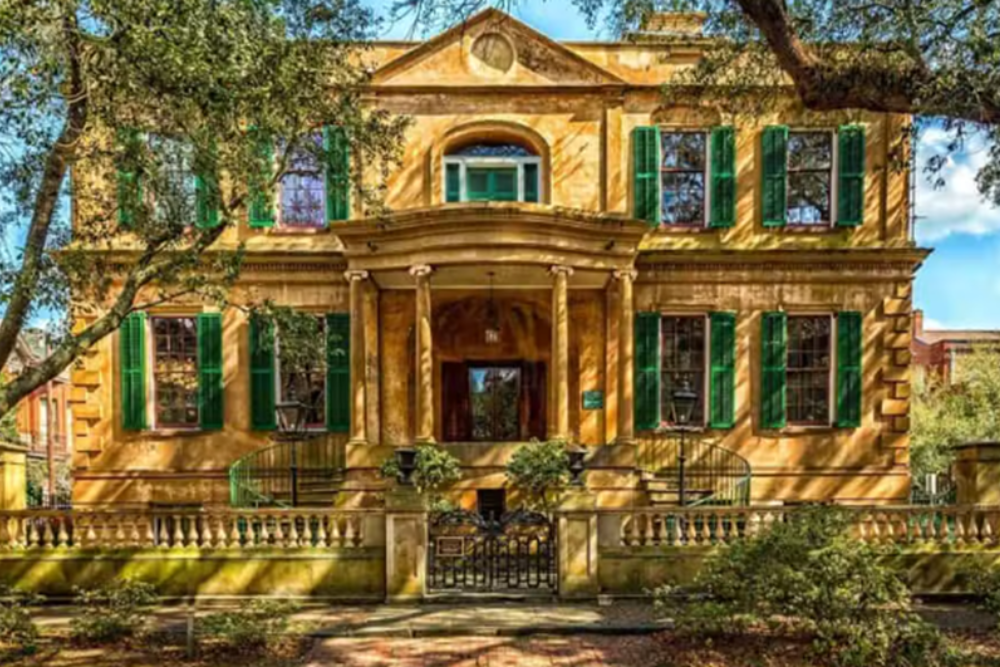
- This memorable home offers a brief look into Savannah’s perplexing past. The Owens-Thomas House is one of the best instances of Rule engineering in the U.S. what’s more, incorporates one of the earliest flawless metropolitan slave quarters in the South. The gallery gives bits of knowledge into the existences of both the well-off families who lived there and the oppressed individuals who dealt with the property. Visits cover the design, ornamental expressions, and history of the site, offering a total image of prewar life in Savannah.
Old Fort Jackson
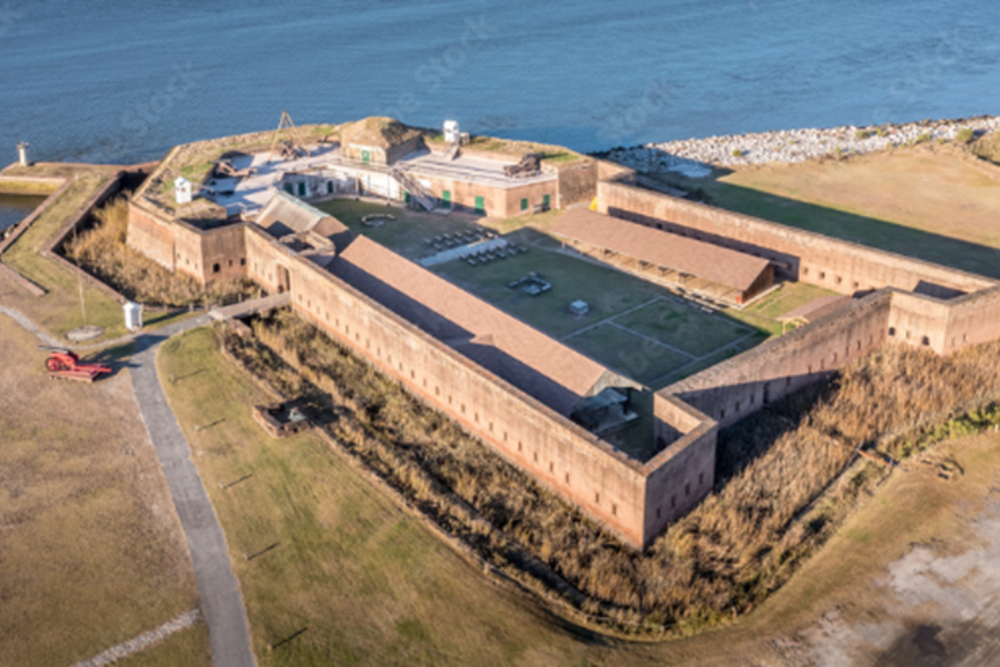
- Old Stronghold Jackson is Georgia’s most seasoned standing block fortress, worked in the mid-1800s to protect Savannah during the Conflict of 1812. It assumed a part in the nationwide conflict too, and today, it is a famous traveler objective. The stronghold offers everyday cannon firings and intelligent projects that assist guests with figuring out its tactical history. Arranged on the Savannah Stream, it gives lovely perspectives on passing boats and the encompassing scene.
The Mercer-Williams House
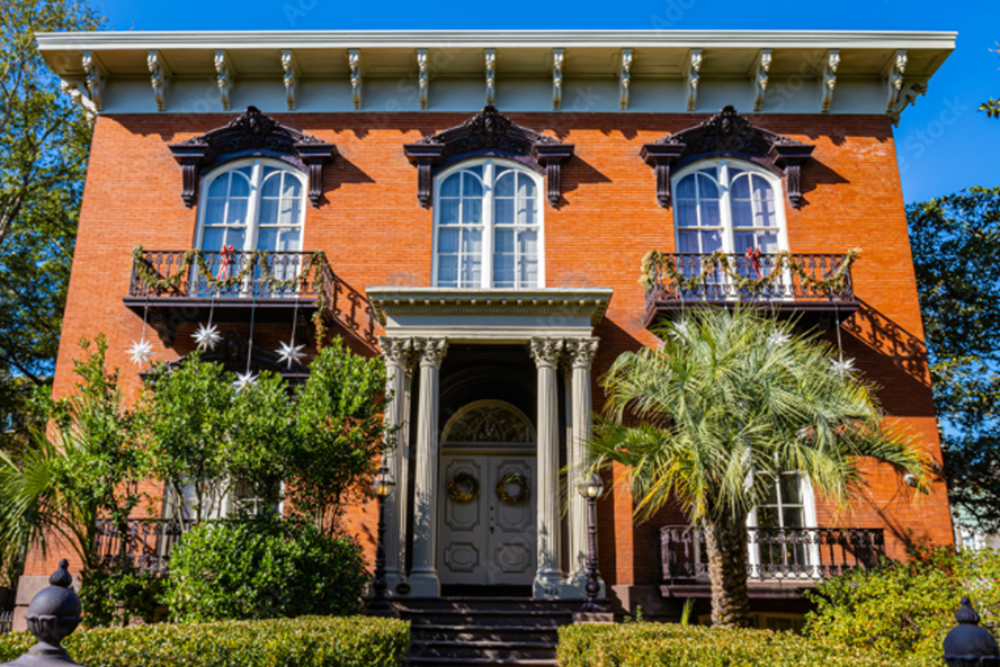
- Situated on Monterey Square, the Mercer-Williams House is most popular as the setting for the occasions in 12 PM in the Nursery of Good and Malevolence. The home, worked during the 1860s, was planned by planner John S. Norris. Guests can take directed voyages through the home, which is loaded up with collectibles and memorabilia, and find out about the two its celebrated past and the existence of Jim Williams, the man at the focal point of the well-known murder preliminary portrayed in the book.
Telfair Museums
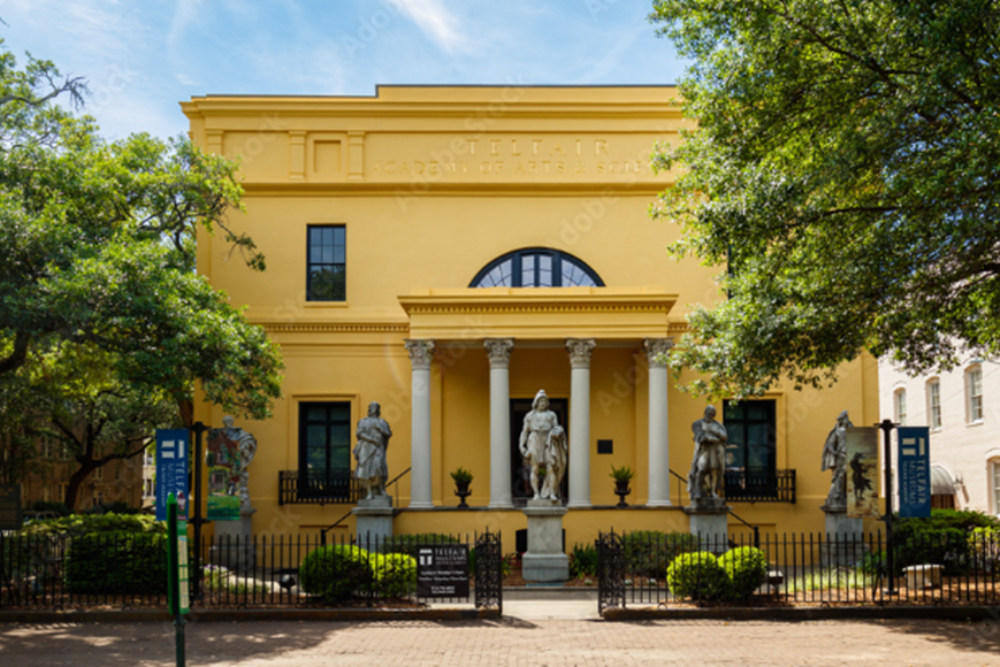
- The Telfair Exhibition halls, which incorporate three unique locales — Telfair Foundation, the Jepson Community for Human expression, and the Owens-Thomas House — are among the main social organizations in Savannah.
- Telfair Foundation is a traditional manor that houses nineteenth and twentieth century American and European workmanship.
- The Jepson Center spotlights on contemporary workmanship and incorporates intelligent shows for youngsters.
- Owens-Thomas House, as referenced prior, features the historical backdrop of servitude and Savannah’s compositional legacy.
SCAD Museum of Art
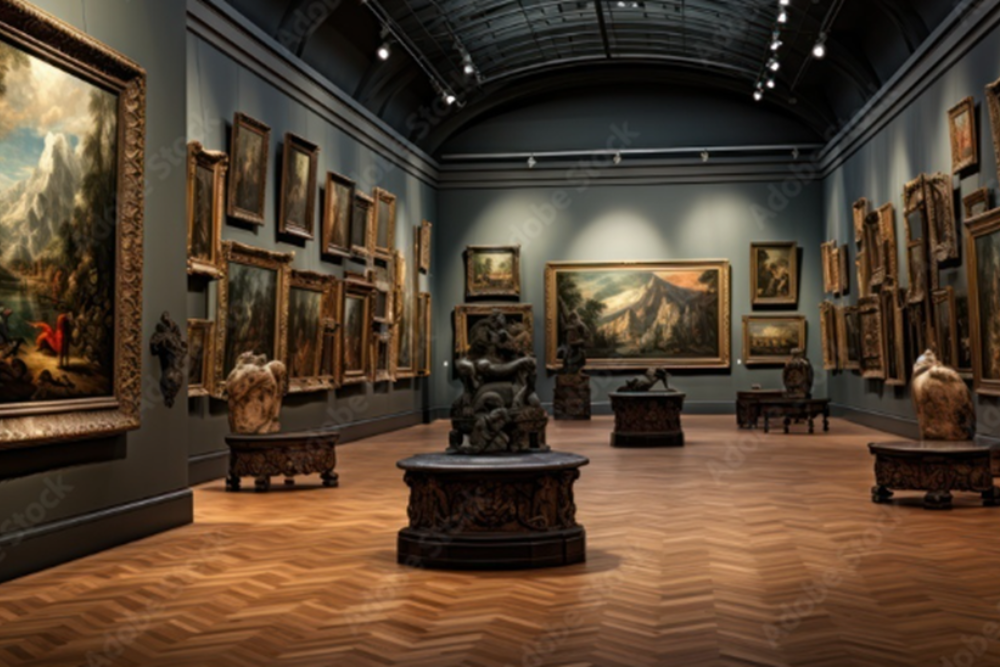
- The SCAD (Savannah School of Craftsmanship and Plan) Gallery of Craftsmanship is a contemporary workmanship historical center that features a wide assortment of pivoting shows, including work by understudies and laid out specialists the same. The exhibition hall centers around contemporary craftsmanship and configuration, including style, photography, and establishments. It’s an energetic area of the city’s developing craftsmanship scene, making it a must-visit for workmanship darlings.
Dos and Don’ts in Savannah
While visiting Savannah, Georgia, there are sure rules and regulations to remember to guarantee you have a smooth and charming experience. Here are a few key tips:
Dos
-
Do Investigate the Notable Squares
Savannah’s 22 public squares are the absolute most lovely and noteworthy in the U.S. Go for time to stroll through them, unwind, and value the engineering and finishing.
-
Do Take a Mobile Visit
Savannah is a walkable city, and there are many themed visits accessible, including history visits, phantom visits, and compositional visits. A directed visit will give you extraordinary bits of knowledge into the city’s set of experiences and culture.
-
Do Visit Forsyth Park
Invest energy at Forsyth Park, one of the city’s biggest and most picturesque green spaces. It’s ideal for picnics, comfortable walks, or appreciating the well-known wellspring.
Don’ts
-
Try not to Vandalize or Mutilate Memorable Locales
Savannah invests heavily in its set of experiences and legacy. Try not to scratch or destroy landmarks, squares, or memorable homes, and consistently keep posted rules.
-
Try not to Disregard Stopping Rules
Savannah has restricted stopping in certain areas, particularly in the architecturally significant area. Make certain to follow stopping guidelines and try not to stop in limited zones. Utilize public parking structures when required.
-
Try not to hurry through Bonaventure Burial ground
Bonaventure Graveyard is a tranquil and notable site. It’s intended to be valued discreetly and consciously. Keep away from clearly commotions or improper way of behaving.
Best time to reach in Savannah
His best opportunity to visit Savannah, Georgia, is during spring (Walk to May) and fall (September to November). Here’s the reason:
-
Spring (Walk to May)
- Temperatures are gentle, going from 60°F to 80°F (15°C to 27°C), making it ideal for outside exercises and investigating the city by walking.
- Savannah’s well known gardens and stops wake up with azaleas, magnolias, and different blossoms in full sprout. Forsyth Park and the city’s squares are particularly lovely during this time.
- Spring is celebration season in Savannah, with well-known occasions like the Savannah Live performance and St. Patrick’s Day March, one of the biggest in the nation, carrying exuberant groups to the city.
-
Fall (September to November)
- Fall offers cooler, agreeable temperatures, ordinarily going from 65°F to 85°F (18°C to 29°C). It’s great for touring, strolling visits, and open air eating.
- While fall is as yet a famous opportunity to visit, it’s for the most part less swarmed than spring and summer. This makes it more straightforward to investigate notable locales and partake in the city at a casual speed.
- Fall additionally brings remarkable occasions like the Savannah Food and Wine Celebration, which grandstands the district’s culinary joys.
-
Keep away from summer (June to August)
- While Savannah is lovely all year, the late spring months can be very hot and damp, with temperatures frequently coming to over 90°F (32°C). The moistness can make outside exercises less agreeable, and it’s additionally the blustery season with infrequent evening rainstorms. Be that as it may, this is likewise a great time for ocean side excursions to local Tybee Island.
-
Winter (December to February)
- Winter in Savannah is gentle contrasted with many spots, with temperatures going from 40°F to 60°F (4°C to 15°C). While you won’t encounter frigid temperatures, the city can feel calmer during this time. In the event that you favor more modest groups and less expensive lodging rates, winter could be a decent choice, particularly around special times of year when the city is perfectly improved.