


Introduction
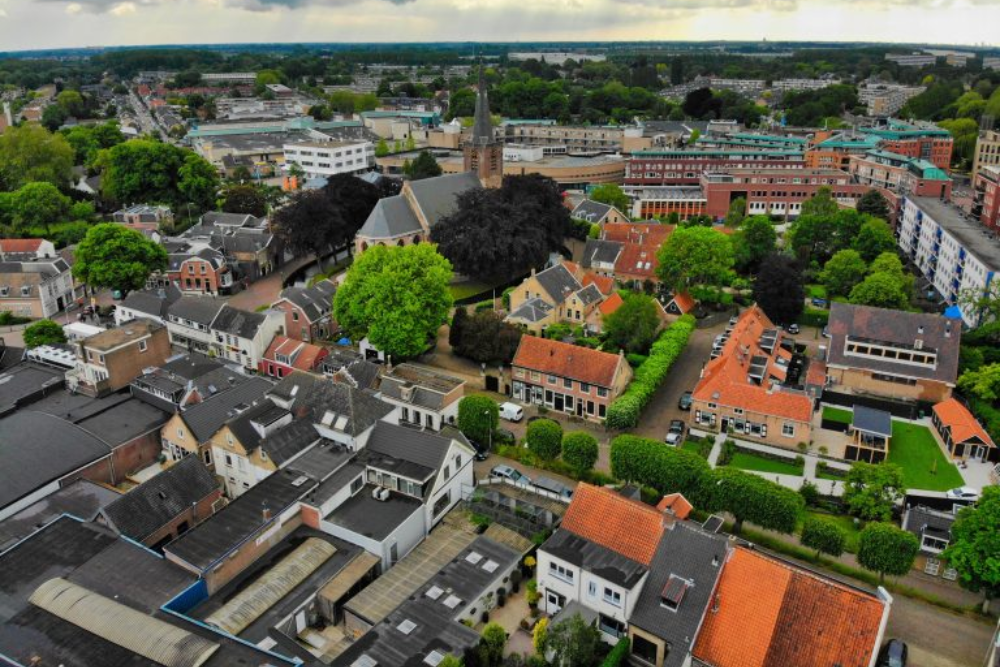
Ridderkerk is a town and municipality located in the South Holland province of the Netherlands, situated about 10 kilometers south of Rotterdam. Known for its scenic beauty, rich history, and growing urban developments, Ridderkerk offers a blend of rural charm and modern living. The town is well-connected to the larger cities of Rotterdam and Dordrecht, making it an attractive residential area for people who prefer a quieter lifestyle while still having easy access to urban amenities. Historically, Ridderkerk dates back to the Middle Ages, with roots tied to its location along the Alblas River and the development of the region’s agriculture. Over time, the area evolved into a small but bustling community, with industries, shops, and cultural institutions contributing to its development.
Cycling along the Alblas River
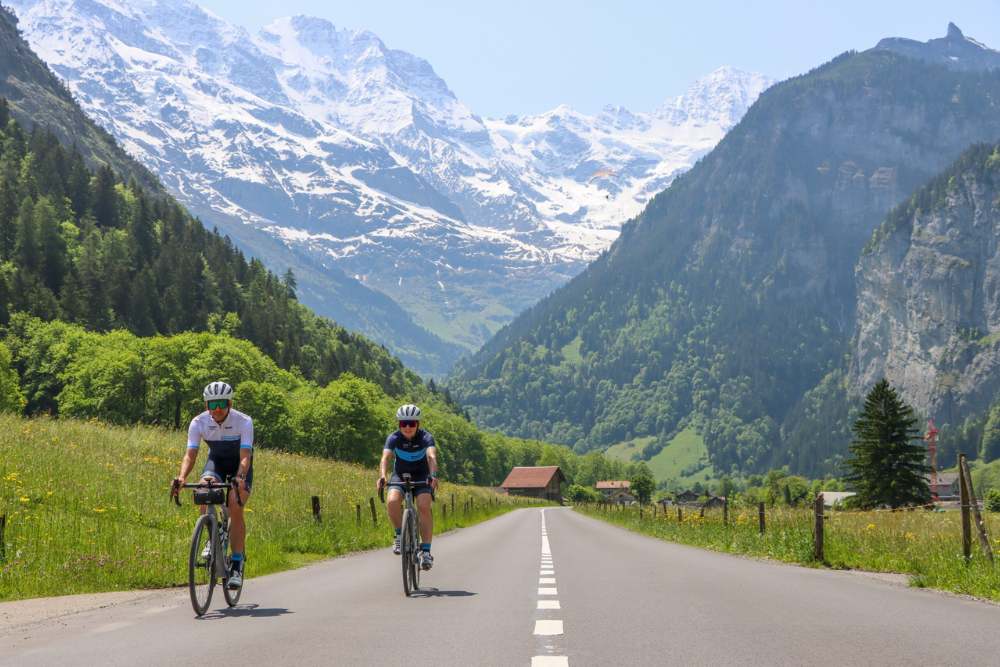 Ridderkerk is surrounded by beautiful countryside and waterways, making it a perfect destination for cycling. Rent a bike and explore the scenic routes along the Alblas River and through the surrounding nature reserves. The area offers peaceful cycling paths with picturesque views, perfect for nature lovers and outdoor enthusiasts.
the “Ridderkerk’s Local Parks”
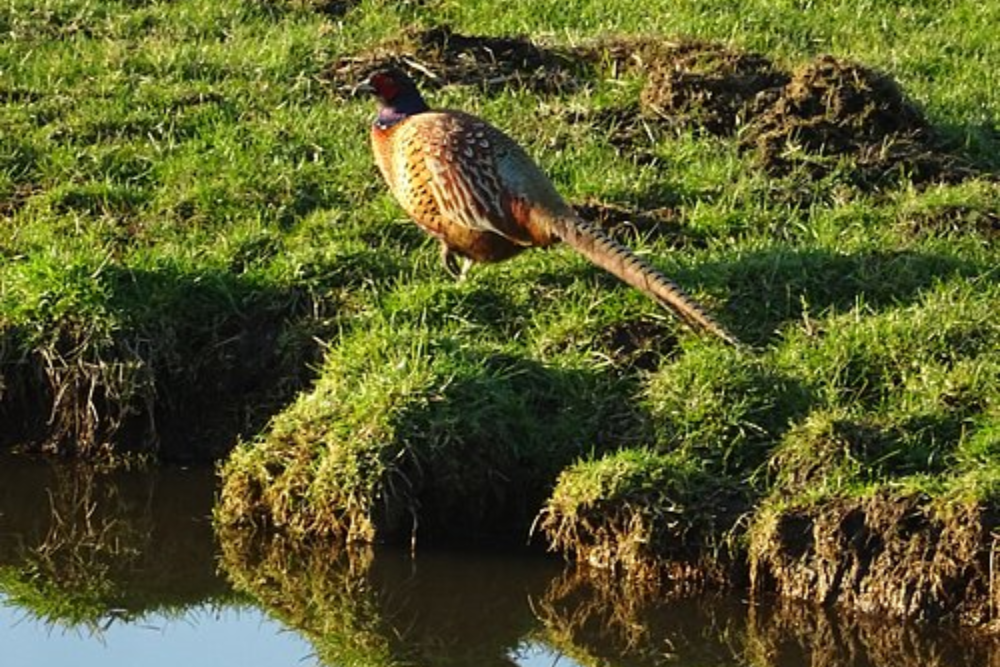
Ridderkerk has several local parks and green spaces ideal for outdoor activities. You can enjoy a relaxing day at Slingepark, a spacious park with walking trails, playgrounds, and picnic areas. It’s a great spot for a family outing, and you can even bring along a kite for a fun time in the open air.
The Nearby Kinderdijk Windmills
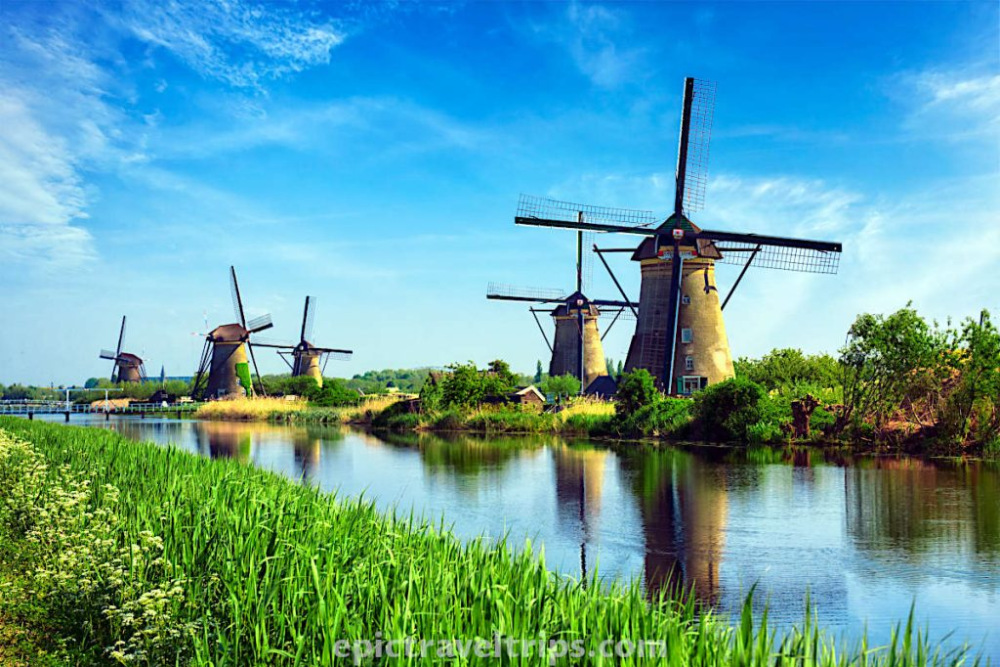
Just a short drive from Ridderkerk, Kinderdijk is home to one of the most iconic and picturesque windmill complexes in the Netherlands, which is a UNESCO World Heritage site. Take a boat tour along the canals or walk or cycle around the area to explore the famous windmills, making it a fascinating and fun adventure for history and nature lovers alike.
the “Bovenmolen” Watermill
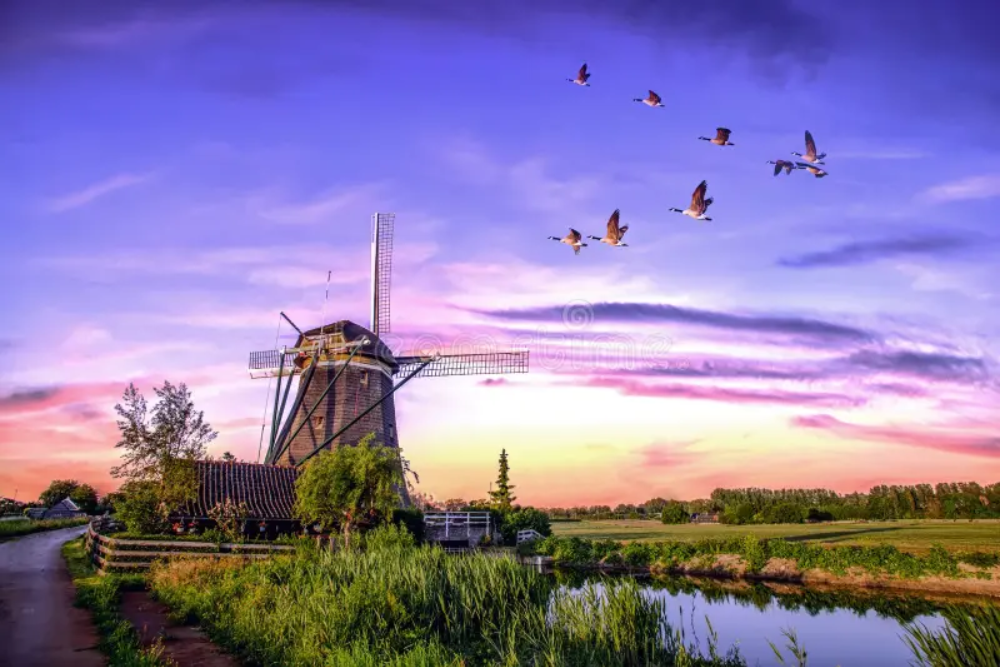
Ridderkerk is home to the Bovenmolen, a historic watermill located in the town center. It’s a great place for those interested in local history and culture. You can visit the mill, learn about its history, and enjoy a peaceful walk around the surrounding nature. The mill and its scenic location offer a tranquil and charming adventure.
Paddleboarding on the Alblas River
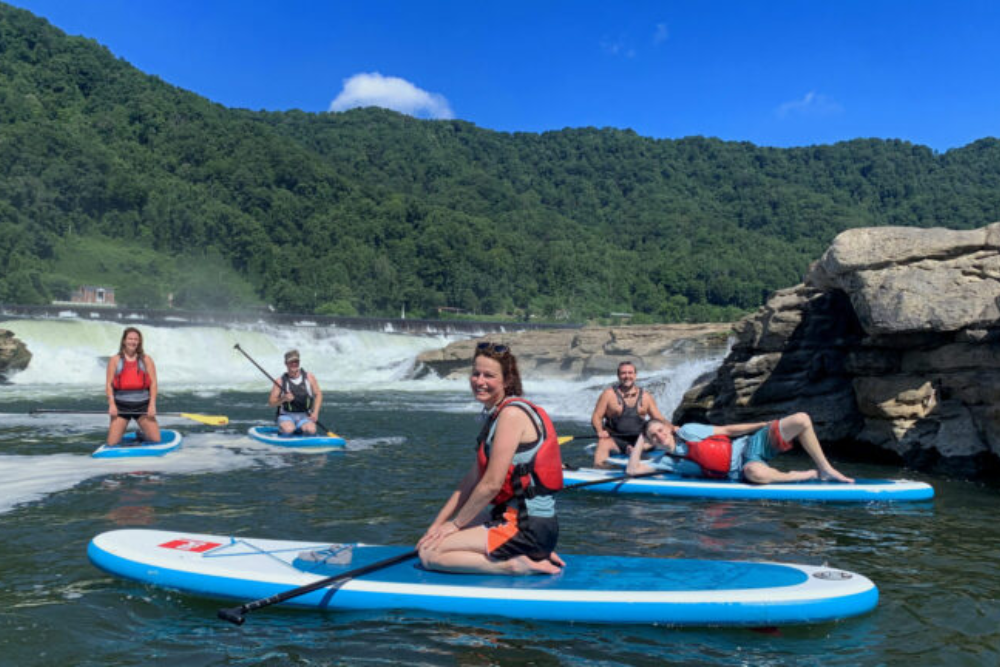
For a more active and water-based adventure, consider paddleboarding on the Alblas River. The calm waters provide a great setting for beginners and experienced paddleboarders alike. You can rent equipment and spend an exciting day on the river, enjoying both the physical challenge and the beautiful surroundings.
Ridderkerk’s “Kermis” (Fair)
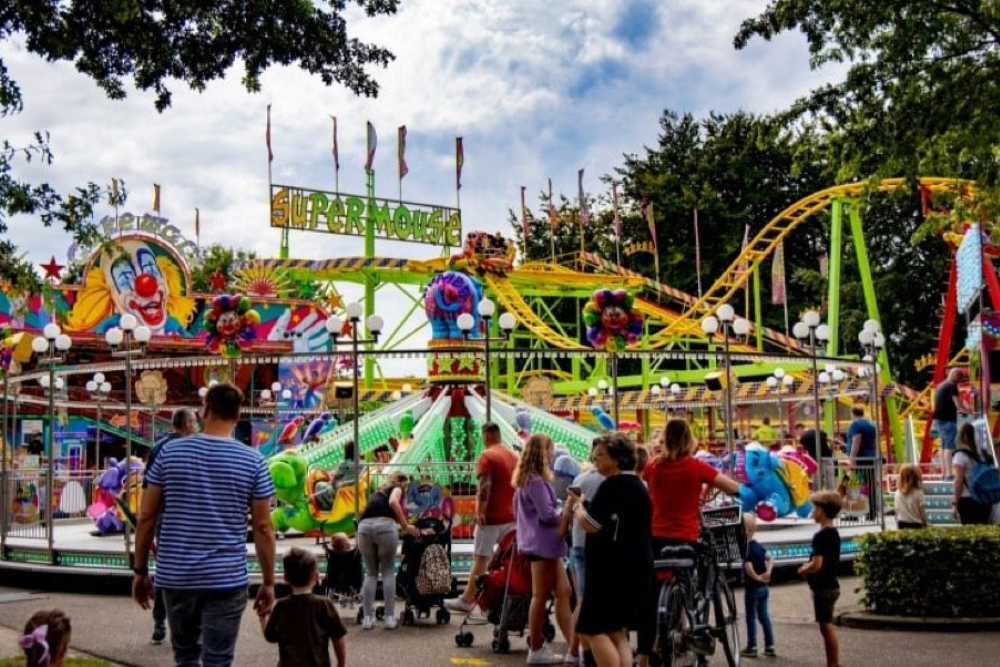
The Kermis is one of the most anticipated festivals in Ridderkerk, typically held during the summer months. This traditional Dutch fair offers a wide range of attractions, including carnival rides, games, food stalls, and live entertainment. It’s a family-friendly event that draws both locals and visitors to enjoy the fun atmosphere, music, and excitement. The Ridderkerk Kermis is a time for people to come together, celebrate, and enjoy the lively fairgrounds.
Ridderkerk’s “Sinterklaas” Celebrations
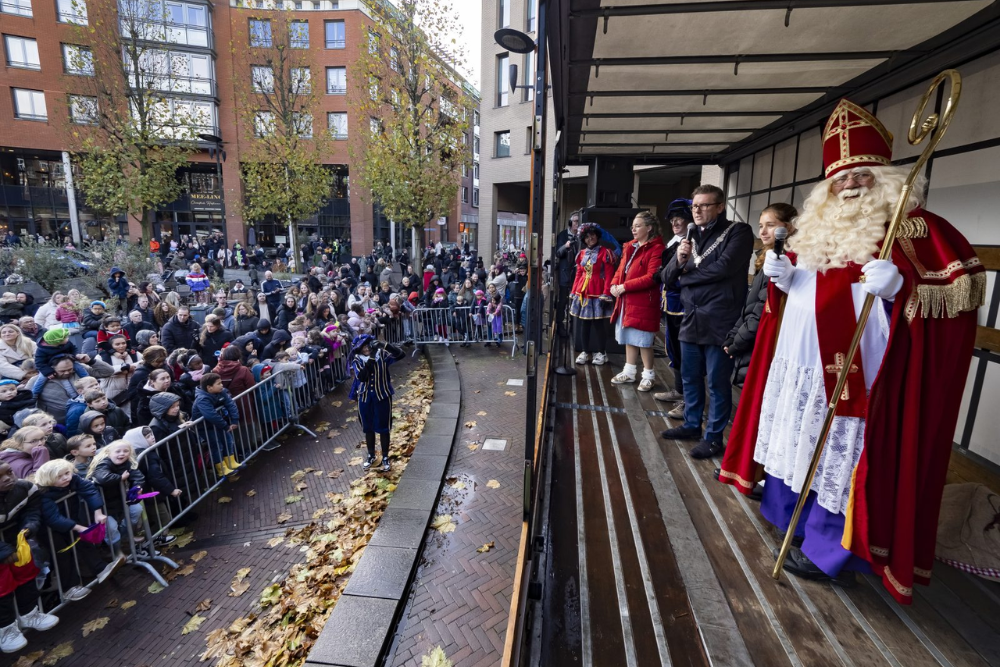
Sinterklaas (St. Nicholas) is a major celebration in the Netherlands, and Ridderkerk celebrates this tradition with a festive flair. Held in late November or early December, the town celebrates Sinterklaas’ arrival with parades, music, and events for children. The streets are filled with holiday cheer, and Sinterklaas, accompanied by his helpers, brings gifts and treats. This festive occasion brings families and the community together to celebrate Dutch holiday traditions.
Dos and Don’ts in Ridderkerk
Dos
- Do Embrace Cycling The Netherlands is known for its cycling culture, and Ridderkerk is no exception. Renting a bike and cycling around the town and nearby nature reserves is one of the best ways to explore. Always use designated bike lanes, and be mindful of cyclists around you.
- Do Be Punctual The Dutch value punctuality. Whether you’re meeting friends or attending an event, it’s important to be on time. Arriving late can be seen as disrespectful in Dutch culture.
- Do Greet People Politely The Dutch appreciate friendly and direct greetings. A simple “Hallo” or “Goedendag” (Good day) is appreciated when you meet someone. It’s also customary to shake hands when meeting new people.
Don’ts
- Don’t Ignore Bike Lanes: As cycling is a primary mode of transport in the Netherlands, don’t block bike lanes when walking or parking. Cyclists have the right of way, and obstructing bike lanes can cause inconvenience or even accidents.
- Don’t Be Too Loud in Public :The Dutch tend to value calmness and respect for others in public spaces. Avoid speaking loudly, especially in quieter areas like parks, restaurants, or public transport.
- Don’t Tip Excessively: While tipping in the Netherlands is appreciated, it’s not as common as in some other countries. Don’t feel the need to tip generously. In restaurants, rounding up the bill or leaving a tip of around 5-10% is perfectly sufficient.
Best time to reach in Ridderkerk
1. Spring (April to June)
- Spring is one of the best times to visit Ridderkerk, as the weather is mild and the surrounding nature comes alive with vibrant flowers and greenery.
- Temperatures range from 10°C to 15°C (50°F to 59°F), making it perfect for outdoor activities like cycling, walking in nature reserves, and visiting nearby attractions such as the Kinderdijk Windmills.
- Additionally, this season is great for exploring local parks and enjoying outdoor festivals, such as those marking the start of the warmer weather.
2. Summer (June to August)
- Summer is a popular time to visit Ridderkerk, especially if you want to enjoy outdoor events and explore the countryside.
- Average temperatures range from 18°C to 22°C (64°F to 72°F), which is ideal for cycling tours, water activities, and exploring the town.
- Ridderkerk also hosts events such as the Kermis (fair), which is a fun-filled festival with rides, food stalls, and games. However, keep in mind that summer months can get busier, and accommodation might be in higher demand.
3. Fall (September to November)
- Fall is a wonderful time to visit if you enjoy quieter experiences and the changing colors of nature.
- The temperatures cool down, ranging from 10°C to 15°C (50°F to 59°F), but it’s still pleasant for walking and cycling.
- This season is great for enjoying the beauty of Ridderkerk’s parks and nearby nature reserves, like the Alblas River. Additionally, the local atmosphere tends to be more relaxed compared to the busier summer months.
4. Winter (December to February)
- Winter is the least popular time to visit Ridderkerk due to the colder weather, with temperatures ranging from 0°C to 5°C (32°F to 41°F).
- However, if you enjoy a peaceful, quiet atmosphere, winter can be an enjoyable time to explore the town’s holiday decorations and festive markets.
- It’s a great time to visit if you want to avoid the crowds and enjoy the cozy, slower pace of Dutch winter life.